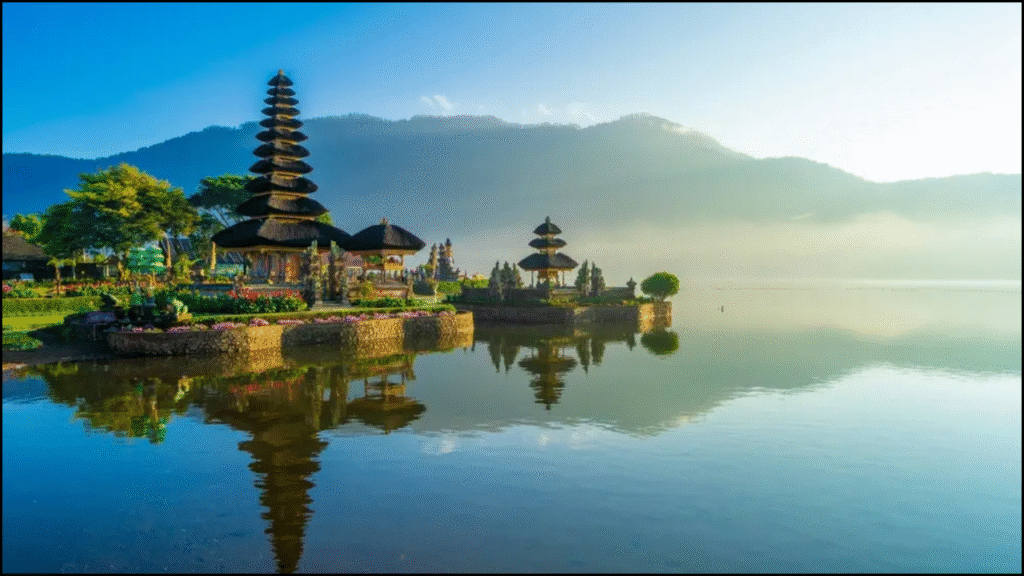
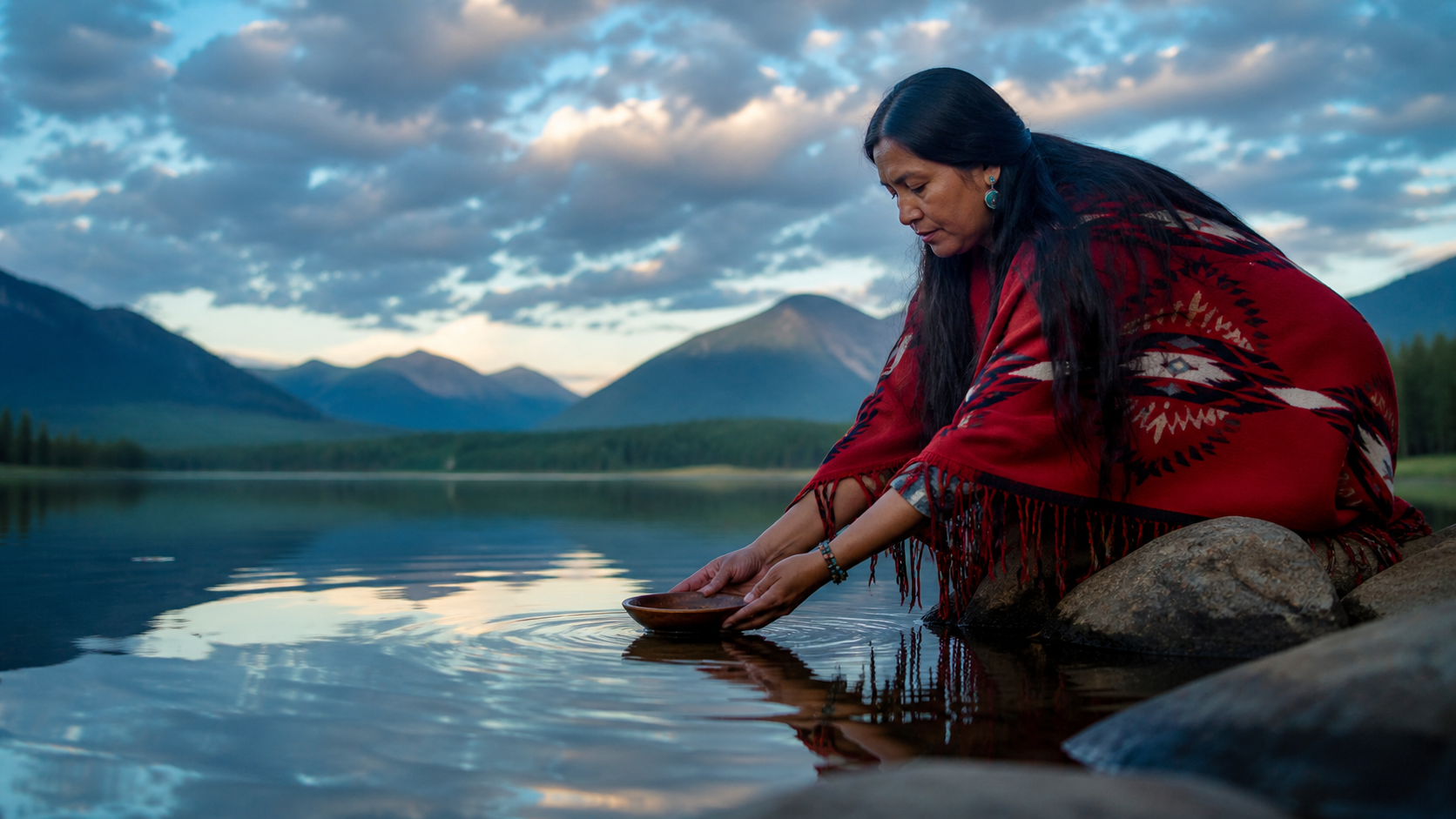
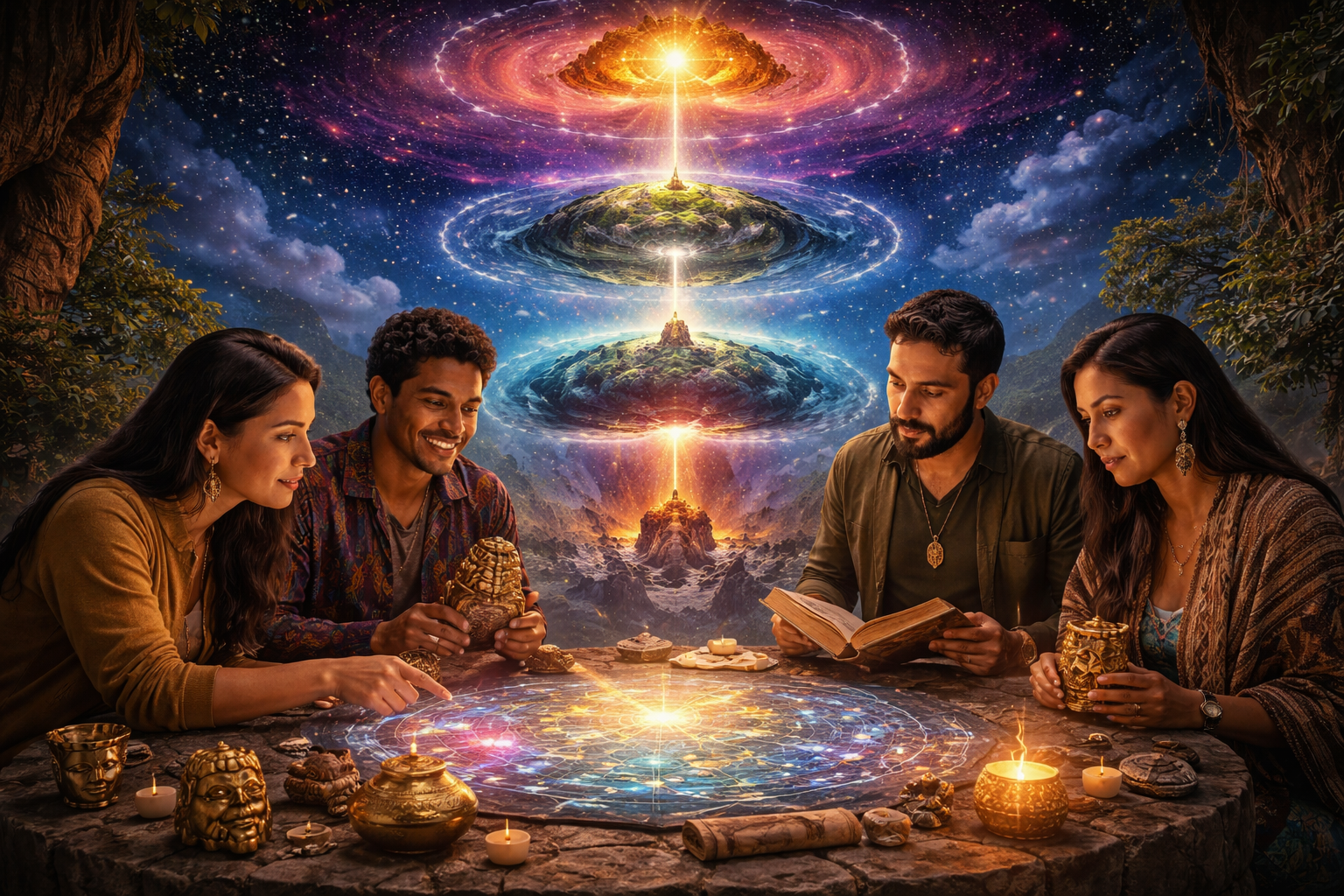
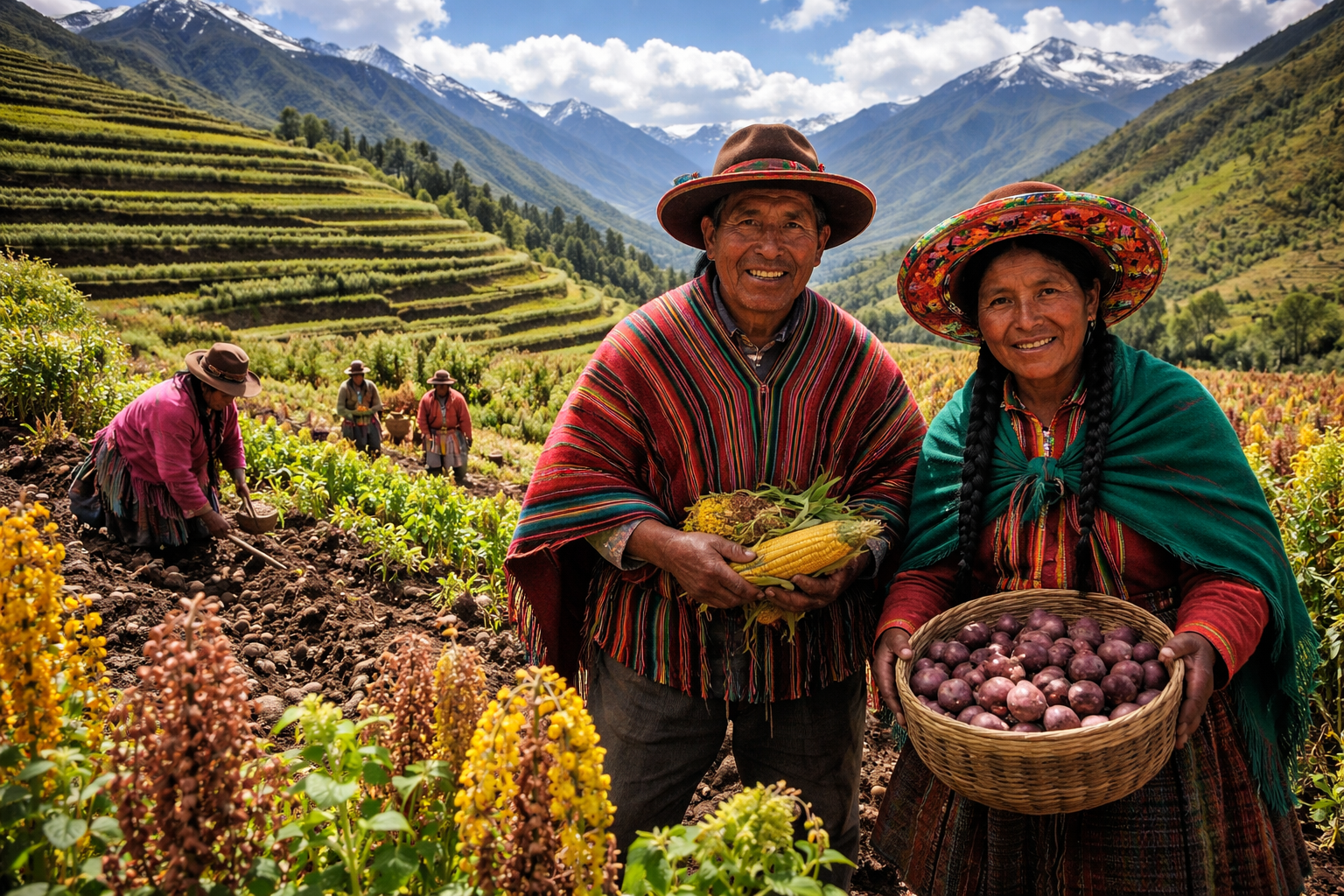
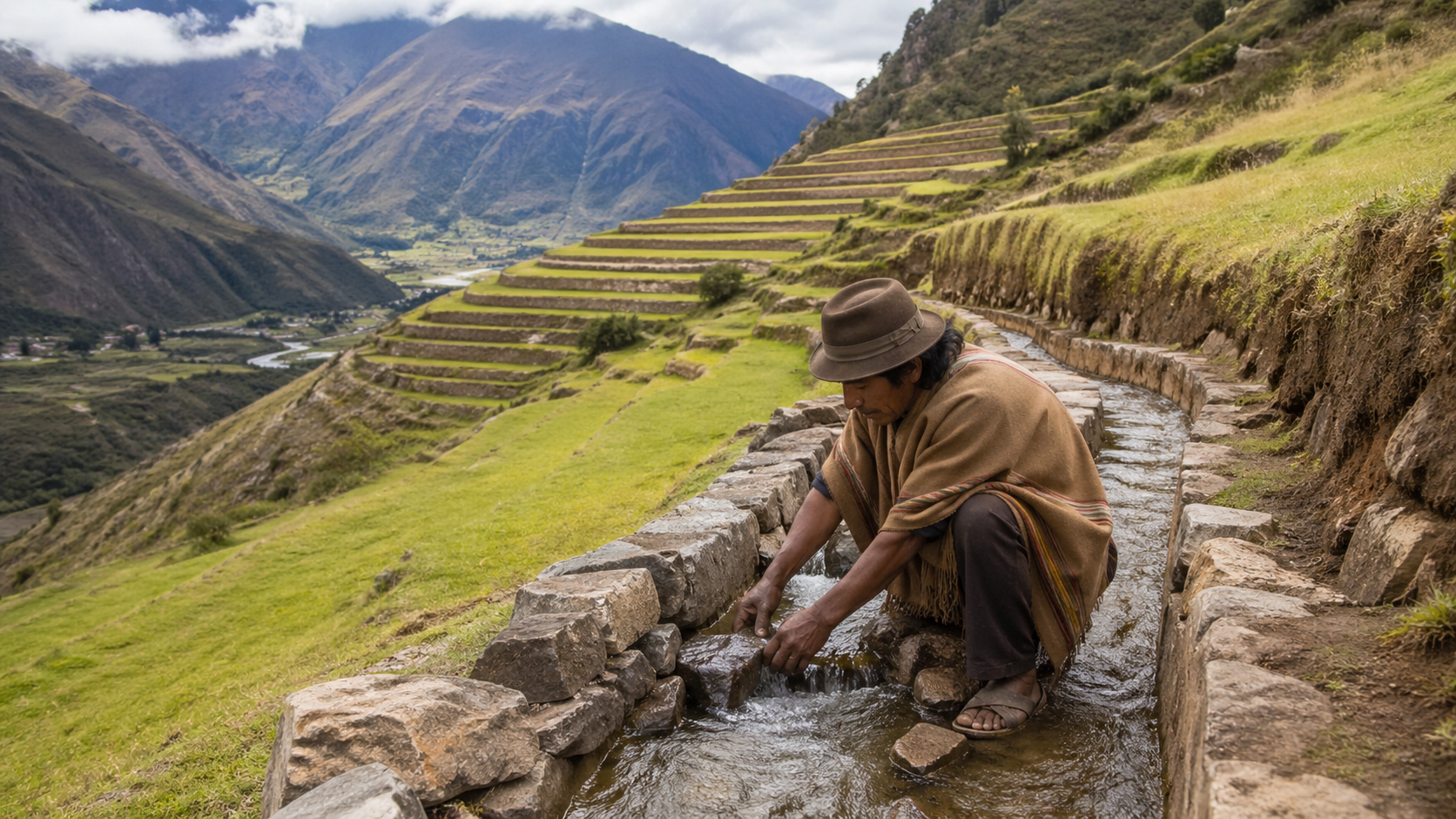
The Muisca people, one of the most advanced pre-Columbian civilizations of the Andes, developed a profound spiritual connection with their natural surroundings. Their landscape was not just a geographical setting but a living map of divine presence and cosmic power. Lakes, mountains, and temples formed a sacred triad in Muisca cosmology, representing the unity of nature, divinity, and human life. Through ritual, myth, and architecture, the Muiscas infused every corner of their land with meaning, transforming geography into a reflection of their spiritual universe.
Table of Contents
Nature and Spiritual Geography
The Muisca saw nature as the dwelling place of gods, spirits, and ancestors.
Mountains represented strength, protection, and the link between Earth and the sky, while lakes symbolized fertility, rebirth, and mystery.
Temples were built to mirror celestial movements, connecting human rituals to cosmic order.
Every valley, river, and cave carried symbolic importance, serving as portals between the material and spiritual worlds.
The landscape was mapped through a network of sacred sites, where priests and pilgrims communicated with divine forces.
Element of Nature
Spiritual Meaning
Mountains
Strength, stability, and connection to the heavens
Lakes
Fertility, renewal, and divine reflection
Temples
Human-built centers for cosmic alignment
Rivers
Pathways of spiritual and physical life
Caves
Entrances to the world of ancestors and spirits
Sacred Lakes: Mirrors of Creation
Lakes held a central role in Muisca spirituality as sources of life and transformation.
The most famous, Lake Guatavita, was the site of the legendary El Dorado ritual, where the Zipa (chief) covered his body with gold dust and offered treasures to the gods.
This ritual symbolized the renewal of cosmic balance and the unity between ruler and divinity.
Lake Iguaque was believed to be the birthplace of humanity, where the goddess Bachué emerged with her child to populate the Earth.
Each sacred lake represented a cosmic womb, connecting water with creation, fertility, and the divine feminine.
Sacred Lake
Associated Deity or Myth
Symbolic Role
Guatavita
El Dorado and the Sun god
Renewal, offering, and divine favor
Iguaque
Bachué (Mother Goddess)
Birthplace of humankind
Tota
Associated with fertility rites
Abundance and life-giving energy
Siecha
Linked with priestly ceremonies
Purification and ritual initiation
Mountains: Pillars of the Sky
The Muiscas revered the Andean mountains as the pillars of creation, home to deities and spirits that watched over human life.
Peaks such as Suma Paz, Monserrate, and Guadalupe were believed to embody powerful cosmic forces.
Mountains served as natural observatories, from which priests observed celestial events like solstices and lunar cycles.
The elevation represented spiritual ascent — the journey from earthly to divine consciousness.
Pilgrimages to mountain shrines were acts of devotion, symbolizing both physical endurance and spiritual enlightenment.
Mountain
Spiritual Association
Religious Function
Suma Paz
Seat of the gods and creation myths
Meditation and cosmic connection
Monserrate
Sunrise ceremonies
Renewal and divine observation
Guadalupe
Protection of valleys
Guardian of communities
Tunja Hills
Linked to Bochica’s teachings
Wisdom and balance
Temples: Human Conduits of the Divine
Temples were built to align with astronomical patterns, serving as gateways between Earth and sky.
The most important was the Temple of the Sun in Sugamuxi (Sogamoso), dedicated to Sué, the Sun god.
Constructed with wood and thatch, it reflected natural harmony and spiritual geometry.
Inside, sacred fires burned continuously, symbolizing Chiminigagua’s eternal light — the force of creation.
Other temples were devoted to Chía (Moon goddess) and Bochica, reinforcing the balance between masculine and feminine energies.
Temple
Dedicated Deity
Symbolic Meaning
Sugamuxi (Temple of the Sun)
Sué (Sun god)
Light, wisdom, and divine energy
Chía Temple
Moon goddess Chía
Feminine cycles and fertility
Bochica Shrines
Cultural hero and moral teacher
Justice, order, and knowledge
Hunzahúa Sanctuary
Ancestor worship
Lineage and continuity
The Cosmic Alignment and Architecture
Muisca architects designed sacred sites in alignment with the movement of celestial bodies.
The positioning of temples allowed sunlight to enter at specific times, marking solstices and equinoxes.
This alignment symbolized harmony between human order and cosmic law.
Sacred sites like El Infiernito (the Little Hell) functioned as both astronomical observatories and ritual spaces.
The standing stone pillars at El Infiernito were used to measure time, predict seasons, and celebrate fertility rites.
Site
Purpose
Cosmic Connection
El Infiernito
Astronomical observatory and ritual site
Solar and fertility cycles
Sugamuxi
Sun temple and ceremonial center
Solar worship and renewal
Tunja
Political and spiritual capital
Balance of earthly and divine power
Chía
Moon temple complex
Lunar worship and feminine divinity
Ritual Practices in Sacred Landscapes
Rituals at sacred lakes and mountains involved offerings of gold, emeralds, and shells, representing purity and devotion.
Priests, known as chyquy, led ceremonies that aligned with the agricultural calendar and celestial observations.
Festivals marked the equinoxes and solstices, celebrating the union of Sun and Moon as divine counterparts.
Pilgrims traveled long distances to perform spiritual cleansing and fertility rites, ensuring the prosperity of their people.
Fire, music, and dance accompanied these ceremonies, reinforcing the spiritual unity between humans and nature.
The Symbolism of Gold and Light
Gold was not valued as currency but as a sacred metal symbolizing sunlight and divine energy.
The act of offering gold into lakes reflected the return of light to its celestial source.
Gold objects such as tunjos (votive figures) were crafted with intricate designs depicting gods, animals, and cosmic symbols.
These offerings embodied the exchange between the physical and spiritual realms, ensuring harmony and abundance.
Light, both physical and symbolic, represented knowledge, morality, and eternal creation within Muisca belief.
Environmental and Spiritual Balance
The Muiscas practiced a sustainable relationship with their environment, rooted in sacred respect.
Agricultural practices were guided by astronomical observations, ensuring crops followed divine rhythms.
Natural resources like water, soil, and minerals were treated as living entities, deserving reverence and care.
The sacred geography reflected a worldview where spiritual well-being depended on ecological harmony.
Through ritual and respect, the Muisca maintained balance between divine forces and the natural world.
Legacy of the Sacred Landscape
Many Muisca sacred sites remain places of pilgrimage and archaeological interest in modern Colombia.
The myths of lakes and mountains continue to inspire indigenous revival movements and eco-spiritual traditions.
Archaeologists and historians recognize the Muisca sacred landscape as a blend of religion, astronomy, and ecology.
Modern interpretations of Muisca cosmology emphasize unity between humanity and nature, a vision increasingly relevant today.
These landscapes preserve the memory of a civilization that saw the Earth itself as a divine being.
Aspect
Modern Relevance
Cultural Heritage
Preservation of indigenous identity
Environmental Wisdom
Model for ecological balance
Astronomical Knowledge
Early understanding of celestial cycles
Spiritual Philosophy
Harmony between human and divine worlds
Tourism and Research
Promotion of cultural and historical awareness
Final Thoughts
The sacred landscape of the Muiscas reveals a civilization where every natural feature was infused with spiritual meaning. Lakes shimmered as mirrors of creation, mountains stood as cosmic pillars, and temples embodied the harmony between heaven and Earth. Through ritual and reverence, the Muiscas built a world where spirituality and geography coexisted in perfect balance. Their understanding of sacred space reflects a timeless truth — that the divine resides not beyond nature, but within it. The enduring legacy of the Muisca landscape continues to inspire reverence for the natural world as a living expression of the sacred.
She is a creative and dedicated content writer who loves turning ideas into clear and engaging stories. She writes blog posts and articles that connect with readers. She ensures every piece of content is well-structured and easy to understand. Her writing helps our brand share useful information and build strong relationships with our audience.