The Muisca civilization developed one of the most sophisticated trade systems in pre-Columbian South America. Located in the Andean highlands of present-day Colombia, the Muisca established extensive networks that connected diverse ecological zones. Their economic system relied heavily on barter, regional specialization, and organized marketplaces.
Trade was not merely an economic activity but a vital social and cultural practice. Through exchange, communities maintained relationships, shared resources, and strengthened political alliances. The efficiency and adaptability of Muisca trade networks contributed significantly to their prosperity and regional influence.
Table of Contents
Trade Overview
Understanding the structure of Muisca trade systems requires examining the key elements that supported their economic interactions and regional exchange.
Overview Of Muisca Trade Elements
| Component | Description |
|---|---|
| Markets | Central places for exchange of goods |
| Barter System | Direct exchange without currency |
| Regional Goods | Products from diverse ecological zones |
| Trade Routes | Paths connecting different communities |
| Specialization | Production of specific goods by regions |
| Social Exchange | Trade as a means of relationship building |
These elements worked together to create a resilient and efficient economic system. The integration of social and economic functions made trade a central aspect of Muisca life.
Market Centers
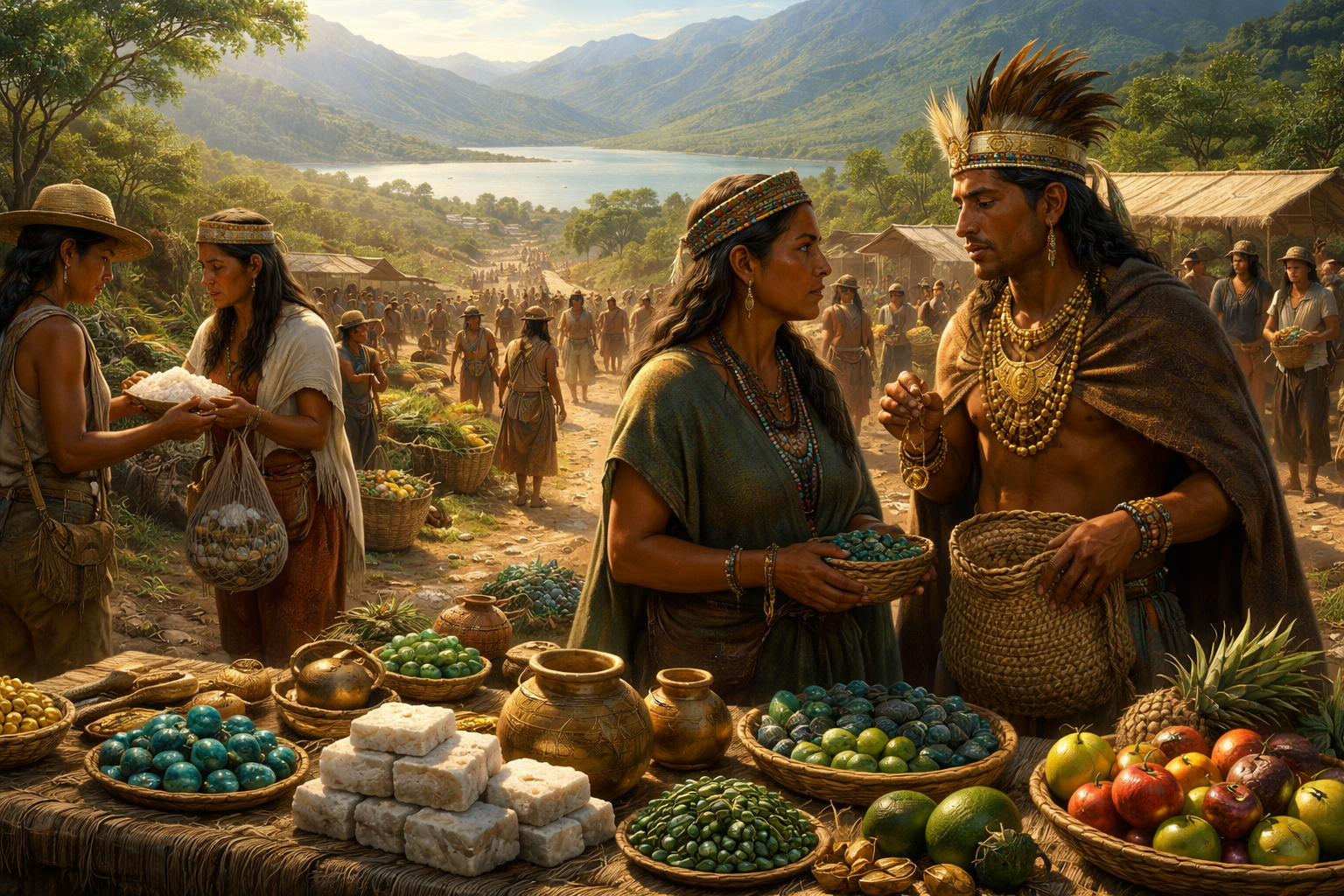
Marketplaces were the heart of Muisca economic activity. These centers operated on specific days and attracted traders from various regions. Goods such as salt, textiles, ceramics, and agricultural produce were exchanged in vibrant and organized settings.
Major settlements functioned as key market hubs, where large-scale exchanges took place. These markets were not only economic centers but also social gathering points, facilitating communication and cultural interaction among different groups.
Goods Exchange
- Salt Production: A highly valued commodity used for preservation and trade
- Textiles: Woven goods representing craftsmanship and utility
- Gold Artifacts: Symbolic and ceremonial items rather than currency
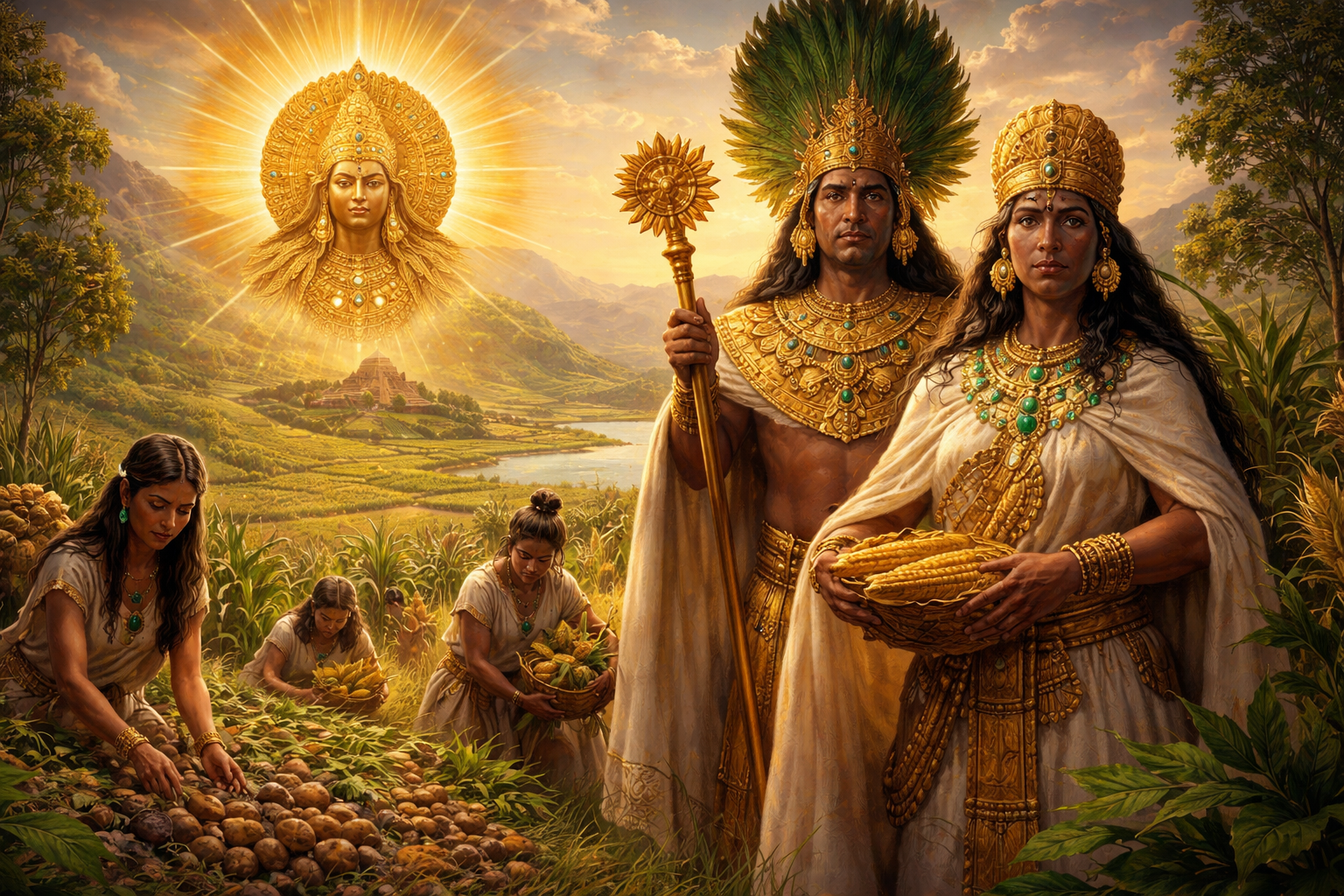
- Agricultural Products: Maize, potatoes, and fruits from fertile regions
The diversity of goods reflected the ecological richness of the Muisca territory. Each region contributed unique products, ensuring a balanced and interconnected trade system.
Barter System
The Muisca relied on a barter-based economy, exchanging goods directly without a standardized currency. Value was determined by demand, availability, and cultural significance. This flexible system allowed communities to adapt to changing conditions and needs.
Barter transactions often involved negotiation and mutual agreement, reinforcing social bonds between traders. The absence of currency did not hinder economic efficiency but instead encouraged a more personalized and community-oriented approach to trade.
Regional Routes
Trade routes connected highland communities with lowland regions, enabling the flow of goods across diverse environments. These routes were carefully maintained and often followed natural pathways such as rivers and mountain passes.
The strategic positioning of the Muisca territory allowed them to act as intermediaries in broader regional exchange networks. This connectivity enhanced their economic influence and facilitated access to a wide range of resources.
Economic Roles
- Producers: Specialized in creating specific goods
- Traders: Facilitated the movement of products between regions
- Leaders: Oversaw trade regulations and resource distribution
- Artisans: Crafted high-value items for exchange
Each role contributed to the efficiency and organization of the trade system. The division of labor ensured that resources were utilized effectively and that trade operations ran smoothly.
Social Impact
Trade played a significant role in shaping Muisca society. It fostered cooperation between communities and supported the development of social hierarchies. Wealth and influence were often linked to control over valuable resources and trade routes.
The exchange of goods also facilitated cultural interaction, allowing ideas, traditions, and technologies to spread across regions. This dynamic exchange contributed to the cultural richness of the Muisca civilization.
Political Influence
The control of trade networks provided political power to Muisca leaders. By regulating access to key resources such as salt and gold, leaders could maintain authority and influence over surrounding communities.
Trade alliances also helped stabilize relationships between different groups. These alliances reduced conflict and promoted cooperation, strengthening the overall structure of Muisca society.
Cultural Exchange
- Shared Traditions: Spread through interaction between communities
- Technological Knowledge: Transferred via trade networks
- Artistic Influence: Reflected in diverse craftsmanship styles
- Ritual Practices: Influenced by exchanged goods and beliefs
Cultural exchange was integral to the Muisca trade system. It enriched their society and contributed to the development of a cohesive regional identity.
Sustainability Practices
The Muisca demonstrated a strong understanding of sustainable resource management. Their trade system balanced production and consumption, ensuring that resources were not depleted.
By relying on regional specialization and exchange, they minimized environmental strain and maximized efficiency. This approach supported long-term stability and resilience within their society.
Historical Legacy
The trade networks of the Muisca left a lasting legacy in the history of pre-Columbian economies. Their sophisticated system of markets, barter, and regional exchange highlights the complexity and adaptability of indigenous economic practices.
Modern studies continue to explore the innovations and strategies of the Muisca, offering valuable insights into sustainable and community-oriented economic systems.
The Bottom Line
The trade networks of the Muisca civilization exemplify a highly organized and interconnected economic system built on barter, regional specialization, and social cooperation. Their markets served as vibrant centers of exchange, while their trade routes linked diverse ecological zones into a unified network.
Beyond economics, trade shaped the social, political, and cultural fabric of Muisca society. Their legacy demonstrates that complex and effective economic systems can thrive without currency, relying instead on trust, collaboration, and shared values.