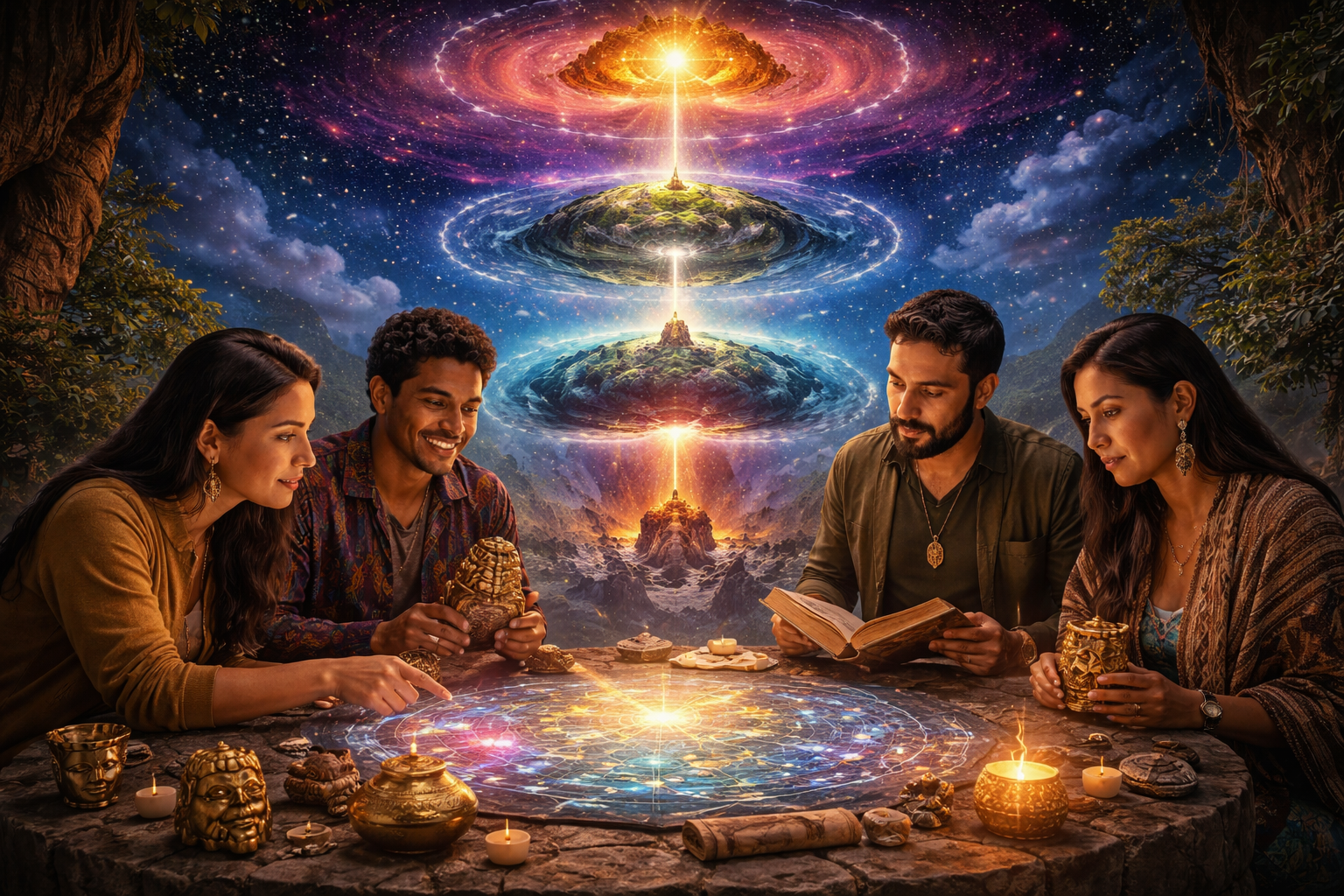
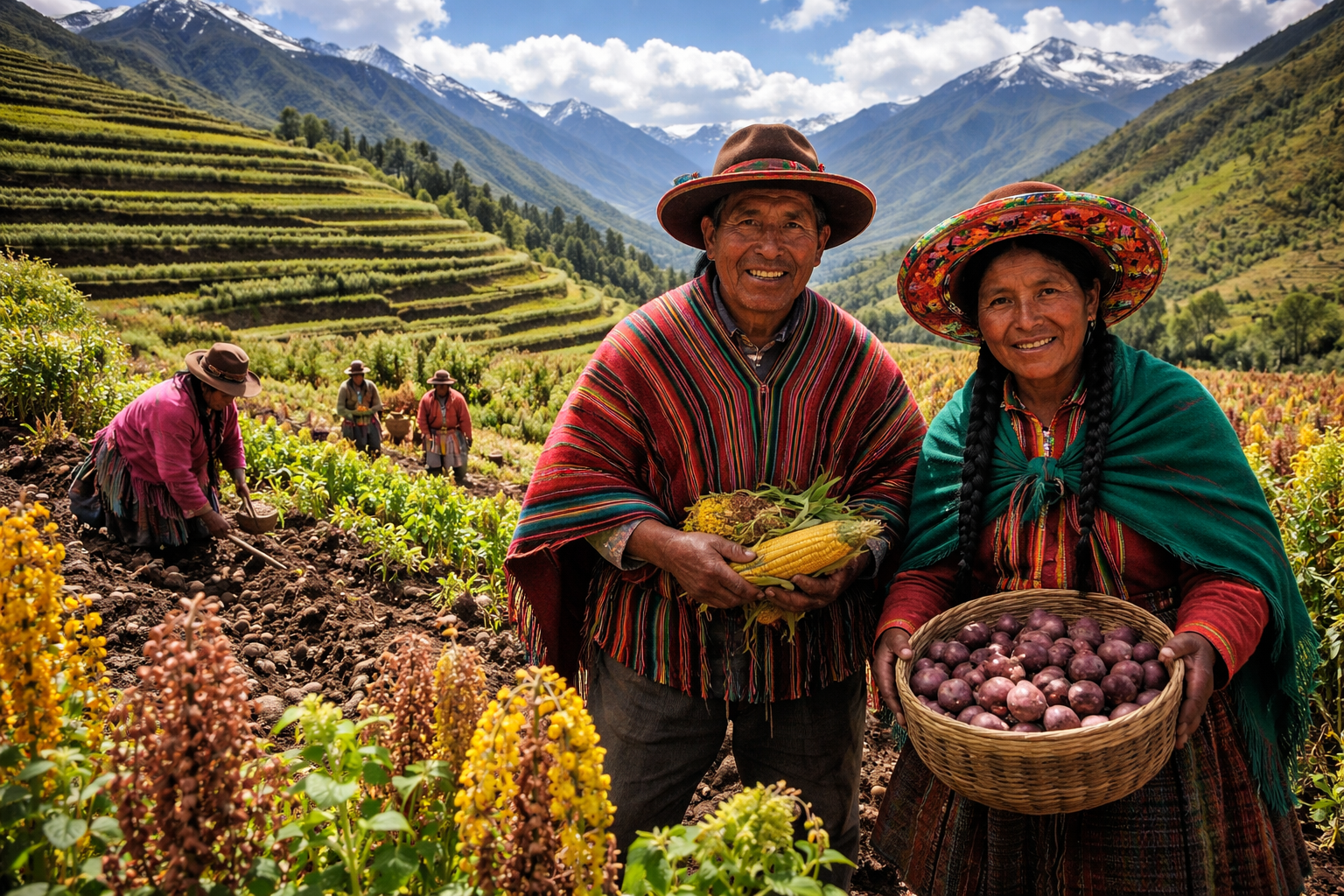
The cultural identity of a community forms the foundation of its existence and continuity. The Muisca civilization, which once flourished on the Cundiboyacense plateau of Colombia, built a strong connection between the spiritual and material aspects of life. Their traditions, myths, and symbols express a deep respect for the earth, the cosmos, and the cycles of nature. The concept of Jischana Huitaca reflects this intricate balance between the tangible territory and the immaterial spirit. Understanding these ideas allows modern generations to rediscover indigenous wisdom and its role in preserving cultural heritage and natural identity.
What is Jischana Huitaca?
Muisca Origins: The Muiscas were ancient inhabitants of the Cundiboyacense plateau, whose language, Chibcha, holds valuable cultural meanings. Their worldview united agriculture, spirituality, and artistry in a single cycle of life and renewal.
Meaning of Jischana:
Jischana represents a cultivated portion of land, the orchard, or the farming space.
It symbolizes the territory, fertility, and sustenance of the community.
The concept extends beyond agriculture to include respect for land as a living entity that sustains human existence.
Representation through the Spindle Whorl: The Muiscas crafted spindle whorls from baked clay, shaped like discs or pyramids. These artifacts acted as flywheels for spinning cotton but also represented cosmic motion and the connection between human labor and natural cycles. The spindle whorl thus embodies the material link to the territory, grounding spiritual beliefs in physical expression.
Meaning of Huitaca:
Huitaca was a goddess of rebellion, beauty, and pleasure, who opposed the strict moral order of Bochica, the patriarchal figure in Muisca mythology.
She symbolized freedom, femininity, and lunar energy, embracing joy, sensuality, and transformation.
Her transformation into an owl or the moon reflects the dual nature of light and darkness, wisdom and mystery.
Symbolic Interpretation of Jischana and Huitaca
Aspect
Jischana
Huitaca
Meaning
Land for cultivation, orchard, territory
Rebel goddess of joy, moon, and freedom
Symbolism
Material world; sustenance; fertility
Spiritual world; transformation; wisdom
Representation
Spindle whorl; clay artifact
Moon; white owl
Gender Association
Earth Mother; provider
Feminine energy; divine rebellion
Cultural Role
Rootedness and productivity
Challenge to norms and renewal of spirit
Relation to Nature
Agricultural and territorial
Celestial and mythical
Huitaca: The Rebel Goddess
Goddess of Liberation: Huitaca’s myth reveals resistance to patriarchal authority. She challenged Bochica’s teachings of restraint and suffering by celebrating pleasure, creativity, and the enjoyment of life.
Transformation Myth:
According to one version, Bochica punished Huitaca by turning her into a white owl, symbolizing wisdom and mystery.
Another version describes her ascent to the sky as the wife of the sun, illuminating the night as the moon.
Both interpretations celebrate her as a force of balance, linking night and day, rebellion and harmony.
Connection to Chía and Bachué:
Some legends merge Huitaca with Chía, the lunar goddess, and Bachué, the mother of humanity.
This connection suggests that feminine divinity in Muisca culture embodied both nurturing and transformative energies.
Cultural Significance: The myth of Huitaca preserves the idea that joy and freedom are essential to balance discipline and order. Through her, the Muisca people acknowledged the importance of both light and shadow in spiritual life.
Key Figures in Muisca Mythology
Deity
Domain
Symbol
Role in Mythology
Bochica
Order, wisdom, morality
Staff, sunlight
Teacher and lawgiver who civilized humankind
Huitaca
Pleasure, rebellion, moon
Owl, moon
Rebel goddess promoting joy and freedom
Chía
Lunar power, fertility
Crescent moon
Protector of crops and cycles of nature
Bachué
Creation, motherhood
Lake Iguaque
Mother of all humans in Muisca legend
Chiminigagua
Supreme creator
Light and darkness
Source of all life and transformation
A Path to Memory: Rock Art of Sogamoso
Cultural Traces of the Past: Rock art in Sogamoso stands as a bridge between the ancient Muisca civilization and the present. Each carved figure, symbol, and pigment reveals the deep spiritual relationship the people had with their territory.
Preservation of Identity: These rock sites are not merely historical remnants; they serve as cultural texts, narrating stories of creation, ritual, and community life.
Educational Value: The rock art routes in Sogamoso have become cultural trails, allowing visitors and researchers to connect with ancestral knowledge through tangible symbols.
Rock Art Routes in Sogamoso
Route Name
Location
Key Features
Cultural Importance
Route 1: Chichizí
Sogamoso, Boyacá
Petroglyphs and carvings in stone
Reflection of early agricultural rituals
Route 2: Pilar and Ceibita
Rural Sogamoso
Figures of animals and celestial symbols
Depiction of lunar and solar cycles
Route 3: Pedregal
Pedregal Bajo area
Ancient rock engravings; partially damaged
Evidence of territorial markings and spiritual symbols
News and Activities
VIII Sogamoso Cultural Heritage Meeting (2023): The event highlighted natural heritage and cultural landscapes, promoting awareness about preserving the Muisca legacy.
Damage to Rock Art (June 2023): Reports of vandalism in the Pedregal Bajo area sparked conservation campaigns emphasizing the protection of indigenous archaeological sites.
Sogamoso Rock Art Sites SAR (December 2022): Documentation and restoration efforts were launched to catalog and protect ancient carvings as part of Colombia’s cultural memory.
Photo Album and Collective Memory
Visual Documentation: A photographic collection of Sogamoso’s rock art serves as an educational and emotional archive, linking modern society with its ancestral roots.
Community Participation: Local communities and cultural foundations collaborate in maintaining these sites, organizing exhibitions and educational tours to strengthen identity.
Future Implications
Cultural heritage of the Muisca civilization, embodied in Jischana Huitaca, reflects a profound understanding of life’s material and spiritual dimensions. The land, represented by Jischana, and the divine feminine energy, symbolized by Huitaca, together illustrate the harmony between creation and transformation. Rock art, myths, and community rituals continue to preserve this legacy, reminding humanity that identity and territory are inseparable. Respect for heritage ensures that ancient wisdom remains alive, guiding future generations toward balance, creativity, and cultural pride.
Water holds profound significance in Indigenous traditions across the world, extending far beyond its physical necessity for survival. Rivers, lakes, ...
Indigenous knowledge systems across the world offer deeply interconnected views of humans, animals, and the natural environment. These cosmologies are ...
Water engineering and terraced landscapes were central to the agricultural success of pre-Columbian Andean societies. Living in steep, high-altitude environments ...
Indigenous knowledge systems represent centuries of observation, adaptation, and interaction with local ecosystems. Rooted in cultural traditions and lived experiences, ...