Agriculture was the cornerstone of Muisca society, shaping their economy, culture, and spiritual life. The Muisca, who inhabited the highlands of present-day Colombia, developed innovative and sustainable farming practices adapted to mountainous terrain, variable climate, and limited arable land. Their agricultural system integrated environmental knowledge, communal organization, and ritual observance, ensuring food security and ecological balance. Understanding Muisca agriculture reveals a civilization deeply attuned to sustainability and the cycles of nature.
Table of Contents
Farming Practices and Techniques
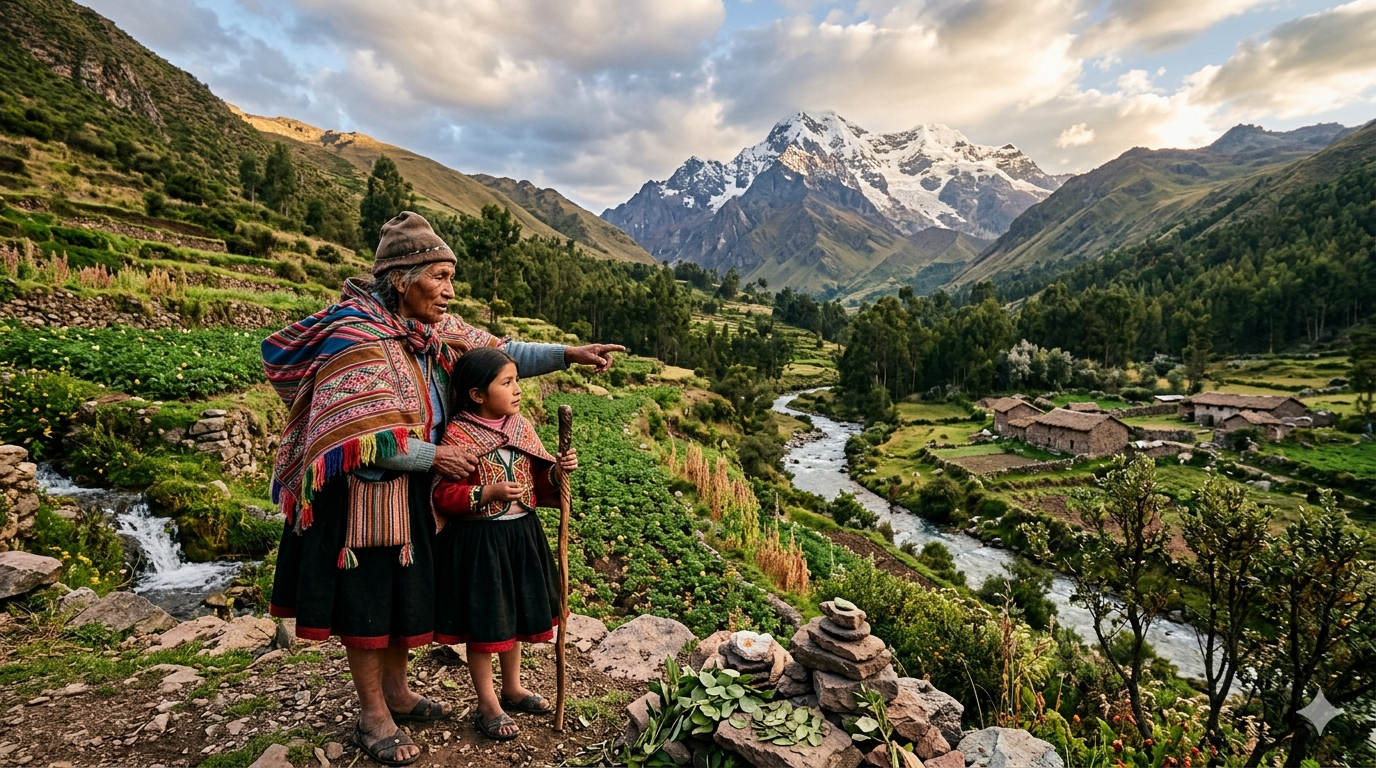
- Terracing: Hillsides were carved into stepped terraces to prevent soil erosion, retain water, and maximize arable land.
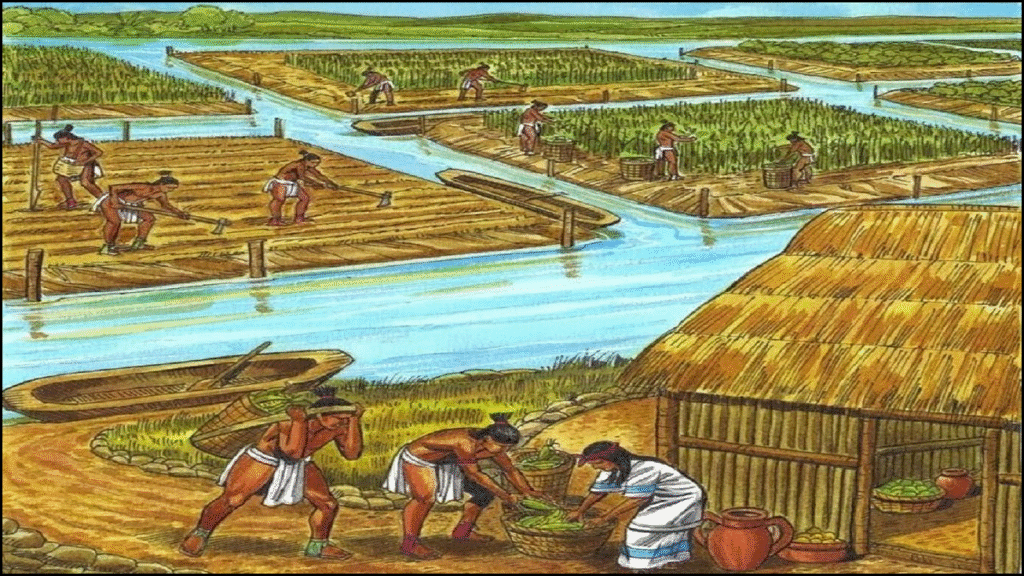
- Raised fields (camellones): Constructed in marshy areas to improve drainage, fertility, and crop yields.
- Crop rotation and polyculture: Maize, potatoes, quinoa, beans, and tubers were planted together to maintain soil health and reduce pest infestations.
- Irrigation: Networks of canals, clay channels, and lakes distributed water efficiently, especially during dry periods.
- Soil enrichment: Organic matter, such as plant residues and animal manure, enhances fertility and long-term productivity.
| Technique | Purpose | Sustainability Aspect |
|---|---|---|
| Terracing | Prevents erosion, increases arable land | Maintains soil structure and reduces runoff |
| Raised fields | Improves drainage and fertility | Ensures crop survival in wetlands |
| Polyculture | Crop diversity and pest control | Reduces monoculture risks, preserves biodiversity |
| Irrigation | Water management for crops | Optimizes water use without overextraction |
| Soil enrichment | Enhances nutrient content | Promotes long-term soil fertility |
Crop Selection and Cultivation
- Maize: Staple food, grown on terraces and fertile plains; planting followed lunar cycles to optimize growth.
- Potatoes and tubers: Cultivated in terraced highlands; resistant to cold climates.
- Quinoa and amaranth: High-protein grains suited to high altitudes.
- Coca: Cultivated for medicinal, ritual, and social purposes near sacred sites.
- Legumes and vegetables: Supported soil enrichment through nitrogen fixation and a diversified diet.
Integration of Ritual and Agriculture
- Agricultural activities were closely linked to religion and cosmology.
- Planting and harvest ceremonies honored deities such as Sué (Sun) and Chía (Moon) to ensure fertility.
- Offerings of seeds, gold, and chicha were made to lake spirits, mountains, and ancestors.
- Rituals reinforced ethical land use, fostering sustainability and community cohesion.
- Lunar phases, solstices, and seasonal cycles dictated agricultural timing, aligning human activity with natural rhythms.
| Ritual | Agricultural Purpose | Cultural Significance |
|---|---|---|
| Planting ceremony | Ensures crop fertility | Appeasing deities and spirits |
| Harvest festival | Celebrates abundance | Strengthens social bonds and gratitude |
| Lake offerings | Water and soil fertility | Honors sacred bodies of water |
| Terrace blessing | Protects soil and crops | Integrates spiritual and practical care |
| Moon-based planting | Optimizes growth cycles | Aligns agriculture with celestial guidance |
Community and Labor Organization
- Farming was a collective endeavor, with families working together under the guidance of leaders and elders.
- The Zipa and Zaque oversaw sacred lands and coordinated agricultural calendars.
- Priests (chyquy) mediated between humans and divine forces, timing rituals for planting and harvest.
- Men handled heavy tasks like digging terraces and irrigation, while women planted seeds, harvested, and processed food.
- Communal labor reinforced resource sharing, efficiency, and social cohesion, key to sustainable management.
Environmental Adaptation and Sustainability
- Techniques such as terracing, raised fields, and polyculture reflect the Muisca’s understanding of local ecology.
- Irrigation systems optimized water availability while preventing depletion.
- Crop diversity mitigated the risk of famine and maintained soil health.
- Sacred and ritual practices encouraged long-term stewardship of land and water.
- These practices highlight the Muisca philosophy of harmony with nature rather than domination.
| Sustainability Practice | Environmental Benefit | Cultural Integration |
|---|---|---|
| Terracing and raised fields | Soil conservation, flood control | Sacred terraces linked to ritual sites |
| Crop rotation & polyculture | Prevents soil depletion | Ritual planting aligned with deities |
| Irrigation systems | Efficient water use | Ceremonial offerings to water spirits |
| Organic fertilization | Enhances long-term fertility | Ethical obligation to honor the land |
| Communal farming | Resource efficiency and social cohesion | Rituals reinforce cooperation and stewardship |
Legacy of Muisca Agricultural Sustainability
- Archaeological evidence shows sophisticated terraces, irrigation channels, and raised fields, testifying to their environmental knowledge.
- Muisca agriculture provides a model for sustainable highland farming with minimal ecological disruption.
- Integration of ritual, ethics, and ecological management ensured long-term food security and social stability.
- Contemporary research on Muisca practices informs modern agroecology, permaculture, and conservation strategies.
- The Muisca approach demonstrates that sustainable agriculture is culturally embedded, spiritually guided, and ecologically conscious.
Final Analysis
Agriculture in ancient Muisca society exemplified a balance between productivity and sustainability. Through terraces, raised fields, polyculture, and irrigation, combined with ritual observance and communal labor, the Muisca ensured food security while maintaining ecological health. Their practices reflect a worldview in which humans, land, and the divine are interconnected, demonstrating that agricultural success is inseparable from environmental stewardship and spiritual respect. The Muisca legacy offers valuable insights for sustainable agriculture and holistic land management today.