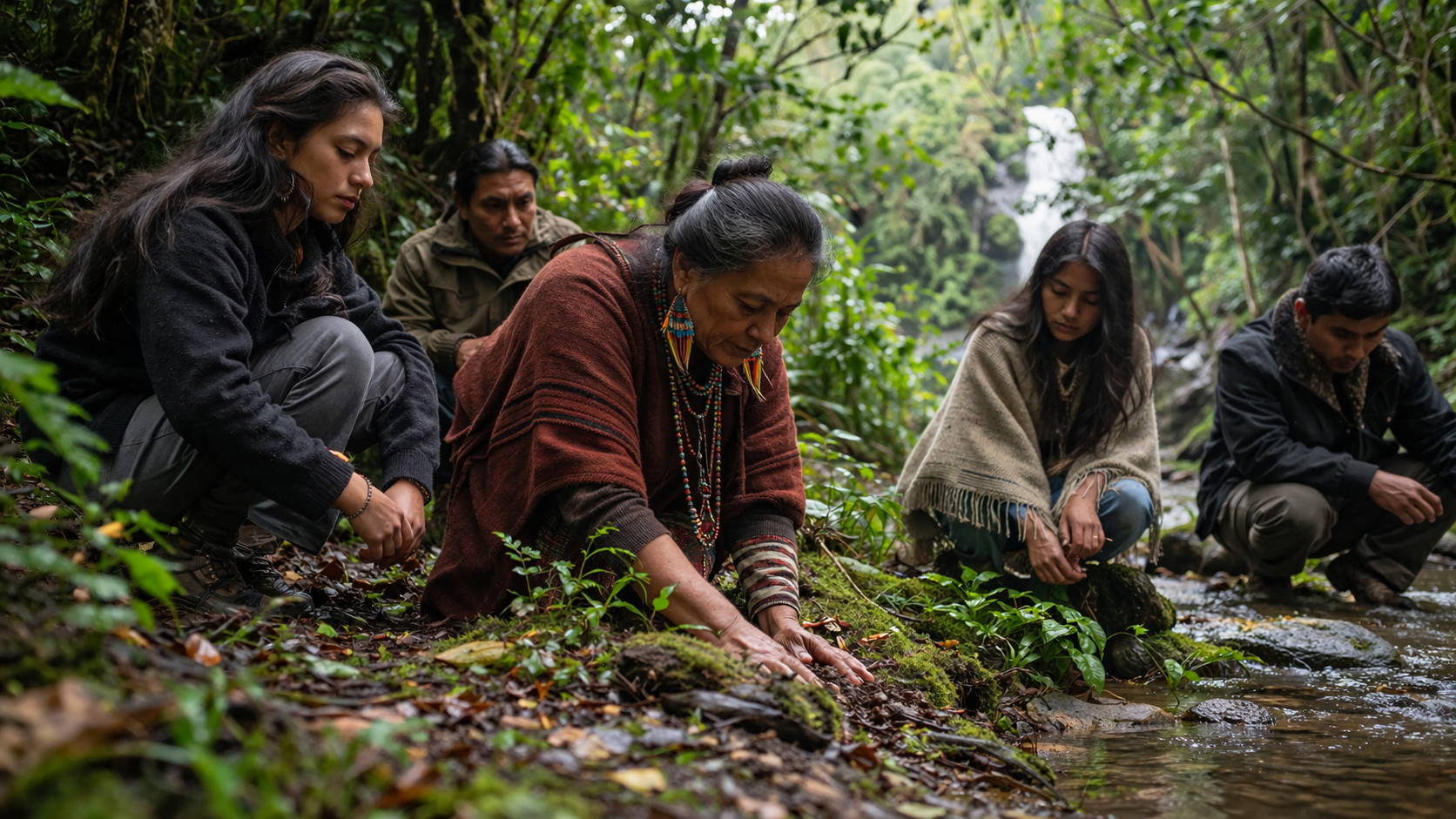
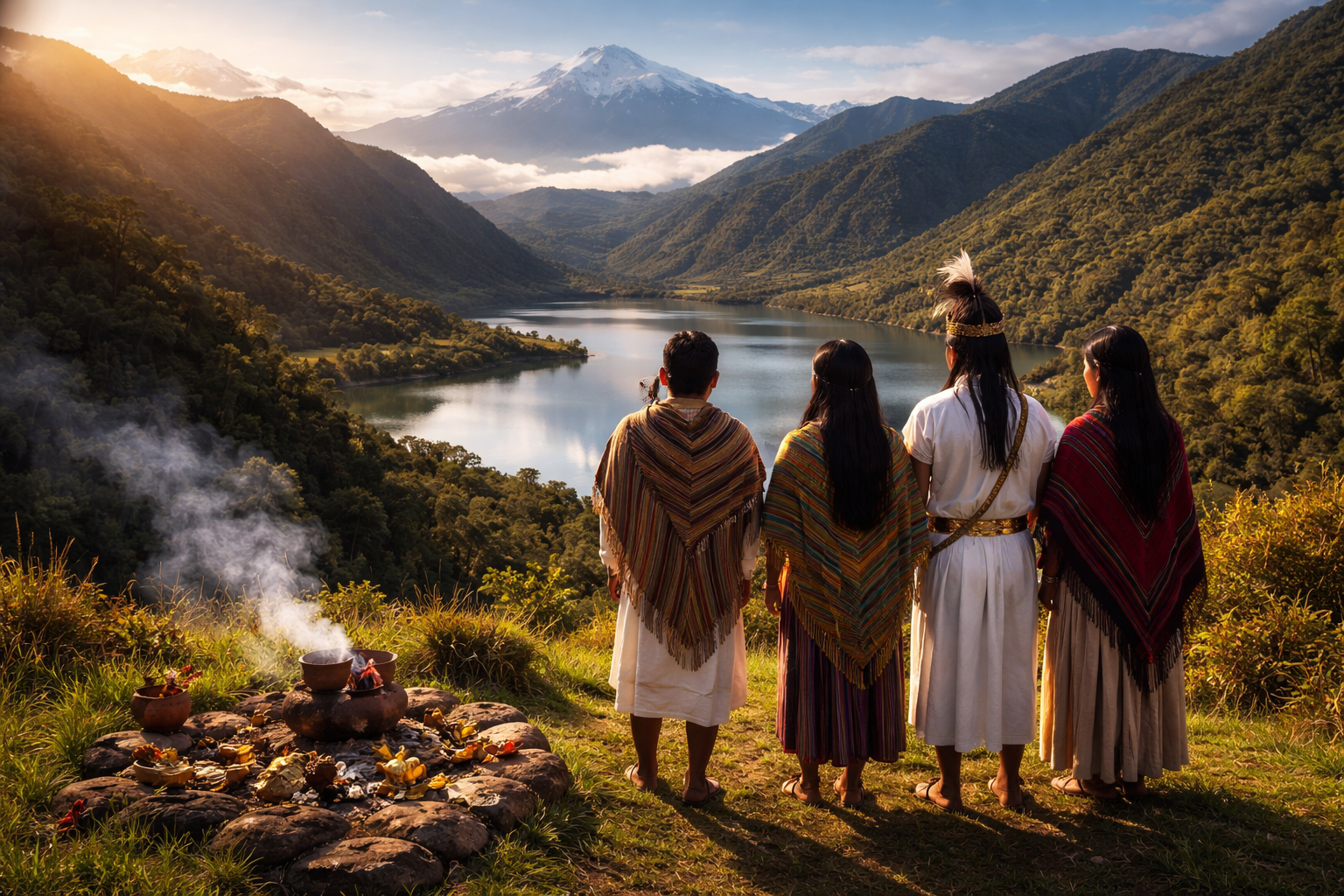
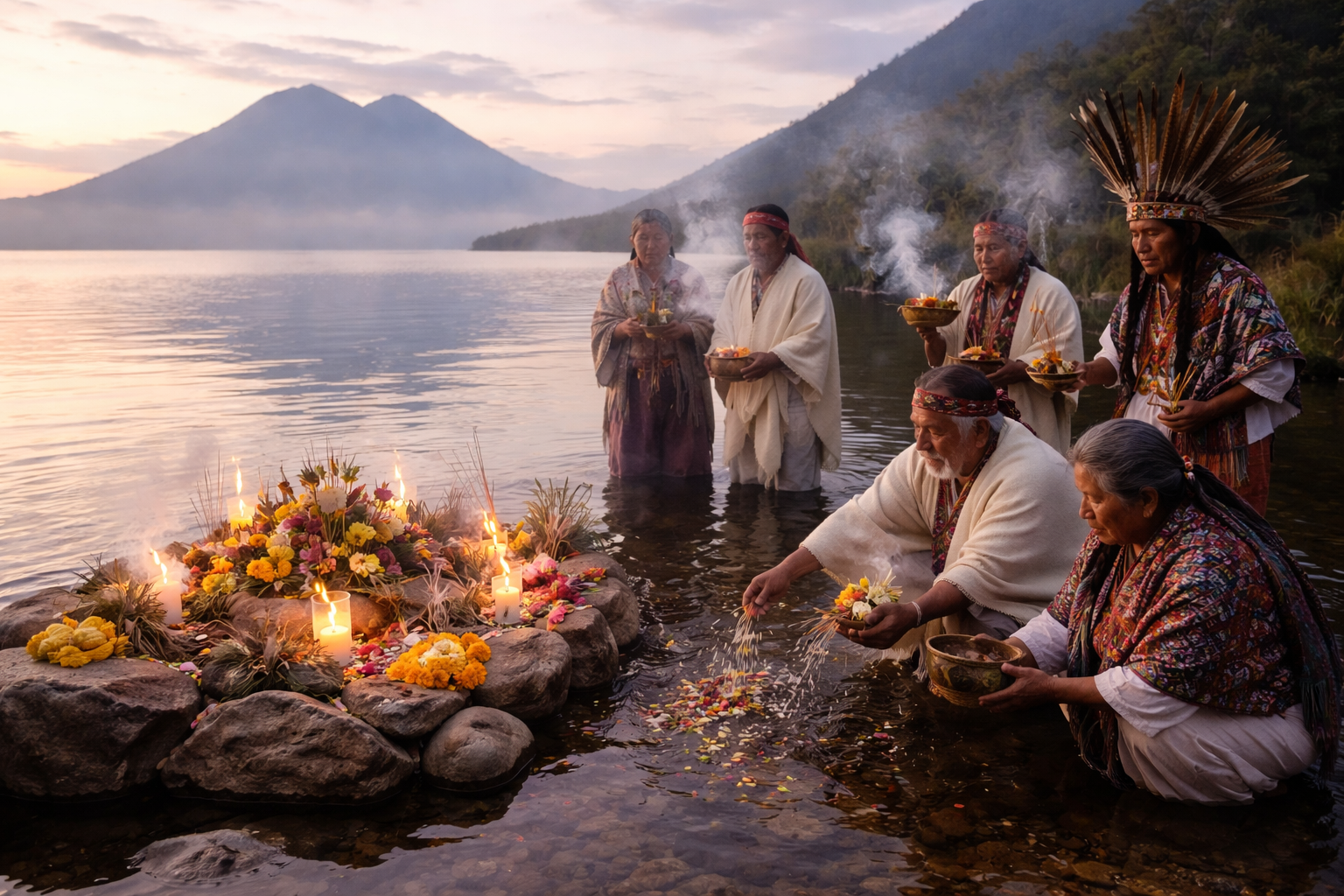
Indigenous communities around the world have long practiced forms of environmental stewardship rooted in deep cultural, spiritual, and ecological knowledge. These traditions emphasize balance, respect for nature, and long-term sustainability rather than short-term exploitation. In today’s era of environmental crises, these practices are increasingly recognized as valuable models for sustainable living.
The concept of ancestral stewardship reflects a responsibility not only to the present generation but also to future ones. By integrating traditional knowledge systems with modern environmental approaches, societies can develop more holistic and sustainable ways of interacting with the natural world.
Table of Contents
Concept Overview
Foundations of Indigenous Sustainability
| Aspect | Details |
|---|---|
| Core Principle | Harmony between humans and nature |
| Knowledge Source | Oral traditions and lived experience |
| Primary Goal | Long-term ecological balance |
| Key Practices | Conservation, rotation, respect for biodiversity |
| Global Relevance | Model for modern sustainability efforts |
Cultural Values
- Indigenous sustainability is deeply rooted in cultural and spiritual beliefs that view nature as a living entity rather than a resource to exploit. Many communities consider land, water, and wildlife as sacred, fostering a sense of responsibility and respect.
- These values shape daily practices and decision-making processes. By prioritizing balance and reciprocity, Indigenous cultures ensure that natural resources are used responsibly, maintaining ecological health over generations.
Traditional Knowledge
- Indigenous knowledge systems are built on centuries of observation and interaction with the environment. This knowledge includes understanding seasonal cycles, animal behavior, and plant properties, which guide sustainable practices.
- Unlike modern scientific approaches that often separate humans from nature, traditional knowledge integrates human activity within natural systems. This holistic perspective allows for more adaptive and resilient environmental management.
Land Management
- Indigenous land management practices are designed to maintain ecological balance. Techniques such as controlled burning, crop rotation, and selective harvesting help prevent resource depletion and support biodiversity.
- These methods are often tailored to specific ecosystems, demonstrating a deep understanding of local environments. By working with natural processes rather than against them, Indigenous communities sustain productivity without causing long-term damage.
Resource Use
- Sustainable resource use is a key aspect of Indigenous practices. Communities typically harvest only what is needed and avoid overexploitation, ensuring that resources remain available for future generations.
- This approach contrasts with industrial models that prioritize maximum output. By focusing on sufficiency rather than excess, Indigenous practices promote ecological stability and reduce environmental impact.
Community Roles
- Environmental responsibility is shared across the community, with roles and responsibilities often defined by tradition. Elders play a crucial role in passing down knowledge, while younger members learn through participation and observation.
- This collective approach ensures continuity and accountability. It also strengthens social bonds, as community members work together to protect and sustain their environment.
Biodiversity Care
- Indigenous practices actively support biodiversity by protecting habitats and maintaining ecological diversity. Sacred sites, for example, often serve as conservation areas where human activity is limited.
- Biodiversity is not only valued for its ecological importance but also for its cultural and spiritual significance. This dual perspective reinforces the importance of preserving diverse ecosystems.
Modern Integration
- Integrating Indigenous knowledge with modern environmental science can lead to more effective sustainability strategies. Governments and organizations are increasingly recognizing the value of traditional practices in addressing climate change and resource management.
- Collaborative efforts that respect Indigenous rights and knowledge systems can create innovative solutions. This integration bridges the gap between traditional wisdom and contemporary challenges.
Challenges Faced
- Despite their effectiveness, Indigenous practices face challenges such as land loss, cultural erosion, and lack of recognition. These issues threaten the preservation of traditional knowledge and sustainable practices.
- Addressing these challenges requires policy support, education, and respect for Indigenous sovereignty. Protecting these communities is essential for maintaining their contributions to global sustainability.
Key Practices
- Respect Nature
Indigenous communities treat nature as sacred, fostering a deep sense of responsibility and care for the environment. This respect guides all interactions with natural resources. - Use Moderately
Resources are used in moderation, ensuring that consumption does not exceed regeneration. This principle prevents depletion and supports long-term sustainability. - Follow Cycles
Activities are aligned with natural cycles such as seasons and migration patterns, allowing ecosystems to recover and thrive. - Share Knowledge
Knowledge is passed down through generations, ensuring continuity and adaptation of sustainable practices.
Global Lessons
- Holistic Thinking
Indigenous practices emphasize interconnectedness, offering a model for understanding the relationship between humans and nature. - Long-Term Vision
Planning for future generations ensures sustainability and resilience in environmental management. - Community Focus
Collective responsibility strengthens environmental stewardship and social cohesion. - Adaptive Methods
Flexibility and observation allow for effective responses to environmental changes.
Final Thoughts
Indigenous practices of ancestral stewardship offer powerful insights into sustainable living. Their emphasis on balance, respect, and long-term responsibility provides valuable lessons for addressing modern environmental challenges. By learning from these traditions, societies can develop more sustainable and ethical approaches to resource management.
As the world seeks solutions to climate change and ecological degradation, the integration of Indigenous knowledge systems becomes increasingly important. Recognizing and supporting these practices not only preserves cultural heritage but also contributes to a more sustainable future for all.