Ancient civilizations across the world have long revered the moon as a powerful feminine force that governs time, fertility, and emotion. In Muisca mythology, Huitaca stands as a complex and captivating lunar figure — a goddess of joy, wisdom, and rebellion. Her story reflects not only the values of the Muisca civilization of Colombia but also themes found in global lunar traditions. By comparing Huitaca to other moon goddesses such as Selene of Greece, Chandra of India, Tsukuyomi of Japan, and Ix Chel of the Maya, one can uncover shared ideas about femininity, freedom, and transformation that transcend geography and time.
Table of Contents
Huitaca: The Muisca Moon of Rebellion
- Huitaca was a goddess of pleasure, art, and independence, who defied patriarchal and moral authority.
- She taught humans to celebrate life through dance, music, and joy, contrasting with the strict teachings of the god Bochica.
- Her defiance led to punishment — she was transformed into an owl, a creature of the night symbolizing wisdom and mystery.
- Unlike other moon deities who represent calm beauty or maternal guidance, Huitaca embodies freedom, transformation, and resistance.
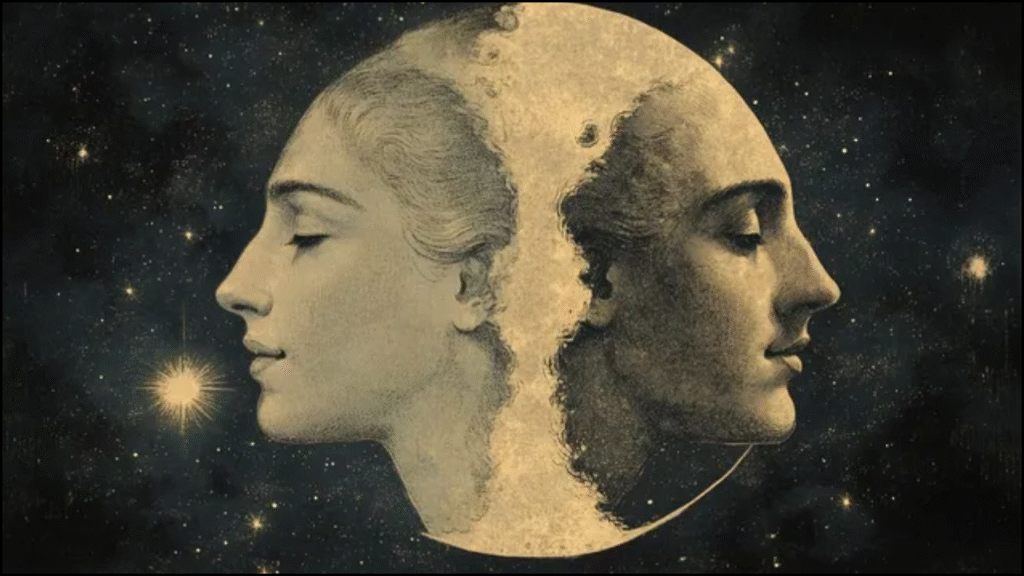
- Her dual nature — luminous and shadowed — reflects the waxing and waning of the moon, mirroring both creation and chaos.
Key Traits of Huitaca
| Aspect | Description |
|---|---|
| Origin | Muisca civilization (Colombia) |
| Domains | Joy, art, rebellion, and the moon |
| Symbolism | Liberation, wisdom, transformation |
| Conflict | Opposed Bochica’s moral order |
| Outcome | Turned into an owl, symbol of hidden knowledge |
| Representation | The moon’s dark, defiant side |
Selene and Artemis – The Greek Lunar Archetypes
- Selene personified the moon itself in Greek mythology, representing grace, calmness, and divine beauty.
- Riding her silver chariot across the night sky, she illuminated the world with gentle and maternal light.
- Her association with love and emotion connects her to the human heart, unlike Huitaca, who channels passion into rebellion.
- Artemis, another Greek lunar figure, embodied independence and virginity, often guarding the wilderness and young women.
- Where Huitaca’s joy was sensual and expressive, Artemis’s independence was stoic and pure, highlighting two different versions of feminine autonomy.
Huitaca vs. Greek Moon Goddesses
| Feature | Huitaca | Selene/Artemis |
|---|---|---|
| Cultural Origin | Muisca (Colombia) | Greek |
| Personality | Joyful, rebellious, transformative | Calm, chaste, protective |
| Symbolic Role | Liberation through indulgence | Harmony through restraint |
| Moral Outlook | Challenges authority | Upholds divine order |
| Symbol | Owl and full moon | Crescent moon and bow |
Ix Chel – The Maya Lunar Weaver
- In Mayan culture, Ix Chel was a moon goddess of fertility, childbirth, and weaving.
- Like Huitaca, she had dual aspects — a young maiden of creation and an old woman of destruction.
- Ix Chel governed both life-giving rain and catastrophic floods, similar to Huitaca’s balance between pleasure and punishment.
- Her wisdom in medicine and weaving connected her to female creativity and transformation.
- Unlike Huitaca, Ix Chel worked closely with nature’s cycles, emphasizing renewal and balance rather than defiance.
Huitaca vs. Ix Chel
| Feature | Huitaca | Ix Chel |
|---|---|---|
| Civilization | Muisca (Colombia) | Maya (Mesoamerica) |
| Main Domains | Freedom, pleasure, rebellion | Fertility, healing, weaving |
| Personality | Defiant and transformative | Nurturing and cyclical |
| Symbolism | The moon’s dark, hidden power | The moon’s regenerative rhythm |
| Cultural Role | Symbol of resistance | Guardian of fertility and creation |
Chandra and the Indian Lunar Tradition
- In Hindu mythology, Chandra (also called Soma) is the male moon deity, representing the mind, emotion, and time.
- The moon’s cyclical phases correspond to the rhythms of life and mental change.
- While Huitaca’s lunar symbolism centers on feminine freedom, Chandra’s represents spiritual balance and introspection.
- Both share a link to wisdom and transformation, though expressed differently — Huitaca through rebellion, Chandra through contemplation.
- Chandra’s radiance is said to soothe the soul, while Huitaca’s moonlight stirs human emotion and creativity.
Huitaca vs. Chandra
| Feature | Huitaca | Chandra |
|---|---|---|
| Culture | Muisca (Colombia) | Hindu (India) |
| Gender | Female | Male |
| Symbolism | Emotional freedom, sensuality | Mind, balance, introspection |
| Role in Myth | Rebel against divine order | Celestial timekeeper |
| Energy Type | Dynamic and passionate | Calm and reflective |
Tsukuyomi – The Japanese Moon Deity
- In Japanese Shinto mythology, Tsukuyomi-no-Mikoto is a male moon god born from the creator god Izanagi.
- He is often associated with discipline, purity, and moral order, directly opposing Huitaca’s themes of indulgence and joy.
- A myth tells of Tsukuyomi killing the food goddess Uke Mochi for impurity, which caused the separation of the sun and moon — day and night.
- This contrasts with Huitaca’s joyful rebellion, as Tsukuyomi represents control and judgment, not liberation.
- Both deities, however, share a link to balance and consequence, illustrating how moonlight can reveal both beauty and truth.
Huitaca vs. Tsukuyomi
| Feature | Huitaca | Tsukuyomi |
|---|---|---|
| Origin | Muisca (Colombia) | Japan |
| Gender | Female | Male |
| Nature | Sensual, rebellious, artistic | Moral, disciplined, detached |
| Symbolism | Emotional liberation | Cosmic order |
| Mythic Role | Defies authority | Enforces purity and justice |
Luna and the Roman Reflection
- The Roman goddess Luna is the counterpart of the Greek Selene, embodying the divine light of night and maternal protection.
- She guided lovers, farmers, and travelers with her gentle glow.
- In contrast, Huitaca’s moonlight is not soothing but intoxicating and transformative, urging humans to embrace passion and creativity.
- Luna’s worship focused on stability and peace, while Huitaca’s stories centered on change and rebellion.
- Both, however, emphasize the moon’s power to influence human emotion and destiny.
Huitaca vs. Luna
| Feature | Huitaca | Luna |
|---|---|---|
| Civilization | Muisca (Colombia) | Roman |
| Mood | Wild and liberating | Calm and nurturing |
| Symbolism | Freedom and sensual wisdom | Purity and serenity |
| Influence | Inspires art and rebellion | Promotes order and peace |
| Worship | Celebratory and ecstatic | Formal and reverent |
Shared Symbolism Across Cultures
- Across civilizations, the moon is a bridge between emotion and intellect, life and death, order and chaos.
- Huitaca, unlike most lunar deities, openly celebrates pleasure, art, and rebellion, embodying the untamed side of the feminine spirit.
- Other moon goddesses, such as Selene and Luna, reflect serenity and grace, while figures like Ix Chel reveal nurturing and cyclic power.
- Male moon deities, such as Chandra and Tsukuyomi, emphasize rationality and discipline, balancing emotional and moral elements.
- The universal connection lies in the cyclical nature of the moon, representing change, transformation, and the constant tension between light and darkness.
Cultural Meaning of the Moon’s Duality
- The moon serves as a mirror of human nature, showing both serenity and turmoil.
- Huitaca’s story highlights the cost and beauty of freedom, contrasting cultures that valued obedience and order.
- Her transformation into an owl reinforces the message that wisdom can emerge from rebellion.
- The coexistence of different lunar figures across civilizations reveals a shared spiritual understanding — that divine femininity encompasses both creation and disruption.
- Through Huitaca, humanity learns that liberation and consequence are two sides of the same cosmic coin.
Last Words
The comparison of Huitaca with other lunar deities reveals the richness of global mythology and humanity’s shared fascination with the moon’s mystery. Each culture projects its values and fears onto the lunar figure — whether as a gentle mother, a stern guardian, or a rebellious artist. Huitaca’s legacy stands apart for her celebration of joy, independence, and the human spirit’s refusal to be constrained. Her story reminds us that light and shadow coexist within all creation, and that true wisdom lies in embracing both. Through her, the Muisca people offered a profound message that continues to resonate across the world: freedom, like the moon, shines brightest when it dares to defy the darkness.