The Muisca mythology of ancient Colombia contains profound tales that intertwine nature, morality, and cosmic order. Among the most fascinating figures are Huitaca and Chía, two goddesses who represent contrasting yet interconnected aspects of femininity, wisdom, and lunar influence. While Chía embodies harmony, fertility, and light, Huitaca symbolizes rebellion, joy, and liberation. Together, they illustrate how the Muisca people understood balance in the universe — a coexistence of order and chaos, virtue and indulgence, control and freedom.
Table of Contents
The Divine Feminine in Muisca Belief
- The Muisca civilization viewed the moon as a symbol of fertility, transformation, and timekeeping.
- Women were closely associated with lunar cycles, connecting them to agricultural rhythms and childbirth.
- Huitaca and Chía were seen as two manifestations of the same cosmic principle, reflecting both the nurturing and disruptive forces of nature.
- Their duality helped explain natural phenomena such as the waxing and waning of the moon, symbolizing life’s constant cycle of balance and renewal.
Chía: The Benevolent Moon Goddess
- Chía was revered as the protector of women, love, and fertility.
- She was married to Sué, the Sun god, forming a celestial pair that governed day and night.
- The Muisca people built a temple in her honor at Chía, near present-day Bogotá, which served as a major center of lunar worship.
- Chía’s light was believed to guide travelers and ensure the fertility of the land and people.
- Priests used her lunar phases to organize agricultural calendars and ceremonial events.
Attributes of Chía
| Aspect | Description |
|---|---|
| Domain | Moon, fertility, love, and protection |
| Symbolism | Harmony, order, and divine guidance |
| Temples | Main sanctuary in Chía, near Bacatá (Bogotá) |
| Association | Wife of Sué, the Sun god |
| Cultural Role | Timekeeper for agriculture and religious ceremonies |
Huitaca: The Goddess of Pleasure and Rebellion
- Huitaca stood in contrast to Chía, embodying freedom, sensuality, and defiance.
- She taught humans the joy of dance, art, and celebration, encouraging them to live life fully.
- Her independence and disregard for patriarchal authority made her both beloved and feared.
- According to the Muisca myth, Huitaca opposed Bochica, the wise teacher-god, who promoted discipline and austerity.
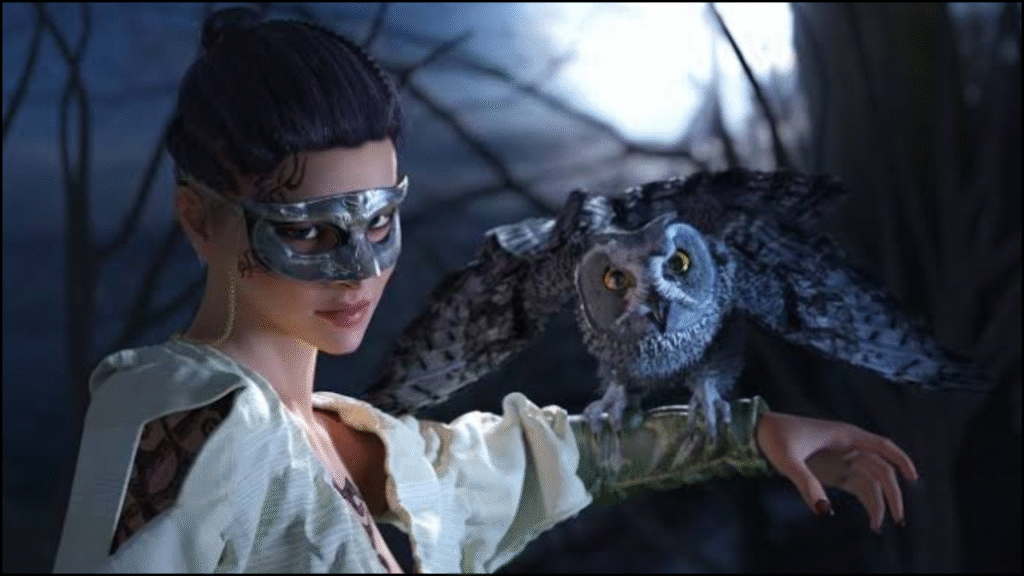
- Her defiance led to punishment — in some versions, Bochica transformed her into an owl, symbolizing wisdom hidden in darkness.
Attributes of Huitaca
| Aspect | Description |
|---|---|
| Domain | Joy, freedom, pleasure, and rebellion |
| Symbolism | The moon’s dark side, sensuality, and defiance |
| Transformation | Turned into an owl by Bochica |
| Cultural Role | Patroness of art, dance, and liberation |
| Legacy | Representation of feminine independence and resistance |
Duality of Light and Darkness
- The relationship between Huitaca and Chía mirrors the dual nature of the moon itself — bright and visible one moment, shadowed the next.
- Chía’s calm radiance balanced Huitaca’s fiery passion, ensuring equilibrium in the moral and cosmic order.
- This duality reinforced the Muisca understanding that life required both restraint and indulgence.
- The myths served as moral allegories, teaching people that joy without wisdom leads to chaos, but excessive control suppresses the spirit.
- Together, the two goddesses illustrated the complementary forces of creation and destruction essential for harmony.
Bochica and the Conflict of Ideals
- Bochica, a central figure in Muisca mythology, represented order, virtue, and enlightenment.
- His teachings clashed with Huitaca’s ideals of pleasure and freedom, creating a cosmic struggle between discipline and desire.
- The conflict symbolized societal tensions between spiritual restraint and human indulgence.
- Huitaca’s transformation by Bochica marked the suppression of chaos by moral authority, yet her spirit continued to influence Muisca festivals and traditions.
- The coexistence of both deities suggested that no aspect of human emotion or nature was inherently evil, only in need of balance.
Symbolism in Art and Ritual
- Muisca artisans depicted lunar symbols on pottery, goldwork, and textiles, representing Chía’s nurturing influence and Huitaca’s wild beauty.
- Ceremonies held during full moons honored Chía’s fertility and Huitaca’s creative energy, showing reverence for both sides of the lunar cycle.
- Female priests and dancers often performed rituals embodying both deities, illustrating the cyclic power of womanhood and nature.
- Huitaca’s owl form appeared in carvings and ornaments, symbolizing hidden wisdom and nocturnal strength.
- Chía’s crescent symbol was used to mark time, purity, and divine protection in religious calendars.
Influence on Gender and Society
- The myths of Chía and Huitaca shaped Muisca gender roles and values.
- Women were respected as bearers of life and wisdom, but also cautioned against Huitaca’s excessive independence.
- The duality reinforced the idea that feminine power was both sacred and unpredictable.
- In daily life, this translated into balanced social expectations — women could be leaders, artisans, and priestesses, but were expected to uphold social harmony.
- The reverence for lunar goddesses reflected the integration of spiritual and natural worlds in Muisca culture.
Legacy of the Moon Goddesses
- The stories of Chía and Huitaca survived colonization and Christian reinterpretation, merging with later legends of the Virgin and the Witch.
- Modern Colombian culture continues to celebrate lunar symbolism in festivals, art, and folklore.
- The myth serves as a metaphor for the ongoing tension between conformity and individuality, particularly in discussions about women’s freedom.
- The goddess pair remains an enduring reminder of Colombia’s indigenous heritage and its nuanced understanding of duality.
Comparison of Chía and Huitaca
| Characteristic | Chía | Huitaca |
|---|---|---|
| Primary Aspect | Order and harmony | Rebellion and freedom |
| Symbolic Element | Light and fertility | Darkness and wisdom |
| Associated Element | Water and reflection | Night and transformation |
| Moral Representation | Discipline and virtue | Pleasure and independence |
| Outcome in Myth | Worshipped as divine consort | Punished and transformed into an owl |
| Cultural Impact | Guiding moral structure | Worshipped as a divine consort |
Final Analysis
The mythology of Huitaca and Chía offers deep insight into the Muisca worldview, where balance defined existence. The two lunar goddesses reflected not opposition but interdependence — one nurturing order, the other inspiring rebellion. Their stories continue to symbolize the eternal dialogue between light and shadow, wisdom and desire, conformity and freedom. In honoring both Chía and Huitaca, the Muisca people recognized that true harmony arises not from suppression, but from the acceptance of duality within the human and cosmic spirit.