Huitaca, the radiant goddess of joy, freedom, and rebellion, stands as one of the most fascinating deities in Muisca mythology. Celebrated for her wisdom, sensuality, and independence, she challenged the moral strictness imposed by Bochica, the wise lawgiver of the Muisca people. Her story embodies a struggle between freedom and order, passion and restraint. Understanding Huitaca’s myth reveals the depth of Muisca cosmology, where divine forces represented not only good and evil but also balance and transformation.
Table of Contents
Identity and Origin of Huitaca
Huitaca, also known as Chía or Xubchasgagua in certain traditions, was a lunar goddess associated with beauty, pleasure, and wisdom.
She embodied the principles of liberation, creativity, and indulgence in contrast to the ascetic teachings of Bochica.
Myths describe her as a celestial being who descended to Earth to teach people the arts of happiness, dance, and love.
Her rebellion against strict moral codes made her both admired and feared.
Huitaca’s duality—as nurturer and disruptor—symbolized the complex nature of human emotion and spiritual freedom.
Attribute
Description
Domain
Joy, freedom, pleasure, and wisdom
Symbol
Moon, owl, and serpent
Associated Deity
Bochica (lawgiver and moral teacher)
Representation
Beautiful woman with luminous eyes
Nature
Rebellious, wise, transformative
Myth of Huitaca and Bochica
The most famous Muisca legend depicts a conflict between Huitaca and Bochica.
Huitaca promoted enjoyment, laughter, and sensual pleasures, while Bochica emphasized discipline, morality, and restraint.
According to myth, her teachings led people to indulge in excess and abandon Bochica’s laws.
Angered by this rebellion, Bochica punished Huitaca by transforming her into an owl and banishing her to the night sky.
This transformation linked her with the moon, darkness, and feminine wisdom, turning punishment into empowerment.
Event
Symbolic Meaning
Descent of Huitaca
Divine freedom enters human world
Rebellion against Bochica
Conflict between passion and order
Transformation into an Owl
Transition from defiance to enlightenment
Association with the Moon
Cyclical renewal and hidden power
Legacy of Joy and Wisdom
Continuation of feminine resistance
Symbolism of Huitaca
Huitaca represented feminine freedom, celebrating desire, creativity, and self-expression.
The owl, her sacred animal, symbolized intuition, mystery, and nocturnal wisdom.
The moon, her celestial counterpart, embodied transformation, cycles, and emotional depth.
Her defiance of authority reflected the tension between individual will and social conformity.
Muisca women saw in her a divine protector of independence and sensuality.
Symbol
Representation
Cultural Meaning
Owl
Night, wisdom, and transformation
Vision beyond darkness
Moon
Feminine power and renewal
Cycles of life and emotion
Dance and Music
Celebration and vitality
Joy as spiritual liberation
Serpent
Energy and fertility
Connection with earth and rebirth
Light and Shadow
Balance of dual forces
Harmony between freedom and responsibility
Huitaca’s Role in Muisca Cosmology
The Muisca viewed the cosmos as a delicate balance between opposing forces.
Huitaca embodied the yin to Bochica’s yang—pleasure countering austerity, emotion balancing logic.
Her presence ensured that human existence included not just duty, but also laughter, creativity, and beauty.
While Bochica established order through rules and ethics, Huitaca reminded people that joy and art also nurtured the spirit.
Her story highlighted the Muisca understanding that true harmony emerged from the coexistence of opposites.
Worship and Representation of Huitaca
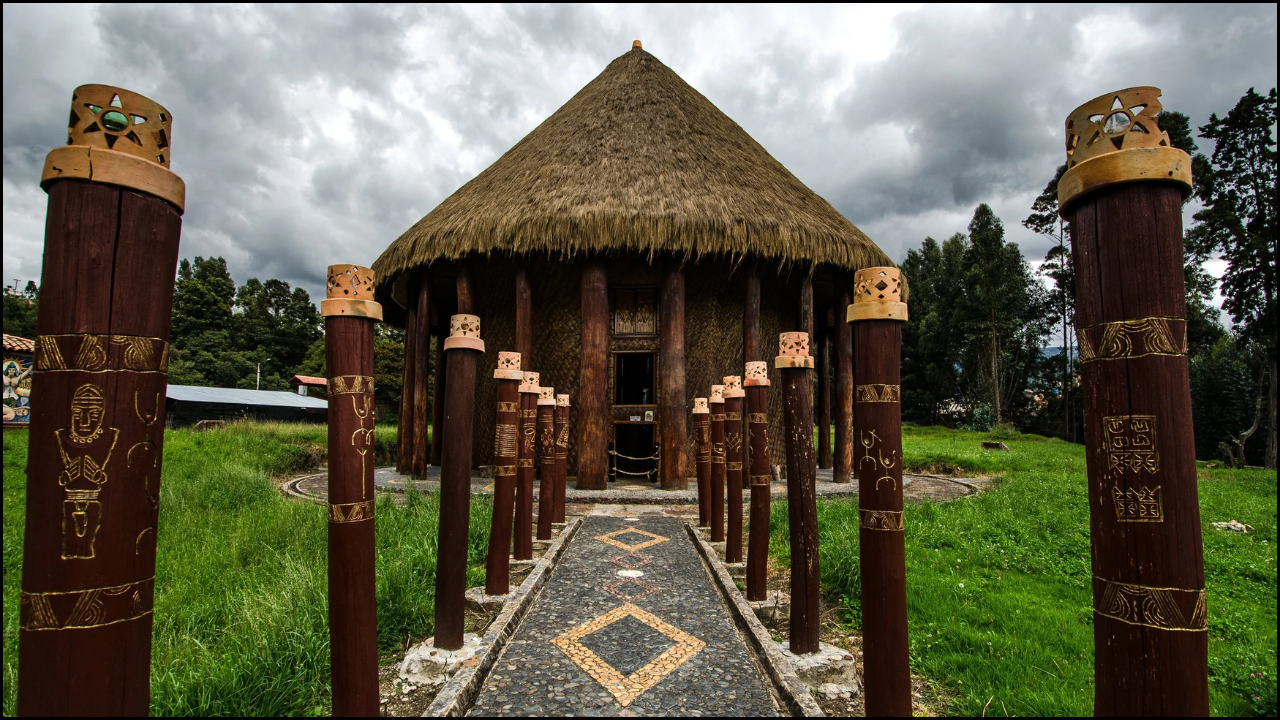
Worship of Huitaca took place in temples dedicated to lunar rituals, often under moonlight.
Priestesses and women played central roles in her ceremonies, reflecting her connection with feminine energy.
Rituals involved dance, music, and offerings of chicha (a fermented maize drink) to honor joy and abundance.
Gold and ceramic figurines depicting women with owl features symbolized her dual form.
While some Muisca leaders discouraged her worship due to its association with indulgence, her cult persisted among common people.
Ritual Element
Description
Temple Sites
Located in lunar worship centers like Chía
Priestesses
Female leaders conducting rituals of joy and fertility
Offerings
Chicha, flowers, and gold ornaments
Symbolic Acts
Dancing and singing under moonlight
Cultural Role
Celebration of emotional and spiritual freedom
Huitaca as a Feminine Archetype
Huitaca stands as an archetype of the rebel woman, challenging societal norms and male authority.
Her myth symbolizes empowerment, self-expression, and the right to pleasure.
She rejected subservience and sought equality with Bochica, making her one of the earliest representations of feminine resistance in the Andes.
Modern interpretations see her as a symbol of liberation and balance between body and spirit.
Huitaca’s defiance continues to inspire discussions about gender, spirituality, and autonomy in Colombian culture.
Artistic Depictions and Archaeological Evidence
Archaeological findings reveal ceramic and gold figures that may represent Huitaca’s owl-like form.
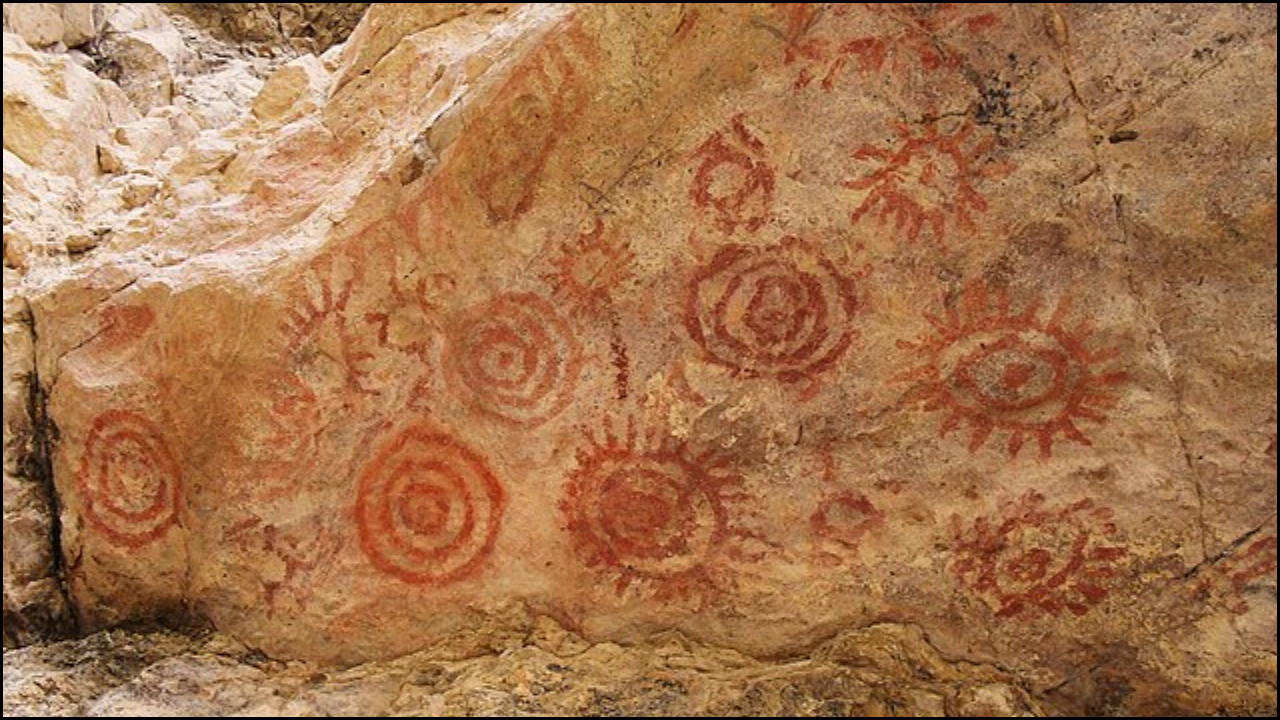
Ancient vessels decorated with lunar symbols and female figures point to her worship.
Gold pendants shaped as owls or crescent moons suggest her role in personal devotion.
The Bacatá (Bogotá) region and Chía, whose name means “Moon” in the Chibcha language, were central to her cult.
Artistic depictions emphasize her beauty, sensuality, and luminous presence as a goddess of transformation.
Artifact Type
Material
Possible Interpretation
Ceramic Figurines
Clay
Representation of Huitaca’s human form
Gold Pendants
Tumbaga alloy
Symbol of lunar and feminine power
Owl-Shaped Amulets
Stone or gold
Connection with night and wisdom
Moon Symbols
Engraved pottery
Lunar cycles and divine femininity
Temple Artifacts
Ceremonial ceramics
Offerings for fertility and pleasure
Huitaca’s Legacy in Modern Culture
Modern Colombian mythology and literature reimagine the Huitaca as a symbol of freedom and resilience.
Artists, feminists, and writers celebrate her as a representation of women’s autonomy and joy.
The town of Chía, named after her, remains an important cultural reminder of her influence.
Festivals, artworks, and performances across Colombia honor her as the goddess who dared to challenge divine law.
Huitaca has become a timeless figure representing the pursuit of happiness and balance within chaos.
Moral and Philosophical Interpretations
The myth of Huitaca and Bochica expresses a moral dialogue about balance rather than punishment.
Her rebellion illustrates the necessity of emotion, passion, and freedom in human experience.
The story warns against the extremes of repression, suggesting that joy is as divine as virtue.
Through Huitaca, the Muisca conveyed that creativity, beauty, and desire were not sins but sacred expressions of life.
Her transformation into an owl serves as a metaphor for wisdom born from defiance and enlightenment through experience.
Wrapping Up
Huitaca remains a radiant symbol of freedom, rebellion, and joy in Muisca mythology. Her defiance of rigid moral codes reflected the timeless human struggle between restraint and liberation. As the goddess who danced under the moon and spoke for pleasure, creativity, and wisdom, she continues to inspire reverence for emotional and spiritual balance. Her story transcends myth, standing as a reminder that freedom, like the moonlight she governs, cannot be contained — it only transforms, guiding humanity through the darkness toward understanding and renewal.
She is a creative and dedicated content writer who loves turning ideas into clear and engaging stories. She writes blog posts and articles that connect with readers. She ensures every piece of content is well-structured and easy to understand. Her writing helps our brand share useful information and build strong relationships with our audience.