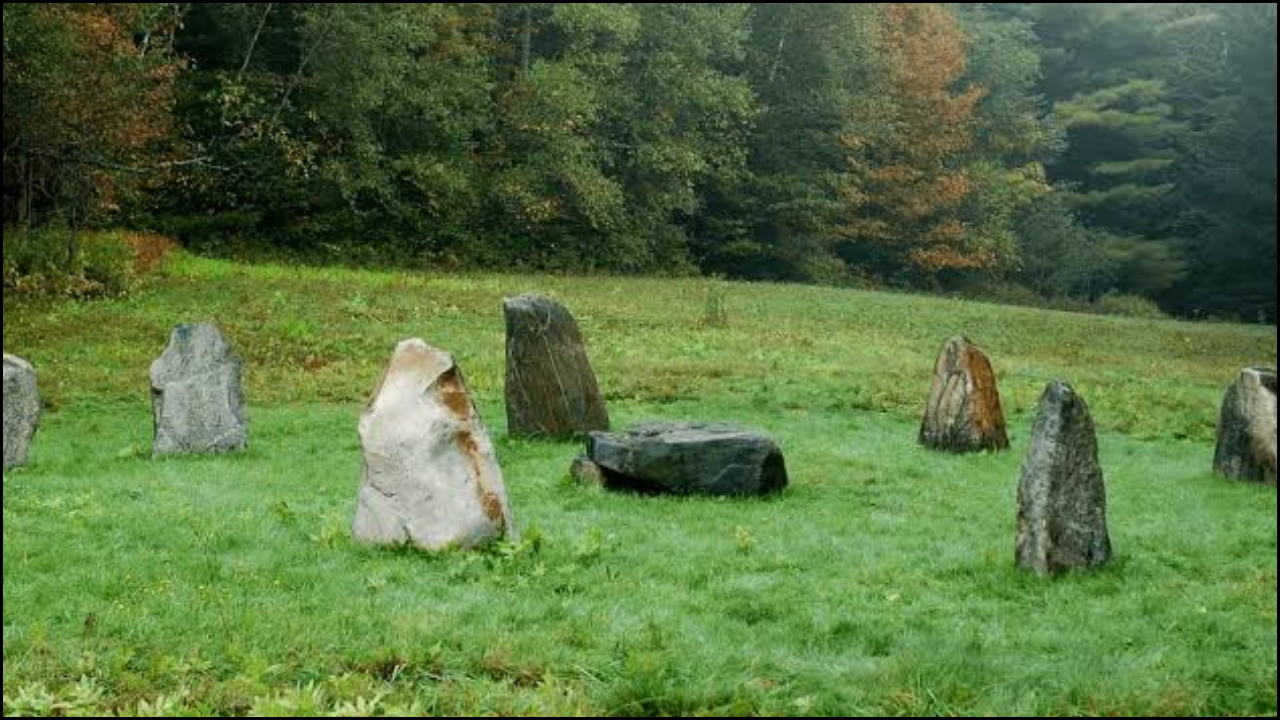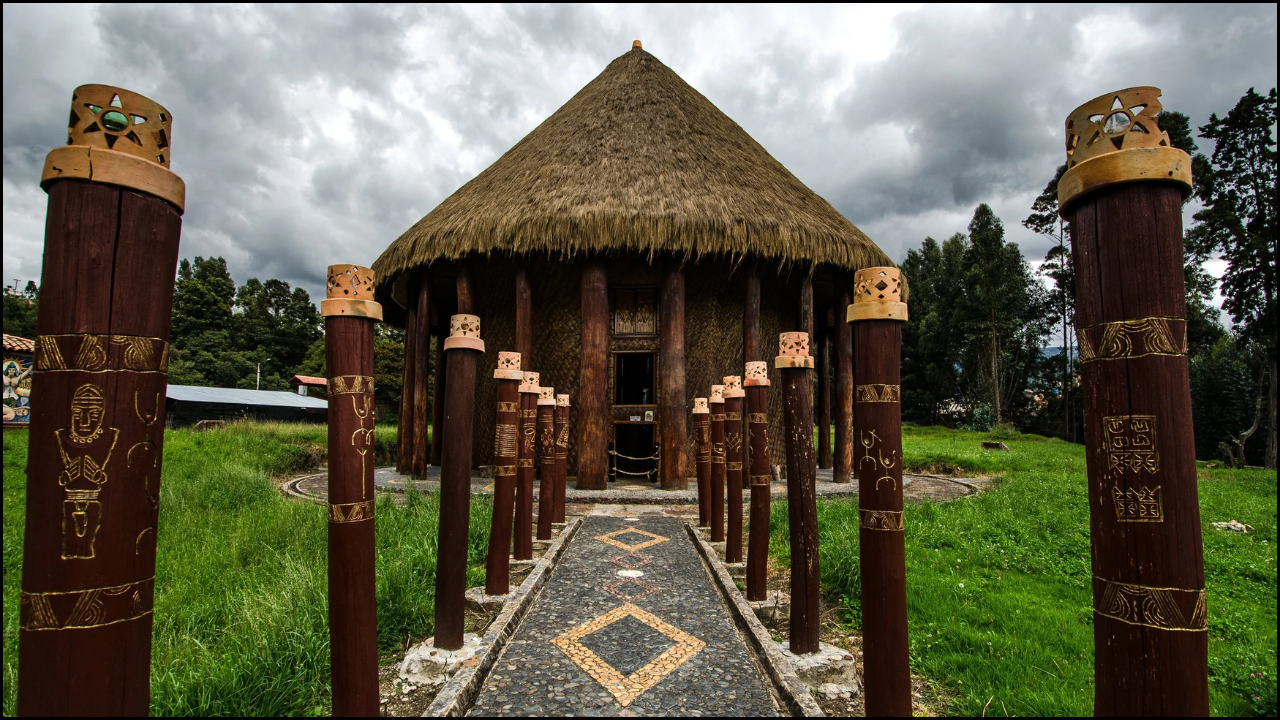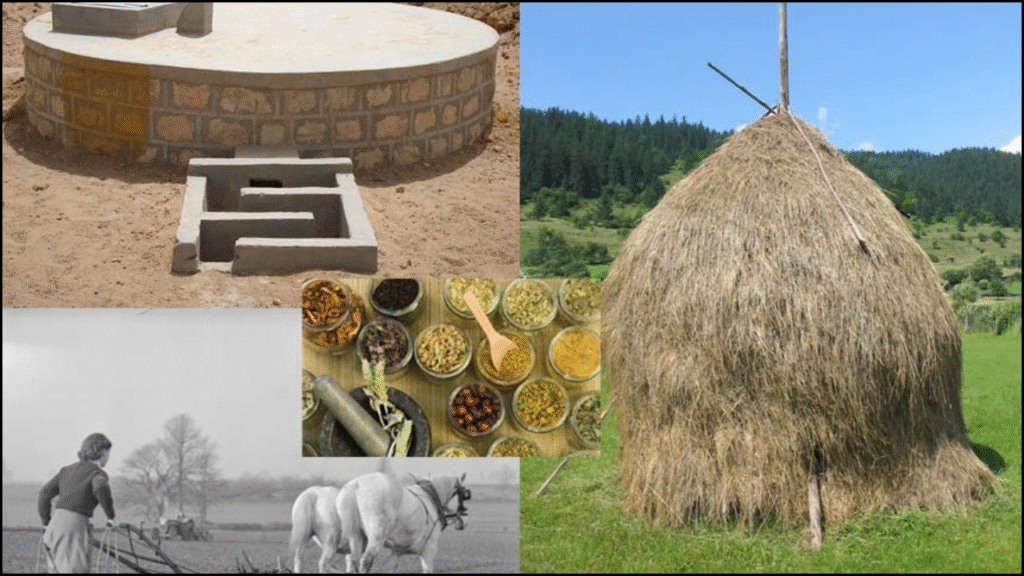
Indigenous knowledge systems represent centuries of observation, experimentation, and adaptation to local environments. These systems embody practical, spiritual, and ecological wisdom that guides sustainable interaction with nature. Across the world, indigenous communities have developed methods for agriculture, forestry, water management, and wildlife conservation that maintain biodiversity and ecosystem health. Their knowledge emphasizes the interconnectedness of humans, land, and non-human species, providing models for modern environmental conservation.
Table of Contents
Core Principles of Indigenous Knowledge Systems
- Holistic worldview: Nature, humans, and spiritual forces are interconnected; environmental decisions consider ecological, social, and spiritual outcomes.
- Reciprocity: Humans take resources in ways that ensure renewal and long-term sustainability.
- Ethical stewardship: Respect for land, water, and wildlife is morally and spiritually mandated.
- Observation and experimentation: Detailed knowledge of climate, soil, species behavior, and ecological cycles informs practical decision-making.
- Oral transmission: Knowledge is passed down through stories, rituals, songs, and apprenticeship, maintaining cultural continuity.
| Principle | Application in Environmental Conservation |
|---|---|
| Holistic worldview | Integrated land-use planning, ecosystem management |
| Reciprocity | Sustainable harvesting of plants, animals, and timber |
| Ethical stewardship | Sacred groves, taboos, and protection of endangered species |
| Observation and experimentation | Agroforestry, crop rotation, and water conservation |
| Oral transmission | Community education and ecological knowledge preservation |
Agriculture and Land Management
- Indigenous communities often use agroecological practices that enhance soil fertility, prevent erosion, and increase crop diversity.
- Techniques such as terracing, polyculture, and intercropping are designed to maintain ecosystem balance.
- Sacred forests and groves serve as refugia for biodiversity while providing ecosystem services like water retention and soil stabilization.
- Rotational hunting and harvesting prevent overexploitation of natural resources.
- Seasonal and lunar calendars guide planting and harvesting, aligning human activity with natural cycles.
| Practice | Environmental Benefit | Cultural Context |
|---|---|---|
| Terracing | Prevents soil erosion | Sacred mountains often preserved terraces |
| Polyculture | Maintains soil fertility | Rituals often accompany planting cycles |
| Sacred groves | Protects biodiversity | Spiritual beliefs restrict cutting or hunting |
| Rotational harvesting | Prevents depletion | Ethical codes and taboos enforced by elders |
| Seasonal farming | Aligns with rainfall and fertility cycles | Guided by lunar and solar observations |
Water and Forest Conservation
- Water sources such as lakes, rivers, and springs are treated as living entities; sustainable usage is enforced through cultural protocols.
- Forests are managed to provide timber, food, medicine, and spiritual refuge without degrading ecosystems.
- Practices include selective logging, controlled burns, and replanting, ensuring resilience against natural disasters.
- Rituals often celebrate and reinforce the sacredness of water and forests, linking spiritual respect to ecological protection.
- Indigenous knowledge emphasizes the interdependence of terrestrial and aquatic systems, highlighting watershed management.
Wildlife and Biodiversity Protection
- Indigenous hunting and fishing practices are guided by taboos, seasons, and quotas, preventing overexploitation.
- Certain animals and plants are considered sacred or ancestral, ensuring their preservation.
- Habitat protection is achieved through territorial zoning and community-enforced boundaries.
- Conservation knowledge includes animal behavior, migration patterns, and plant regeneration, informing sustainable resource use.
- Community participation in rituals and festivals strengthens cultural and ecological responsibility.
| Wildlife Practice | Conservation Outcome | Cultural Significance |
|---|---|---|
| Seasonal hunting bans | Prevents population decline | Observance of ancestral laws |
| Sacred species protection | Maintains biodiversity | Spiritual reverence for animals |
| Habitat zoning | Preserves ecosystems | Community-enforced ethical norms |
| Observation of migration patterns | Sustainable resource planning | Oral transmission of ecological knowledge |
| Festival offerings | Reinforces conservation ethics | Strengthens communal ties with nature |
Modern Applications and Integration
- Indigenous knowledge is increasingly integrated into national and global conservation strategies.
- Community-based conservation initiatives use traditional ecological knowledge to manage protected areas.
- Sustainable agriculture, agroforestry, and water management programs draw upon indigenous practices for climate adaptation.
- Recognition of indigenous land rights enhances ecological resilience and biodiversity protection.
- Partnerships between scientists and indigenous communities enable knowledge exchange, enriching both modern and traditional conservation approaches.
Wrapping Up
Indigenous knowledge systems provide a profound model for environmental conservation, combining spiritual, ethical, and practical wisdom. By viewing land, water, forests, and wildlife as living and interconnected entities, indigenous communities ensure sustainability, ecological balance, and social cohesion. Their practices—ranging from agriculture and forest management to wildlife protection—demonstrate the effectiveness of holistic, culturally informed conservation strategies. Modern environmental efforts can learn from these systems, integrating traditional knowledge to address ecological challenges while respecting cultural heritage.