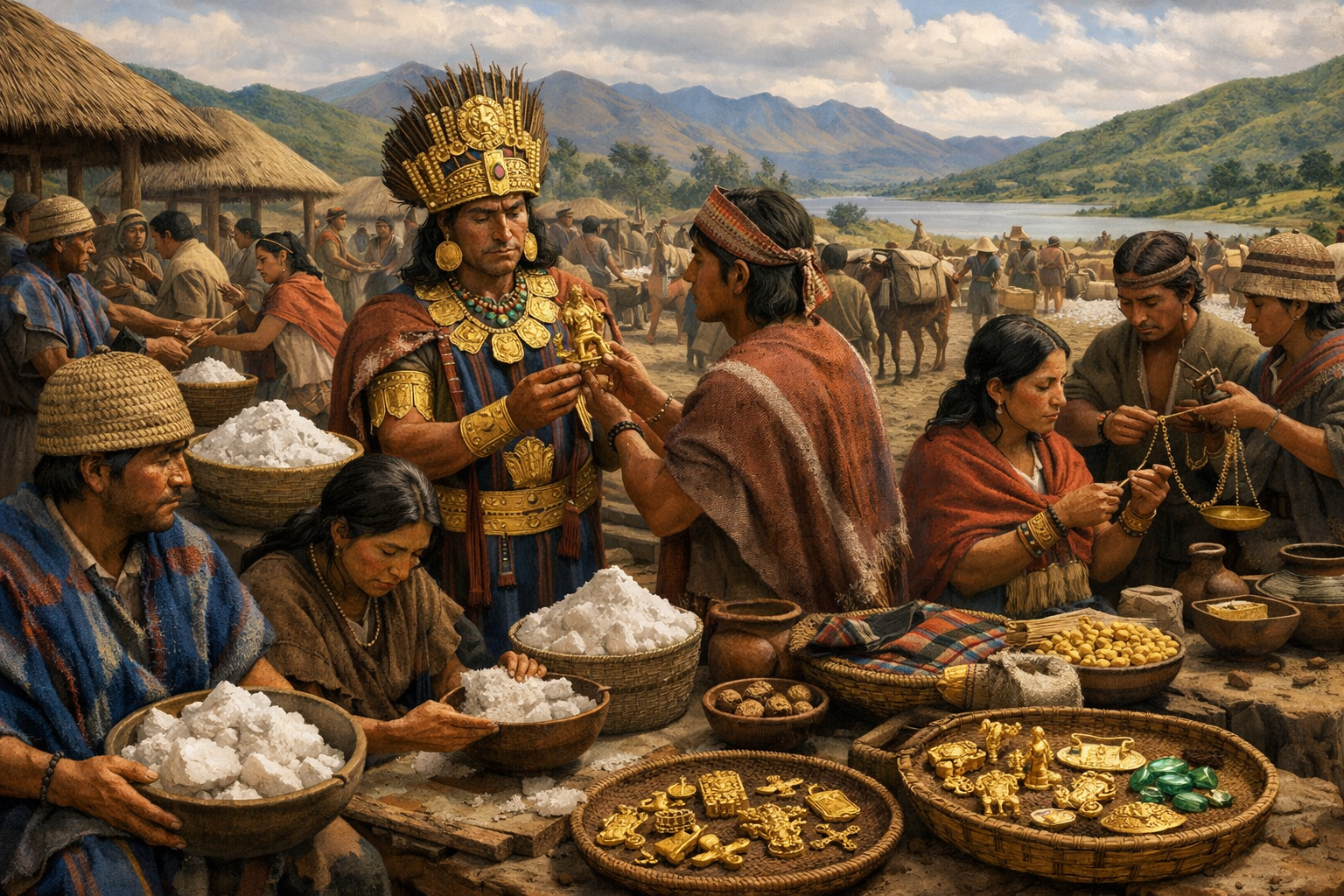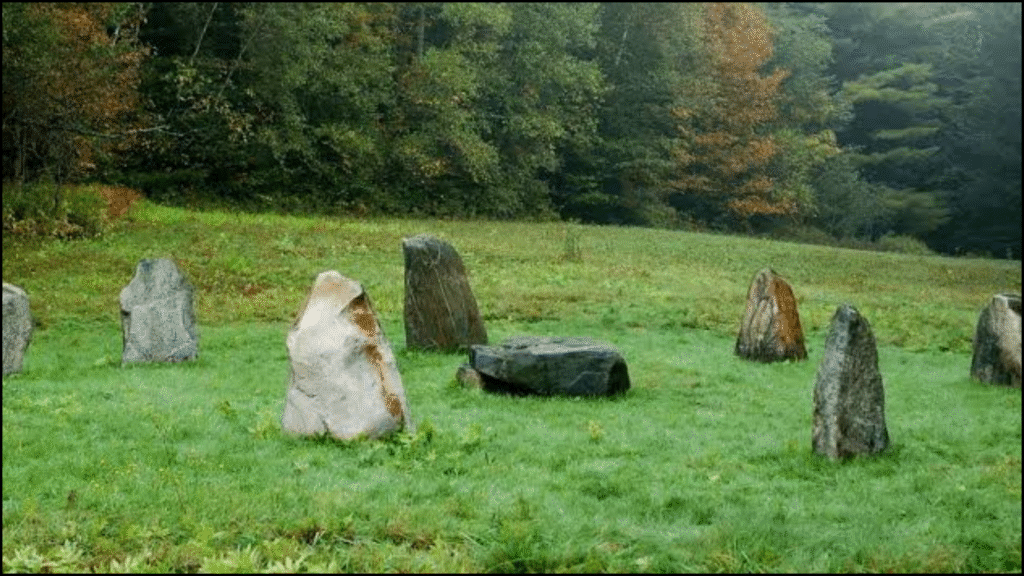
Land is regarded as sacred in many indigenous cultures, reflecting a worldview in which humans, nature, and the spiritual realm are intimately connected. Indigenous perspectives perceive the environment not merely as a resource but as a living entity that embodies ancestral presence, spiritual forces, and cosmic order. Harmony with the land is achieved through ritual, ethical conduct, and sustainable stewardship, linking ecology, culture, and spiritual practice. These perspectives emphasize that environmental health and human well-being are inseparable.
Table of Contents
Sacredness of the Land
- Indigenous peoples often view mountains, rivers, forests, and lakes as inhabited by spirits, ancestors, or deities.
- The land is considered a living organism, requiring respect, care, and ritual acknowledgment.
- Sacred sites serve as ceremonial centers, ecological markers, and sources of guidance for human activity.
- Place names, myths, and oral traditions encode ecological knowledge and spiritual values, ensuring continuity across generations.
- Disrespect or overexploitation is believed to disrupt cosmic balance, leading to misfortune, ecological decline, or infertility.
| Natural Feature | Spiritual Significance | Ecological Role |
|---|---|---|
| Mountains | Guardians and sacred intermediaries | Source of rivers, biodiversity |
| Rivers | Life-giving spirits | Irrigation, fish, transport |
| Forests | Habitat of spirits | Biodiversity, soil stabilization |
| Lakes | Wombs of creation | Water storage, ceremonial purification |
| Agricultural fields | Living earth | Food production, soil fertility |
Ritual and Ethical Stewardship
- Ritual practices affirm human responsibility to maintain harmony with the land.
- Offerings, libations, and prayers are made to honor spirits and ensure ecological fertility.
- Agricultural activities, such as planting and harvesting, are timed with lunar cycles, seasonal changes, or celestial events, linking work to cosmic rhythms.
- Sacred protocols often dictate resource management, such as rotational harvesting, fishing restrictions, and protection of certain species.
- Ethical conduct ensures that human needs do not compromise ecological or spiritual balance, emphasizing reciprocity rather than domination.
Integration of Spirituality and Ecology
- Sacred landscapes function as both spiritual centers and ecological monitors.
- Spiritual understanding informs sustainable land use, biodiversity preservation, and water management.
- Deities or spirits are often associated with fertility, growth, weather, and seasonal cycles, guiding human activity.
- Festivals and rituals reinforce community cohesion and ecological awareness, linking culture to environmental practice.
- Knowledge is transmitted orally and through ritual practice, maintaining both spiritual and ecological wisdom.
| Spiritual Concept | Ecological Implication | Practice |
|---|---|---|
| Reciprocity with spirits | Sustainable resource use | Offerings before harvesting or hunting |
| Fertility rites | Soil and crop health | Ritual planting and harvest ceremonies |
| Sacred prohibition | Protection of ecosystems | Taboos on cutting trees or fishing certain areas |
| Ancestral guidance | Environmental memory | Oral transmission of ecological knowledge |
| Cosmic alignment | Seasonal planning | Lunar or solar timing of agriculture and rituals |
Case Studies of Indigenous Perspectives
- Muisca (Colombia): Sacred lakes, mountains, and terraces maintained ecological balance while reinforcing spiritual cosmology.
- Andean Quechua: Apus (mountain spirits) guided water management, crop rotation, and seasonal festivals.
- Native North American tribes: The “Three Sisters” agricultural system honored spiritual cycles, soil fertility, and biodiversity.
- Pacific Island communities: Land and sea taboos preserved reef and forest ecosystems, integrating spiritual belief with resource sustainability.
Sustainability and Modern Relevance
- Indigenous practices demonstrate that spirituality can inform ecological stewardship.
- Respect for sacred landscapes promotes biodiversity conservation, soil health, and water security.
- Ethical land use based on ritual observance teaches long-term sustainability over short-term exploitation.
- Modern environmental movements increasingly recognize the value of indigenous knowledge in conservation and climate adaptation.
- Sacred land perspectives encourage societies to view humans as part of nature, rather than separate or dominant.
| Principle | Modern Application |
|---|---|
| Land as living | Ecosystem-based management, conservation ethics |
| Ritual reciprocity | Sustainable agriculture, community-led stewardship |
| Sacred restrictions | Protected areas, biodiversity preservation |
| Oral knowledge | Indigenous-led conservation programs |
| Cosmic alignment | Climate-sensitive agricultural planning |
The Way Forward
Indigenous perspectives on land as sacred reveal a holistic understanding of ecology, spirituality, and human responsibility. By recognizing the land as a living, spiritual entity, indigenous communities maintain harmony between human activity and environmental cycles. Ritual, ethical stewardship, and respect for sacred landscapes ensure fertility, ecological balance, and social cohesion. These perspectives offer invaluable lessons for modern sustainability, emphasizing that environmental health is inseparable from cultural, spiritual, and ethical engagement with the natural world.