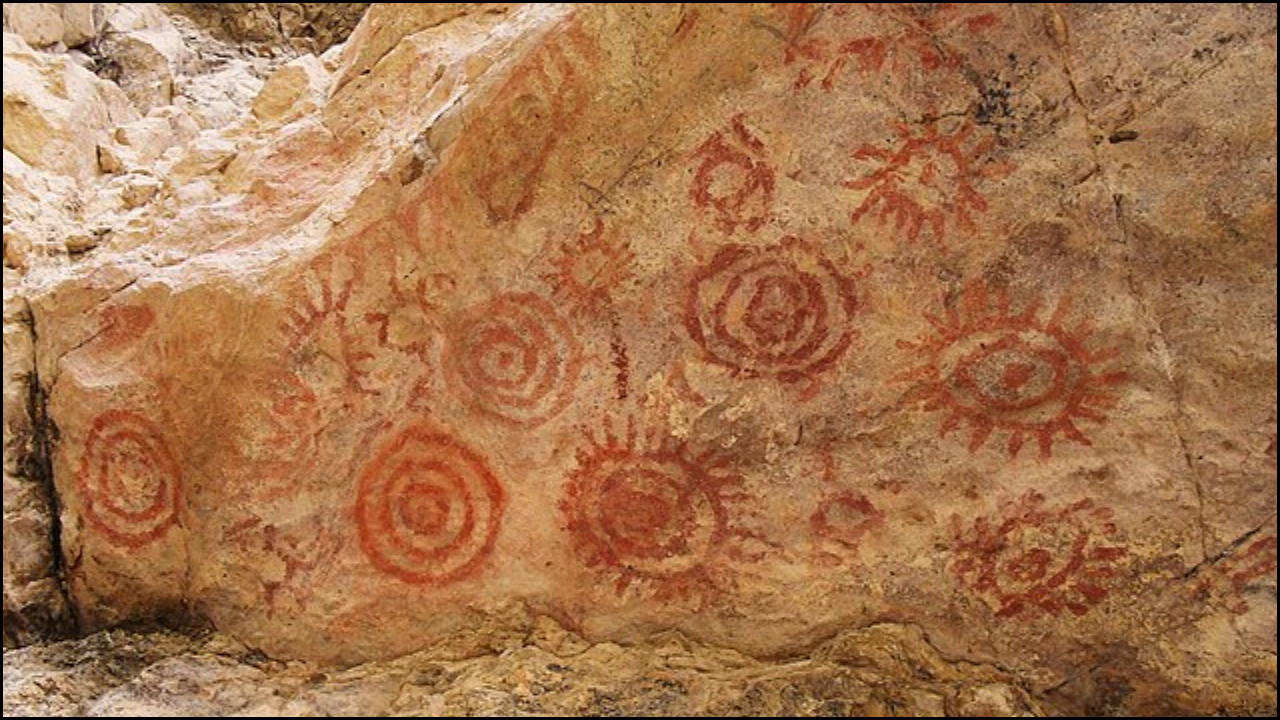
Muisca agricultural practices, developed centuries ago in the highlands of present-day Colombia, are increasingly studied for their sustainability, ecological insight, and cultural significance. Modern researchers and agroecologists interpret these practices as models of environmental stewardship, resource efficiency, and community-based farming. By examining terracing, irrigation, polyculture, and ritual integration, contemporary agriculture draws lessons from Muisca wisdom that are relevant for food security, climate adaptation, and sustainable land management.
Table of Contents
Terracing and Land Management
Muisca terraces exemplified soil conservation and erosion prevention on steep highland slopes.
Modern studies show that terracing increases arable land, improves water retention, and stabilizes soils, reducing environmental degradation.
Agroecologists replicate terrace principles in mountainous and flood-prone regions, adapting Muisca techniques for contemporary crop production.
Terraces also illustrate integration of ecological design with community labor, highlighting cooperative approaches to land stewardship.
Muisca Practice
Modern Interpretation
Environmental Benefit
Terracing
Soil stabilization, slope agriculture
Prevents erosion, enhances water retention
Raised fields (camellones)
Wetland agriculture, flood control
Improves drainage, maintains fertility
Crop rotation & polyculture
Integrated pest management, soil health
Maintains biodiversity, reduces chemical dependency
Irrigation and Water Management
Muisca irrigation systems included canals, clay channels, and marsh modifications to optimize water availability.
Modern interpretations highlight the efficiency of traditional water distribution in small-scale and community-managed farms.
Such practices inform climate-resilient agriculture, particularly in regions facing irregular rainfall or water scarcity.
Ritual observances tied to irrigation emphasize ethical and sustainable water use, providing lessons for contemporary water governance.
Technique
Modern Application
Sustainability Aspect
Canals & clay channels
Community-based irrigation
Efficient water allocation, reduces wastage
Marsh drainage & raised fields
Wetland agriculture
Crop resilience in flood-prone areas
Ritual timing of irrigation
Ethical water use
Aligns farming with ecological cycles
Crop Diversity and Polyculture
The Muisca cultivated maize, potatoes, quinoa, legumes, and medicinal plants in intercropped and rotational systems.
Modern agroecology recognizes the benefits of polyculture: improved soil health, reduced pest outbreaks, and stable yields.
Crop diversity also supports resilience against climate variability, mirroring Muisca strategies for food security.
Ritual offerings and planting cycles reveal that spiritual and ethical considerations reinforced sustainable practices, an approach relevant to community-centered conservation today.
Ritual and Cultural Integration
Muisca farming intertwined spirituality with agriculture through planting and harvest ceremonies.
Modern interpretations view this integration as a form of community-based environmental ethics, where respect for land ensures sustainability.
Ritual calendars aligned with lunar phases and seasonal cycles, offering insights into timing agricultural activities according to ecological patterns.
This holistic perspective inspires permaculture and regenerative agriculture models, emphasizing ecological harmony and ethical stewardship.
Cultural Practice
Modern Interpretation
Benefit
Planting rituals
Community engagement, ethical farming
Encourages collective responsibility
Harvest festivals
Food security, seasonal awareness
Reinforces sustainable practices
Offerings to deities
Resource reciprocity
Promotes ecological balance
Lunar-aligned planting
Seasonal optimization
Improves crop productivity
Sustainability Lessons for Contemporary Agriculture
Muisca agricultural wisdom illustrates long-term planning, integrating soil fertility, water management, and crop diversity.
It emphasizes human-nature reciprocity, where spiritual and ethical frameworks guide sustainable resource use.
Community labor and shared knowledge demonstrate the importance of social cohesion in sustainable farming.
Researchers and policymakers are drawing lessons from Muisca practices for climate-resilient agriculture, conservation farming, and agroecological education.
Traditional knowledge provides a blueprint for holistic, sustainable, and culturally informed land management in modern contexts.
Muisca Principle
Modern Application
Impact
Holistic farming
Integrated agroecology
Sustainable productivity
Crop diversity
Climate-resilient agriculture
Reduced vulnerability to climate change
Ritual stewardship
Ethical environmental management
Community-driven conservation
Terraces & irrigation
Sustainable land-use design
Soil and water conservation
Wrapping Up
Modern interpretations of Muisca agricultural wisdom highlight a civilization deeply attuned to sustainability, ecological knowledge, and social cohesion. Through terracing, irrigation, polyculture, and ritual integration, the Muisca created farming systems that balanced productivity, ecological health, and spiritual harmony. Contemporary agriculture draws from these principles to address challenges such as soil degradation, water scarcity, and climate change. The legacy of Muisca agriculture demonstrates that ancient practices can inform modern sustainability, blending ecological science with cultural and ethical awareness for a resilient future.
She is a creative and dedicated content writer who loves turning ideas into clear and engaging stories. She writes blog posts and articles that connect with readers. She ensures every piece of content is well-structured and easy to understand. Her writing helps our brand share useful information and build strong relationships with our audience.