The spiritual beliefs of the Muisca Confederation reveal a deeply interconnected worldview where nature, the cosmos, and human life were inseparable. Religion was not confined to rituals alone but was embedded in daily practices, governance, and social structure. Their cosmology reflected a harmonious balance between natural forces and divine powers, guiding how they understood existence.
Muisca spirituality emphasized the cyclical nature of life, the influence of celestial bodies, and the presence of divine beings in all aspects of the world. By exploring their cosmology and deities, we gain insight into how this civilization interpreted the universe and maintained a strong cultural identity rooted in belief systems.
Table of Contents
Cosmic Overview
Overview of Muisca Cosmology and Spiritual Structure
| Aspect | Details |
|---|---|
| Core Belief | Interconnected universe of nature and divinity |
| Primary Deities | Sun, Moon, and creator gods |
| Spiritual Focus | Balance, fertility, and cosmic order |
| Ritual Practices | Offerings, ceremonies, and sacred sites |
| Cultural Role | Guided social, political, and agricultural life |
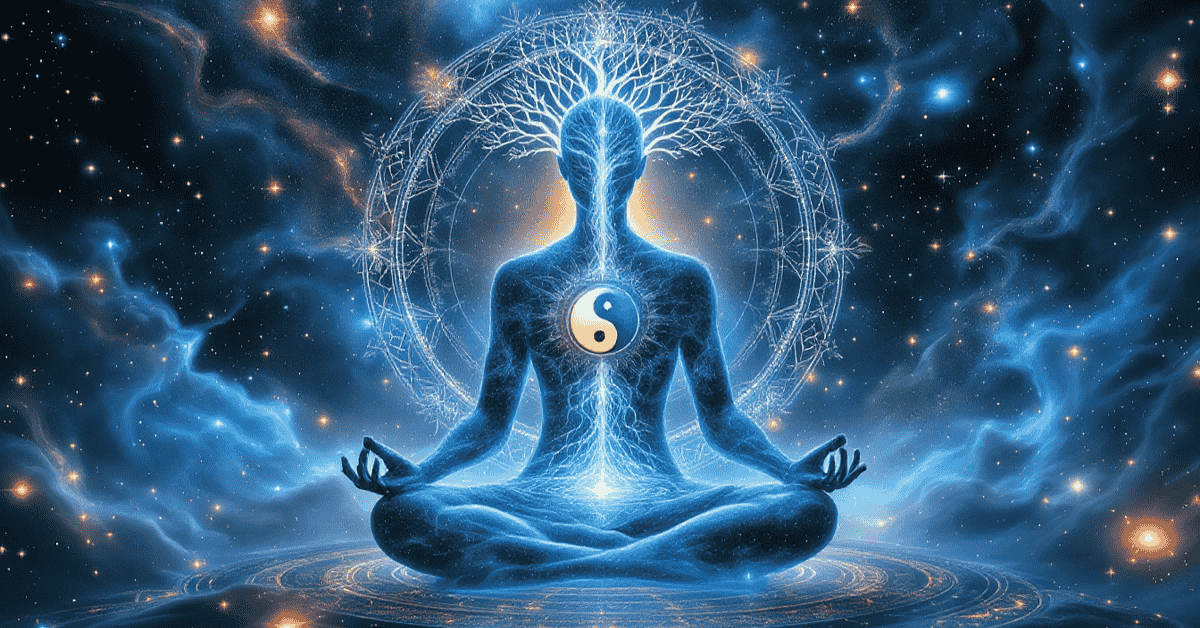
Muisca cosmology centered on the idea that the universe operated in harmony, with each element playing a specific role. Natural phenomena such as the sun, moon, and rivers were seen as manifestations of divine forces.
This worldview fostered a sense of respect for nature and encouraged sustainable living. Spiritual beliefs influenced everything from agricultural practices to leadership decisions, creating a unified cultural framework.
Creator Myths
Central to Muisca cosmology is the figure of Chiminigagua, considered the supreme creator. According to tradition, Chiminigagua brought light into the world, giving rise to life and the cosmic order. This act symbolized the transition from darkness to existence, forming the foundation of their spiritual beliefs.
Another important figure is Bachué, who is believed to have emerged from a sacred lake to populate the earth. Her story represents fertility, origin, and the continuity of human life, reinforcing the importance of nature in Muisca cosmology.
Solar Worship
- Sun Deity
Sué was one of the most revered gods, symbolizing life and energy. - Moon Goddess
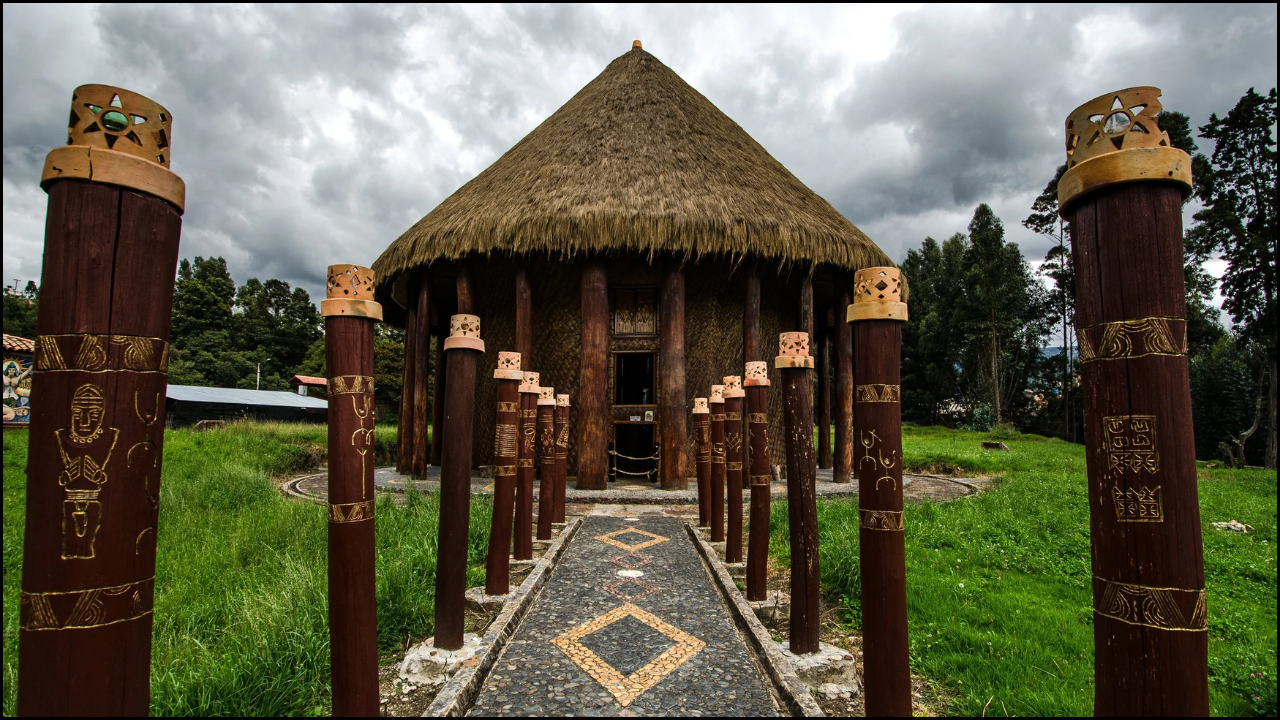
Chía represented fertility, time cycles, and balance. - Sacred Temples
Dedicated spaces were built to honor these celestial deities. - Agricultural Link
Solar and lunar cycles guided planting and harvesting activities.
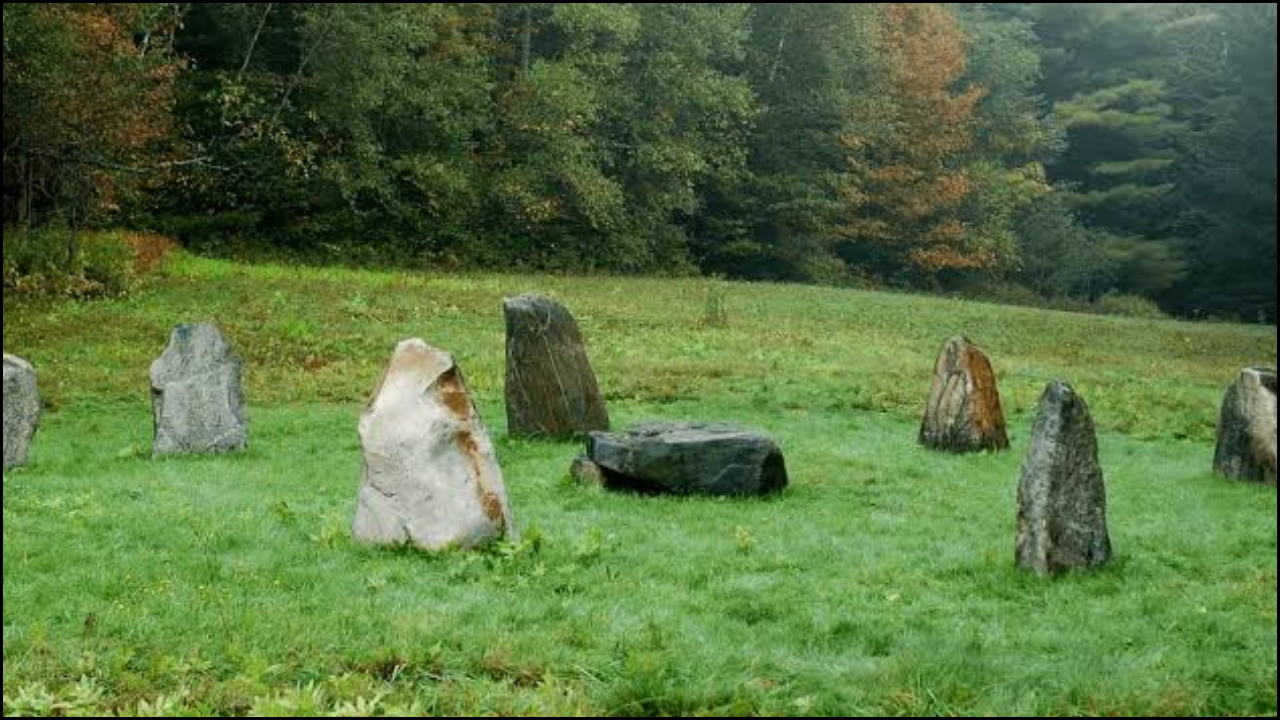
The worship of celestial bodies reflects the Muisca’s deep connection to natural rhythms. Observing the movements of the sun and moon allowed them to align their lives with cosmic patterns.
Sacred Practices
- Offerings Rituals
Gold, food, and other items were offered to deities. - Ceremonial Lakes
Sacred water bodies were central to spiritual activities. - Priestly Roles
Religious leaders conducted rituals and maintained traditions. - Festive Gatherings
Community celebrations reinforced spiritual unity.
Rituals played a key role in maintaining harmony between humans and the divine. These practices were both symbolic and functional, ensuring balance within the community and the natural world.
Symbolic Elements
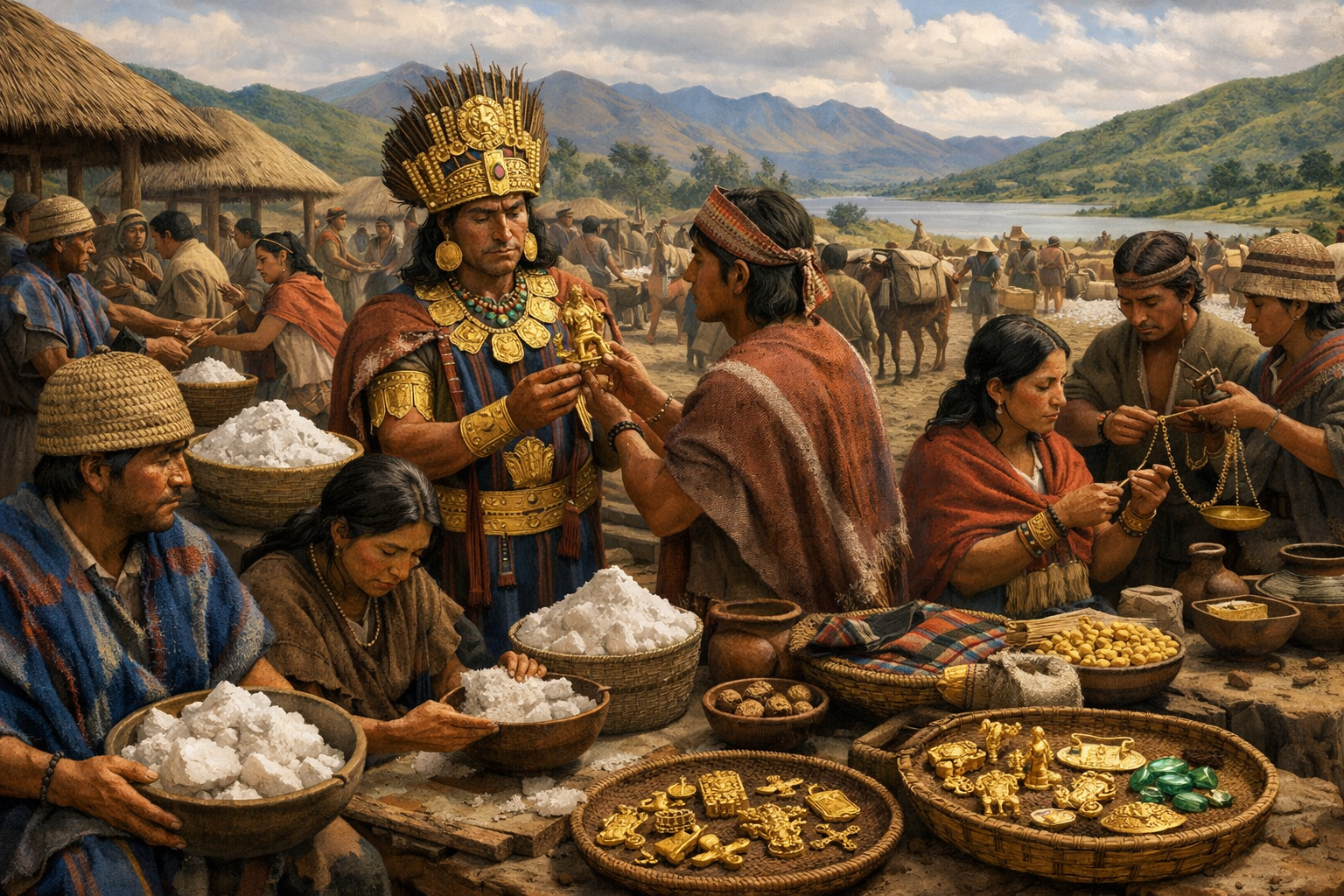
Symbols were an essential part of Muisca spirituality, representing deeper meanings and connections to the divine. Gold, for instance, was not just a material resource but a sacred element associated with the sun and divine energy.
Natural elements such as water, mountains, and animals also held symbolic significance. These elements were integrated into myths and rituals, reinforcing the idea that the physical and spiritual worlds were interconnected.
Social Influence
Religion significantly influenced the social structure of the Muisca Confederation. Leaders often derived their authority from spiritual beliefs, and decisions were guided by religious principles.
This integration of spirituality into governance helped maintain order and cohesion within the المجتمع. Shared beliefs created a sense of unity and collective identity, strengthening the social fabric.
Cosmic Balance
- Harmony Principle
A balance between natural and spiritual forces was essential. - Cycle Awareness
Life was seen as a continuous cycle of creation and renewal. - Moral Guidance
Spiritual beliefs influenced ethical behavior. - Environmental Respect
Nature was treated as sacred and protected.
The concept of balance was central to Muisca cosmology. Maintaining harmony ensured prosperity and stability, both spiritually and materially.
Cultural Legacy
The spiritual traditions of the Muisca continue to influence modern cultural practices in Colombia. Archaeological findings and oral histories provide valuable insights into their beliefs and rituals.
Preserving this legacy helps us understand the diversity of human spirituality and the ways in which ancient civilizations interpreted the world. The Muisca worldview remains a testament to the importance of harmony, respect, and interconnectedness.
Final Thoughts
Muisca cosmology and deities offer a profound understanding of a spiritual system deeply rooted in nature and balance. Through their myths, rituals, and symbols, the Muisca created a worldview that emphasized harmony between humans and the universe.
In today’s world, their beliefs provide valuable lessons on sustainability, respect for nature, and the importance of cultural identity. By exploring their spiritual traditions, we gain not only historical knowledge but also inspiration for building a more balanced and connected future.