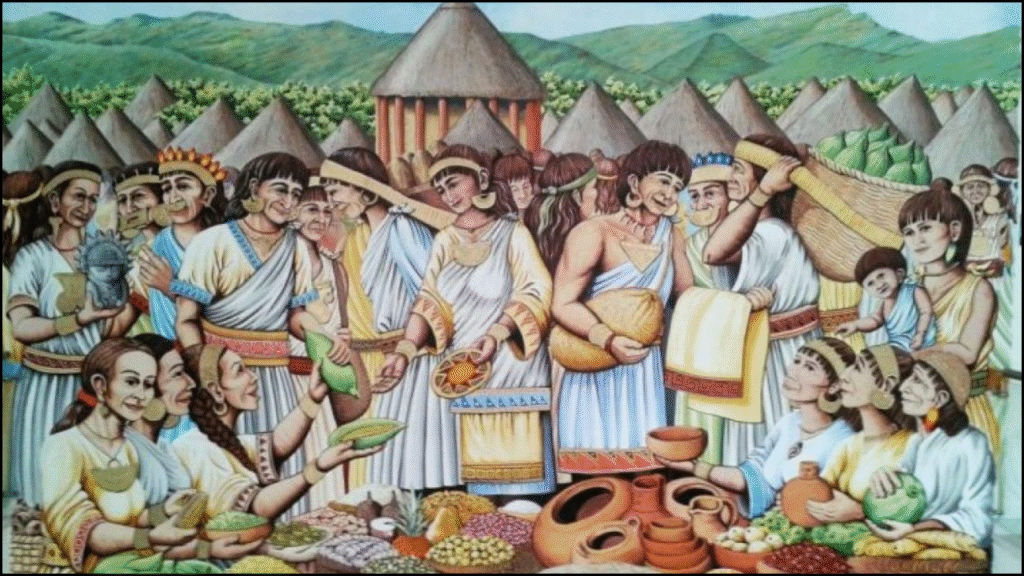
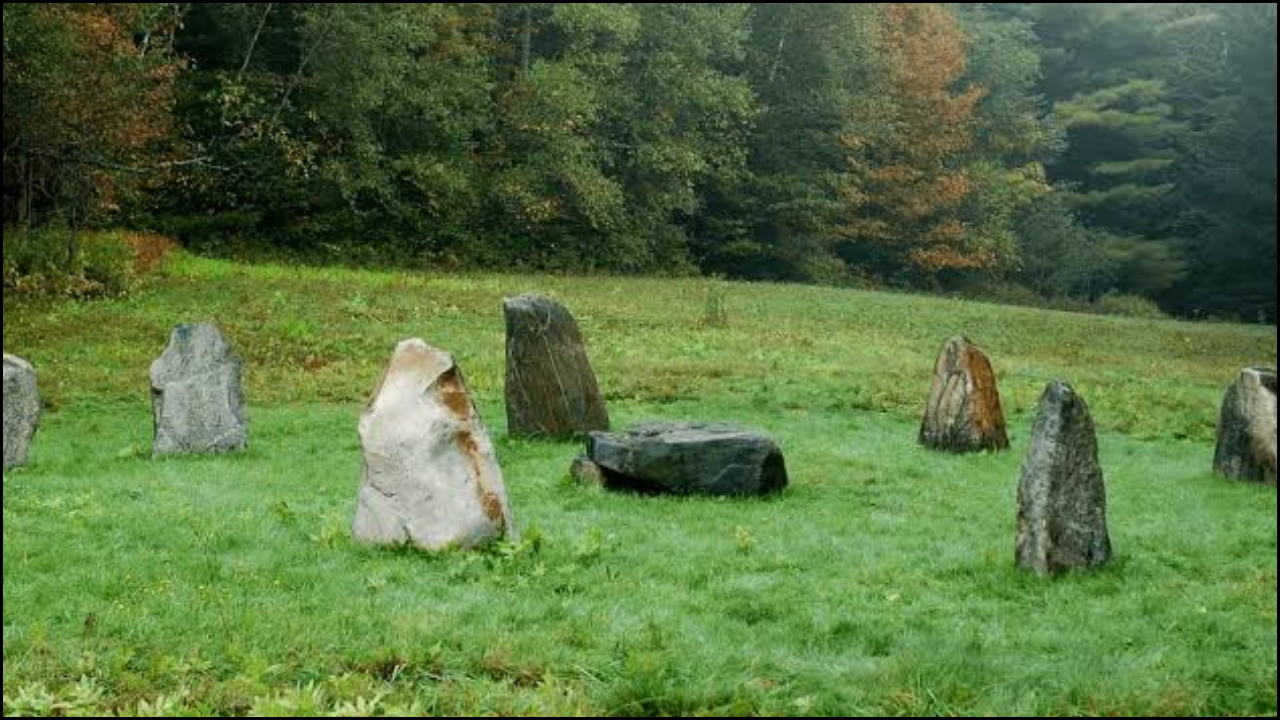
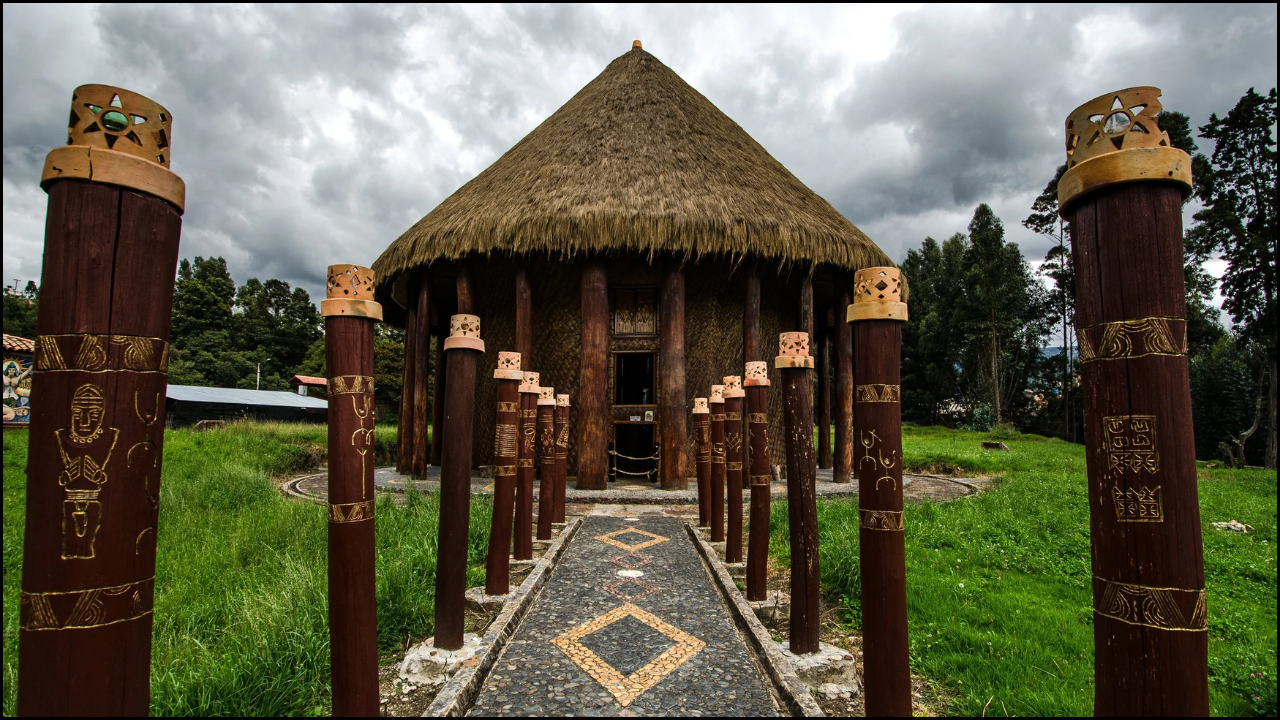
The Muisca language, known as Muysccubun, stands as one of the most significant linguistic heritages of pre-Columbian South America. As the primary means of communication among the Muisca people of the Colombian highlands, this language not only connected communities but also reflected their worldview, spirituality, and social organization. Rooted in the Chibchan language family, Muysccubun linked the Muisca with neighboring indigenous cultures across Central and South America. Although largely supplanted by Spanish after colonization, its legacy continues to shape Colombian identity through revived speech, place names, and cultural practices. Understanding Muysccubun is essential to appreciating the intellectual and spiritual depth of Muisca civilization.
Table of Contents
Origins and Linguistic Affiliation
Muysccubun belonged to the Chibchan language family, which extended from Honduras to northern Colombia.
The term “Muysccubun” translates as “language of the people” (Muysca meaning “people,” and Cubun meaning “language” or “word”).
Linguistic similarities connected the Muisca to related Chibchan-speaking groups such as the Tairona, Kogui, and Tunebo.
The language evolved organically within the Cundiboyacense Plateau, adapting to the cultural and environmental realities of the highlands.
Its structure was designed for clear oral transmission, emphasizing sound harmony and repetition.
Chibchan Language Family Connections
Language Group
Region
Cultural Relation to Muisca
Muysccubun (Muisca)
Central Colombian Andes
Core of Muisca civilization
Kogui
Sierra Nevada de Santa Marta
Shared spiritual and linguistic roots
Tairona
Northern Colombia (Caribbean region)
Traded with Muisca; related myths
Tunebo
Boyacá and Arauca
Cultural exchange through trade and kinship
Guaymi
Panama and Costa Rica
Distant Chibchan relatives
Phonology and Grammar
Muysccubun was a melodic and agglutinative language, forming words by combining smaller meaningful units.
Words often carried multiple layers of meaning, connecting physical reality with spiritual concepts.
Phonetic patterns favored soft consonants and vowel harmony, giving the language a rhythmic flow.
Nouns and verbs were modified by adding prefixes or suffixes rather than separate words.
Gender distinctions were minimal, and social respect was shown through vocabulary choice rather than grammatical structure.
Linguistic Features of Muysccubun
Feature
Description
Example/Explanation
Word Formation
Agglutinative (combines roots and affixes)
“Sué” (Sun) + “-ta” (place) = “Suéta” (place of the Sun)
Pronunciation
Soft consonants, open vowels
Emphasized musical flow
Tense Expression
Contextual rather than fixed
Time implied by situation
Gender
Largely neutral
Few gendered distinctions
Respect
Expressed through tone and formality
Elders addressed with reverence forms
Cultural and Spiritual Role of Language
Muysccubun was not only a means of communication but also a spiritual medium.
Words were believed to carry sacred power, capable of invoking blessings or misfortune.
Religious ceremonies, myths, and oral histories were transmitted in this language, ensuring continuity of tradition.
Chanting, poetry, and storytelling preserved knowledge about creation, nature, and cosmic balance.
Language played a vital role in rituals at temples such as the Sun Temple of Sogamoso and the Moon Temple in Chía.
The concept of speech as creation reflected their belief that spoken words could shape reality.
Examples of Spiritual Vocabulary
Muysccubun Word
Meaning
Spiritual Significance
Sué
Sun
Symbol of strength and divine order
Chía
Moon
Goddess of fertility and cycles
Bochica
Culture hero
Bringer of moral law and light
Cuchavira
Rainbow
Divine messenger between worlds
Guatavita
High lake
Sacred site for offerings
Language in Social and Political Contexts
Muysccubun reinforced the hierarchical structure of Muisca society.
Chiefs (zipas and zaques) used formal, poetic language in ceremonies and diplomacy.
Priests and wise men (chyquy) maintained sacred texts and oral teachings.
Everyday speech varied by social rank, occasion, and location, indicating social awareness and respect.
Trade negotiations and alliances were conducted in highly respectful linguistic forms, often accompanied by symbolic gifts.
Education and Oral Transmission
The Muisca placed great importance on oral education.
Children learned the language through stories, proverbs, and songs passed down by elders.
Learning Muysccubun meant learning moral values, agricultural knowledge, and cosmological wisdom.
Ritual specialists memorized extensive oral texts that preserved mythology and law.
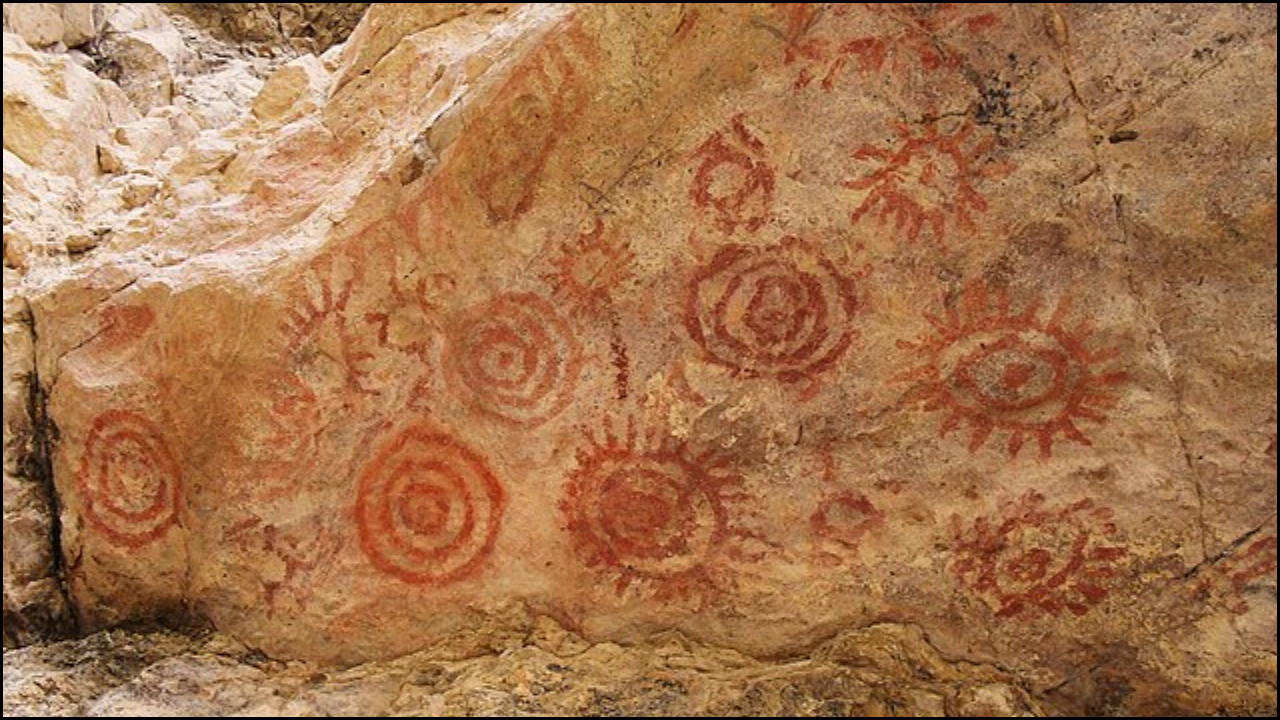
No written script existed, but pictorial symbols and rock carvings sometimes supported oral records.
This oral tradition ensured the survival of historical memory even after colonization.
Impact of Spanish Colonization
The Spanish conquest in the 16th century caused a severe decline in the use of Muysccubun.
Missionaries replaced indigenous teaching with Spanish-language catechisms and imposed Christian doctrines.
Many words and place names, however, survived colonization by being absorbed into Spanish usage.
The loss of language meant a loss of cultural independence and sacred expression.
Yet, linguistic traces persisted in local toponyms, rituals, and expressions.
Muisca Words Preserved in Colombian Toponyms
Modern Place Name
Origin in Muysccubun
Meaning
Bogotá
Bacatá
“Enclosure outside the farm” or “planted fields”
Chía
Chía
“Moon” or “place of the goddess”
Sogamoso
Sugamuxi
“City of the Sun”
Zipaquirá
Zipakuara
“Land of the Zipa”
Nemocón
Nemocón
“Crying or lamenting warrior”
Modern Revitalization of Muysccubun
In recent decades, indigenous communities and scholars have worked to revive Muysccubun.
Muisca descendants in Suba, Bosa, Cota, and Chía have reintroduced the language through cultural programs.
Educational materials, dictionaries, and linguistic courses are being developed to teach new generations.
Modern ceremonies and festivals now incorporate Muysccubun songs, prayers, and greetings.
Technology and digital archives are helping preserve and expand access to ancient vocabulary.
The language revival is viewed as a symbol of cultural resilience and identity restoration.
Efforts Toward Muysccubun Revival
Initiative
Region/Organization
Purpose
Muisca Language Schools
Suba, Bosa
Teach children traditional speech
Muysccubun Dictionary Projects
Universidad Nacional de Colombia
Compile and standardize vocabulary
Cultural Festivals
Chía, Cota
Promote songs, chants, and oral poetry
Online Platforms
Digital Muisca archives
Provide learning resources
Community Workshops
Bogotá and Boyacá
Foster intergenerational transmission
Linguistic Influence on Modern Spanish in Colombia
Numerous Muysccubun words have been integrated into Colombian Spanish, particularly in regional dialects.
Terms for plants, animals, and natural features often retain indigenous origins.
Everyday expressions preserve Muisca rhythm and metaphors, especially in rural Boyacá and Cundinamarca.
Linguistic blending created a hybrid cultural identity, bridging indigenous and colonial heritage.
Muysccubun Words in Modern Colombian Spanish
Spanish Term
Muysccubun Origin
Meaning/Use
Cuchuco
“Cuchu” (corn porridge)
Traditional maize soup
Guasca
“Waska” (herb)
Local plant used in cuisine
Tibacuy
“Tibakuy” (meeting place)
The town name means “gathering area”
Chibcha
“Chib” (lineage) + “Cha” (man)
Refers to the people or language family
Turmequé
“Turmequé” (sport name)
The town name meaning “gathering area”
Cultural Legacy and Symbolism
Muysccubun encapsulated the Muisca worldview—where language, nature, and spirit were inseparable.
The use of metaphor and sound harmony reflected their deep respect for natural cycles.
Songs and prayers were seen as offerings to maintain cosmic balance.
The revival of the Chibcha tongue today serves as an act of cultural healing and historical justice.
The language continues to inspire Colombian art, literature, and education.
Moving Forward
The Muisca language, Muysccubun, remains a vital link to the wisdom and worldview of Colombia’s ancient past. As a branch of the Chibchan linguistic heritage, it connected communities across the Andes and beyond, serving as both a practical tool and a sacred expression of identity. Though suppressed by colonization, its echoes endure in Colombian geography, speech, and cultural memory. Modern revitalization efforts are transforming Muysccubun from a fading relic into a living language of pride and resilience. The legacy of the Chibcha tongue thus continues to remind Colombia of its indigenous roots and the enduring power of words to preserve a civilization’s soul.
She is a creative and dedicated content writer who loves turning ideas into clear and engaging stories. She writes blog posts and articles that connect with readers. She ensures every piece of content is well-structured and easy to understand. Her writing helps our brand share useful information and build strong relationships with our audience.