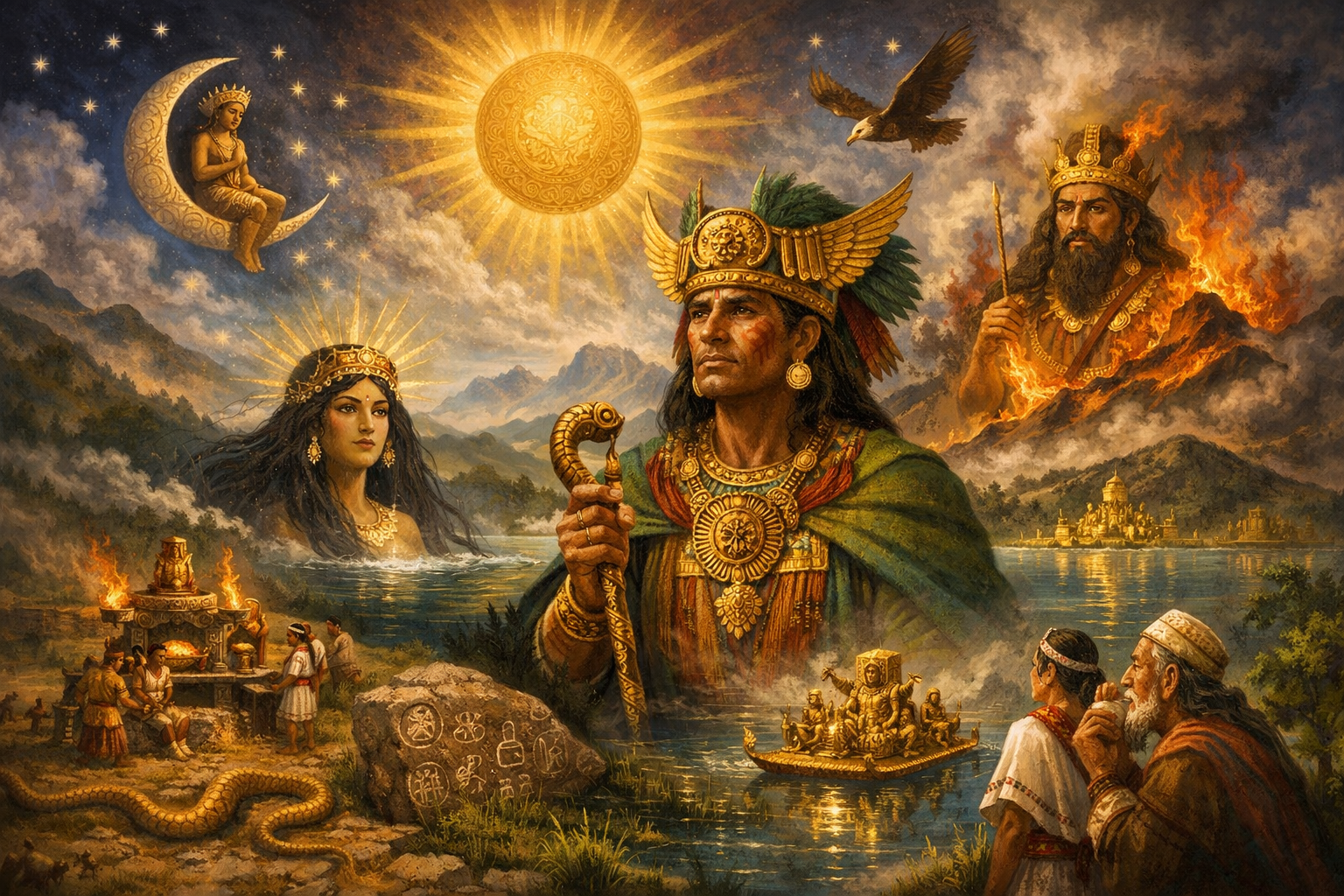
The Muisca civilization developed one of the most organized and sophisticated economic systems in pre-Columbian South America. Located in the highlands of present-day Colombia, the Muisca economy was based on resource specialization, regional trade, and barter exchange rather than currency. Their economic strength played a vital role in sustaining social structure, political authority, and cultural development.
Salt and gold were at the heart of the Muisca trade, but their value extended beyond material wealth. These resources carried social, religious, and symbolic importance. By combining natural resource management with structured trade networks, the Muisca created a dynamic and resilient economic system that connected diverse communities across the region.
Table of Contents
Economic Overview
Muisca Economy Summary Table
| Aspect | Details |
|---|---|
| Economic Type | Barter-based regional trade system |
| Key Resources | Salt, gold, emeralds, agricultural goods |
| Trade Method | Exchange without standardized currency |
| Major Centers | Zipaquirá, Nemocón |
| Economic Role | Supported social hierarchy and regional influence |
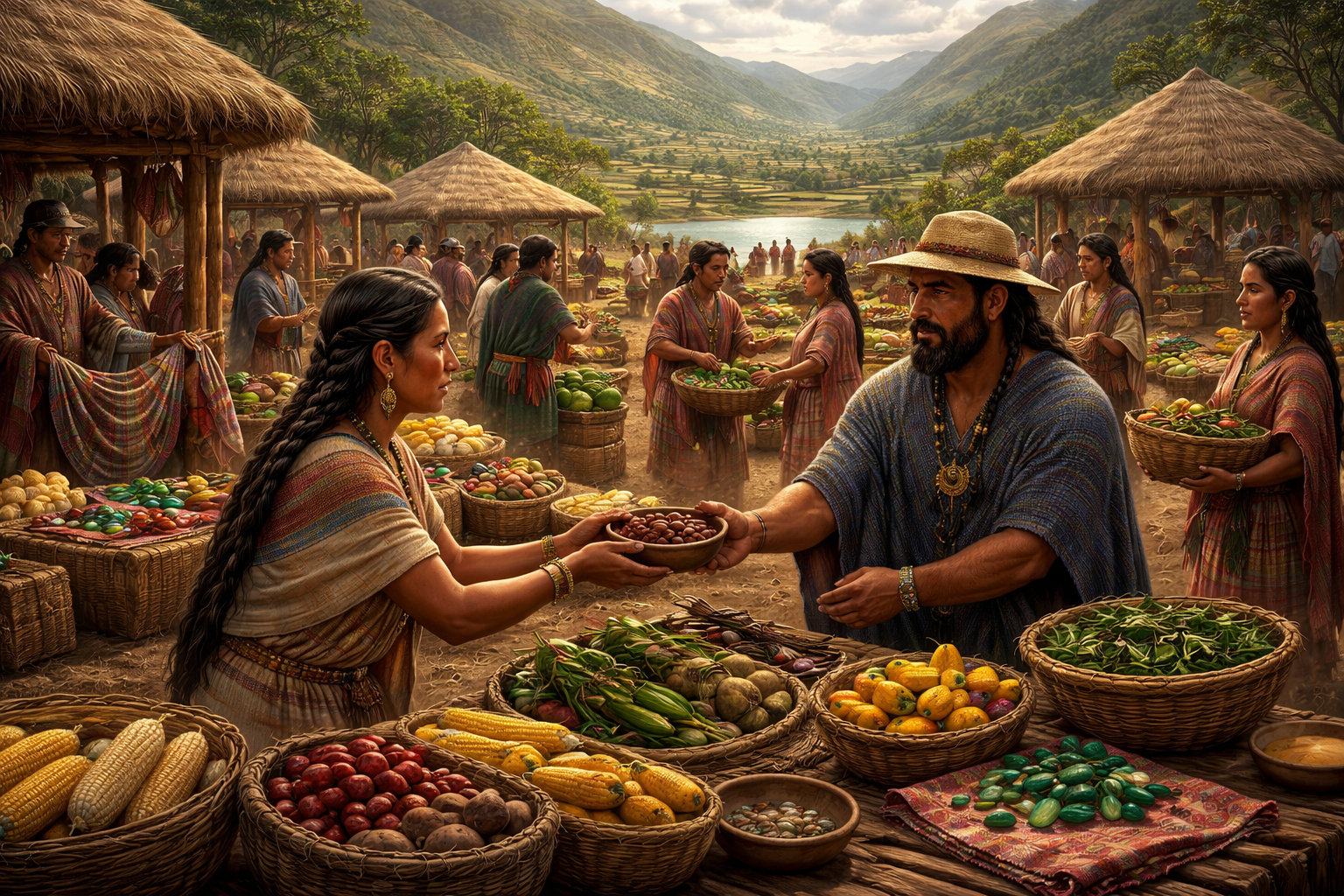
The Muisca economy was built on specialization. Different regions produced specific goods, which were then exchanged through trade networks. This system allowed communities to access resources that were not locally available, promoting interdependence and cooperation.
Trade was not only an economic activity but also a social and cultural practice. Markets served as gathering places where goods, ideas, and traditions were exchanged, strengthening connections between communities.
Salt Production
Salt was the most valuable commodity in the Muisca economy, often referred to as “white gold.” The Muisca extracted salt from natural brine sources and processed it through evaporation techniques. Regions such as Zipaquirá and Nemocón became major centers of salt production.
Salt’s importance extended beyond trade. It was essential for food preservation, dietary needs, and even medicinal purposes. Its high demand made it a key driver of economic activity and regional influence.
Control over salt resources also contributed to political power. Leaders who managed production and distribution were able to strengthen their authority and maintain economic stability.
Gold Significance
- Symbolic Value
Gold was primarily used for religious and ceremonial purposes rather than everyday trade. - Craftsmanship
Skilled artisans created intricate gold objects, including jewelry and ritual items. - Spiritual Meaning
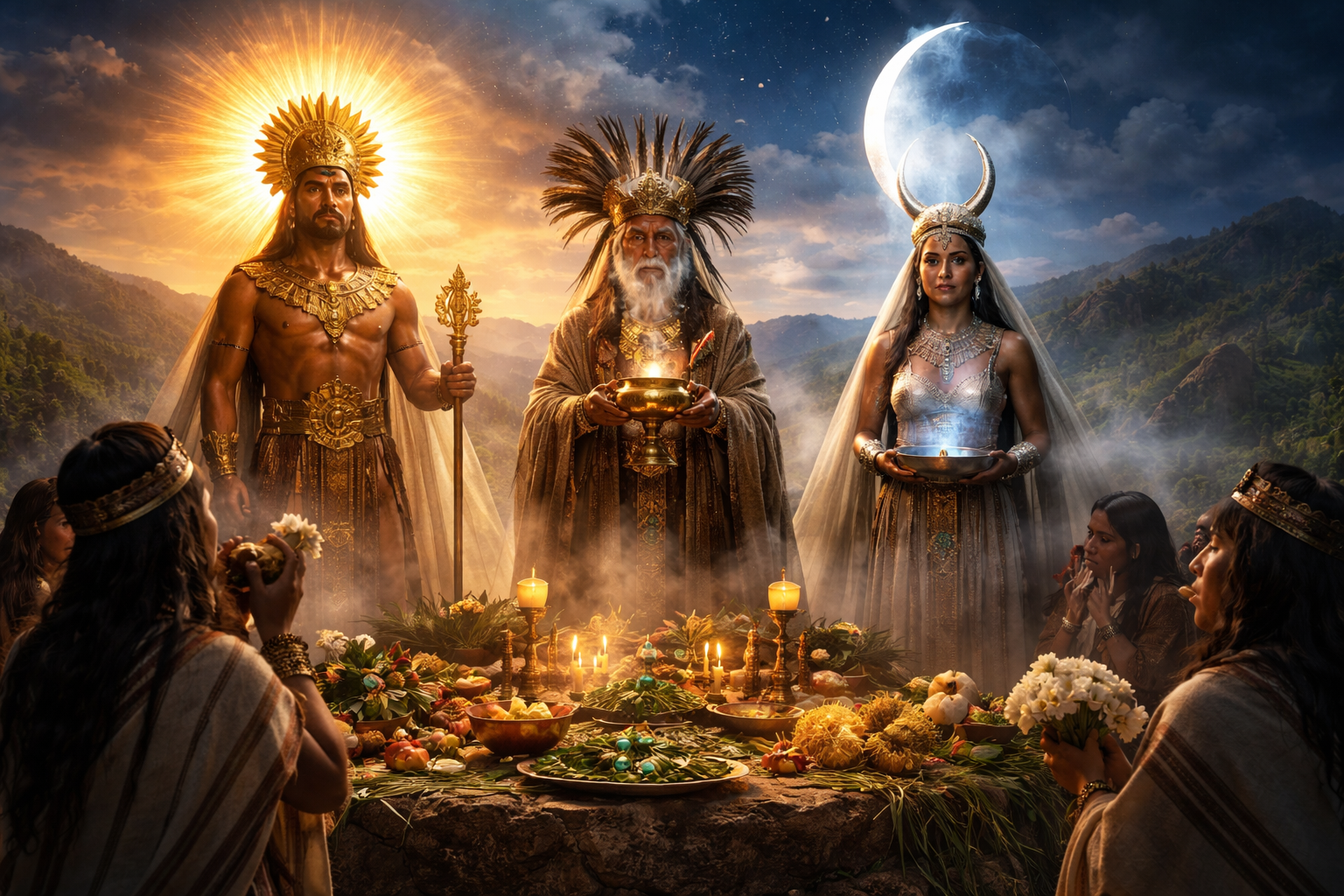
Gold was associated with the sun and divine power, reflecting its sacred status. - Trade Role
While not a primary currency, gold items were sometimes exchanged for valuable goods.
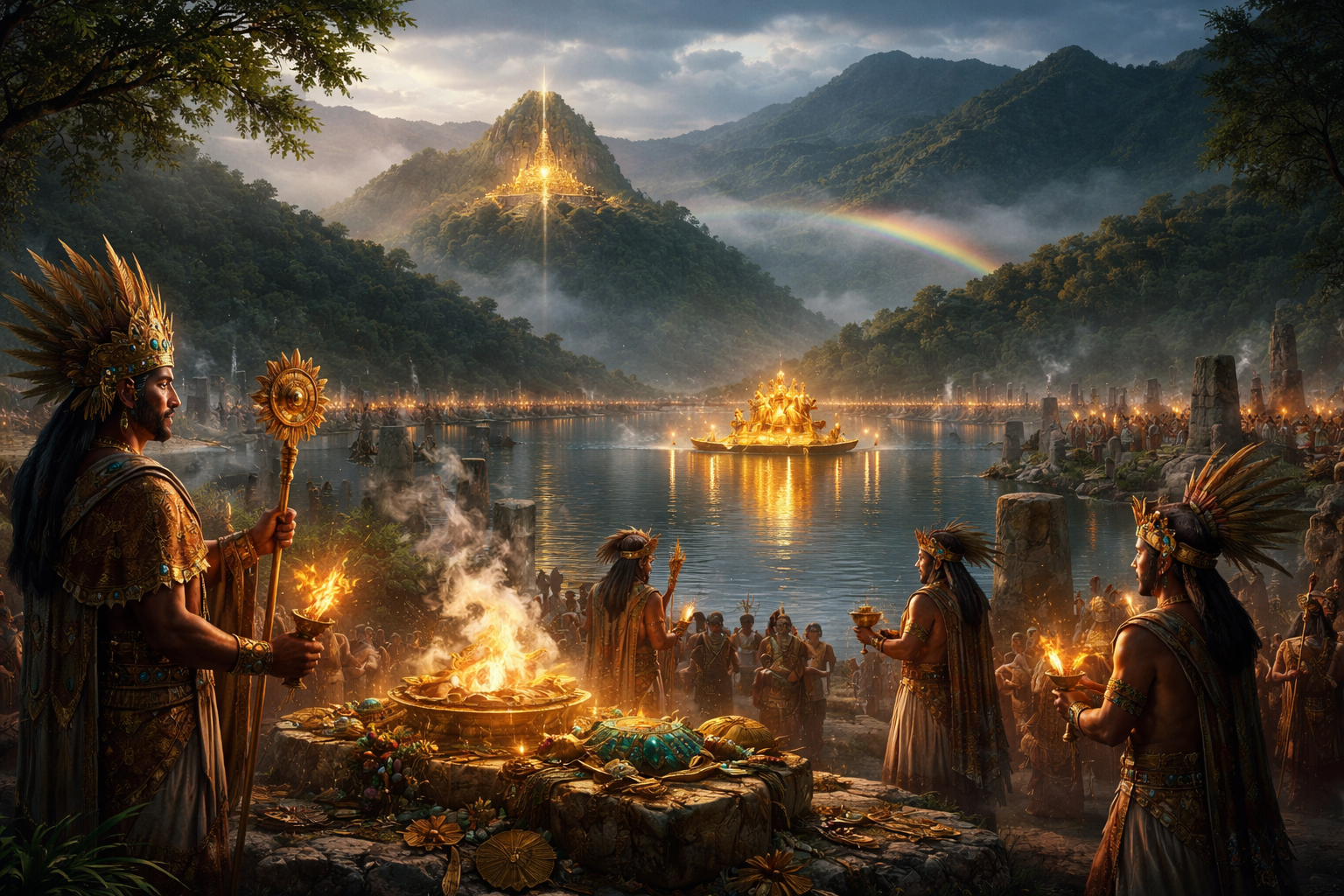
Gold held a unique place in Muisca society. Unlike salt, it was not essential for survival but carried immense cultural and spiritual significance. This distinction highlights the dual nature of the Muisca economy, where material and symbolic values were intertwined.
The craftsmanship of gold artifacts also contributed to the Muisca’s reputation among neighboring cultures. These items were highly prized and often used in ceremonial exchanges.
Barter System
- Direct Exchange
Goods were traded directly without the use of money. - Value Negotiation
The worth of items was determined through mutual agreement. - Diverse Goods
Common trade items included crops, textiles, ceramics, and tools. - Marketplaces
Organized markets facilitated regular trade between communities.
The barter system required trust and communication. Traders needed to understand the relative value of goods and negotiate fair exchanges. This system encouraged interaction and cooperation among different groups.
Markets played a central role in the barter economy. They provided a structured environment for trade and helped regulate the flow of goods across regions.
Trade Networks
The Muisca established extensive trade networks that connected them with neighboring cultures. These networks allowed for the exchange of goods such as tropical fruits, feathers, and other resources not available in the highlands.
Trade routes were carefully maintained and often followed natural pathways such as rivers and mountain passes. This strategic organization ensured efficient movement of goods and strengthened regional connections.
The expansion of trade networks also facilitated cultural exchange. Ideas, technologies, and traditions spread alongside goods, enriching Muisca society.
Economic Organization
The Muisca economy was closely linked to their political structure. Leaders, known as chiefs, played a key role in managing resources and overseeing trade activities. Their authority was reinforced by their ability to control valuable commodities like salt.
Economic organization also included labor specialization. Farmers, miners, artisans, and traders each contributed to the overall system. This division of labor increased efficiency and productivity.
The integration of economic and political systems created a stable and cohesive society. It ensured that resources were distributed effectively and that trade networks functioned smoothly.
Cultural Impact
- Social Hierarchy
Economic roles influenced social status within the community. - Religious Practices
Trade goods like gold were used in rituals and ceremonies. - Community Interaction
Markets fostered social connections and cultural exchange. - Technological Development
Economic needs drove innovation in production and craftsmanship.
The Muisca economy had a profound impact on their culture. It shaped social structures, influenced religious practices, and encouraged innovation.
Economic activities were deeply embedded in daily life, reflecting the interconnected nature of Muisca society. This integration contributed to their resilience and adaptability.
External Relations
The Muisca engaged in trade with neighboring groups, establishing relationships that extended beyond their immediate region. These interactions were not always purely economic; they also involved diplomacy and cultural exchange.
External trade enhanced the diversity of available goods and strengthened the Muisca’s position within the broader regional network. It also introduced new ideas and practices that influenced their development.
The ability to maintain these relationships demonstrates the sophistication of Muisca trade systems. It highlights their role as a significant economic power in pre-Columbian South America.
Future Insights
Ongoing archaeological research continues to reveal new information about the Muisca trade and economy. Discoveries of artifacts, trade routes, and production sites provide valuable insights into their economic practices.
Modern scholars are increasingly recognizing the complexity and efficiency of the Muisca system. Their use of barter, resource specialization, and trade networks offers lessons for understanding alternative economic models.
As research progresses, the legacy of the Muisca economy will continue to inform our understanding of ancient civilizations and their innovations.
Key Takeaways
The Muisca economy was a well-organized system built on resource specialization, barter exchange, and extensive trade networks. Salt and gold played central roles, not only as economic resources but also as symbols of cultural and spiritual significance.
By combining practical resource management with social and cultural values, the Muisca created a dynamic and sustainable economic system. Their legacy highlights the ingenuity and adaptability of pre-Columbian societies, offering valuable insights into the diversity of human economic practices.