The Muisca civilization, flourishing in the Andean highlands of present-day Colombia, left behind a rich legacy of sacred landscapes and ceremonial practices. These ritual spaces were carefully integrated into the natural environment, reflecting a cosmology that connected the spiritual, agricultural, and social life of the community.
Sacred sites were not merely locations for worship—they were centers of social cohesion, agricultural guidance, and political authority. Understanding Muisca ritual landscapes provides insight into how physical space, spirituality, and communal life intertwined to sustain this complex society.
Table of Contents
Landscape Overview
Muisca Sacred Sites Table
| Aspect | Details |
|---|---|
| Region | Andean highlands, Colombia |
| Key Sites | Temples, lakes, mountaintops, plazas |
| Purpose | Religious observance, agricultural guidance, social gathering |
| Ritual Activities | Offerings, festivals, processions, astronomical alignments |
| Cultural Significance | Offerings, festivals, processions, and astronomical alignments |
The Muisca strategically selected sacred sites to align with natural features and celestial events. Mountains, rivers, and lakes were often perceived as inhabited by spirits, guiding ritual activity and agricultural cycles.
These landscapes were more than symbolic; they facilitated communication with deities and reinforced the society’s hierarchical and cultural structures.
Sacred Geography
Geography played a central role in Muisca ritual life. Elevated locations, water bodies, and unique rock formations were imbued with spiritual significance and often became focal points for ceremonies.
Such sites were believed to mediate between humans and divine forces. Temples and shrines were constructed to honor deities, align with solstices, or mark sacred cosmological points.
- Mountaintops symbolizing proximity to the heavens
- Lakes and rivers associated with fertility and purification
- Plazas and communal spaces for gatherings and rituals
- Caves and rock formations serve as portals to spiritual realms
- Astronomical alignments guiding ritual timing and calendar events
Sacred geography intertwined natural and spiritual elements, creating a landscape that supported both practical and religious needs.
Ceremonial Practices
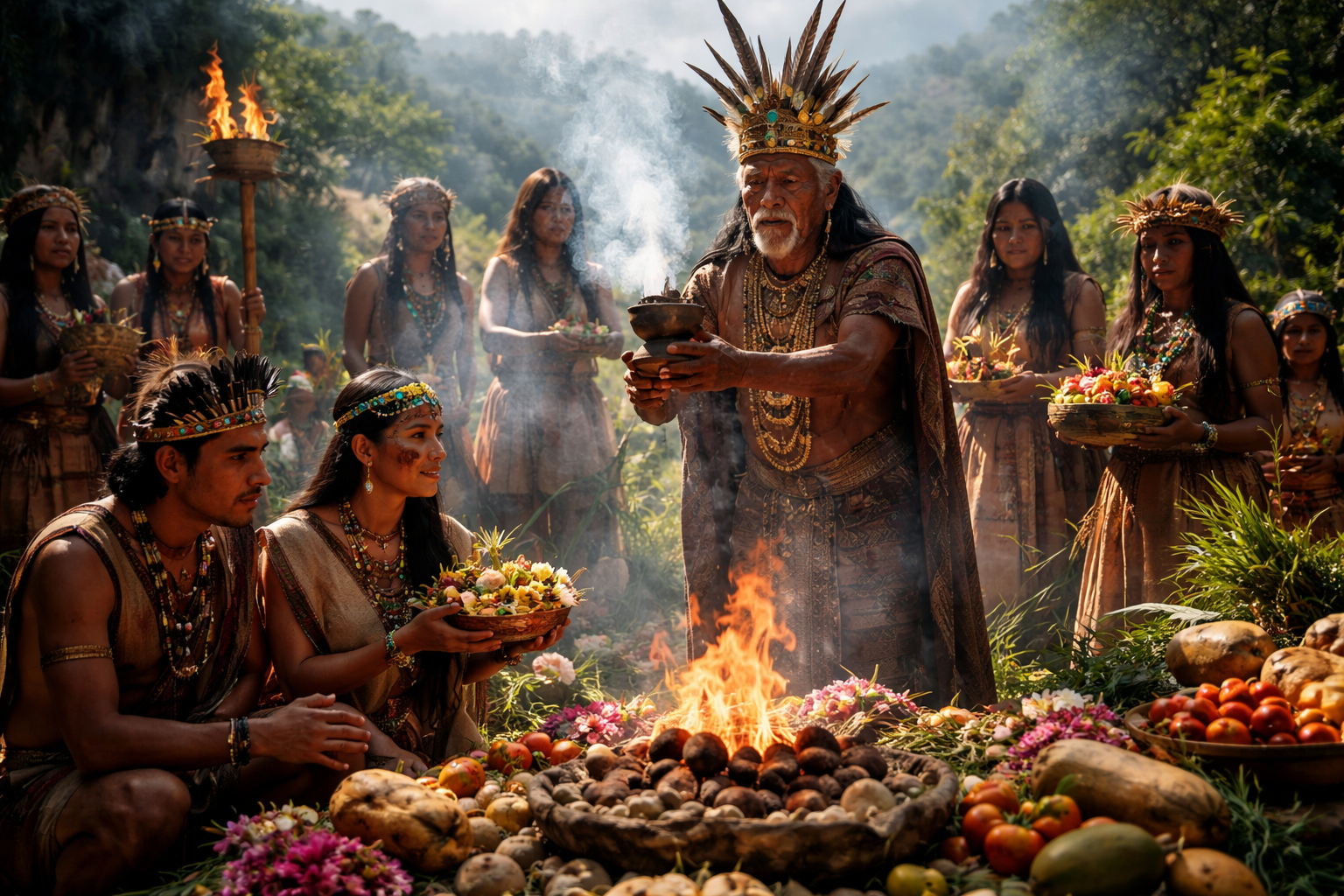
Muisca ceremonial practices were highly organized, involving priests, leaders, and the broader community. Rituals were timed with agricultural cycles, celestial events, and social milestones.
Offerings, processions, and festivals were central to maintaining harmony between humans, nature, and deities. Rituals also reinforced social hierarchies, legitimizing leaders and priests who guided spiritual life.
- Offerings of gold, food, and textiles to deities
- Processions connecting multiple sacred sites in symbolic routes
- Seasonal festivals coinciding with planting and harvest
- Astronomically timed rituals aligned with solstices and equinoxes
- Community participation fosters cohesion and shared responsibility
Through ceremonial practices, the Muisca cultivated both spiritual devotion and social solidarity, ensuring communal stability.
Priestly Role
Priests held central authority in Muisca ritual life, serving as intermediaries between the people and deities. They guided ceremonies, interpreted omens, and advised leaders on agricultural and political matters.
Their knowledge of sacred landscapes, astronomy, and ritual protocols enabled the precise timing of offerings and festivals. Priestly authority was critical in linking spiritual observance with practical societal functions.
- Guidance on ritual procedures for accuracy and effectiveness
- Interpretation of celestial signs for timing agricultural work
- Supervision of offerings to maintain spiritual favor
- Mediation between community members and deities
- Education of novices in sacred traditions and knowledge transmission
Priests ensured that rituals reinforced cosmological understanding and upheld social order.
Integration with Agriculture
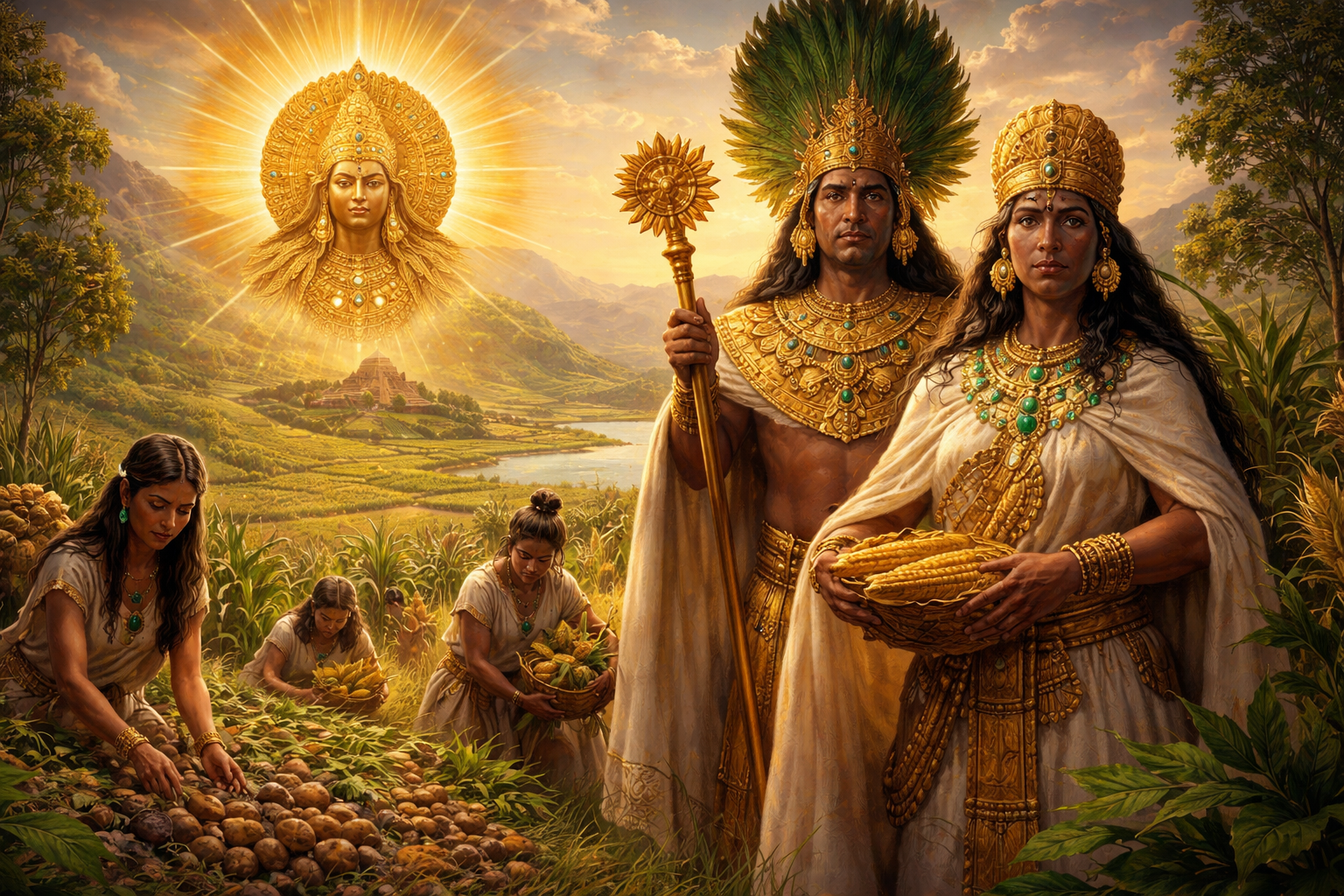
Ritual landscapes were closely tied to agricultural cycles. Sacred sites and ceremonies were used to invoke fertility, protect crops, and determine optimal planting and harvesting times.
By embedding religious observance into farming practices, the Muisca ensured both spiritual and material prosperity. Festivals often coincided with critical stages of cultivation, linking human action to cosmic rhythms.
- Planting rituals seeking divine favor for growth
- Harvest celebrations expressing gratitude for abundance
- Water rituals to ensure rainfall and irrigation success
- Crop divination guided by sacred calendars and observations
- Community labor coordination integrated with ceremonial activity
This connection between sacred landscapes and agriculture reflects a holistic worldview where spirituality and subsistence were inseparable.
Symbolic Artifacts
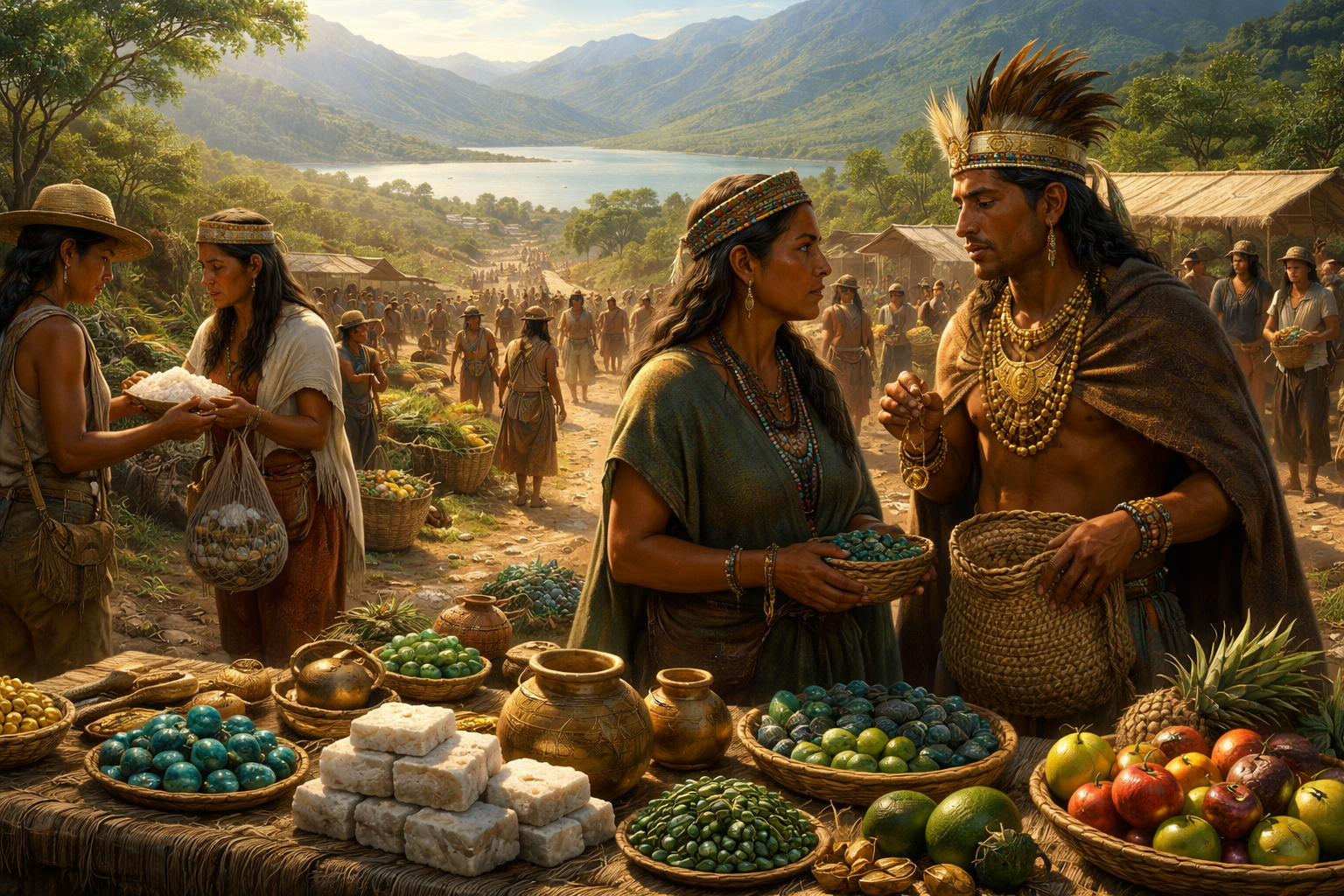
Artifacts found at sacred sites, including gold offerings, ceramics, and textiles, reinforce the spiritual and ceremonial significance of the landscape. These objects often depicted deities, cosmological symbols, and agricultural motifs.
Such material culture provided tangible evidence of devotion, serving both ritual and educational purposes. They also communicated status and reinforced social hierarchies within the community.
- Gold figurines and discs representing solar and fertility deities
- Ceramic vessels used in offerings or libations
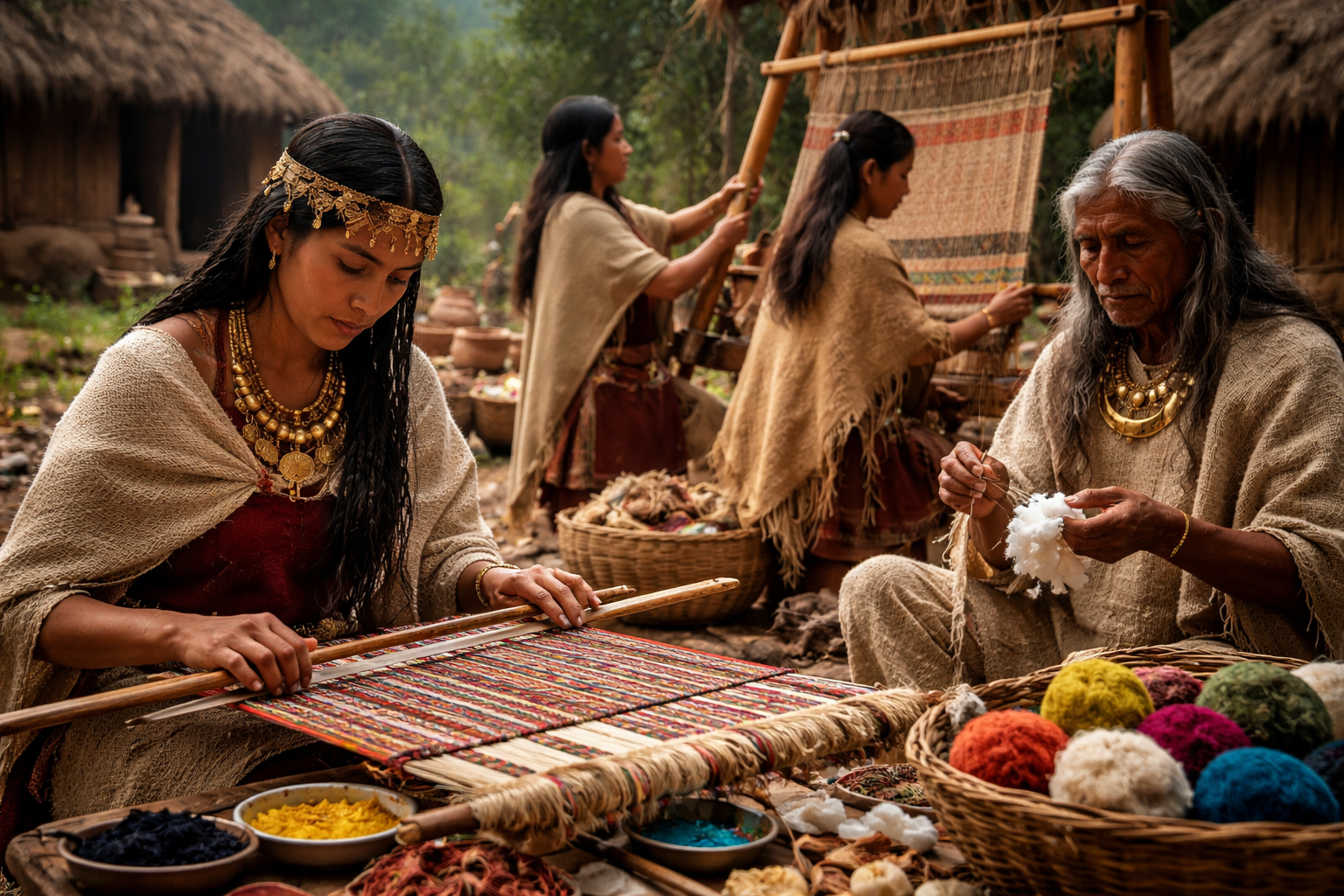
- Textiles with symbolic patterns for ritual use
- Carved stones and idols marking sacred locations
- Portable artifacts facilitating processions and ceremonies
Artifacts connected the tangible and intangible, embodying spiritual beliefs and communal values.
Final Thoughts
Muisca ritual landscapes demonstrate the integration of spirituality, agriculture, and social life. Sacred sites guided ceremonies, informed agricultural decisions, and reinforced community cohesion.
By studying these landscapes and associated practices, we gain a deeper understanding of how the Muisca structured their society around cosmic and natural principles. Their ritual landscapes exemplify the profound ways in which space, spirituality, and culture intersected in pre-Columbian civilizations.