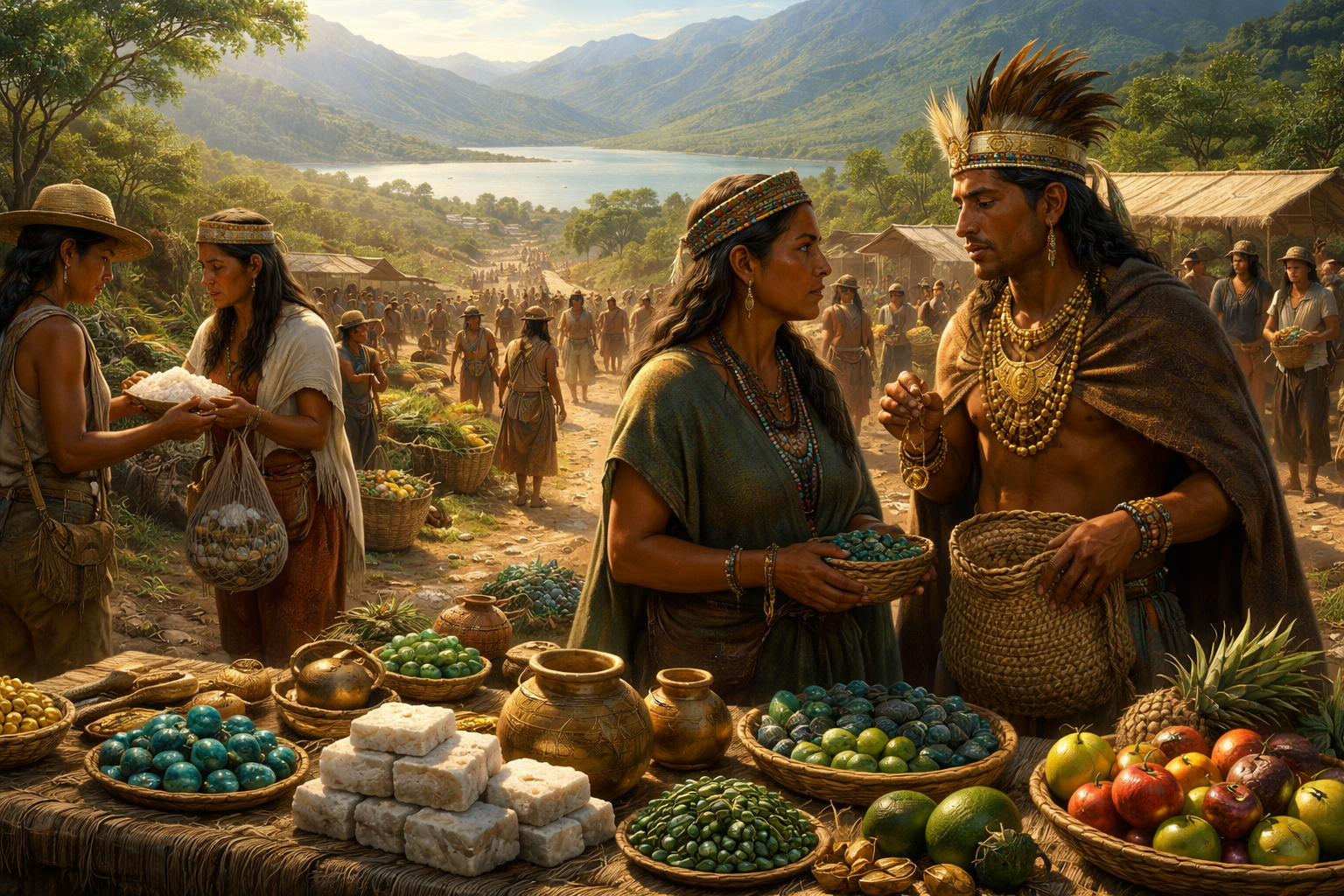
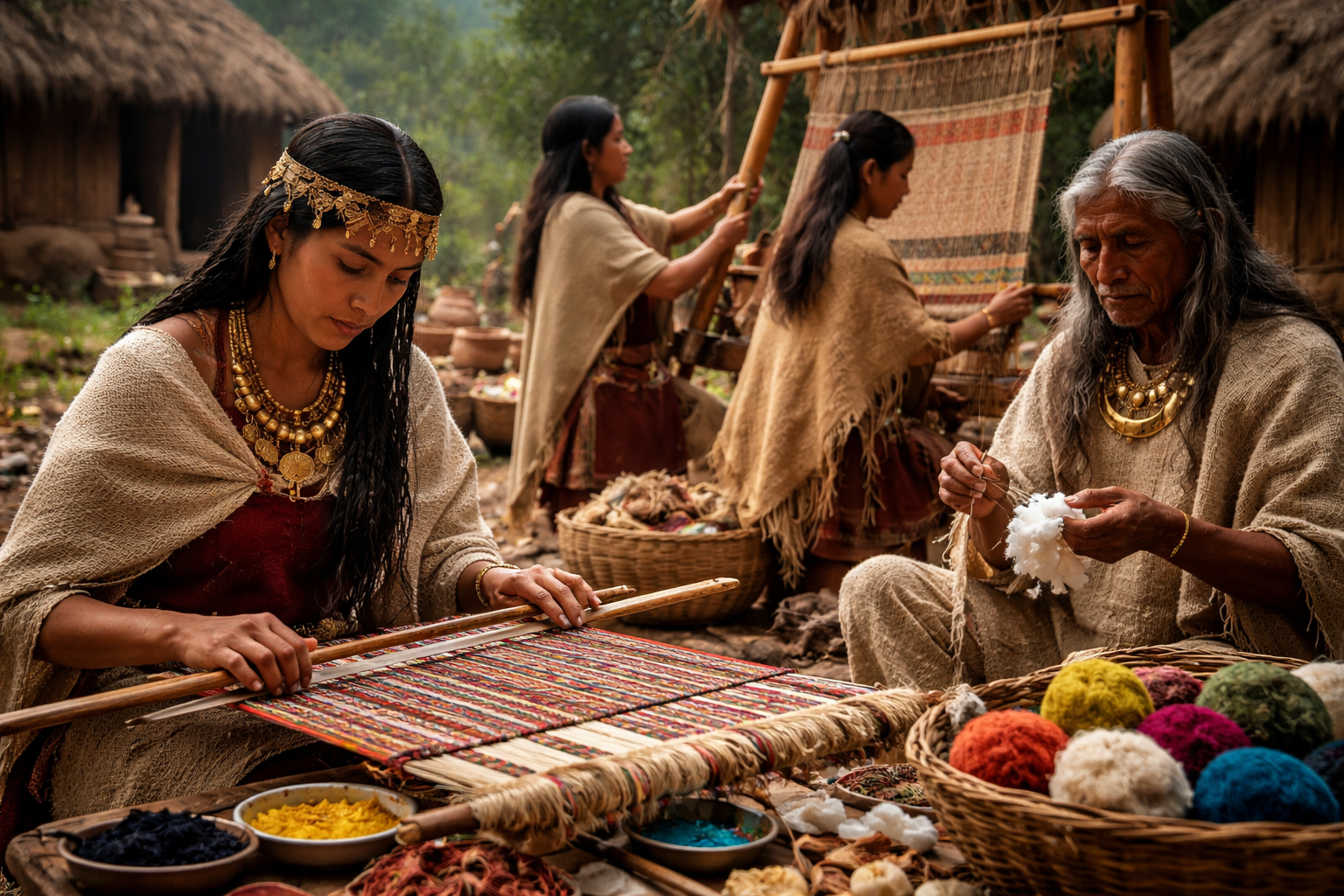
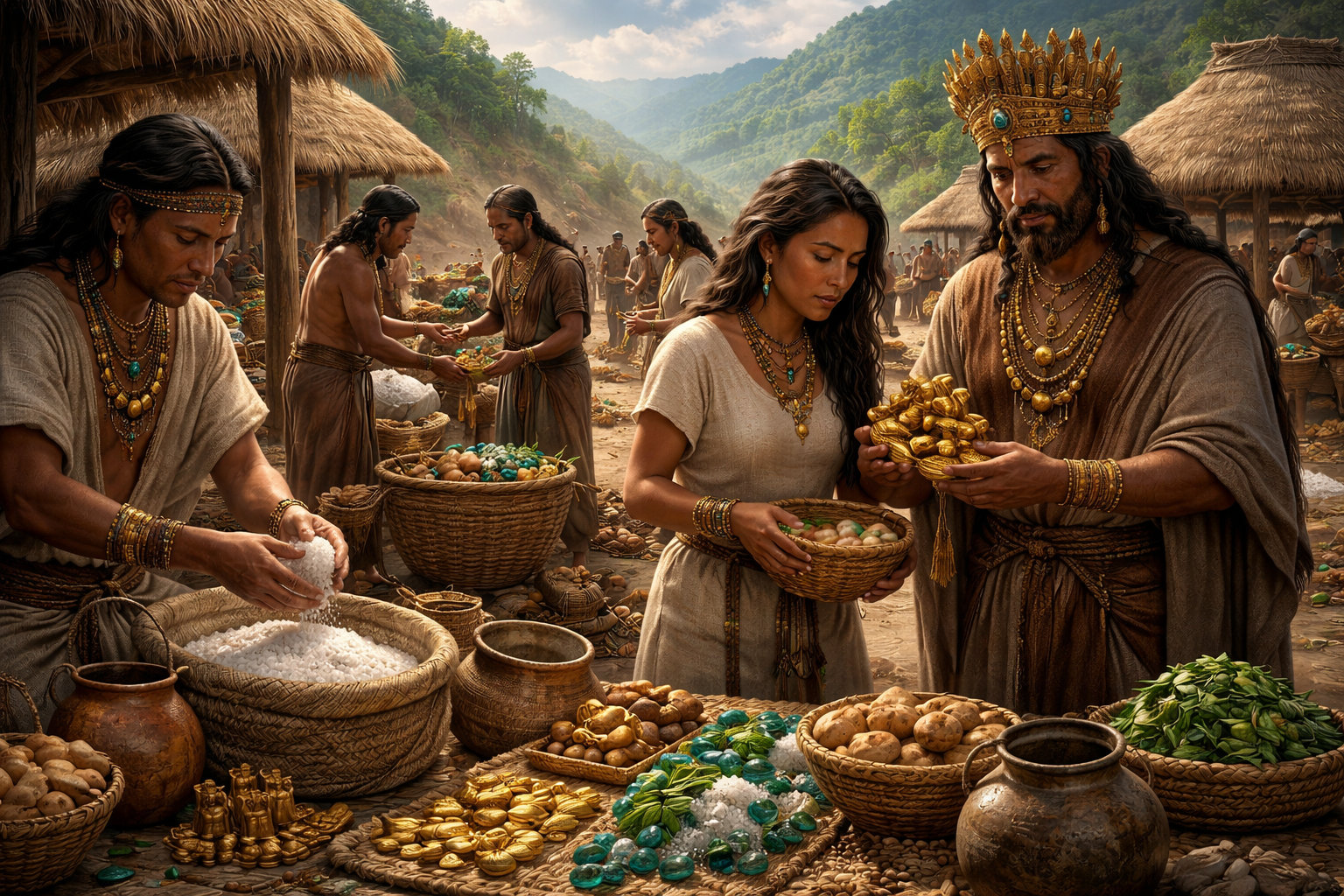
The spiritual life of the Muisca civilization was deeply connected to nature, celestial cycles, and divine forces. Rituals and festivals formed the core of their religious expression, reflecting a worldview where harmony between humans and the natural world was essential. These ceremonies were not only acts of devotion but also reinforced social order and cultural identity.
Muisca religious practices revolved around honoring deities associated with the sun, moon, water, and fertility. Festivals marked agricultural cycles, seasonal transitions, and significant communal events. Through offerings, music, and symbolic acts, the Muisca people celebrated their connection to both the physical and spiritual realms.
Table of Contents
Ritual Overview
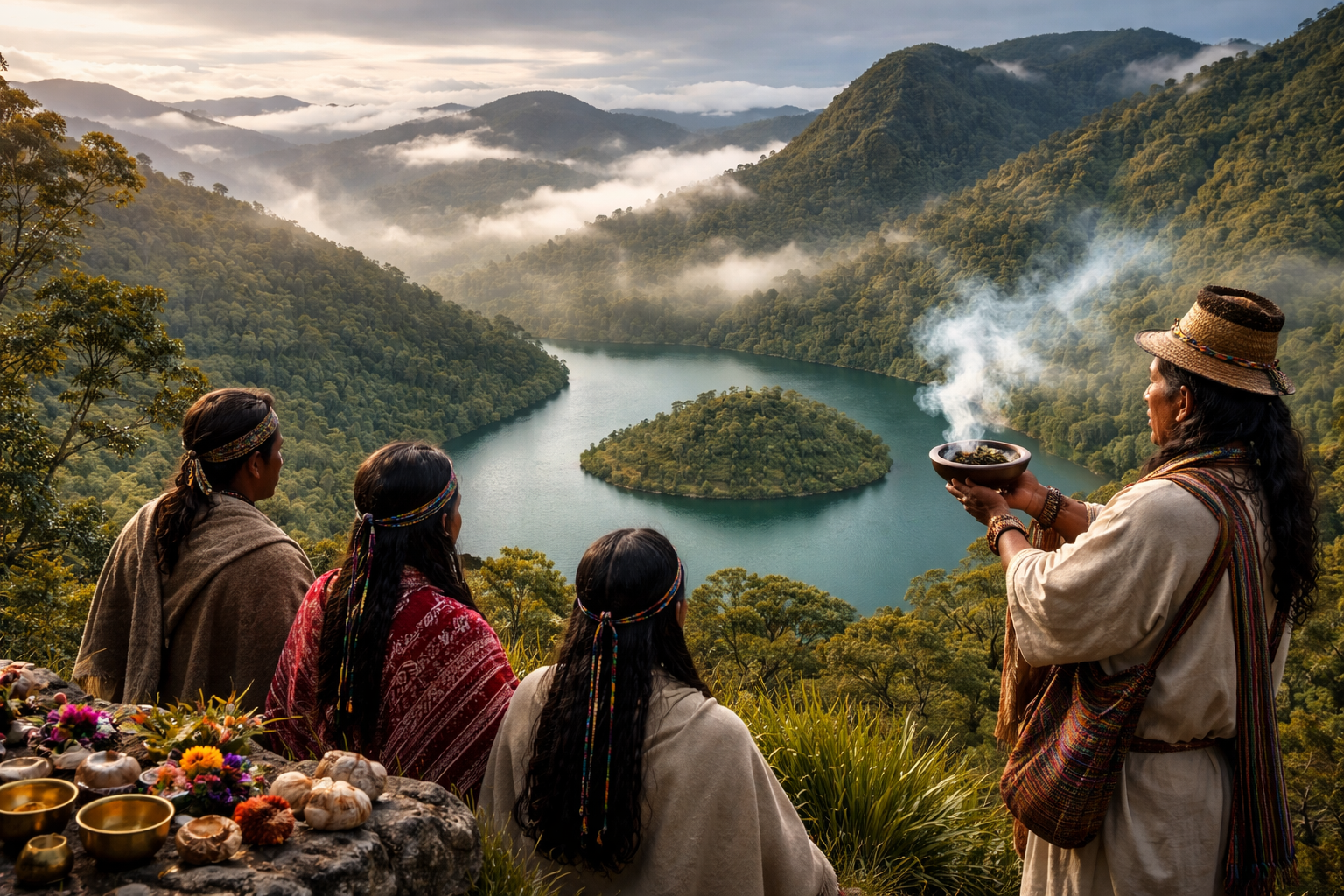
Rituals in the Muisca religion were highly structured and carried deep symbolic meaning. They often took place in sacred spaces such as temples, lakes, and mountains, which were believed to be inhabited by divine spirits. Priests played a central role in conducting ceremonies and ensuring that rituals were performed correctly.
These rituals were closely tied to the rhythms of nature. Agricultural cycles, lunar phases, and solar movements dictated the timing of festivals. By aligning their ceremonies with these natural patterns, the Muisca reinforced their belief in the interconnectedness of all life.
Overview Of Ritual Practices
| Aspect | Description |
|---|---|
| Sacred Sites | Lakes, temples, and mountains used for ceremonies |
| Priest Role | Spiritual leaders guiding rituals and offerings |
| Natural Cycles | Alignment with seasons and celestial events |
| Offerings | Gold, food, and symbolic objects |
| Community Role | Collective participation in festivals |
Solar Worship
The sun held a central place in Muisca religion, represented by the deity Sué. Festivals dedicated to the sun celebrated its life-giving power and its role in sustaining agriculture. These ceremonies often included offerings of gold, which symbolized sunlight and divine energy.
Solar rituals were grand communal events that brought together entire communities. They reinforced the importance of unity and gratitude, as the sun was seen as a source of both physical and spiritual nourishment. Through these celebrations, the Muisca expressed reverence for the forces that sustained their existence.
Lunar Ceremonies
The moon, represented by the goddess Chía, was equally significant in Muisca spirituality. Lunar festivals were associated with fertility, femininity, and the cycles of life. These ceremonies often coincided with specific phases of the moon, highlighting its influence on natural rhythms.
Lunar rituals emphasized balance and harmony, complementing the solar focus on energy and growth. Together, sun and moon worship created a dual framework that guided Muisca religious practices and worldview.
Festival Elements
- Use of music, dance, and chanting to invoke divine presence
- Offerings of gold, food, and crafted items
- Processions to sacred sites such as lakes and temples
- Ritual cleansing and purification practices
- Symbolic acts representing natural and cosmic cycles
These elements made Muisca festivals vibrant and meaningful. They combined artistic expression with spiritual devotion, creating experiences that engaged both individuals and the community.
Sacred Offerings
Offerings were a central component of Muisca rituals, serving as a means of communication with the divine. Gold objects, in particular, held great significance due to their association with the sun. These items were often deposited in sacred lakes, symbolizing a return of wealth to the gods.
Food and other materials were also offered as expressions of gratitude and respect. These acts reinforced the reciprocal relationship between humans and deities, emphasizing the importance of giving back to the natural world.
Water Rituals
Water held a sacred place in Muisca religion, particularly in lakes and rivers believed to be inhabited by spiritual beings. Ceremonies conducted at these sites often involved offerings and purification rituals. Water was seen as a source of life and a medium for connecting with the divine.
One of the most famous traditions linked to water rituals is the legend associated with El Dorado, where rulers performed ceremonies involving gold offerings in lakes. These rituals symbolized renewal, abundance, and spiritual transformation.
Agricultural Festivals
- Celebrations marking planting and harvest seasons
- Rituals to ensure the fertility of the भूमि and crops
- Community feasts and shared meals
- Offerings to deities for protection and abundance
- Seasonal gatherings reinforce social bonds
Agricultural festivals were essential for sustaining the community. They aligned spiritual practices with practical needs, ensuring that religious observance supported daily life and survival.
Community Role
Muisca rituals were inherently communal, involving participation from all members of society. These gatherings strengthened social cohesion and reinforced shared beliefs. Festivals provided opportunities for individuals to connect with the divine.
Leadership during these events was typically provided by priests and rulers, who acted as intermediaries between the people and the gods. Their role was crucial in maintaining the spiritual and social order of the community.
Cultural Legacy
The rituals and festivals of the Muisca continue to influence modern cultural practices in regions of Colombia. Elements of their traditions can still be seen in local celebrations, art, and spiritual beliefs. This enduring legacy highlights the significance of Muisca religion in shaping cultural identity.
By studying these rituals, we gain insight into a worldview that emphasizes balance, respect for nature, and communal harmony. The Muisca example offers valuable perspectives on the relationship between humans and the environment.
Wrapping Up
Rituals and festivals in the Muisca religion were vital expressions of their connection to nature and the divine. Through solar and lunar ceremonies, sacred offerings, and communal celebrations, the Muisca created a rich spiritual tradition that reflected their values and beliefs.
These practices not only sustained their society but also left a lasting cultural legacy. By understanding their rituals, we can appreciate the depth of their spirituality and the enduring relevance of their harmonious relationship with the natural world.