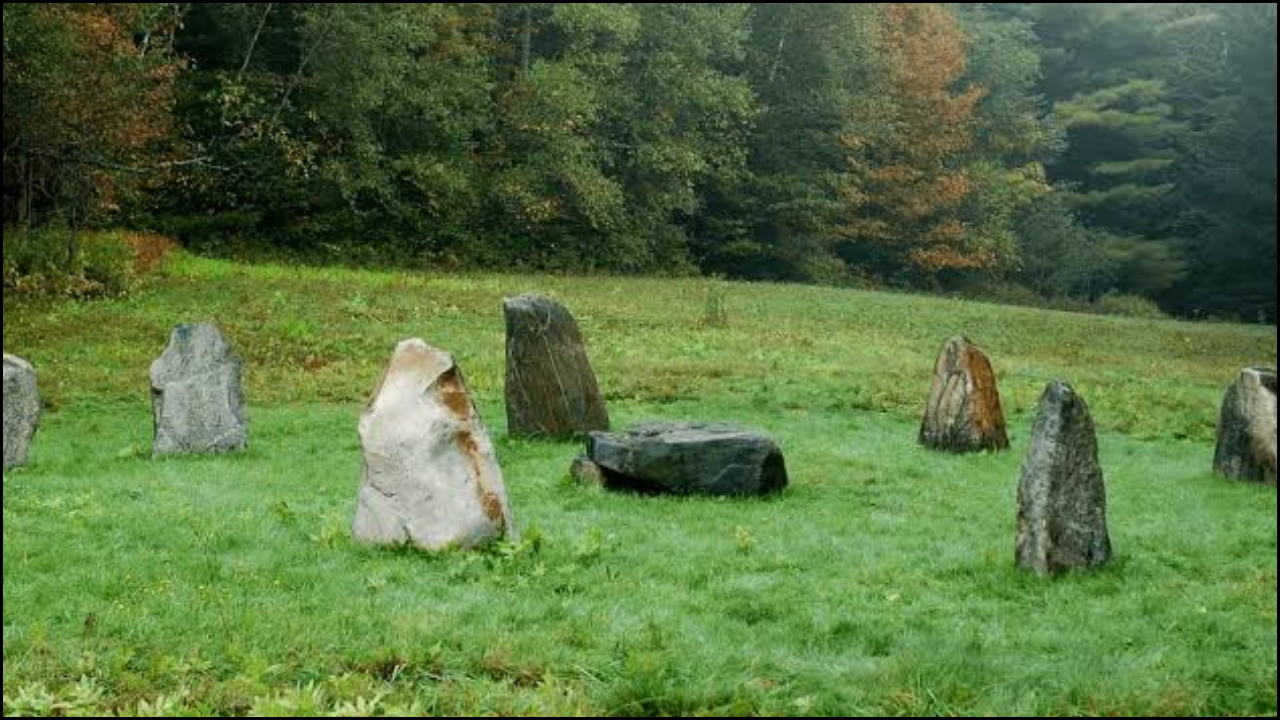
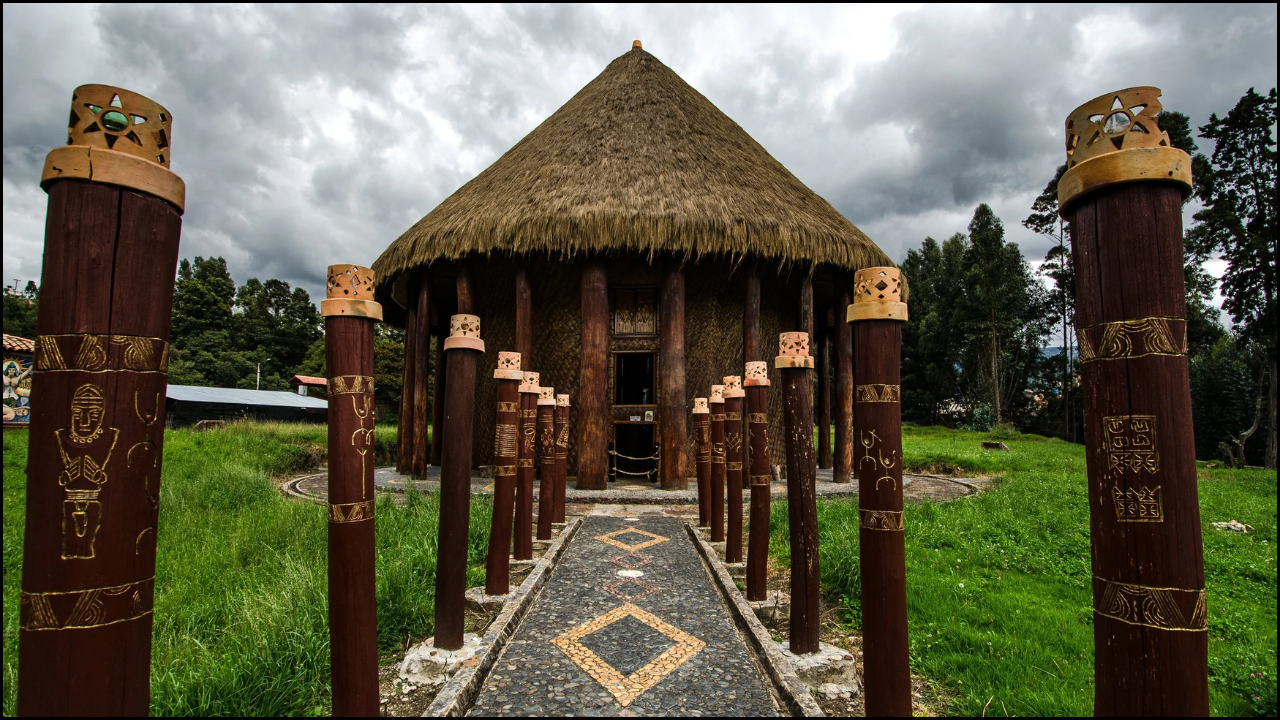
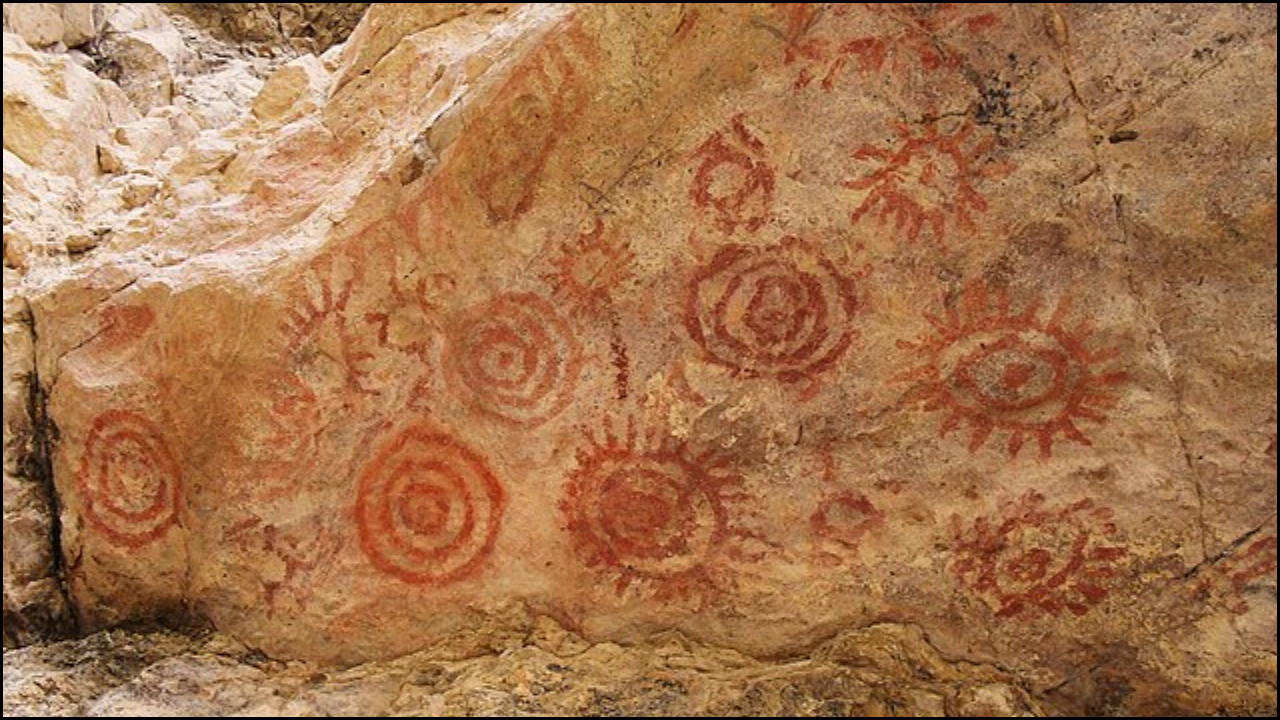
Agriculture formed the backbone of Muisca society, and the act of planting and harvesting crops was imbued with deep spiritual significance. For the Muisca, farming was not merely an economic activity but a sacred duty intertwined with cosmic order and divine favor. Rituals performed during these agricultural cycles ensured the blessing of deities, the fertility of the land, and the well-being of the community. These ceremonies reflected the Muisca belief that humans, nature, and the divine were inseparably connected.
Table of Contents
Agricultural Significance in Muisca Society
The Muisca lived on the Cundiboyacense Plateau, a fertile highland ideal for cultivating maize, potatoes, quinoa, and coca.
Agricultural productivity was directly tied to ritual observances and adherence to the sacred calendar.
Priests, known as chyquy, oversaw rituals to invoke divine guidance and interpret celestial signs for planting and harvesting.
Crops were considered gifts from the gods, requiring gratitude, protection, and ceremonial care.
Rituals reinforced community solidarity, as collective participation ensured social and spiritual harmony.
Crop
Purpose
Associated Ritual
Maize
Staple food
Offerings to Sué and Chía for fertility
Potatoes
Daily sustenance
Planting rituals at the new moon
Quinoa
Nutritional and ceremonial use
Blessings for abundance and protection
Coca
Medicinal and spiritual
Sacred consumption and divination
Chicha (fermented maize drink)
Ceremonial offerings
Used in libations and thanksgiving
Planting Rituals
Planting rituals began with prayers and offerings to Chiminigagua, the supreme being, and deities such as Sué (Sun) and Chía (Moon).
The new moon marked the ideal time for sowing, symbolizing growth, renewal, and the start of the agricultural cycle.
Priests performed purification ceremonies, cleansing the fields and tools with water, sacred herbs, and symbolic gestures.
Offerings of gold, seeds, and chicha were placed in the soil as gifts to nature spirits, asking for fertile growth.
Farmers recited chants and incantations, invoking the spirits of lakes, mountains, and rivers to protect the crops from drought, pests, and misfortune.
Step
Description
Cleansing
Fields and tools purified with water and herbs
Invocation
Prayers to deities and nature spirits for fertility
Offerings
Gold, chicha, and seeds placed in the soil
Sowing
Seeds planted in alignment with lunar phases
Chants and Music
Songs and instruments to honor spirits and invoke blessings
Harvest Rituals
Harvest time was considered a sacred period of gratitude and renewal.
The full moon often guided harvest rituals, symbolizing the completion of growth and the fullness of abundance.
Communities gathered to offer the first fruits to the gods, ensuring continued divine favor for the next cycle.
Ritual dances, music, and feasts accompanied the harvest, reinforcing social cohesion and spiritual celebration.
Special attention was given to storing seeds, which were preserved with rituals to ensure fertility for the following season.
Harvest Activity
Spiritual Significance
First fruits offering
Gratitude to deities and spirits
Communal feasts
Celebration of abundance and social unity
Dance and music
Invoking joy and divine blessing
Seed preservation
Ensuring fertility for future crops
Libations of chicha
Renewal of spiritual and agricultural cycles
Deities and Nature Spirits in Agriculture
Sué, the Sun god, controlled light, warmth, and the growth of crops.
Chía, the Moon goddess, governed water, tides, and fertility cycles.
Lake spirits influenced irrigation and water supply, particularly in sacred lakes like Guatavita and Iguaque.
Mountain and forest spirits were invoked to protect fields from natural disasters and ensure ecological balance.
Rituals emphasized reciprocity, offering respect and gifts in exchange for protection and abundance.
Deity/Spirit
Domain
Ritual Role
Sué (Sun)
Growth and light
Blessing seeds and fields
Chía (Moon)
Water and fertility
Guiding planting and harvest timing
Lake Spirits
Irrigation and abundance
Protection and rain invocation
Mountain Spirits
Protection and guidance
Ensuring crop and community safety
Forest Spirits
Wild resources and medicinal plants
Fertility and balance
Timing and Lunar Influence
The Muisca closely followed lunar cycles, using the waxing moon for sowing and the full moon for harvest.
The lunar calendar dictated agricultural schedules, festivals, and community rituals, reflecting cosmic alignment.
Observations of the sun, stars, and eclipses further informed the timing of ceremonies and fieldwork.
Synchronizing agriculture with celestial events reflected the Muisca understanding that human action must align with cosmic rhythms.
This careful observation fostered a holistic relationship with nature, ensuring ecological and spiritual harmony.
Communal Participation and Social Structure
Rituals involved the entire community, including farmers, priests, elders, and children.
Leaders and priests coordinated ceremonial offerings and dances, guiding the community in spiritual observance.
Ritual participation reinforced hierarchical and social roles, linking spiritual authority with practical leadership in agriculture.
Communal labor during planting and harvesting strengthened cooperation and mutual support, ensuring both social and ecological sustainability.
Festivals and ceremonies offered opportunities for cultural storytelling and the transmission of ancestral knowledge.
Symbolism of Offerings and Objects
Gold and tunjos (votive figures) represented divine light and prosperity.
Chicha and maize were used as libations to connect humans with the gods and spirits.
Sacred tools and ceremonial implements were treated with ritual care, reflecting the belief that material objects could channel divine energy.
Offerings also symbolized balance and reciprocity, acknowledging the gifts of the Earth and its spiritual custodians.
Every ritual object reinforced the sacredness of agricultural life and the human role in sustaining cosmic harmony.
Offering
Symbolism
Usage
Gold
Light, divinity, and prosperity
Buried in fields or lakes
Chicha
Fertility and gratitude
Libation and ceremonial drinking
Seeds
Continuity and life
First planting or harvest offering
Tunjos
Votive prayers and protection
Placed in sacred sites
Tools
Divine cooperation
Ritual purification and blessing
Legacy of Agricultural Rituals
Many contemporary indigenous communities continue to honor Muisca agricultural practices in local festivals and ceremonies.
Archaeological evidence, such as offerings in lakes and ceremonial plazas, provides insight into the sophistication of Muisca ritual life.
These rituals reveal a civilization deeply aware of ecological cycles, spiritual balance, and communal responsibility.
Modern interpretations of these traditions emphasize sustainable agriculture and reverence for nature.
The Muisca agricultural rituals remain a powerful example of integration between spirituality, ecology, and social life.
Looking Ahead
Rituals of planting and harvest in the Muisca tradition exemplify the civilization’s holistic worldview, where agriculture, spirituality, and community were inseparable. Through offerings, prayers, and ceremonies, the Muisca sought divine favor, maintained ecological balance, and reinforced social cohesion. These rituals reflect a profound respect for the land and its spiritual guardians, illustrating that agriculture was more than sustenance—it was a sacred practice that mirrored the harmony of the cosmos. The enduring legacy of these rituals highlights the importance of honoring nature and maintaining a balanced relationship between humans, the environment, and the divine.
She is a creative and dedicated content writer who loves turning ideas into clear and engaging stories. She writes blog posts and articles that connect with readers. She ensures every piece of content is well-structured and easy to understand. Her writing helps our brand share useful information and build strong relationships with our audience.