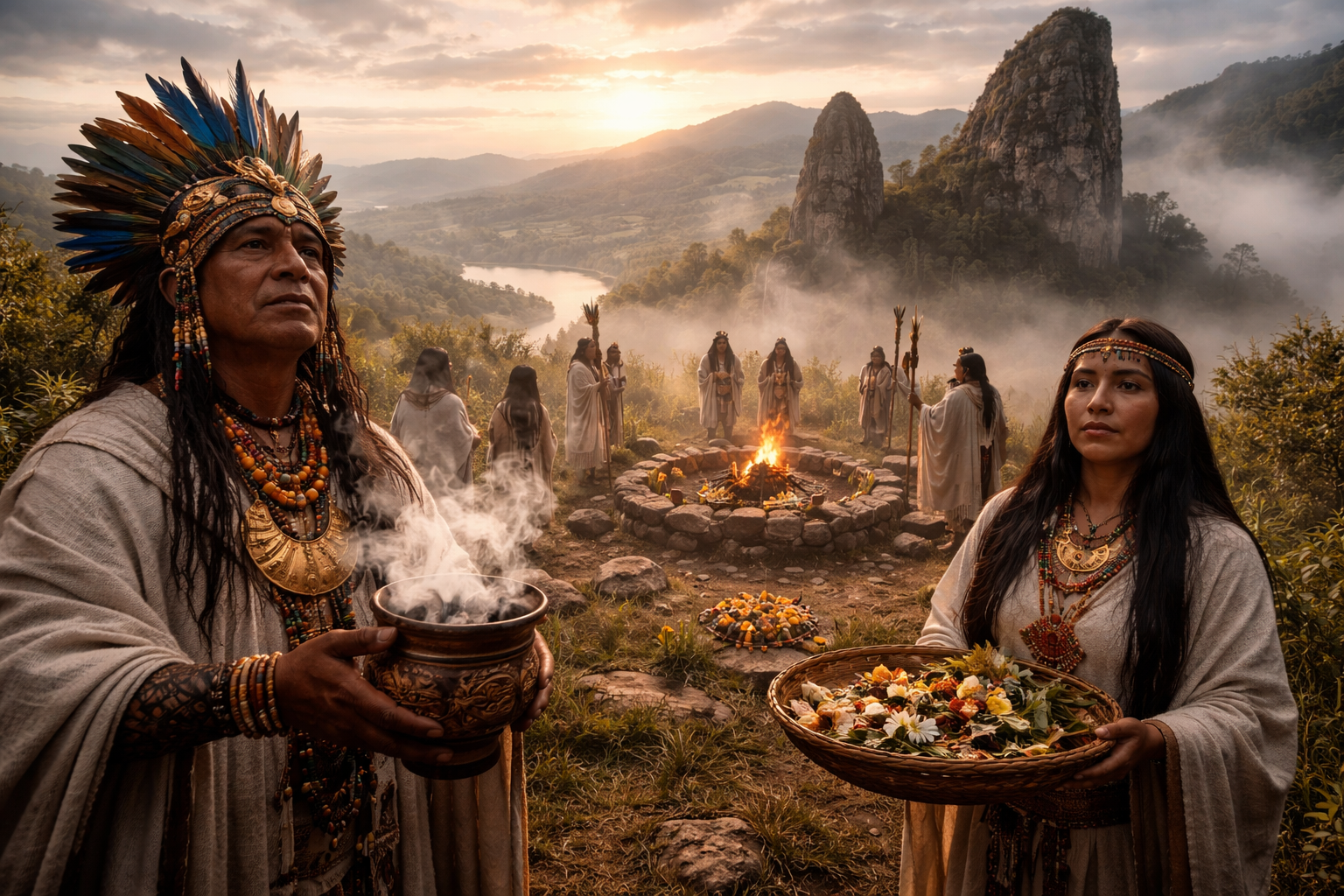
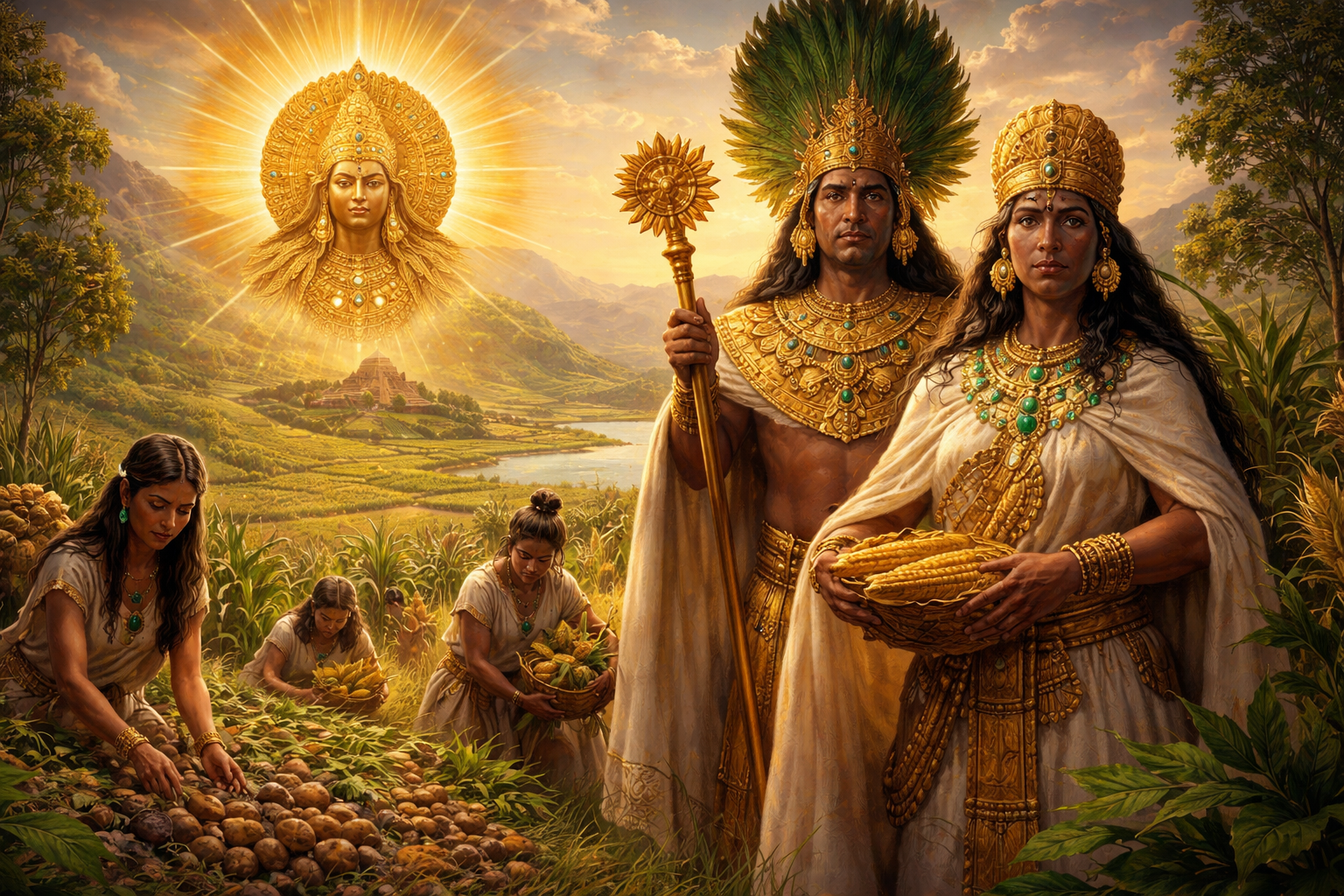
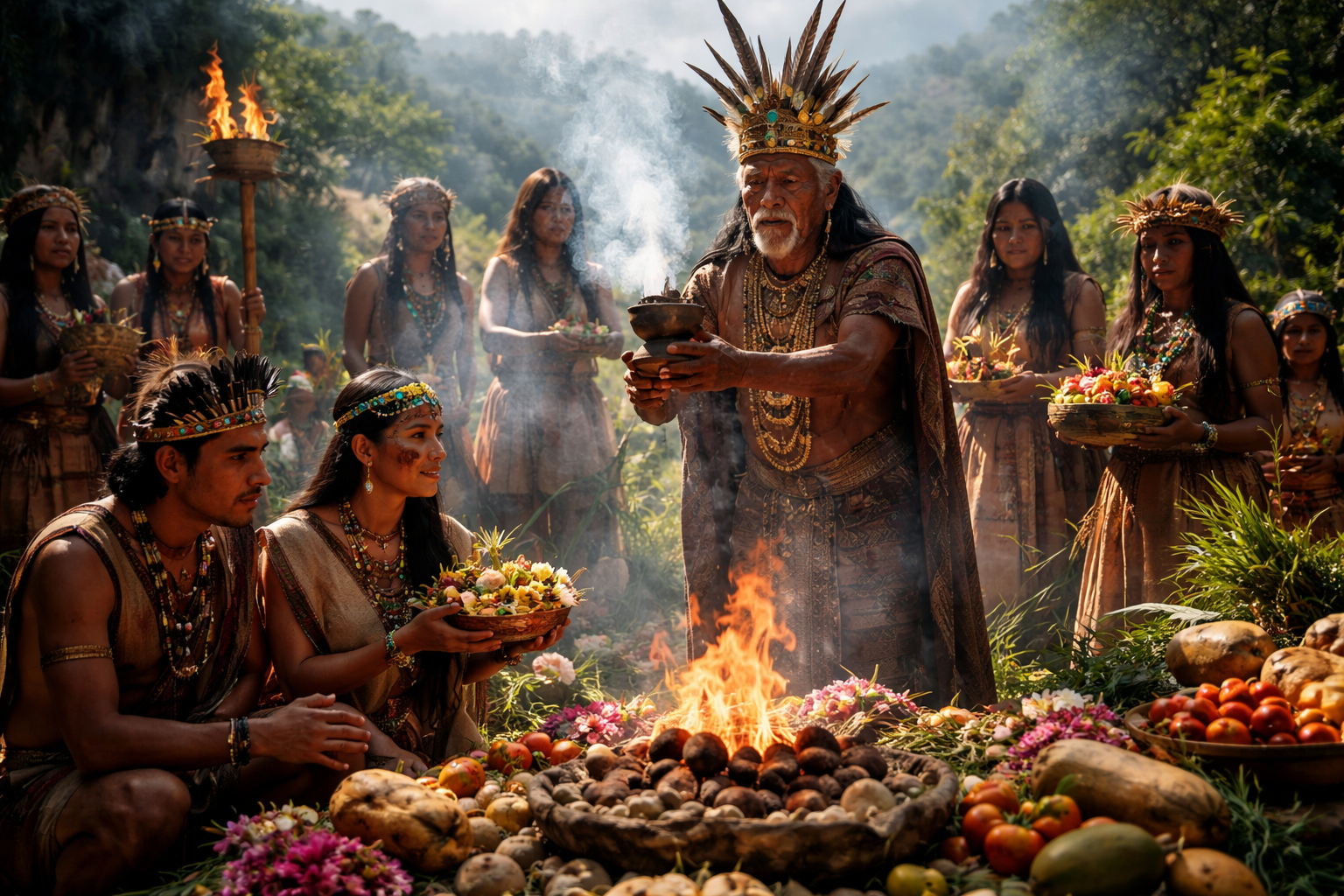
The relationship between land and spirituality has been a defining feature of many Indigenous cultures, and the Muisca are no exception. For the Muisca people, geography was not merely physical space but a sacred framework that shaped religious beliefs, social organization, and daily life. Natural features such as lakes and mountains were seen as living entities connected to divine forces.
Understanding sacred geography in Muisca culture reveals how landscapes functioned as spiritual maps. These places were central to rituals, myths, and community identity, reflecting a worldview where nature and the divine were deeply intertwined.
Table of Contents
Sacred Overview
Sacred geography in Muisca culture refers to the spiritual significance assigned to natural landscapes. These places were believed to be inhabited by deities and ancestral spirits, forming a network of sacred sites across the region.
Sacred Geography Overview Table
| Element | Details |
|---|---|
| Core Belief | Nature as a living spiritual entity |
| Key Features | Lakes, mountains, caves, and rivers |
| Spiritual Role | Sites for rituals and offerings |
| Cultural Impact | Shapes identity and traditions |
| Primary Purpose | Connect humans with divine forces |
This overview highlights the importance of geography as a central component of Muisca spirituality.
Cultural Context
The Muisca civilization thrived in the Andean highlands of present-day Colombia. Their society was deeply connected to the environment, with spiritual beliefs guiding how they interacted with the land. Sacred sites were carefully chosen based on their natural features and symbolic meanings.
Mythology played a crucial role in defining these sacred spaces. Stories of creation and deities were often linked to specific locations, reinforcing their spiritual importance. This connection ensured that geography was both a physical and cultural anchor for the Muisca people.
Sacred Lakes
Lakes held a particularly important place in Muisca sacred geography. They were considered portals to the spiritual world and were often associated with creation myths and divine beings. Rituals performed at lakes were meant to maintain harmony between humans and the gods.
- Lake Guatavita
- Central to the legend of El Dorado
- Used for ceremonial offerings
- Lake Tota
- Associated with myths of powerful spirits
- Site of spiritual significance
- Ritual Practices
- Offerings of gold and valuables
- Ceremonial gatherings and prayers
These lakes symbolized both abundance and spiritual connection, making them vital to Muisca religious life.
Mountain Symbolism
Mountains were regarded as sacred spaces that connected the earthly and divine realms. Their towering presence made them natural symbols of strength, protection, and spiritual elevation. The Muisca believed that mountains were inhabited by powerful deities.
- Monserrate
- Considered a sacred peak
- Offers a vantage point over the region
- Highland Peaks
- Represented closeness to the heavens
- Used for rituals and observation
- Spiritual Meaning
- Symbolized stability and endurance
- Linked to divine protection
Mountains served as both physical landmarks and spiritual centers, reinforcing their importance in Muisca cosmology.
Ritual Landscapes
Sacred geography extended beyond individual sites to include entire landscapes used for rituals. These areas were carefully selected and often connected through symbolic pathways. Ritual landscapes allowed for large-scale ceremonies and communal participation.
These spaces were designed to reflect cosmic order and balance. The arrangement of sites often mirrored celestial patterns, emphasizing the connection between the الأرض and the sky. This integration of space and spirituality created a holistic religious environment.
Spiritual Practices
Muisca spiritual practices were deeply rooted in their interaction with sacred landscapes. Rituals, offerings, and ceremonies were conducted at specific sites to honor deities and maintain cosmic balance. These practices reinforced the sacred nature of geography.
Priests and community leaders played a key role in organizing and conducting rituals. Their knowledge of sacred sites and traditions ensured that spiritual practices were carried out correctly. This structure helped preserve cultural continuity across generations.
Symbolic Meaning
The symbolic meaning of sacred geography in Muisca culture goes beyond physical features. Each element of the landscape represented deeper spiritual concepts, such as creation, fertility, and transformation. These symbols were embedded in myths and rituals.
Understanding these meanings provides insight into how the Muisca viewed the world. Nature was not separate from human life but an integral part of spiritual existence. This perspective fostered respect and reverence for the environment.
Modern Relevance
Today, the sacred geography of the Muisca continues to hold cultural and historical significance. Many of these sites are preserved as heritage locations, attracting researchers and visitors interested in Indigenous traditions.
Efforts to protect these landscapes emphasize their importance not only as historical sites but also as living cultural spaces. Recognizing their value helps promote respect for Indigenous knowledge and environmental stewardship.
Final Thoughts
Sacred geography in Muisca culture illustrates the profound connection between land and spirituality. Lakes, mountains, and ritual landscapes were not just physical features but vital components of religious and cultural life.
By exploring these sacred spaces, we gain a deeper understanding of the Muisca worldview and their harmonious relationship with nature. Preserving this heritage ensures that future generations can continue to learn from and appreciate these rich cultural traditions.