The Chibcha, closely associated with the Muisca civilization, developed a deeply spiritual relationship with their natural environment. Their worldview was rooted in the belief that landscapes were not merely physical spaces but sacred realms inhabited by divine forces. Lakes, mountains, and valleys held symbolic meanings and played central roles in religious practices.
This sacred geography shaped every aspect of Chibcha life, from ritual ceremonies to social organization. By embedding spirituality into the land itself, they created a living map of beliefs and traditions that connected communities to their environment and to the cosmos.
Table of Contents
Sacred Overview
Understanding the sacred geography of the Chibcha requires examining the natural elements that formed the foundation of their spiritual and cultural systems.
Overview Of Sacred Geographic Elements
| Component | Description |
|---|---|
| Sacred Lakes | Sites of offerings and origin myths |
| Mountain Peaks | Elevated spaces linked to deities |
| Ritual Landscapes | Areas designated for ceremonies |
| Cosmic Beliefs | Spiritual interpretations of nature |
| Pilgrimage Routes | Paths connecting sacred sites |
| Symbolic Ecology | Nature as a reflection of divine order |
These elements collectively created a sacred network across the Chibcha territory. Each location carried specific meanings that reinforced cultural identity and spiritual continuity.
Sacred Lakes
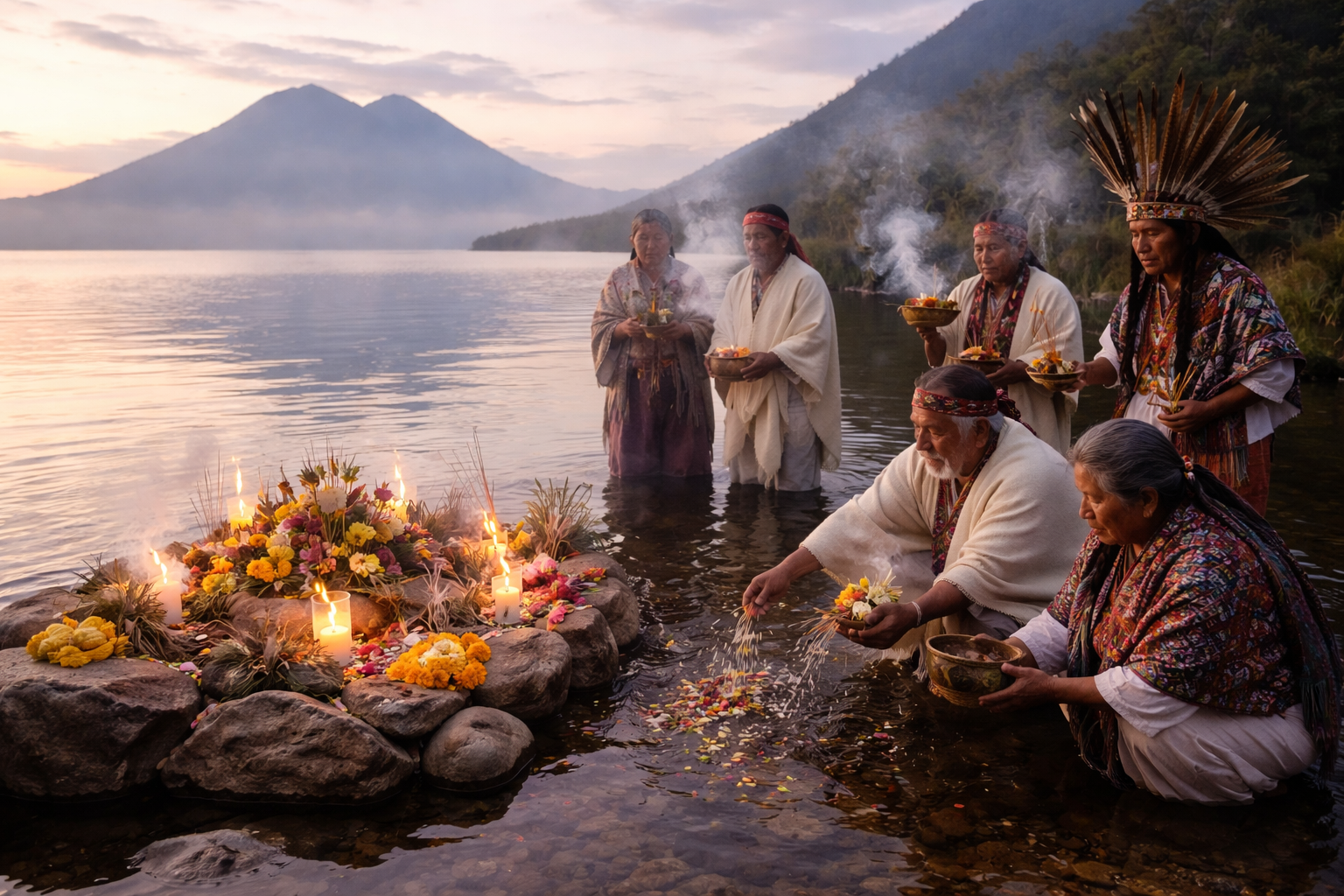
Lakes were among the most important sacred sites in Chibcha belief systems. They were often associated with creation myths and considered portals to the spiritual world. One of the most renowned sites is Lake Guatavita, linked to rituals that inspired the legend of El Dorado.
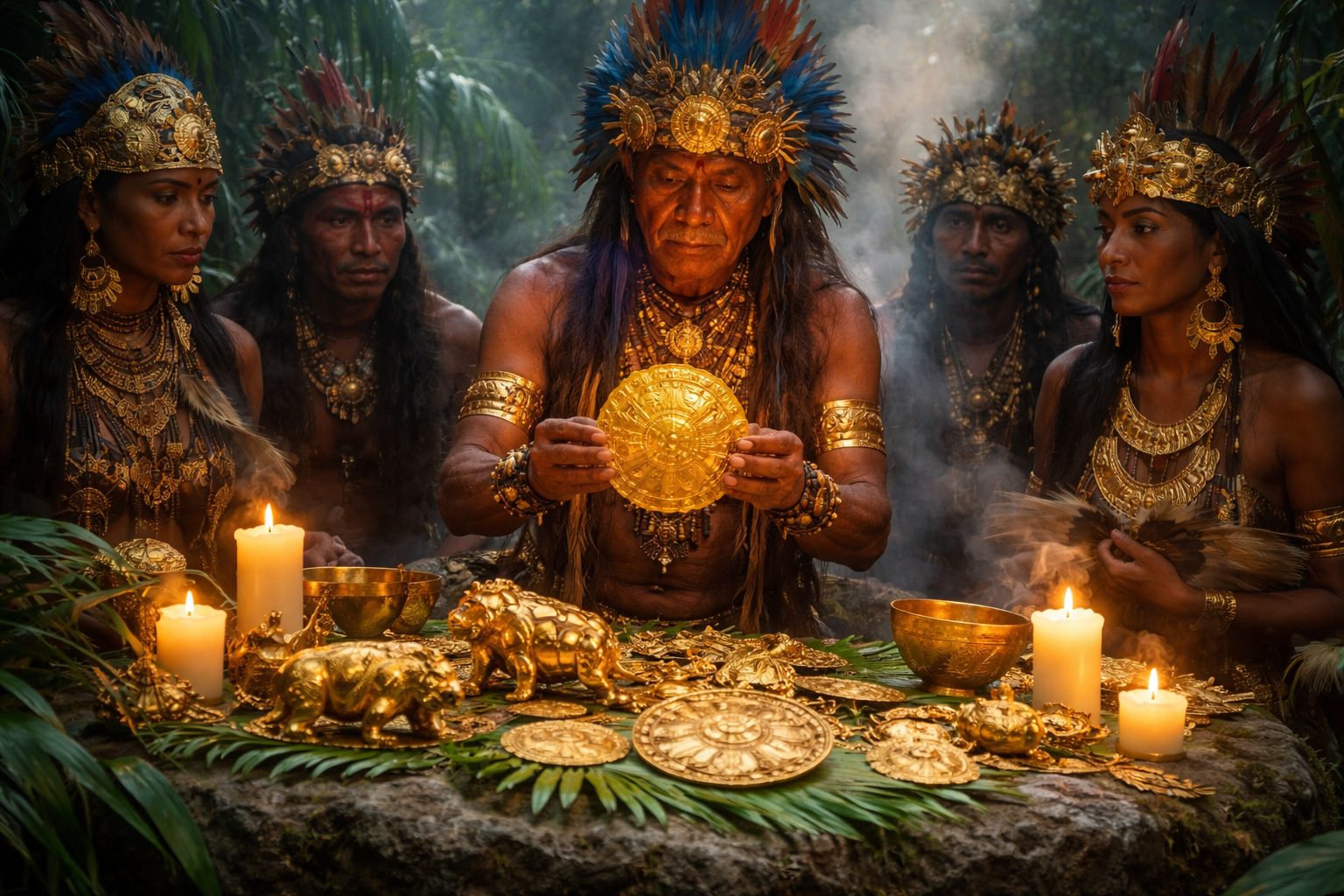
Ceremonies at these lakes involved offerings of gold, emeralds, and other valuable items. These acts symbolized communication with deities and the maintenance of cosmic balance. The reflective surface of water also held symbolic meaning, representing a connection between earthly and spiritual realms.
Mountain Peaks
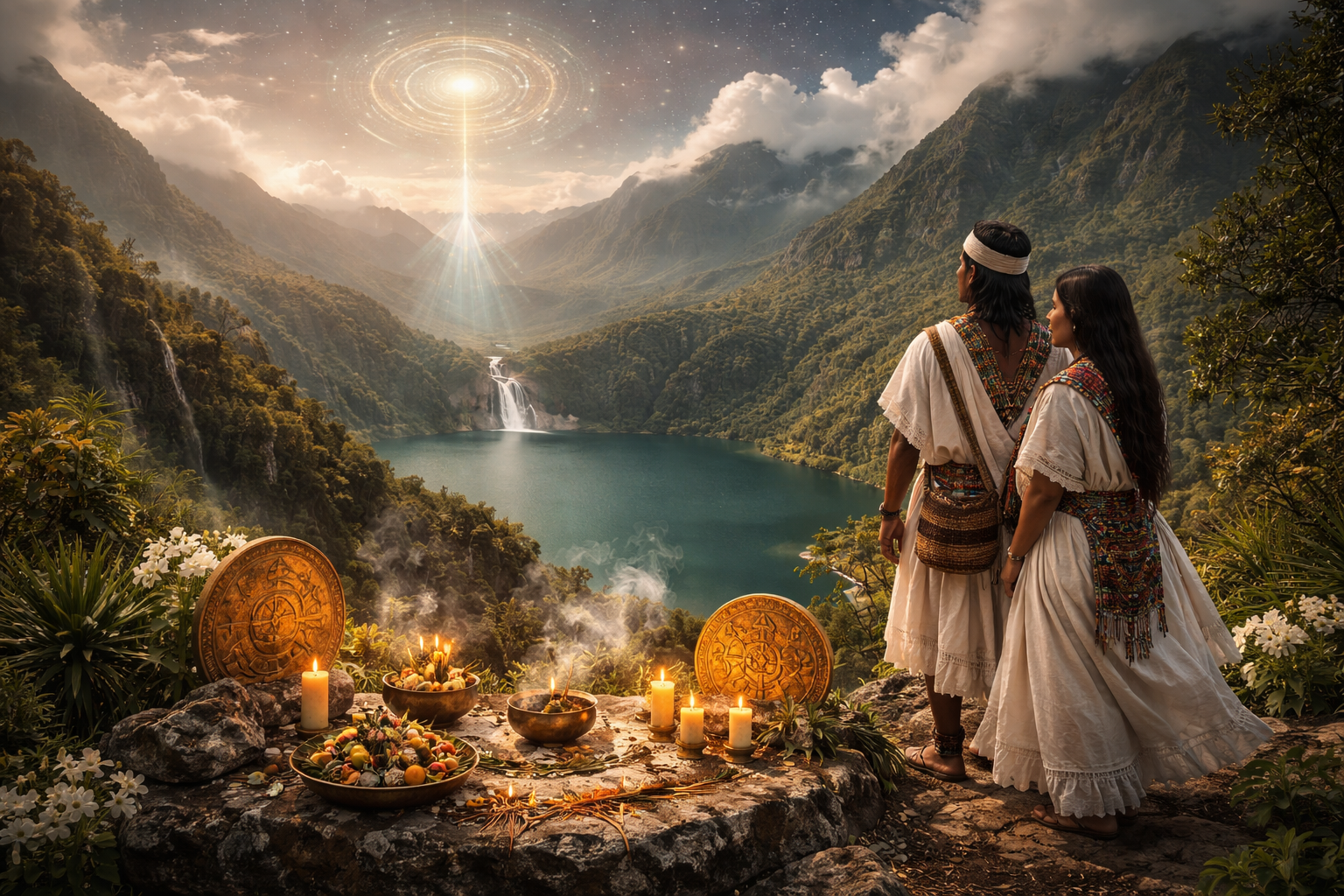
Mountains were seen as sacred spaces due to their elevation and proximity to the sky. The Chibcha believed that these உயர peaks were closer to divine forces and served as dwelling places for gods and ancestral spirits.
Mountain rituals often involved prayers, offerings, and observation of celestial events. These practices reinforced the connection between the natural world and the spiritual cosmos, highlighting the importance of geography in religious expression.
Ritual Spaces
- Ceremonial Grounds: Designated areas for public rituals and gatherings
- Sacred Altars: Sites for offerings and spiritual communication
- Burial Sites: Locations honoring ancestors and the afterlife
- Astronomical Points: Places aligned with celestial observations
Ritual spaces were carefully selected based on their geographic and symbolic significance. These locations functioned as centers of spiritual activity and community cohesion.
Cosmic Beliefs
The Chibcha worldview was deeply intertwined with cosmic interpretations of nature. They believed that natural elements reflected the order of the universe and that human actions could influence this balance.
Deities such as Bachué and Sué were central to these beliefs. Their stories were often connected to specific geographic features, reinforcing the sacred nature of the landscape.
Pilgrimage Routes
Pilgrimage routes connected various sacred sites, allowing communities to engage in spiritual journeys across the landscape. These routes were not only physical paths but also symbolic journeys that reflected personal and collective devotion.
Travel along these routes often involved rituals, storytelling, and communal participation. The act of movement itself became a form of worship, linking individuals to a broader spiritual network.
Symbolic Ecology
- Water Bodies: Represented life, fertility, and transformation
- Mountains: Symbolized strength and divine presence
- Forests: Seen as spaces of mystery and spiritual energy
- Sky Elements: Connected to celestial deities and cycles
Symbolic ecology illustrates how the Chibcha interpreted their environment as a reflection of spiritual truths. Each natural element carried layered meanings that informed daily life and rituals.
Social Integration
Sacred geography played a key role in uniting Chibcha communities. Shared beliefs about the land fostered a sense of collective identity and purpose. Ritual gatherings at sacred sites strengthened social bonds and reinforced cultural traditions.
The integration of spirituality and geography also influenced leadership and governance. Religious leaders often held authority over sacred spaces, guiding community practices and maintaining spiritual order.
Environmental Balance
The Chibcha approach to sacred geography promoted respect for nature and sustainable practices. By viewing the environment as sacred, they were more likely to protect and preserve it.
This perspective encouraged harmony between human activity and natural systems. It also ensured that resources were used responsibly, supporting long-term ecological balance.
Cultural Continuity
- Oral Traditions: Stories preserving sacred knowledge
- Ritual Practices: Passed down through generations
- Artistic Expression: Reflecting spiritual themes
- Community Memory: Maintaining connection to sacred sites
Cultural continuity ensured that the sacred geography of the Chibcha remained a living tradition. These practices helped preserve their identity despite external changes.
Modern Significance
Today, the sacred landscapes of the Chibcha continue to hold cultural and historical importance. They attract researchers, historians, and visitors interested in understanding indigenous worldviews.
Efforts to preserve these sites highlight the ongoing relevance of Chibcha traditions. They also emphasize the importance of respecting and protecting cultural heritage.
Looking Ahead
The sacred geography of the Chibcha reveals a profound connection between people and the natural world. Through lakes, mountains, and ritual landscapes, they created a spiritual map that guided their beliefs and practices.
This enduring relationship between land and identity offers valuable lessons for modern societies. By recognizing the cultural and spiritual significance of natural environments, we can foster greater respect for both heritage and the planet.