Lakes held profound spiritual and cultural significance for the Muisca people of the Colombian highlands. Guatavita, Iguaque, and Tota were not merely sources of water but sacred spaces intertwined with cosmology, fertility, and ritual practice. These bodies of water were seen as dwellings of deities, portals to the spirit world, and centers of communal activity. Understanding their sacred role reveals the deep connection between nature, spirituality, and social organization in Muisca society.
Table of Contents
Lake Guatavita
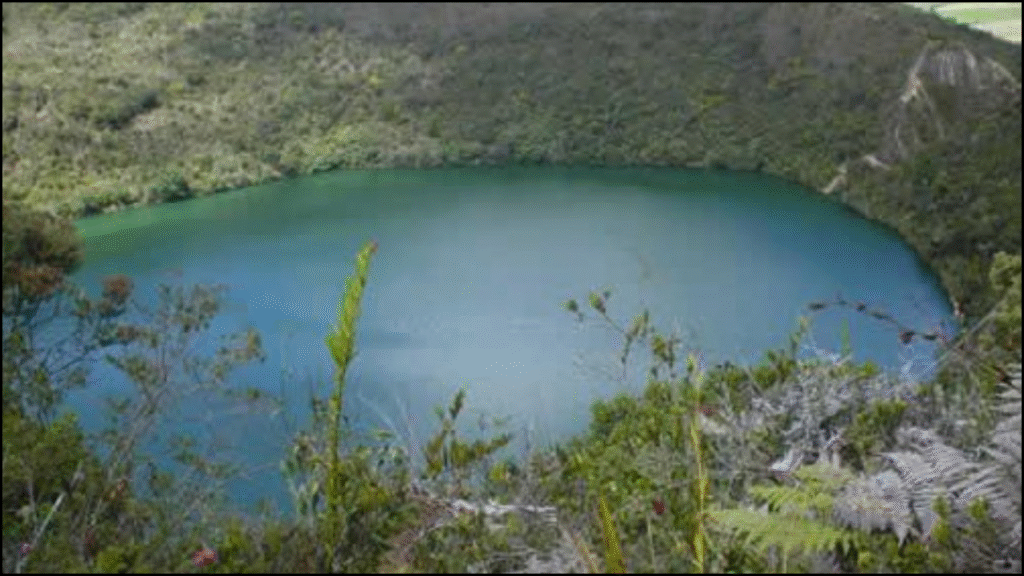
Guatavita is perhaps the most famous Muisca sacred lake, located near present-day Bogotá.
It was closely associated with the ritual of El Dorado, where the new zipa (ruler) would cover himself in gold dust and immerse himself in the lake as an offering to the gods.
The lake symbolized fertility, abundance, and divine favor, serving as a bridge between the earthly and spiritual realms.
Ritual offerings included gold tunjos, precious stones, and ceremonial objects, thrown into the water to honor Chiminigagua and other deities.
Guatavita also functioned as a social and ceremonial center, reinforcing community cohesion and religious hierarchy.
Feature
Spiritual Significance
Ritual Practice
Water of Guatavita
Fertility, divine favor
Gold-covered zipa immersion, offerings of tunjos
Surrounding hills
Sacred boundaries
Ritual processions and ceremonial observation
Lake center
Portal to spirits
Depositing offerings into the lake
Lake Iguaque
Iguaque, located in the Iguaque National Park, was considered the birthplace of humanity in Muisca mythology.
Associated with Bachué, the Mother Goddess, the lake represented creation, fertility, and the continuity of life.
Offerings and rituals at Iguaque sought fertility for crops, livestock, and human families, linking ecological cycles to spiritual guidance.
The surrounding páramo ecosystem was preserved as a sacred landscape, reflecting environmental stewardship grounded in spirituality.
Pilgrimages to the lake reinforced social cohesion and the transmission of cultural knowledge.
Feature
Spiritual Significance
Ritual Practice
Lake waters
Birth, creation, fertility
Offerings of food, seeds, and ritual objects
Surrounding páramo
Sacred ecosystem
Conservation and respect for the natural environment
Pilgrimage paths
Connection to ancestors
Communal ceremonies and storytelling
Lake Tota
Tota is the largest lake in Colombia and was considered a sacred territory inhabited by water spirits.
It played a key role in agricultural rituals, ensuring the fertility of the land and the abundance of fish.
Offerings were made to maintain balance between human activity and natural cycles, reflecting the Muisca understanding of ecological interdependence.
Lake Tota was also linked to astronomical observations, with its waters reflecting celestial bodies during ceremonies.
The lake served as a boundary marker and cultural landmark, integrating natural geography into social and spiritual life.
Feature
Spiritual Significance
Ritual Practice
Water of Tota
Fertility, abundance
Offerings for crops, livestock, and fish
Lake islands
Spiritual sanctuaries
Ritual gatherings and ceremonies
Shorelines
Sacred meeting points
Community gatherings and festivals
Reflections of the sky
Celestial alignment
Astronomical observation in rituals
Spiritual and Environmental Integration
Lakes were considered living beings with agency, demanding respect and ethical stewardship.
Rituals ensured fertility, protection from natural disasters, and harmony with spirits, linking ecological health to spiritual observance.
Sacred lakes influenced settlement patterns, agriculture, and social organization, integrating natural resources into spiritual life.
Offerings reinforced a reciprocal relationship with the environment, teaching Muisca communities to maintain ecological balance.
Knowledge of the lakes and their rituals was transmitted orally, preserving both cultural identity and environmental management practices.
Legacy and Modern Significance
Archaeological evidence shows that offerings, tunjos, and ritual deposits were central to Muisca lake practices.
Today, Guatavita, Iguaque, and Tota are cultural and ecological heritage sites, attracting researchers, tourists, and indigenous practitioners.
Conservation efforts recognize the lakes’ historical, spiritual, and ecological importance, preserving both biodiversity and cultural memory.
Understanding Muisca lake rituals offers insights into sustainable resource management, sacred ecology, and community-based conservation.
The lakes exemplify how spiritual reverence can coexist with environmental stewardship, providing a model for holistic sustainability.
Lake
Primary Deity/Spirit
Key Ritual
Ecological Role
Guatavita
Chiminigagua
Gold immersion of the zipa
Fertility, water resource management
Iguaque
Bachué
Offerings for creation and fertility
Preservation of páramo ecosystem
Tota
Water spirits
Agricultural and fishery offerings
Fertility of land, ecological balance
Future Implications
Guatavita, Iguaque, and Tota were central to Muisca spirituality, embodying the sacred relationship between water, fertility, and community life. These lakes served as ritual centers, ecological regulators, and cultural symbols, integrating human activity with spiritual and environmental responsibility. The Muisca view of lakes illustrates a worldview where nature is sacred, resources are revered, and rituals maintain balance, offering timeless lessons for cultural preservation, ecological stewardship, and sustainable living.
She is a creative and dedicated content writer who loves turning ideas into clear and engaging stories. She writes blog posts and articles that connect with readers. She ensures every piece of content is well-structured and easy to understand. Her writing helps our brand share useful information and build strong relationships with our audience.