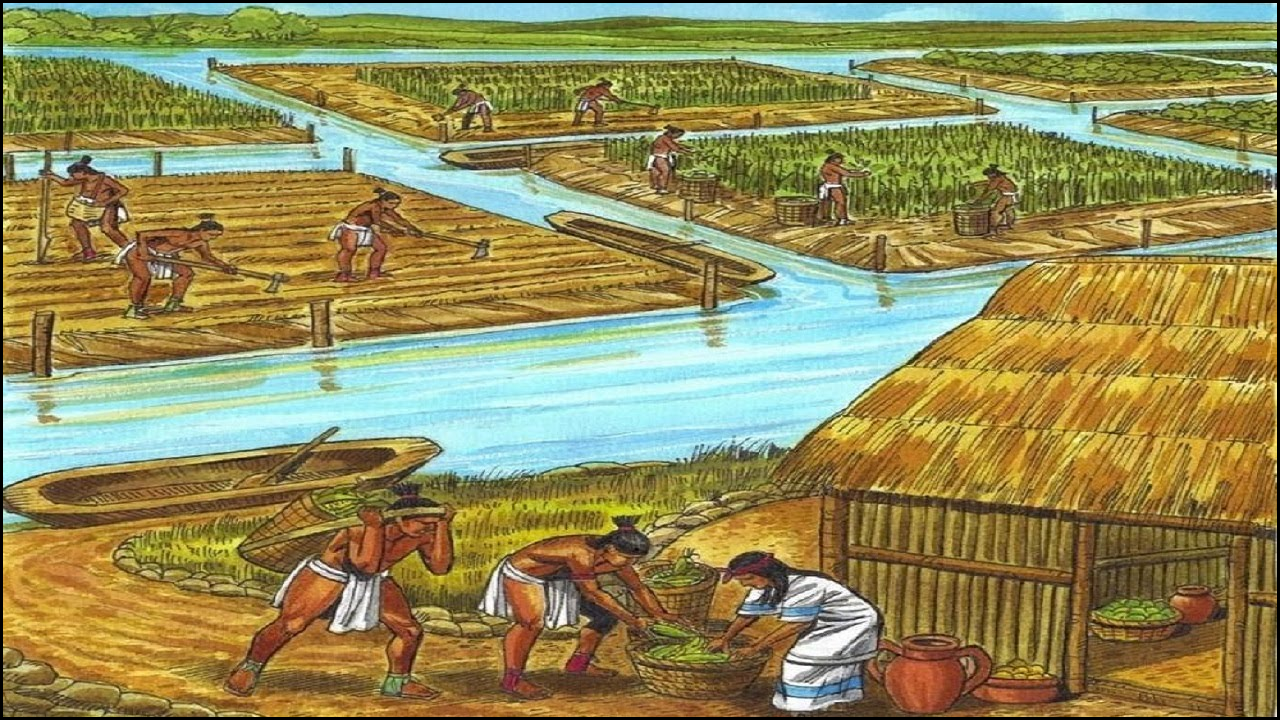
Indigenous communities across the world have developed deep ecological knowledge rooted in their connection to sacred landscapes. These environments are not merely physical spaces but hold cultural, spiritual, and historical significance. Through generations, Indigenous peoples have cultivated practices that sustain both nature and community life.
Ancestral knowledge systems emphasize harmony, respect, and responsibility toward the Earth. As modern societies face environmental challenges, these traditions offer valuable insights into sustainable living and ecological balance.
Table of Contents
Tradition Overview
Indigenous ecological traditions are grounded in a holistic understanding of the environment. Land, water, plants, animals, and humans are viewed as interconnected elements within a living system.
Ecological Tradition Snapshot
| Aspect | Details |
|---|---|
| Core Concept | Interconnected natural systems |
| Knowledge Source | Ancestral and oral traditions |
| Spiritual Role | Sacred relationship with land |
| Primary Goal | Sustainable coexistence |
| Transmission | Generational learning |
These traditions are preserved through rituals, storytelling, and everyday practices. They guide communities in maintaining ecological balance while respecting the sacredness of nature.
Sacred Spaces
- Landscapes considered spiritually significant
- Rituals performed to honor natural elements
- Protection of forests, rivers, and mountains
- Cultural identity tied to land
- Sacred sites preserved for future generations
Sacred landscapes are central to Indigenous identity and ecological practices. These spaces are often protected and managed with great care, ensuring their preservation over time.
The spiritual connection to these areas fosters a deep sense of responsibility. Communities view themselves as guardians of the land, maintaining its health and balance.
Knowledge Systems
- Oral storytelling as a method of education
- Observation of seasonal and environmental changes
- Community-based knowledge sharing
- Integration of spirituality and ecology
- Adaptive practices based on experience
Indigenous knowledge systems are dynamic and responsive to environmental changes. They combine observation, tradition, and innovation to manage natural resources effectively.
This holistic approach contrasts with fragmented modern systems. It provides a comprehensive understanding of ecosystems and their interdependencies.
Sustainable Practices
Indigenous communities employ sustainable practices that ensure long-term ecological balance. These include controlled harvesting, crop rotation, and respect for natural cycles.
Such practices minimize environmental impact and promote biodiversity. They demonstrate how traditional methods can support modern sustainability goals.
Cultural Continuity
- Preservation of traditions through generations
- Role of elders in knowledge transmission
- Community rituals reinforcing ecological values
- Language as a carrier of environmental knowledge
- Adaptation to changing environments
Cultural continuity ensures that ecological knowledge is not lost over time. Traditions and practices are passed down, maintaining a strong connection between past and present.
This continuity strengthens community resilience. It enables Indigenous peoples to adapt while preserving their core values and ecological wisdom.
Global Relevance
Indigenous ecological traditions are increasingly recognized for their global importance. They offer practical solutions to environmental challenges such as climate change and biodiversity loss.
Collaboration between Indigenous communities and modern institutions is growing. This partnership highlights the value of integrating traditional knowledge into contemporary environmental strategies.
The Bottom Line
Sacred landscapes and ancestral knowledge form the foundation of Indigenous ecological traditions. These systems emphasize balance, respect, and interconnectedness, offering valuable lessons for sustainable living.
As the world seeks solutions to environmental challenges, Indigenous wisdom provides a guiding framework. Embracing these traditions can help create a more harmonious relationship between humans and the natural world.