The Muisca civilization, which thrived in the Andean highlands of present-day Colombia, maintained a deep connection between its spiritual beliefs and agricultural practices. Central to this relationship were solar deities, whose worship guided planting and harvesting cycles. These deities symbolized life, fertility, and the essential forces governing crop growth.
Understanding the interplay between Muisca religion and agriculture offers insight into how cosmology influenced daily life. Rituals and offerings to solar deities were crucial for ensuring food security and sustaining societal stability, illustrating the integration of faith and subsistence in Muisca culture.
Table of Contents
Cultural Overview
Muisca Agriculture Table
| Aspect | Details |
|---|---|
| Region | Andean highlands of Colombia |
| Primary Deities | Solar gods, moon goddess, fertility spirits |
| Agricultural Focus | Maize, potatoes, quinoa, and tubers |
| Ritual Practices | Offerings, festivals, and ceremonial alignments |
| Cultural Significance | Ensured crop fertility and reinforced social cohesion |
The Muisca’s religious framework was intertwined with environmental understanding. Solar deities were seen as controllers of light and rain, directly affecting crop cycles and harvest success.
Through their rituals, the Muisca connected spiritual observance with practical agricultural outcomes, reflecting a holistic worldview where cosmic forces guided daily survival.
Solar Deities
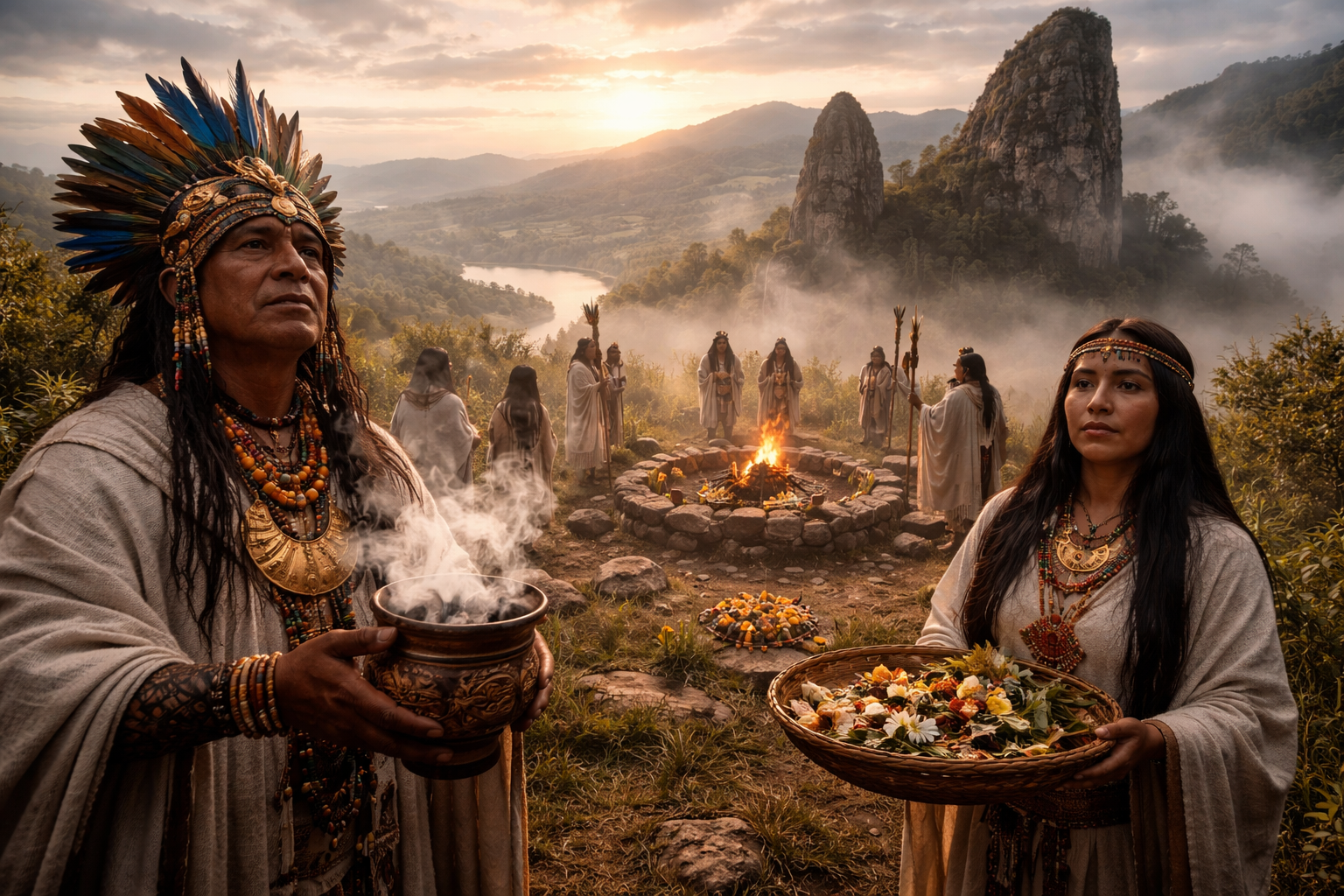
Solar deities were central to Muisca cosmology, representing the power of the sun in sustaining life. These gods were honored in temples and sacred sites, often with elaborate ceremonies aligned with seasonal changes.
The sun’s movement dictated timing for planting and harvesting, and offerings were made to secure favor and ensure abundance. The Muisca believed that neglecting these rituals could lead to poor harvests or environmental misfortune.
- Chief solar god overseeing fertility and light
- Ceremonial offerings, including gold, food, and textiles
- Temple rituals aligned with solstices and equinoxes
- Priestly guidance for proper observance and timing
- Symbolic art depicting solar motifs and agricultural themes
These practices reinforced the link between divine favor and agricultural productivity, integrating spirituality into everyday life.
Agricultural Cycles
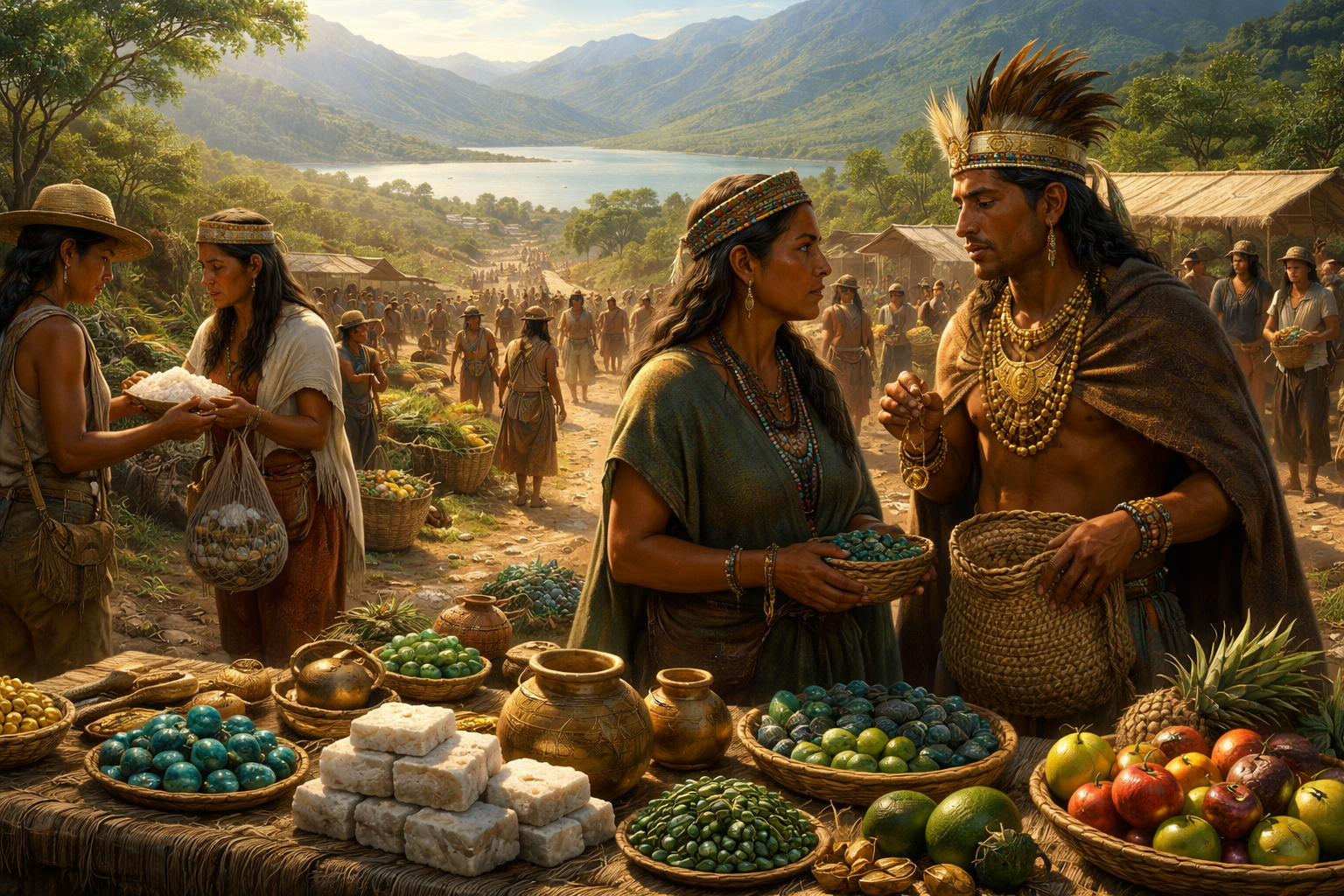
Agriculture in Muisca society followed cyclical patterns dictated by climate and celestial observations. Farmers planned sowing, irrigation, and harvesting according to solar and lunar calendars.
These cycles ensured that crops received optimal sunlight and rainfall. Rituals and community festivals were scheduled alongside agricultural milestones, reinforcing the spiritual dimension of farming.
- Planting season coordinated with solstice observation.s
- Irrigation and field preparation guided by priestly advice
- Harvest celebrations as expressions of gratitude to deities
- Crop rotation and soil management informed by traditional knowledge
- Community labor rituals aligning work with ceremonial timings
The integration of celestial cycles with agriculture reflected the Muisca’s understanding of environmental patterns and cosmic influence.
Ritual Practices
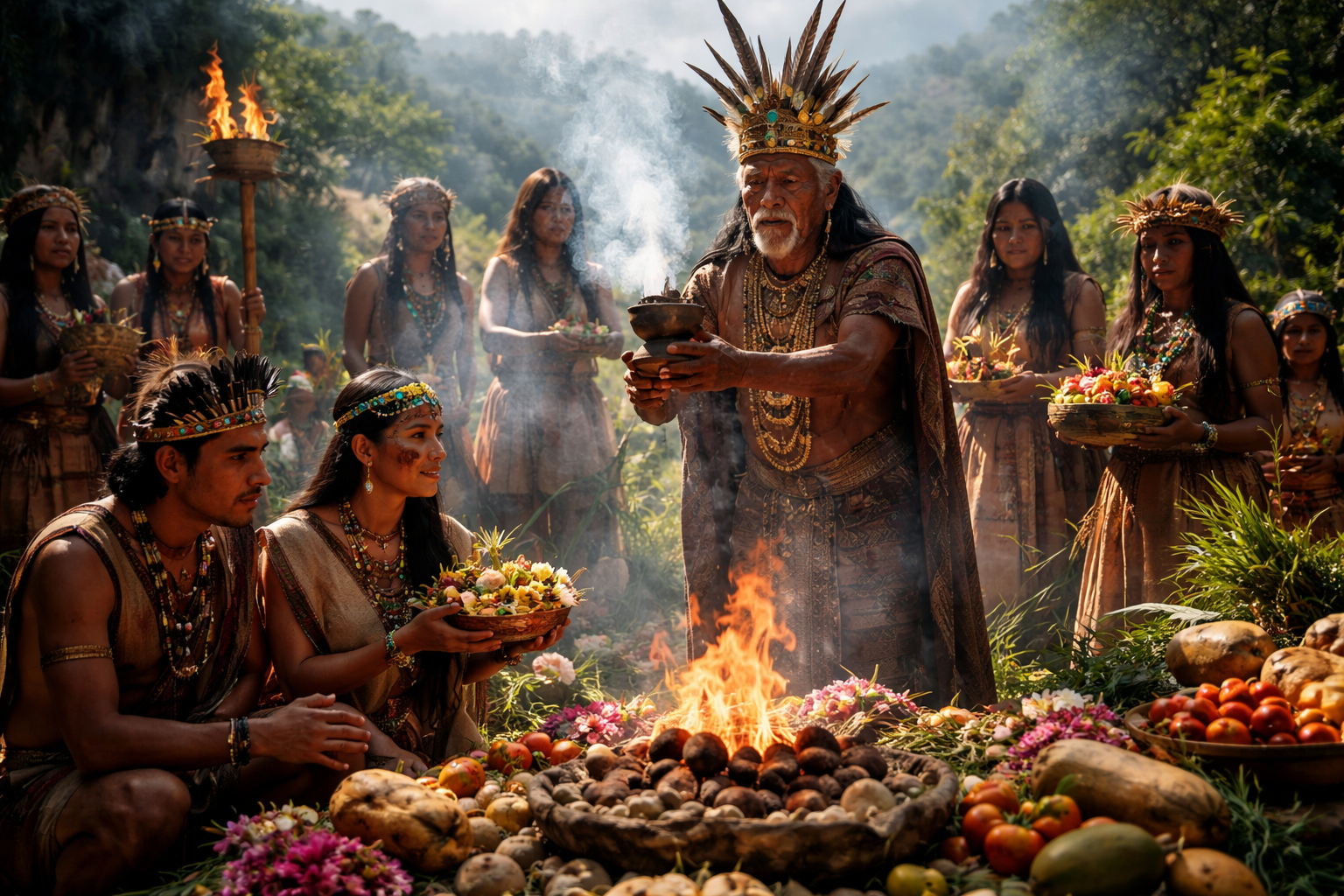
Rituals were central to agricultural and religious life. The Muisca performed offerings, prayers, and processions to invoke the sun’s blessings. Festivals often combined spiritual, social, and labor elements, strengthening community cohesion.
These ceremonies were carefully timed with planting and harvest periods, ensuring that spiritual observances coincided with agricultural needs. Rituals served both practical and symbolic functions, reinforcing social norms and ecological stewardship.
- Offerings of food, gold, and sacred objects
- Dance and musical accompanying ceremonies
- Communal gatherings reinforce social bonds
- Seasonal festivals marking planting and harvest milestones
- Guidance from spiritual leaders for ritual accuracy
Through ritual, the Muisca maintained harmony with natural cycles and divine forces, ensuring the continuity of their agricultural society.
Societal Influence
The veneration of solar deities extended beyond agriculture, influencing political and social organization. Leaders often derived legitimacy from their connection to religious authority and control over ritual observances.
Priests acted as mediators between the people and deities, guiding agricultural planning, resource allocation, and ceremonial practices. This structure reinforced hierarchy and community cohesion.
- Priestly authority coordinating rituals and ceremonies
- Community participation fosters shared responsibility for crops
- Integration with leadership linking spiritual and political power
- Education of youth in agricultural and religious traditions
- Maintenance of sacred sites preserving cultural memory
The connection between religion and agriculture strengthened social structures, ensuring both spiritual and material stability.
Cosmic Symbolism
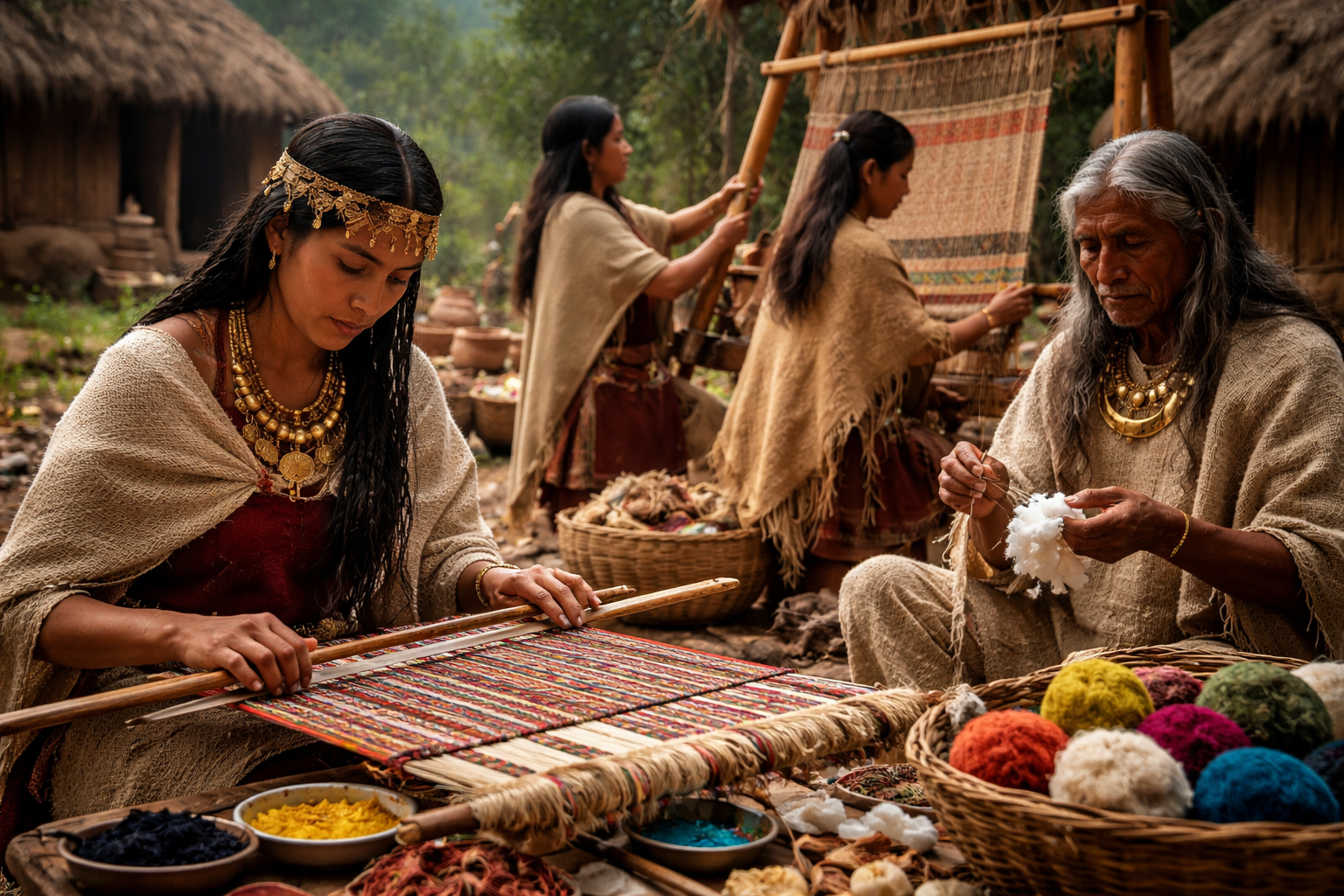
Muisca art and iconography frequently incorporated solar motifs. Gold artifacts, pottery, and textiles reflected the sun’s importance, serving as both decorative and ceremonial objects.
These symbols reinforced cosmological beliefs, linking human activity with divine influence. Solar imagery reminded communities of their dependence on celestial forces for survival and prosperity.
- Golden sun discs symbolizing divine energy
- Ceremonial pottery depicting agricultural scenes and solar imagery
- Textiles with solar patterns used in rituals
- Sacred architecture aligned with solar events
- Mythological storytelling connecting sun worship with daily life
Cosmic symbolism provided continuity, embedding spiritual meaning into material culture and daily practices.
Final Thoughts
The Muisca civilization demonstrates how solar deities shaped agricultural cycles and societal organization. Rituals, offerings, and symbolic art reinforced the link between spiritual belief and practical survival.
By studying the Muisca, we gain insight into the ways religion, ecology, and social structure intertwine. Their culture highlights the vital role of cosmic understanding in sustaining communities, illustrating the enduring importance of spirituality in human life.