Spiritual ecology explores the deep connection between spiritual beliefs and environmental responsibility, a concept strongly reflected in Indigenous worldviews. Across many Indigenous cultures, humans are not seen as separate from nature but as an integral part of a living, interconnected system. This perspective fosters a sense of respect, balance, and accountability toward the environment.
In an age of climate change and ecological imbalance, Indigenous environmental ethics offer valuable insights into sustainable living. By understanding these worldviews, modern societies can rethink their relationship with nature and adopt practices that promote harmony and long-term ecological well-being.
Table of Contents
Core Overview
Spiritual Ecology in Indigenous Thought
| Aspect | Details |
|---|---|
| Core Belief | Humans are part of nature, not separate from it |
| Ethical Focus | Respect, balance, and reciprocity |
| Knowledge Source | Spiritual traditions and ancestral teachings |
| Environmental Role | Guardianship and stewardship of ecosystems |
| Modern Relevance | Guides sustainable and ethical practices |
Spiritual Foundations
- Indigenous worldviews often see the natural world as sacred and alive. Rivers, forests, mountains, and animals are considered spiritual entities with their own significance and value. This belief system creates a moral obligation to protect and respect all forms of life.
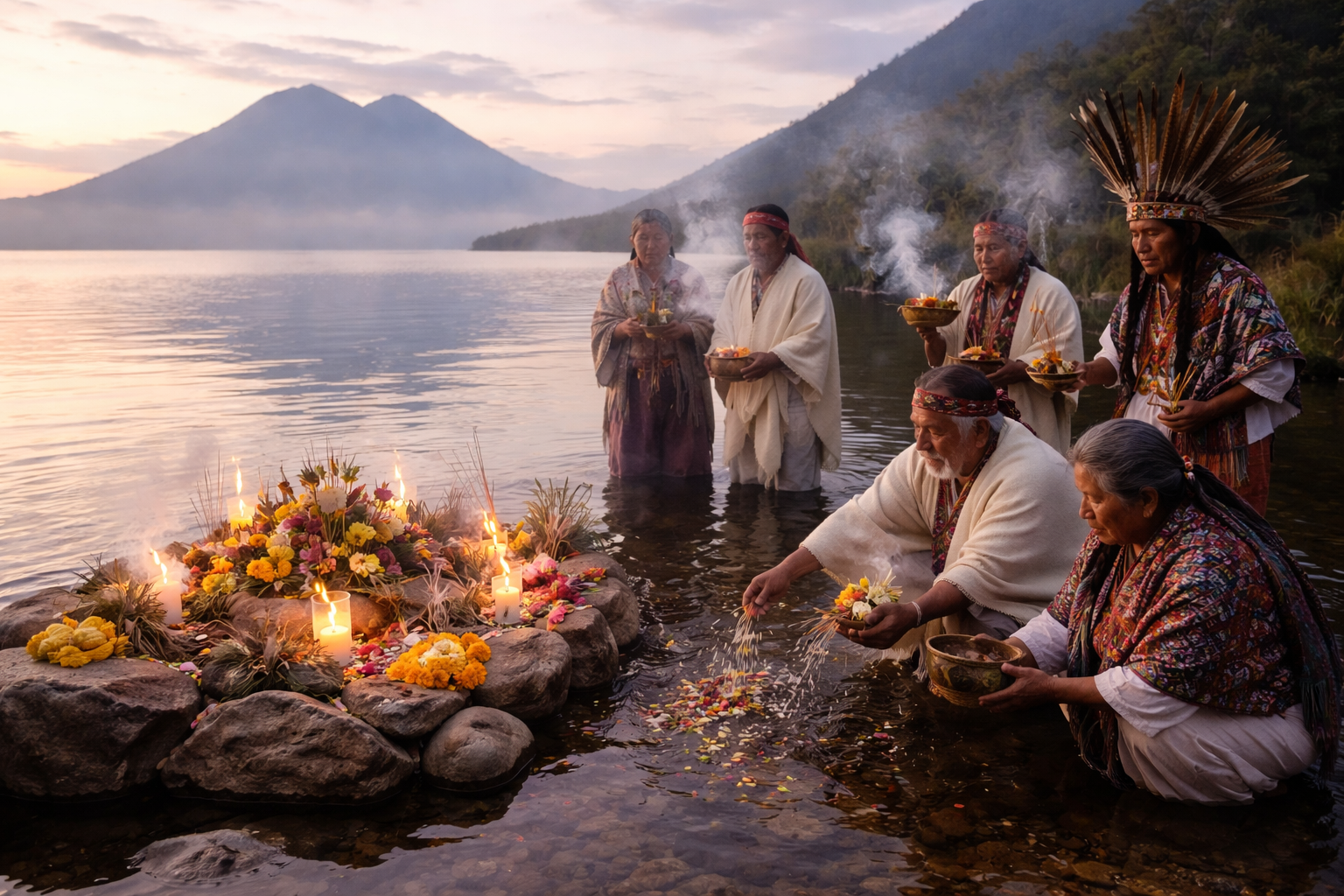
- Spiritual practices such as rituals, ceremonies, and offerings reinforce the connection between humans and nature. These traditions are not only cultural expressions but also practical ways of maintaining ecological balance and honoring the environment.
Ethical Principles
- Environmental ethics in Indigenous cultures are rooted in principles of reciprocity and responsibility. People take from nature only what they need and give back through conservation practices and rituals that express gratitude.
- These ethical frameworks emphasize long-term thinking, ensuring that natural resources are preserved for future generations. This approach contrasts with short-term exploitation seen in many industrial systems.
Interconnected Systems
- Indigenous perspectives highlight the interconnectedness of all living and non-living elements. Changes in one part of the ecosystem are believed to affect the entire system, reinforcing the need for careful and respectful interaction with nature.
- This understanding encourages holistic decision-making. Instead of focusing on isolated outcomes, Indigenous practices consider the broader ecological impact, leading to more sustainable and balanced solutions.
Cultural Practices
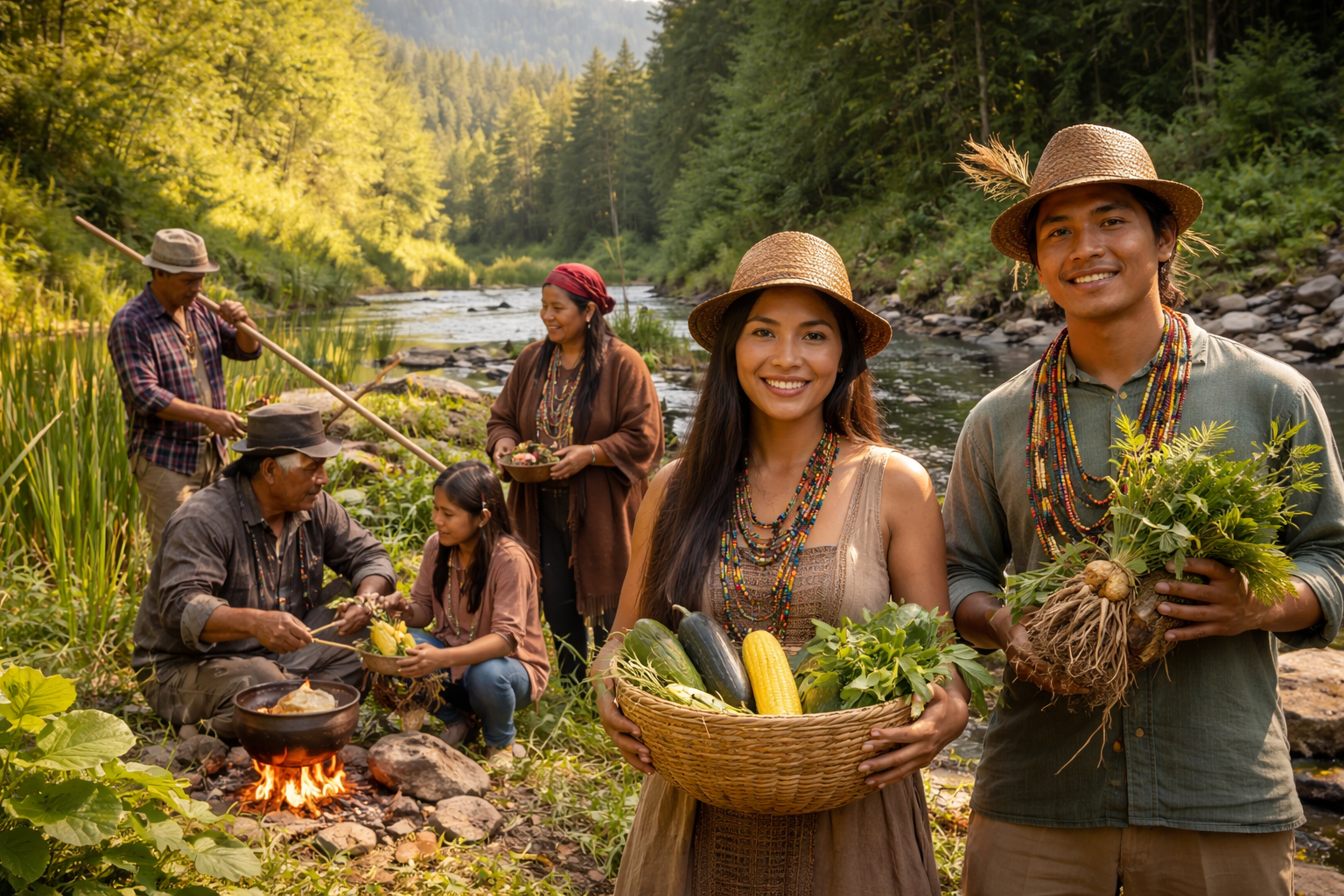
- Many Indigenous communities incorporate ecological knowledge into daily life through practices such as sustainable farming, fishing, and hunting. These activities are guided by traditional knowledge and respect for natural cycles.
- Cultural practices also include storytelling, which passes down environmental wisdom and ethical values across generations. These stories often carry lessons about the consequences of harming nature and the importance of maintaining balance.
Sacred Landscapes
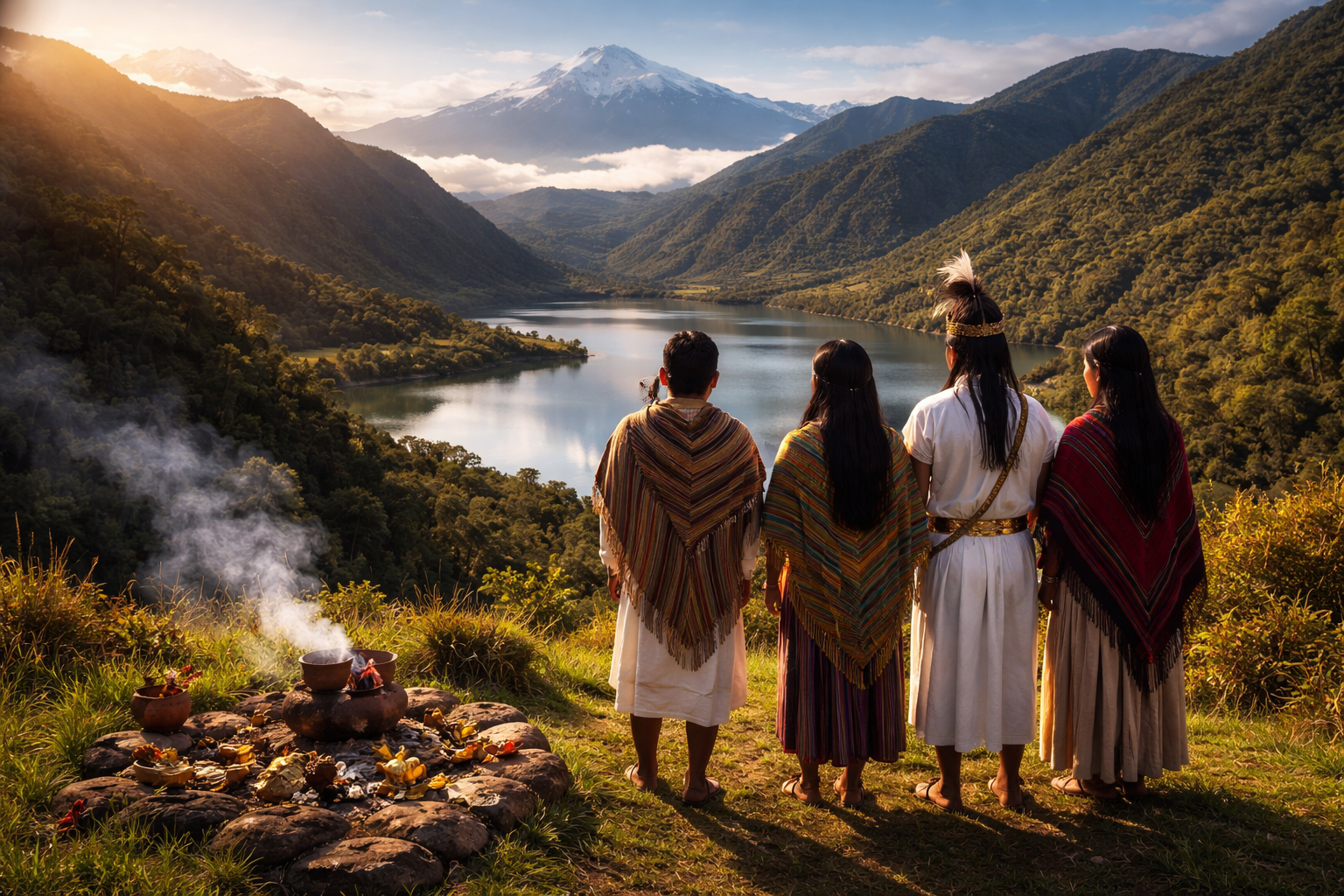
- Certain natural areas are considered sacred and are protected from exploitation. These landscapes serve as spiritual centers and biodiversity hotspots, preserving ecosystems in their natural state.
- The protection of sacred sites demonstrates how spiritual beliefs can contribute to conservation. By valuing these areas beyond their economic worth, Indigenous communities ensure their preservation for future generations.
Modern Relevance
- Indigenous environmental ethics are increasingly being recognized in global discussions on sustainability and climate change. Their holistic approach offers alternatives to conventional environmental management strategies.
- Integrating these perspectives into modern policies can lead to more inclusive and effective solutions. Respecting Indigenous knowledge systems is essential for addressing complex environmental challenges.
Guiding Values
- Respect Nature
Indigenous ethics emphasize treating all elements of nature with respect, recognizing their intrinsic value and importance. - Practice Balance
Maintaining balance between human needs and ecological health ensures long-term sustainability. - Think Generationally
Decisions are made with future generations in mind, promoting responsible resource use. - Honor Traditions
Cultural and spiritual traditions guide environmental behavior and reinforce ethical practices.
Practical Lessons
- Adopt Holism
Viewing the environment as an interconnected system helps in making more sustainable decisions. - Reduce Exploitation
Limiting resource use to what is necessary prevents environmental degradation. - Encourage Stewardship
Taking responsibility for protecting the environment fosters a sense of ownership and care. - Promote Awareness
Educating communities about environmental ethics strengthens collective action.
The Bottom Line
Indigenous worldviews on human–nature relationships provide a profound understanding of spiritual ecology and environmental ethics. Their emphasis on interconnectedness, respect, and responsibility offers valuable lessons for creating a more sustainable and balanced world.
By embracing these principles, modern societies can move toward a more ethical relationship with the environment. Integrating spiritual and ecological perspectives is not only beneficial but essential for ensuring the well-being of both the planet and future generations.