Astronomy held a central place in Muisca religion, reflecting the civilization’s sophisticated understanding of celestial movements and their spiritual significance. The Muisca, who inhabited the Andean highlands of present-day Colombia, viewed the sun, moon, stars, and planets not only as natural phenomena but as manifestations of divine power. Celestial events guided agricultural cycles, religious rituals, and social governance, linking the cosmos with human and spiritual life. The study of astronomy was inseparable from religion, creating a worldview in which the heavens and the Earth existed in sacred harmony.
Table of Contents
Celestial Bodies as Divine Beings
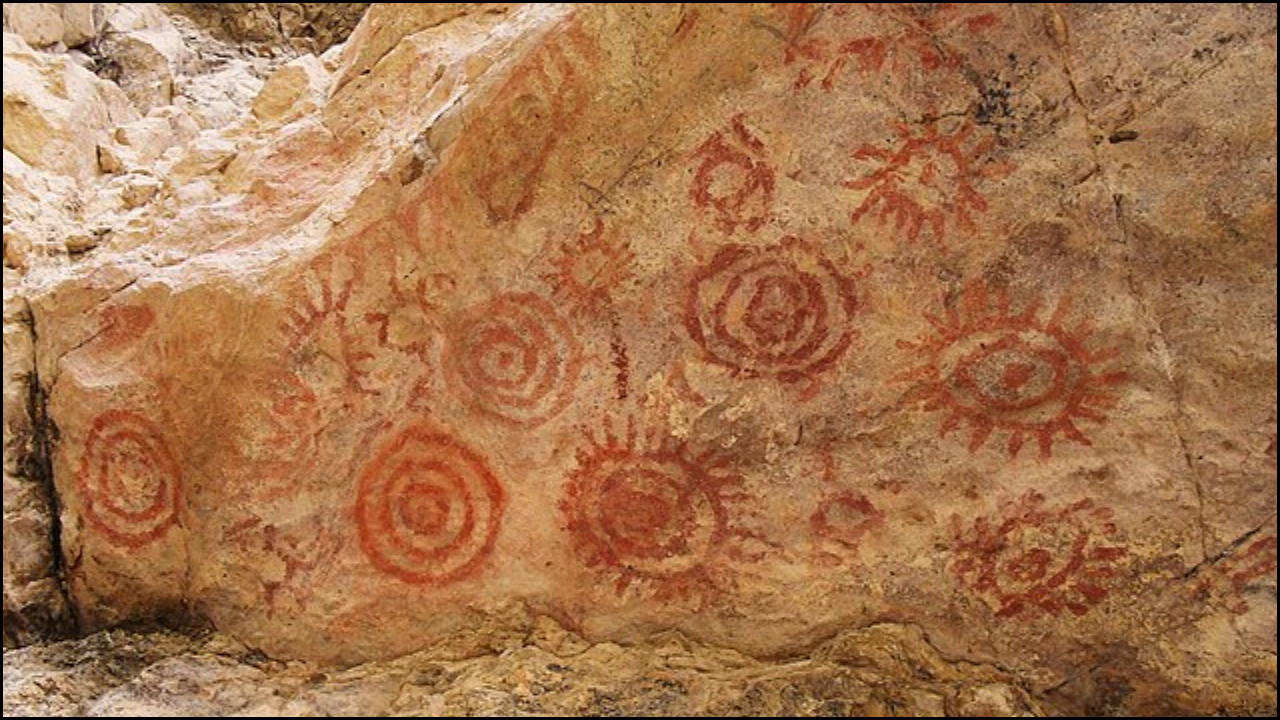
The Sun (Sué) was worshiped as a powerful deity controlling light, warmth, and life.
The Moon (Chía) was regarded as a female goddess influencing water, fertility, and lunar cycles.
Stars and planets were interpreted as guides for agricultural timing and ritual planning.
Eclipses, solstices, and equinoxes were considered omens or divine messages, prompting communal ceremonies.
The movements of celestial bodies reflected cosmic order, reinforcing moral and spiritual lessons.
Celestial Body
Deity
Religious Significance
Sun
Sué
Life, growth, divine guidance
Moon
Chía
Fertility, water cycles, femininity
Stars
Various
Navigation, prophecy, ritual timing
Planets
Interpreted as spirits
Signs of cosmic balance and events
Eclipses
Portents
Calls for purification or offerings
Astronomy and Agricultural Rituals
Muisca agricultural activities were closely aligned with celestial events, reflecting the interdependence of nature and the divine.
Sowing occurred during the waxing moon, symbolizing growth and renewal.
Harvesting was performed around the full moon to ensure the abundance and fertility of crops.
Observations of the sun and stars helped predict rainfall, seasonal changes, and planting windows.
Priests (chyquy) interpreted celestial phenomena to guide the community in maintaining cosmic and ecological balance.
Sacred Sites and Astronomical Alignments
Temples and ritual sites were designed with precise astronomical alignments to mark solstices, equinoxes, and other celestial events.
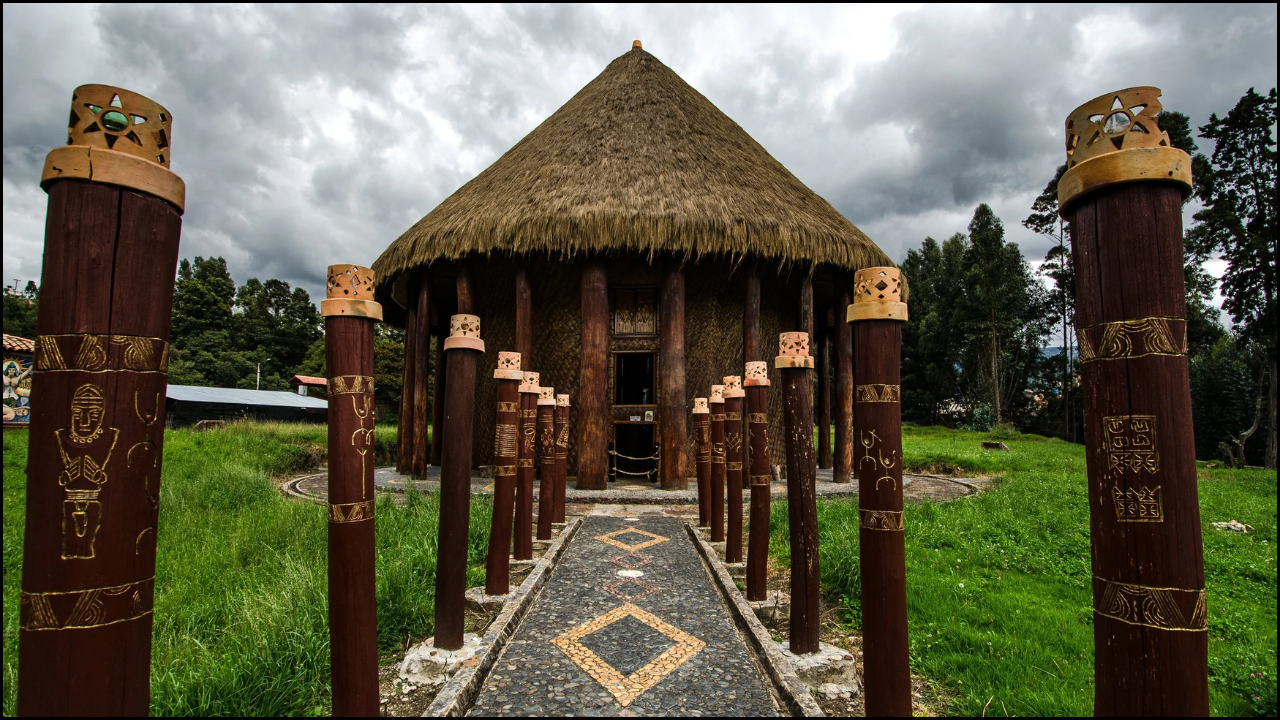
The Temple of the Sun in Sugamuxi allowed sunlight to penetrate at specific times of the year, signaling festivals and agricultural cycles.
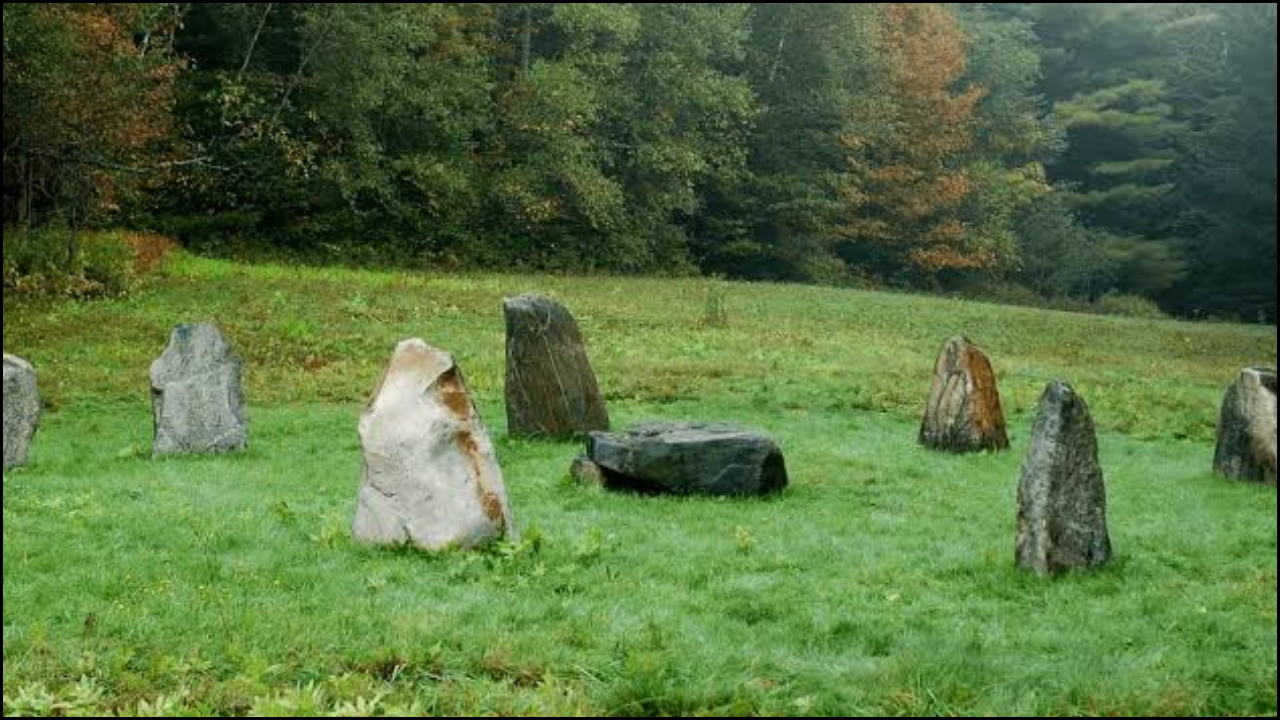
El Infiernito (Little Hell) served as an open-air observatory, with stone pillars aligned to track solar and lunar movements.
Mountains and hills were considered sacred astronomical markers, linking the heavens to the Earth.
These alignments demonstrated the Muisca understanding that spiritual, natural, and celestial worlds were interconnected.
Sacred Site
Astronomical Function
Religious Purpose
Sugamuxi (Temple of the Sun)
Solar alignment during solstices
Worship, festival timing
El Infiernito
Observation of sun and lunar cycles
Agricultural and ritual guidance
Monserrate Hills
Sunrise and shadow tracking
Pilgrimage and cosmic connection
Tunja Hills
Star and constellation observation
Divination and community rituals
Rituals and Festivals Tied to Celestial Events
The Muisca celebrated festivals during solstices and equinoxes, honoring Sué and Chía.
Fire rituals symbolized the eternal light of Chiminigagua, connecting human activity to divine energy.
Offerings of gold, chicha, and sacred food were made to ensure cosmic favor and agricultural prosperity.
Music, dance, and chants were synchronized with astronomical timing, creating a harmonious experience of human and celestial order.
Festivals reinforced community cohesion, moral guidance, and spiritual alignment with the cosmos.
Mythology and Celestial Interpretation
Many Muisca myths explain celestial phenomena as actions of gods or spirits.
Chía, the Moon goddess, was believed to influence tides, water levels, and fertility cycles, illustrating the link between the heavens and human survival.
Sué’s daily journey across the sky represented divine order and the passage of time, reminding the community of moral and cosmic laws.
Stars were sometimes associated with heroes or ancestors, connecting human history with cosmic narratives.
Eclipses or unusual celestial events prompted ritual purification, showing that astronomy was intertwined with ethics and spirituality.
Phenomenon
Interpretation
Ritual Response
Solar eclipse
Temporary cosmic imbalance
Offerings and purification
Lunar eclipse
Chía’s displeasure
Ritual prayers and fasting
Solstice sunrise
Renewal of light and life
Fire ceremonies and festivals
Equinox
Balance of day and night
Agricultural planning and feasts
Comet or unusual star
Omens
Divination and consultation with priests
Priests as Astronomers and Spiritual Guides
Chyquy, the Muisca priests, were skilled astronomers and diviners, interpreting celestial signs for practical and spiritual purposes.
They maintained sacred calendars that dictated planting, harvesting, and festival schedules.
Priests taught the community to observe and respect natural and cosmic cycles, linking morality, agriculture, and ritual practice.
Knowledge of stars and planets was considered divinely inspired, reinforcing the sacred nature of astronomy.
Priestly guidance ensured that human actions remained in harmony with cosmic order, preventing disaster and maintaining social stability.
Integration of Astronomy, Religion, and Daily Life
Celestial observations influenced agriculture, rituals, leadership, and moral behavior.
The movement of the Sun, Moon, and stars provided a living calendar for the Muisca people.
Religion and astronomy were inseparable, reflecting a worldview where cosmic patterns shaped human destiny.
Sacred geography, celestial alignments, and ritual practice created a holistic system of spiritual ecology.
Human responsibility was seen as maintaining harmony with divine forces, ensuring the continuation of life and prosperity.
Legacy of Muisca Astronomical Knowledge
Many Muisca observatories, temples, and ceremonial sites remain as archaeological evidence of their advanced astronomical understanding.
The integration of astronomy and religion influenced later indigenous practices and cultural memory in Colombia.
Contemporary researchers recognize the Muisca as astronomically sophisticated and spiritually attuned, blending science, art, and religion.
Their legacy emphasizes the interdependence of cosmic knowledge, ecological stewardship, and spiritual practice.
Understanding Muisca astronomy provides insight into how pre-Columbian societies connected the heavens, the Earth, and human life.
Aspect
Modern Relevance
Celestial observation
Early scientific and spiritual knowledge
Ritual alignment
Festivals and cultural preservation
Sacred geography
Archaeology and heritage tourism
Priestly guidance
Ethical and ecological awareness
Integration of cosmos and life
Holistic worldview and spiritual ecology
Moving Forward
The connection between astronomy and religion in Muisca beliefs illustrates a civilization in which celestial phenomena were inseparable from spiritual and practical life. The Sun, Moon, stars, and planets guided rituals, agriculture, and moral conduct, reflecting the divine order that permeated the universe. By observing and honoring the cosmos, the Muisca maintained harmony with both nature and the gods. Their sophisticated integration of astronomy and spirituality demonstrates a timeless understanding: that human life, cosmic rhythms, and divine presence are intricately linked in a sacred and enduring balance.
She is a creative and dedicated content writer who loves turning ideas into clear and engaging stories. She writes blog posts and articles that connect with readers. She ensures every piece of content is well-structured and easy to understand. Her writing helps our brand share useful information and build strong relationships with our audience.