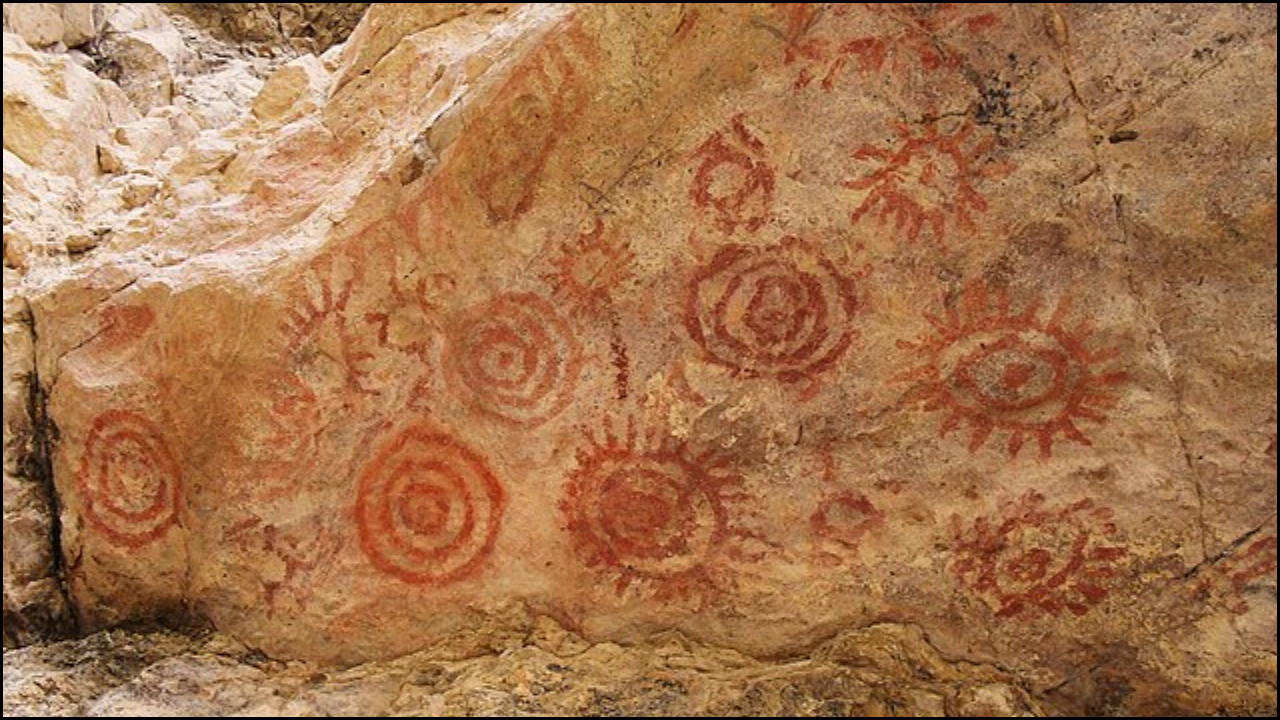
The creation myths of the Chibcha people, particularly the Muisca, offer a profound window into their spiritual worldview and understanding of the universe. These myths explain the origins of light, humanity, and moral order through intricate stories filled with symbolism and divine figures. The Chibcha people, who once inhabited the highlands of present-day Colombia, viewed creation not as a single event but as an ongoing process shaped by the balance between light and darkness, order and chaos. Their myths reveal how cosmic energy, divine wisdom, and human responsibility intertwine to form a harmonious world guided by sacred principles.
Table of Contents
Origins of the Universe
The Chibcha believed that the universe began in total darkness, where silence and stillness dominated existence.
From this primordial void emerged Chiminigagua, the supreme being and source of light.
Chiminigagua remained enclosed in a shell of darkness until the moment of creation, when he released light into the cosmos.
This act of illumination symbolized the birth of order from chaos, setting the foundation for all life and knowledge.
Two great black birds carried light in their beaks, spreading it across the world to create the Sun, Moon, and stars.
Element
Symbolic Meaning
Darkness
Primordial state of potential and mystery
Chiminigagua
Supreme source of light and creation
Black Birds
Messengers of divine light
Light
Knowledge, order, and the beginning of life
Sky and Earth
Manifestations of cosmic balance
The Formation of Earth and Nature
Once light filled the universe, the Earth began to take shape with mountains, rivers, and forests forming under divine guidance.
Water played a central role, symbolizing life and fertility, while the mountains represented stability and spiritual strength.
The Chibcha imagined the Earth as a living entity infused with the spirit of creation, sustaining both gods and humans.
Natural features such as lakes and caves were seen as sacred gateways connecting the human world to divine realms.
Lakes like Guatavita and Iguaque became central in myths of birth, transformation, and renewal.
The Birth of Humanity
Humanity’s creation is linked to the goddess Bachué, often called “the mother of humankind.”
According to legend, Bachué emerged from Lake Iguaque carrying a small child in her arms.
As the child grew, he became her husband, and together they populated the Earth with their descendants.
When their task was complete, Bachué and her husband returned to the lake in serpent form, symbolizing the cycle of life and rebirth.
This myth reflects the Chibcha belief in human origins rooted in nature and divine motherhood.
Figure
Role in Creation
Bachué
Mother goddess; creator of humanity
Lake Iguaque
Birthplace of humankind
Child of Bachué
Represents unity and continuation of life
Serpent Transformation
Cycle of death and rebirth
Human Descendants
Custodians of divine creation
Bochica: The Civilizing Hero
Bochica, a wise and powerful teacher, appeared as a divine messenger sent by Chiminigagua to guide humanity.
He taught the people ethical living, agriculture, weaving, and respect for natural forces.
Bochica’s teachings formed the foundation of Muisca law and moral order, promoting justice and community welfare.
In another myth, Bochica saved humanity from destruction by diverting a great flood caused by the goddess Chibchacum’s wrath.
His act of salvation symbolized the triumph of wisdom and light over chaos and moral corruption.
The Flood Myth
The flood myth reflects the Chibcha understanding of divine retribution and renewal.
Chibchacum, angered by human disobedience, sent torrential rains that submerged the land.
People cried for help, and Bochica appeared on a rainbow, using his golden staff to open the Tequendama Falls, allowing the waters to drain away.
After restoring balance, Bochica punished Chibchacum by forcing him to carry the Earth on his shoulders, explaining why earthquakes occur.
The flood narrative reinforced the lesson that moral disorder invites natural chaos.
Mythic Event
Meaning and Symbolism
The Great Flood
Consequence of human and divine imbalance
Bochica’s Rainbow
Hope, renewal, and divine intervention
Tequendama Falls
Restoration of harmony and cleansing of Earth
Chibchacum’s Punishment
Reminder of moral responsibility
Earthquakes
Signs of divine power and cosmic tension
The Role of Huitaca: Rebellion and Transformation
Huitaca, the goddess of pleasure and freedom, represented the opposing force to Bochica’s order.
She encouraged people to enjoy life’s pleasures but also challenged moral rigidity.
Myths portray her as a rebellious spirit who defied Bochica’s teachings, causing chaos among humans.
As punishment, she was transformed into an owl or the Moon, condemned to wander the night.
Her story symbolizes the duality of discipline and desire, a central theme in Chibcha cosmology.
Cosmic Balance and Duality
The Chibcha worldview revolved around balance between opposing forces — light and darkness, male and female, order and freedom.
The Sun god Sué and the Moon goddess Chía represented this cosmic equilibrium.
Chiminigagua’s light powered both, ensuring harmony in the universe.
This duality extended to daily life, where agriculture, rituals, and governance were guided by the principle of equilibrium.
Each deity played a part in maintaining the cosmic cycle of creation, destruction, and renewal.
Deities
Domains and Roles
Chiminigagua
Supreme creator and light source
Sué (Sun God)
Masculine force, vitality, timekeeper
Chía (Moon Goddess)
Feminine force, fertility, rhythm
Bochica
Teacher of morality and order
Huitaca
Symbol of freedom and transformation
Philosophical Themes in Chibcha Creation Myths
Creation was seen as a continuous process, not a single act.
Light symbolized knowledge and divine truth, while darkness represented potential and mystery.
Water was the medium of transformation, linking creation to purification and rebirth.
Morality was intertwined with cosmic law; disobedience disrupted both human and natural harmony.
The myths reinforced the idea that humans are active participants in maintaining cosmic order, not passive creations.
Influence on Muisca Society and Rituals
Muisca ceremonies often reenacted aspects of creation to renew cosmic balance.
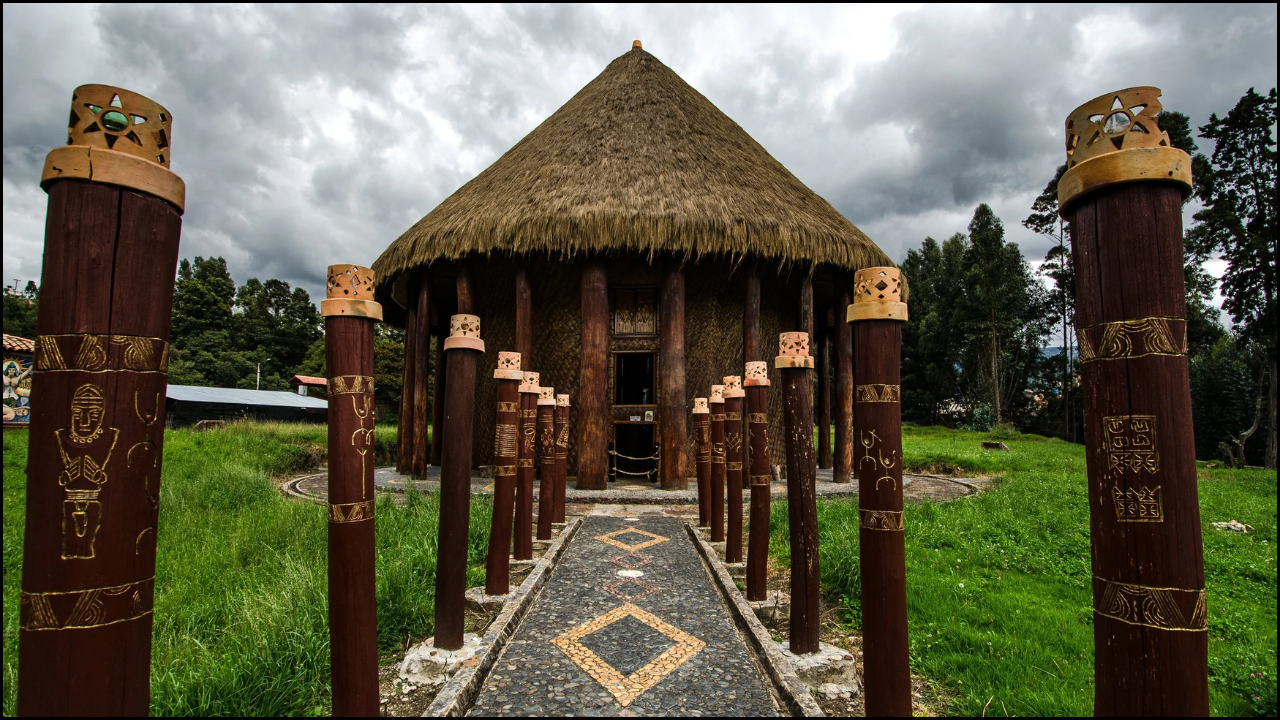
Temples were built to align with solar and lunar cycles, symbolizing divine presence on Earth.
Offerings of gold, water, and sacred plants reflected gratitude for light, life, and fertility.
Priests and rulers acted as mediators between gods and humans, preserving the sacred laws of creation.
The retelling of myths through oral tradition ensured that moral and spiritual lessons remained alive across generations.
Summing Up
The creation myths of the Chibcha people form a tapestry of divine wisdom, moral philosophy, and natural harmony. Through the stories of Chiminigagua, Bachué, Bochica, and Huitaca, the Chibcha expressed their vision of a balanced universe shaped by light and responsibility. These myths continue to resonate as timeless reflections of human connection with nature and the divine. The enduring legacy of Chibcha cosmology stands as a testament to a civilization that understood creation not as domination over nature, but as coexistence within the eternal rhythm of life.
She is a creative and dedicated content writer who loves turning ideas into clear and engaging stories. She writes blog posts and articles that connect with readers. She ensures every piece of content is well-structured and easy to understand. Her writing helps our brand share useful information and build strong relationships with our audience.