The Cundiboyacense Plateau stands as the cradle of Muisca civilization, a region that nurtured one of South America’s most sophisticated pre-Columbian societies. This fertile highland in the Eastern Cordillera of the Colombian Andes offered the Muisca people a perfect blend of rich soils, abundant water, and a stable climate. The plateau served not only as a geographical center but also as a cultural, political, and spiritual heartland where trade, agriculture, and belief systems flourished. Understanding the Cundiboyacense Plateau is essential to grasping how geography shaped the identity, prosperity, and endurance of Muisca culture.
Table of Contents
Geographic Location and Environment
The Cundiboyacense Plateau lies between the modern departments of Cundinamarca and Boyacá in central Colombia.
The average altitude ranges from 2,500 to 2,700 meters above sea level, creating a cool, temperate climate ideal for agriculture.
The plateau is part of the Eastern Andes, formed by tectonic uplift and erosion that created fertile valleys and river systems.
The Bogotá River, Suárez River, and Ubaté Lake provided water resources crucial for settlement and cultivation.
Surrounded by mountain ridges, the region’s natural barriers offered protection from external invasions and climatic extremes.
Key Physical Features of the Cundiboyacense Plateau
Feature
Description
Importance to Muisca
Altitude
2,500–2,700 meters
Provided a temperate climate for crops
Rivers
Bogotá, Suárez, Chicamocha
Supported irrigation and transport
Lakes
Guatavita, Fúquene, Tota
Served as sacred and economic sites
Soils
Volcanic and alluvial
Fertile for agriculture
Climate
Mild and stable
Allowed year-round cultivation
Settlement Patterns and Urban Organization
The plateau’s geography favored dense human settlement and village formation.
Muisca towns were strategically located near rivers, trade routes, and agricultural zones.
Major settlements included Bacatá (Bogotá), Hunza (Tunja), and Sugamuxi (Sogamoso).
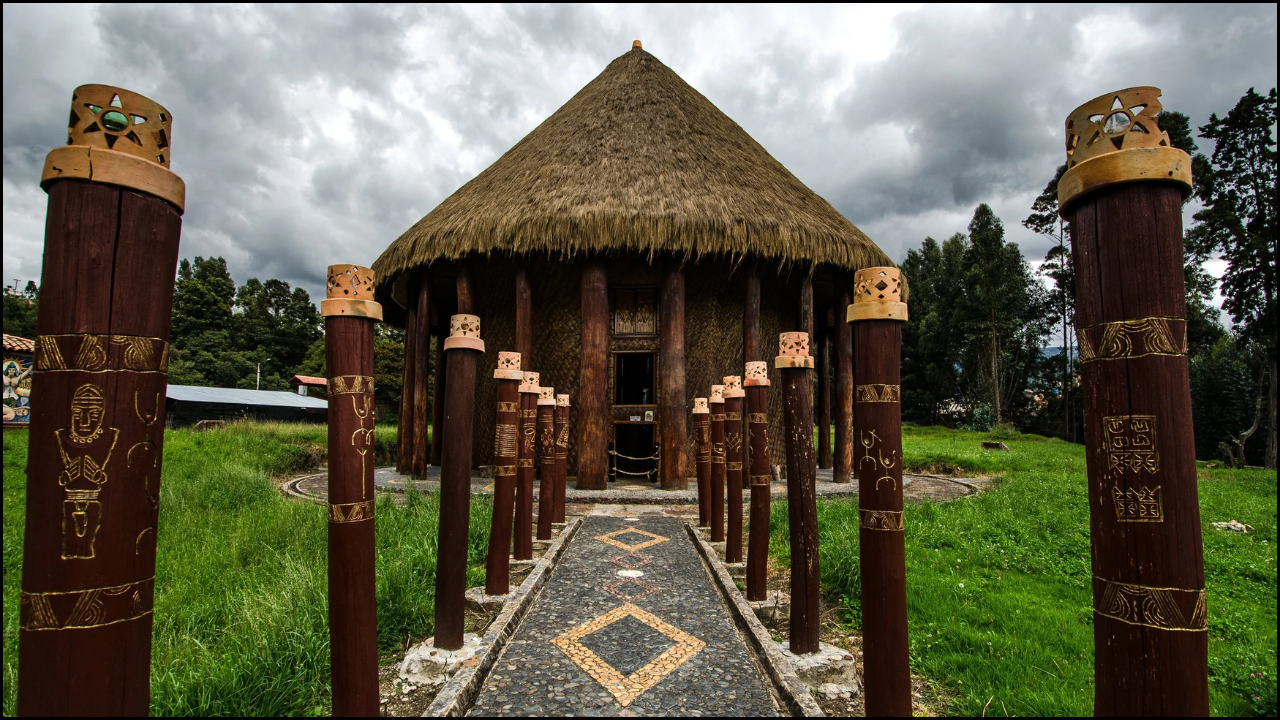
Residential areas consisted of circular huts made from cane, clay, and thatch.
Urban centers combined administrative, religious, and market functions.
Roads and trails linked villages, creating a cohesive network for trade and communication.
Agriculture and Food Production
The plateau’s mild temperatures and fertile soils made it the agricultural core of the Muisca confederation.
Maize served as the staple crop and was cultivated alongside potatoes, quinoa, beans, and arracacha.
Irrigation channels and drainage systems improved water management in highland fields.
Agricultural surplus supported large populations and allowed trade with neighboring lowland communities.
Farming followed lunar and solar calendars, integrating astronomy with agricultural cycles.
Major Crops Grown on the Cundiboyacense Plateau
Crop
Purpose
Cultural Significance
Maize
Staple food
Used in rituals and feasts
Potatoes
Daily diet
Symbol of sustenance and abundance
Quinoa
Nutrient-rich cereal
Linked to fertility and prosperity
Beans
Protein source
Integral part of traditional dishes
Arracacha
Root vegetable
Common in sacred offerings
Economic and Trade Networks
The plateau was the economic powerhouse of the Muisca region.
Salt production in Zipaquirá and Nemocón served as a vital industry, earning the Muisca the title “Salt People.”
Emerald mining in Chivor and Muzo enriched the confederation’s wealth and trade influence.
Artisans produced gold ornaments, textiles, and ceramics for both local use and exchange.
A barter system governed trade, connecting the highland Muisca with lowland tribes such as the Panche and the Guane.
Salt, emeralds, and crafted goods were exchanged for tropical fruits, feathers, and coca leaves.
Key Economic Centers on the Plateau
Location
Main Resource/Activity
Trade Contribution
Zipaquirá
Salt mining
Supplied regional markets
Nemocón
Salt extraction
Served as trade commodity
Chivor
Emerald mining
Contributed luxury goods
Bacatá
Political and trade hub
Coordinated confederation trade
Turmequé
Agriculture and pottery
Hosted trading festivals
Religious Life and Sacred Geography
The plateau was deeply sacred to the Muisca, who saw the landscape as a reflection of divine order.
Lakes, rivers, and caves were regarded as portals to the spiritual world.
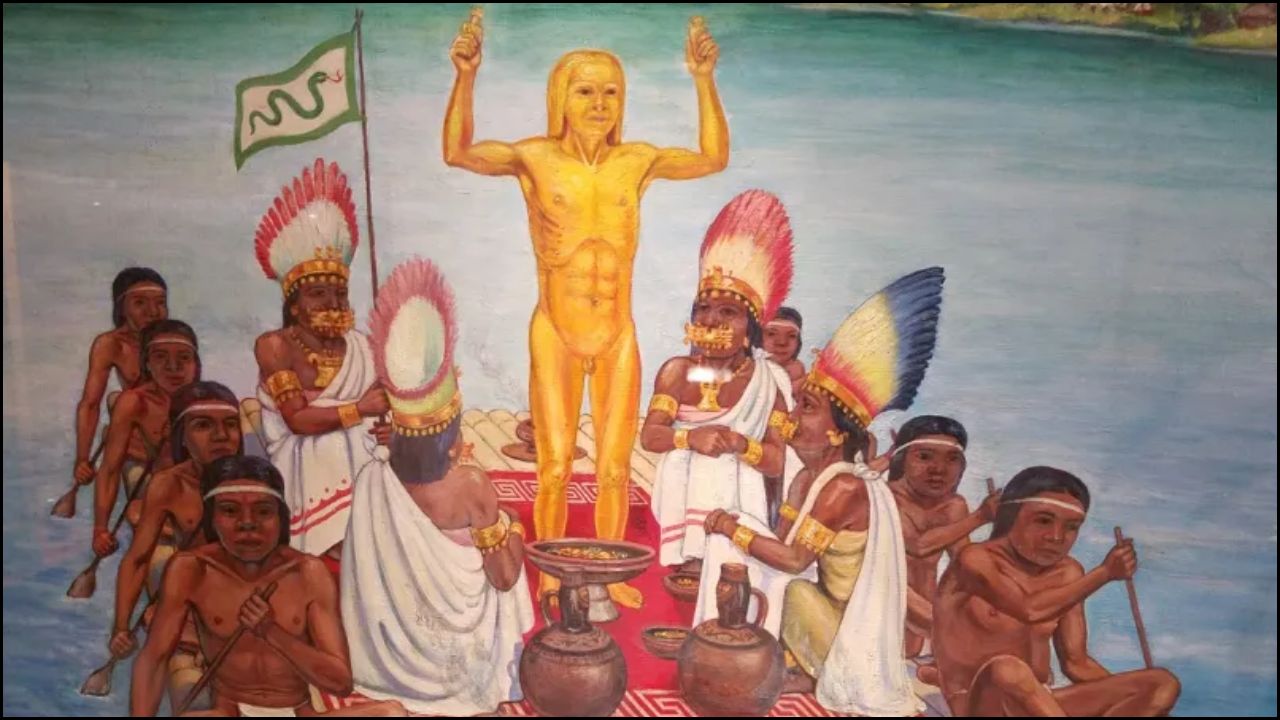
Lake Guatavita gained fame as the site of the El Dorado ritual, where the Zipa offered gold to the gods.
The Sun Temple of Sogamoso honored Sué, the solar deity, and served as a spiritual center.
The Moon Temple in Chía celebrated Chía, the goddess of fertility and night.
Religious rituals included music, dance, and offerings of gold, emeralds, and food to ensure harmony between nature and society.
Sacred Sites of the Cundiboyacense Plateau
Site
Deity/Function
Modern Location
Religious Role
Lake Guatavita
El Dorado ritual
Guatavita
Site of royal offerings
Sun Temple
Sué (Sun God)
Sogamoso
Spiritual and astronomical center
Moon Temple
Chía (Moon Goddess)
Chía
Temple of fertility and light
Tequendama Falls
Myth of Bochica
Soacha
Mythic site of purification
Astronomical Knowledge and Scientific Achievements
The plateau’s clear skies made it ideal for celestial observation.
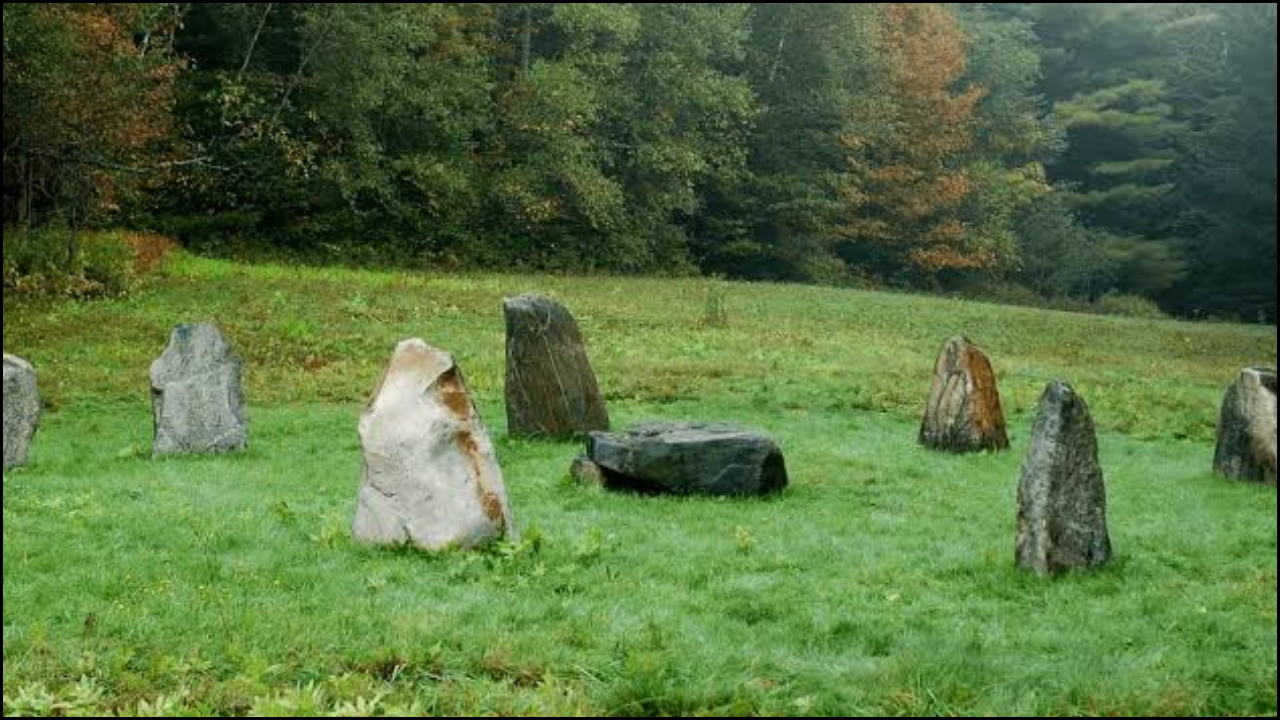
The Muisca used the El Infiernito observatory near Villa de Leyva to track solstices and equinoxes.
Astronomical observations guided planting, harvesting, and religious ceremonies.
The Muisca calendar, based on lunar and solar cycles, consisted of 20 months with alternating 30 and 37-day cycles.
This knowledge reflected an advanced understanding of mathematics and timekeeping.
The alignment of temples and shrines symbolized harmony between cosmic forces and earthly life.
Cultural Expression and Artistry
Artistic creativity flourished on the Cundiboyacense Plateau, blending functionality with spirituality.
Goldsmiths produced tunjos (votive figures), jewelry, and ceremonial artifacts.
Pottery featured geometric patterns, mythological motifs, and symbolic designs.
Weavers created colorful textiles from cotton and wool, often used in trade and ceremonies.
Music and dance expressed joy, reverence, and social unity during festivals.
Artistic and Cultural Contributions
Art Form
Material/Technique
Cultural Role
Goldwork
Lost-wax casting
Used in offerings and adornment
Pottery
Hand-molded clay
Daily use and ritual purposes
Weaving
Cotton and natural dyes
Symbol of status and identity
Rock Art
Engravings and paintings
Recorded myths and celestial signs
Spanish Encounter and Transformation
The arrival of the Spanish in the 1530s dramatically altered life on the plateau.
Gonzalo Jiménez de Quesada led the conquest that dismantled the Muisca leadership.
The Zipa and Zaque were overthrown, and sacred temples were destroyed or converted.
Spanish colonization introduced Christianity, disrupting traditional religious practices.
Despite this, elements of Muisca culture persisted through local traditions, crafts, and language.
Legacy and Modern Significance
The Cundiboyacense Plateau remains central to Colombia’s cultural heritage.
Archaeological sites such as Sogamoso, Nemocón, and Guatavita preserve traces of Muisca history.
Museums, including the Museo del Oro in Bogotá, display artifacts that reflect their craftsmanship and spirituality.
Modern Muisca communities in Suba, Bosa, and Chía continue to revive ancestral practices.
Environmental and cultural projects aim to restore indigenous identity and promote sustainable living.
Modern Preservation of Muisca Heritage
Initiative
Location
Objective
Museo del Oro
Bogotá
Display Muisca artifacts and educate public
Muisca Community Projects
Suba, Bosa
Revive language and rituals
Lake Guatavita Conservation
Cundinamarca
Protect sacred natural sites
Educational Programs
Boyacá and Cundinamarca
Promote indigenous awareness
Key Takeaways
The Cundiboyacense Plateau served as the heartbeat of the Muisca civilization, where geography, spirituality, and human ingenuity converged to create a flourishing society. Its fertile land sustained agriculture, its mountains guarded communities, and its lakes inspired myths of divine creation and gold offerings. The enduring presence of the Muisca spirit across this plateau reveals a civilization that valued balance—between the earth and the cosmos, material life and spiritual devotion. Today, the Cundiboyacense Plateau remains a living testament to Colombia’s ancient wisdom, reminding the modern world of the deep connection between land, culture, and identity.
She is a creative and dedicated content writer who loves turning ideas into clear and engaging stories. She writes blog posts and articles that connect with readers. She ensures every piece of content is well-structured and easy to understand. Her writing helps our brand share useful information and build strong relationships with our audience.