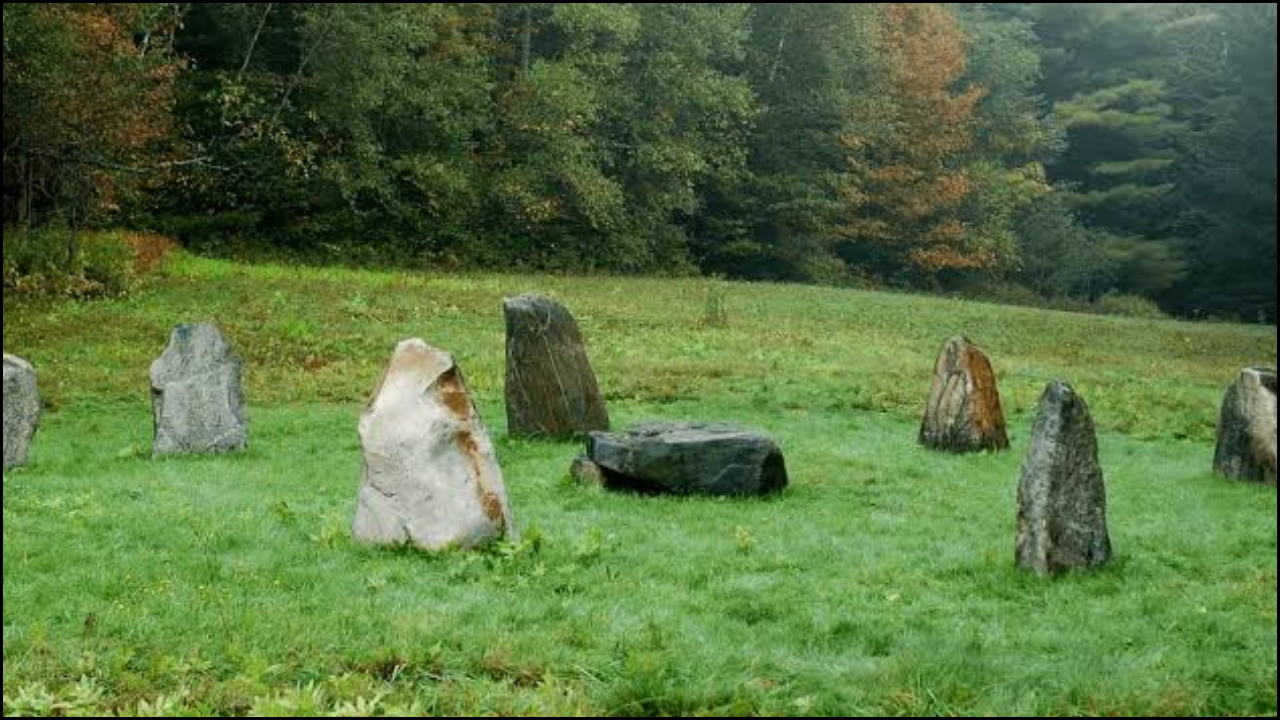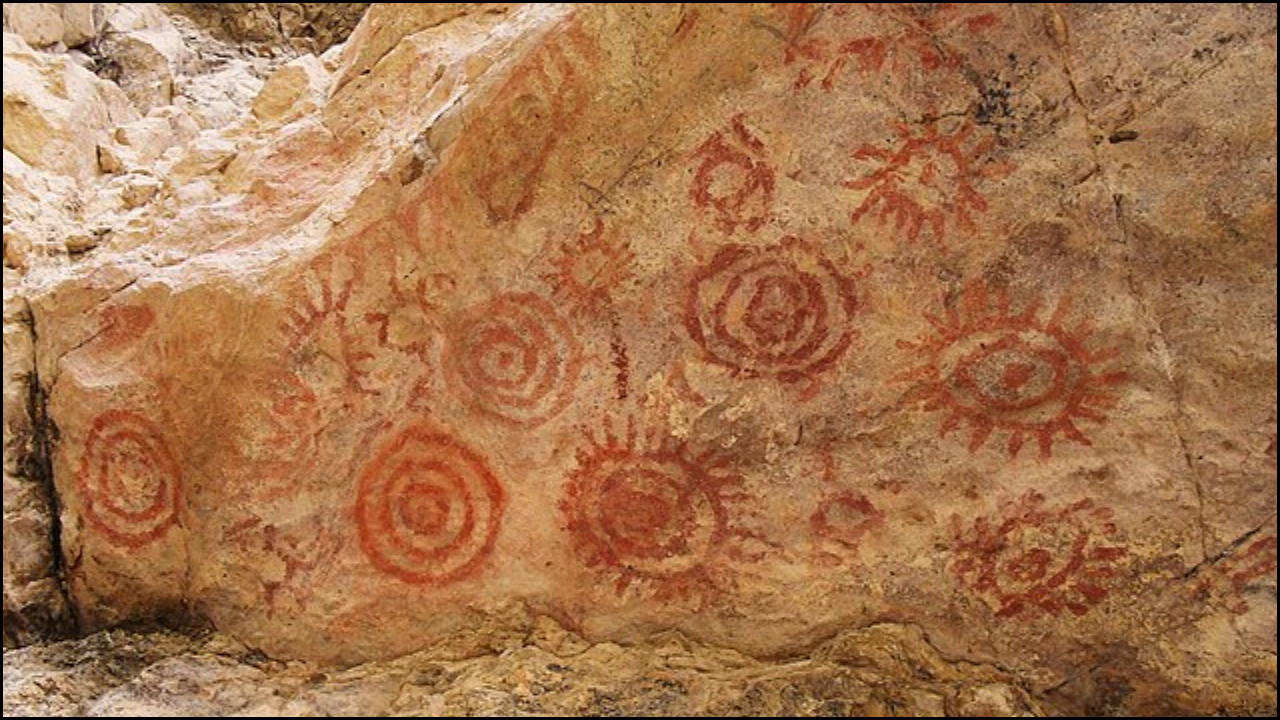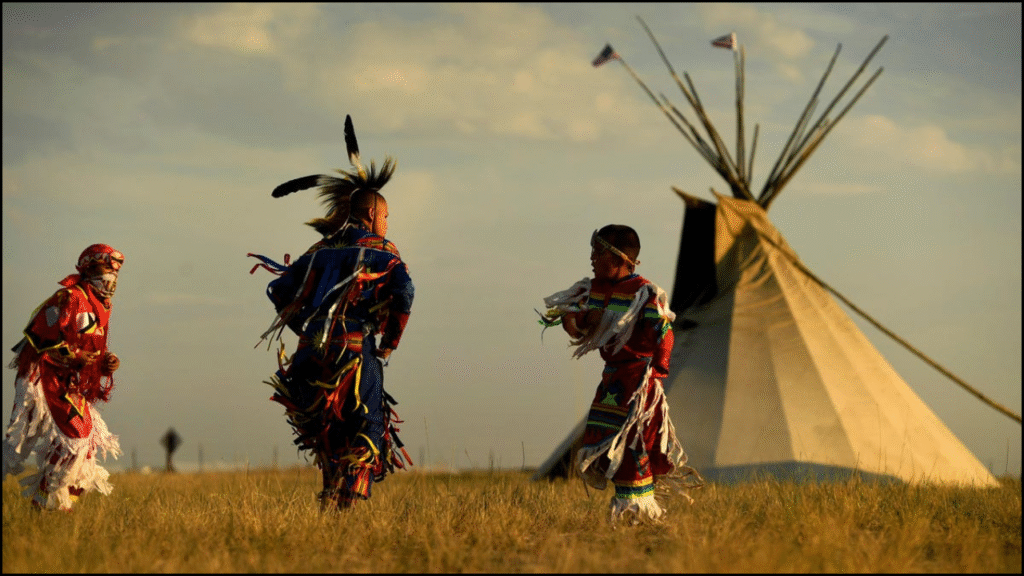
Land, spirit, and fertility are deeply intertwined concepts in many indigenous cultures around the world. These societies view the environment not merely as a resource but as a living, sacred entity inhabited by spirits and deities that influence human life. Fertility—of the land, animals, crops, and humans—is often understood as a reflection of spiritual harmony and ecological balance. Indigenous practices demonstrate that land stewardship, ritual observance, and communal responsibility are inseparable from spiritual and social well-being.
Table of Contents
Sacredness of Land
- Land is considered alive and sentient, often inhabited by spirits, ancestors, or deities.
- Mountains, rivers, forests, and lakes are venerated as sacred sites, each with its own spiritual significance.
- Human interaction with land requires ritual offerings, respect, and ethical management, acknowledging the presence of spiritual forces.
- Sacred landscapes provide guidance, protection, and resources, making ecological stewardship a spiritual obligation.
- Many indigenous societies use myths, stories, and place names to encode spiritual and environmental knowledge about the land.
| Land Feature | Spiritual Role | Fertility Function |
|---|---|---|
| Mountains | Guardians and intermediaries | Influence rainfall and crop success |
| Rivers | Living veins of the Earth | Provide irrigation and fish resources |
| Lakes | Wombs of creation or spirits | Fertility of crops and ceremonial offerings |
| Forests | Spirit habitats and medicine sources | Biodiversity and soil enrichment |
| Agricultural fields | Sacred spaces for human-nature interaction | Food production and sustenance |
Spirits and Divine Forces
- Spirits are often believed to control natural cycles, including rain, fertility, growth, and harvest.
- Deities or ancestors may be associated with agriculture, hunting, water, and the sun and moon, connecting celestial and terrestrial life.
- Rituals are conducted to appease, honor, or petition these spirits for fertility and protection.
- Spiritual intercession ensures balance between humans and nature, preventing ecological degradation and crop failure.
- Offerings, dances, music, and sacred objects are used to strengthen human-spirit relationships and invoke blessings.
Fertility in Land and Life
- Fertility encompasses soil productivity, crop yield, animal reproduction, and human fertility.
- Agricultural fertility rituals often involve planting and harvest ceremonies, libations, and first-fruit offerings.
- Sacred sites such as lakes, hills, and caves are used for fertility rites, connecting humans directly with land spirits.
- Fertility symbols may include water, seeds, animals, and celestial bodies, emphasizing the cyclical nature of life.
- Ethical behavior toward the land is considered essential for sustaining fertility, linking morality and ecological health.
| Fertility Aspect | Cultural Practice | Spiritual Connection |
|---|---|---|
| Crop fertility | Planting and harvest rituals | Offerings to earth spirits and deities |
| Animal fertility | Ceremonial hunts or protections | Petitions to forest or animal spirits |
| Water fertility | Ritual libations and purification | Honoring river and lake guardians |
| Human fertility | Fertility rites and prayers | Invoking deities or ancestral spirits |
| Soil fertility | Composting and sacred soil enrichment | Reciprocity with nature spirits |
Integration of Agriculture and Ritual
- Indigenous societies integrate agriculture with ritual observance, creating a cyclical, spiritually guided farming system.
- Planting often coincides with lunar phases, solstices, or seasonal changes, believed to maximize fertility.
- Harvest festivals celebrate abundance, gratitude, and communal responsibility, reinforcing social cohesion.
- Tools, fields, and seeds are sometimes ritually purified or blessed to ensure productive outcomes.
- Rituals educate communities on sustainable practices, ensuring that land use maintains fertility over generations.
Community and Ethical Stewardship
- Fertility is viewed as a collective responsibility, linking community ethics with ecological sustainability.
- Elders, spiritual leaders, and priests guide practices that maintain balance between humans and the environment.
- Exploitation or disrespect of land is believed to invite misfortune, infertility, or natural disasters.
- Shared rituals and festivals reinforce cooperation, reciprocity, and stewardship, ensuring long-term survival.
- Ethical frameworks rooted in spiritual beliefs ensure that land, spirit, and fertility remain interconnected.
| Community Role | Responsibility | Impact on Fertility |
|---|---|---|
| Spiritual leaders | Conduct rituals and advise | Ensure divine favor and ecological balance |
| Elders | Transmit knowledge and ethics | Preserve sustainable practices |
| Farmers/hunters | Implement ritualized land use | Maintain soil, water, and crop fertility |
| Women | Ceremonial offerings and seed management | Promote human and agricultural fertility |
| Community members | Participate in festivals and work | Strengthen communal and environmental harmony |
Case Studies from Indigenous Cultures
- Muisca (Colombia): Sacred lakes and mountains were central to agricultural rituals, linking land spirits to crop fertility.
- Andean Quechua: Mountains (Apus) were revered as protectors of crops and communities; offerings maintained soil and animal fertility.
- Native North American tribes: Corn, beans, and squash (the “Three Sisters”) were planted in cycles guided by spiritual calendars, integrating crop fertility with ritual practice.
- Pacific Island communities: Fertile soil and abundant fisheries were maintained through offerings to deities and strict taboos on overharvesting.
Lessons on Sustainability and Spiritual Ecology
- Fertility rituals illustrate an indigenous ecological ethic, blending spiritual practice with environmental stewardship.
- Respect for sacred landscapes encourages sustainable land management and biodiversity conservation.
- Rituals, myths, and festivals transmit intergenerational knowledge about cycles of fertility and ecological balance.
- Human prosperity is seen as dependent on harmony with the land and spiritual forces, not merely exploitation.
- These practices provide insights for modern sustainable agriculture and environmental ethics, emphasizing the sacredness of the natural world.
Parting Insights
The relationship between land, spirit, and fertility in indigenous cultures highlights a worldview where humans, nature, and the divine are inseparably connected. Sacred landscapes, deities, and spirits regulate the productivity of crops, animals, and communities, ensuring ecological balance and social cohesion. Through ritual, ethical stewardship, and communal participation, fertility is maintained as both a spiritual and material principle. Indigenous practices demonstrate that respecting the land as a living, sacred entity is essential for sustaining life, reflecting a timeless integration of ecology, spirituality, and cultural identity.