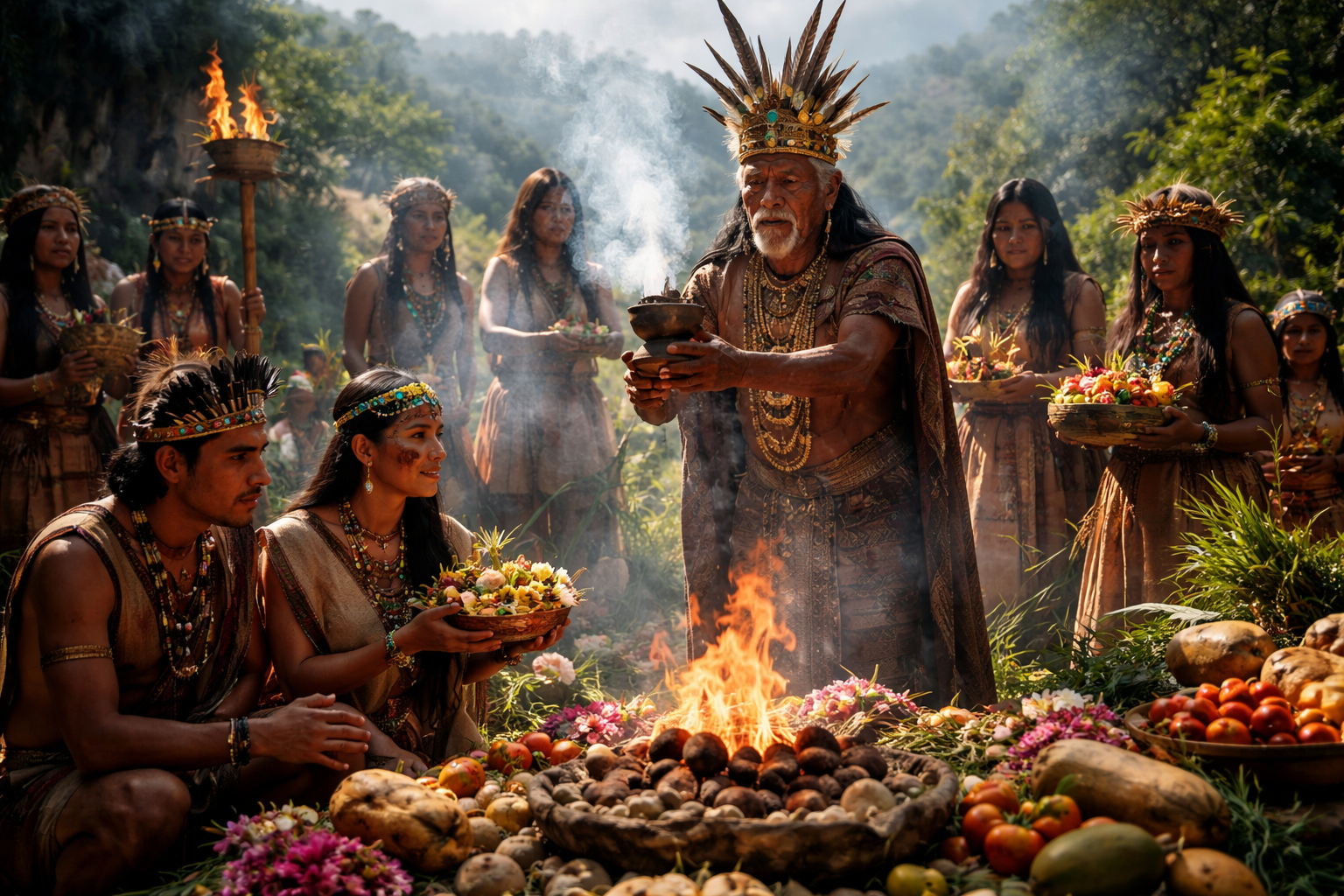
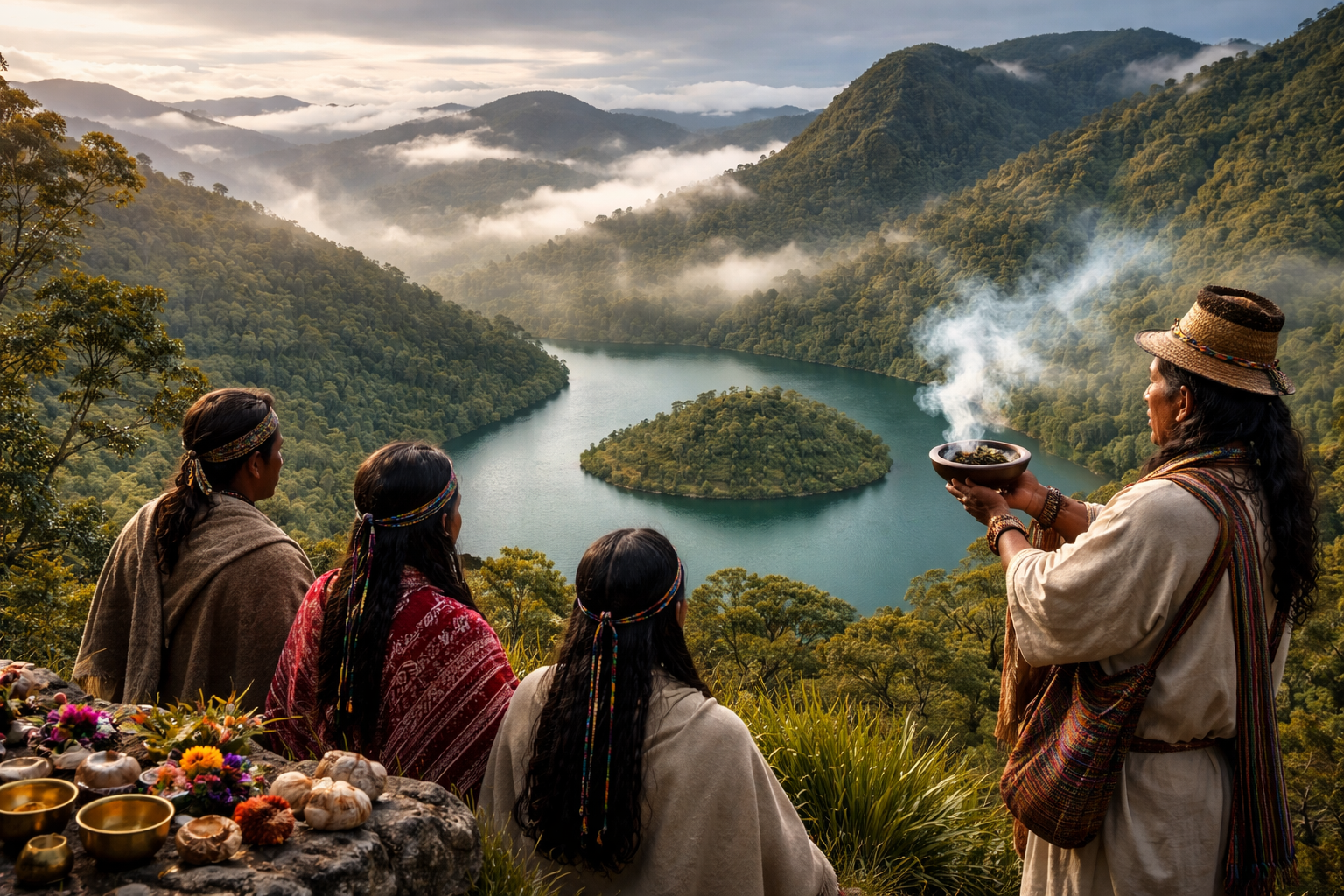
The economic system of the Muisca Confederation was one of the most advanced in pre-Columbian South America, built on agriculture, craftsmanship, and extensive trade networks. Unlike empires that relied heavily on conquest, the Muisca developed a thriving economy through exchange and cooperation. Their strategic location in the Andean highlands allowed them to connect with diverse ecological zones, fostering regional trade.
Trade was not merely an economic activity but a cultural and social practice that strengthened alliances and facilitated the exchange of ideas. By establishing networks beyond their highland territories, the Muisca interacted with neighboring groups, creating a dynamic system that supported both prosperity and stability.
Table of Contents
Economic Overview
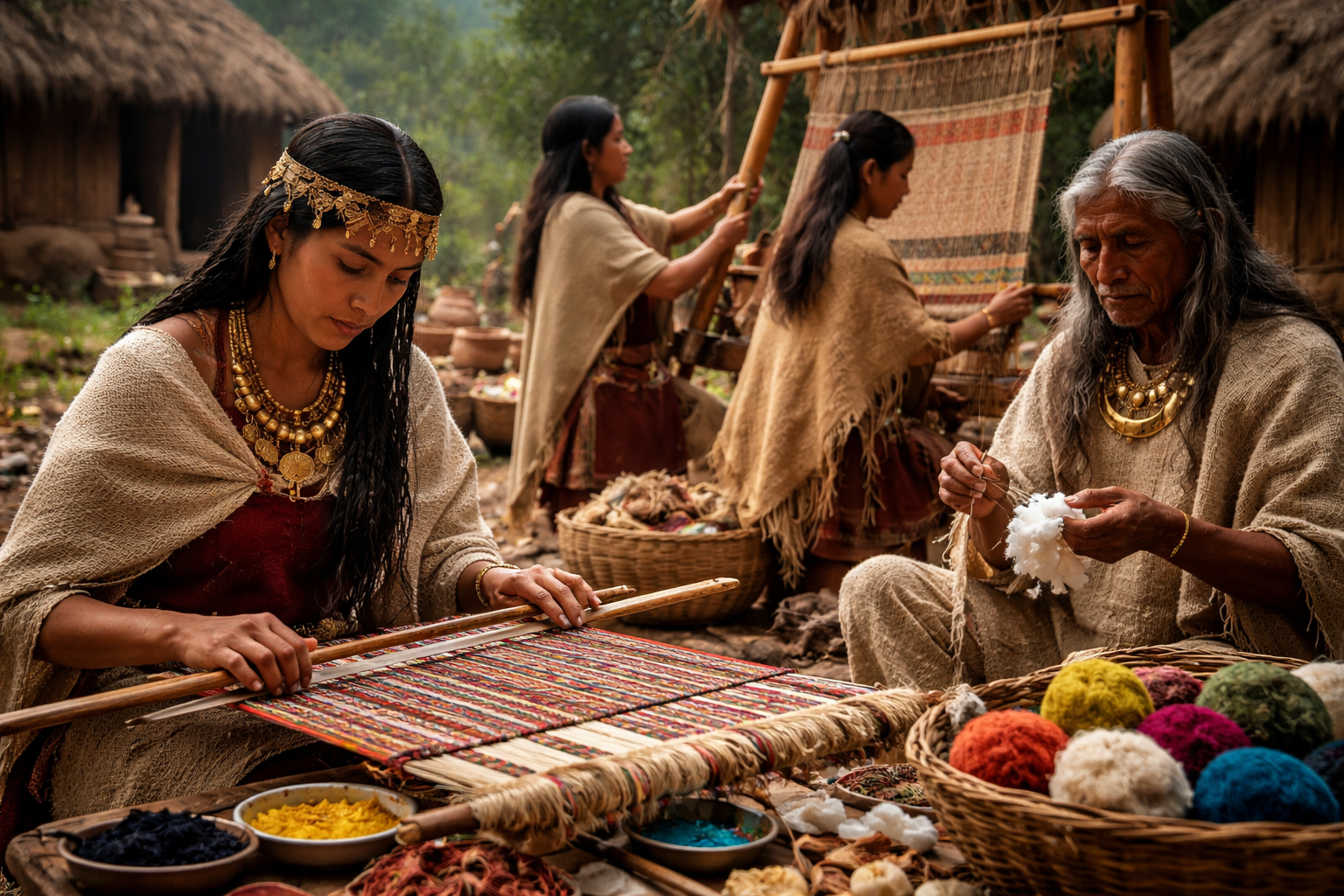
The Muisca economy was based on a combination of subsistence agriculture and specialized production. Crops such as maize, potatoes, and quinoa formed the backbone of daily life, while artisans produced goods like textiles, ceramics, and gold ornaments. These products were essential for both local consumption and trade.
Economic organization was decentralized, with local leaders managing resources and trade activities. This structure allowed for flexibility and adaptation, enabling the Muisca to respond effectively to environmental and social changes.
Overview of the Muisca Economy
| Aspect | Description |
|---|---|
| Agriculture | Cultivation of staple crops in highland مناطق |
| Craft Production | Creation of textiles, pottery, and gold items |
| Trade Networks | Exchange with lowland and coastal groups |
| Markets | Organized spaces for regular التجارة |
| Resource Diversity | Access to varied ecological zones |
Trade Networks
Trade networks extended far beyond the Muisca highlands, connecting them with regions that provided resources unavailable in their البيئة. Lowland areas supplied tropical goods such as fruits, feathers, and medicinal plants, while coastal regions offered saltwater products.
These networks were maintained through established routes and regular exchanges. Traders traveled significant distances, carrying goods across challenging terrains. This extensive connectivity allowed the Muisca to access a wide range of resources and maintain economic stability.
Market Systems
- Regularly held markets in central locations
- Exchange of goods without a standardized currency
- Use of barter as the primary trading method
- Participation of various social groups
- Social interactions alongside economic activities
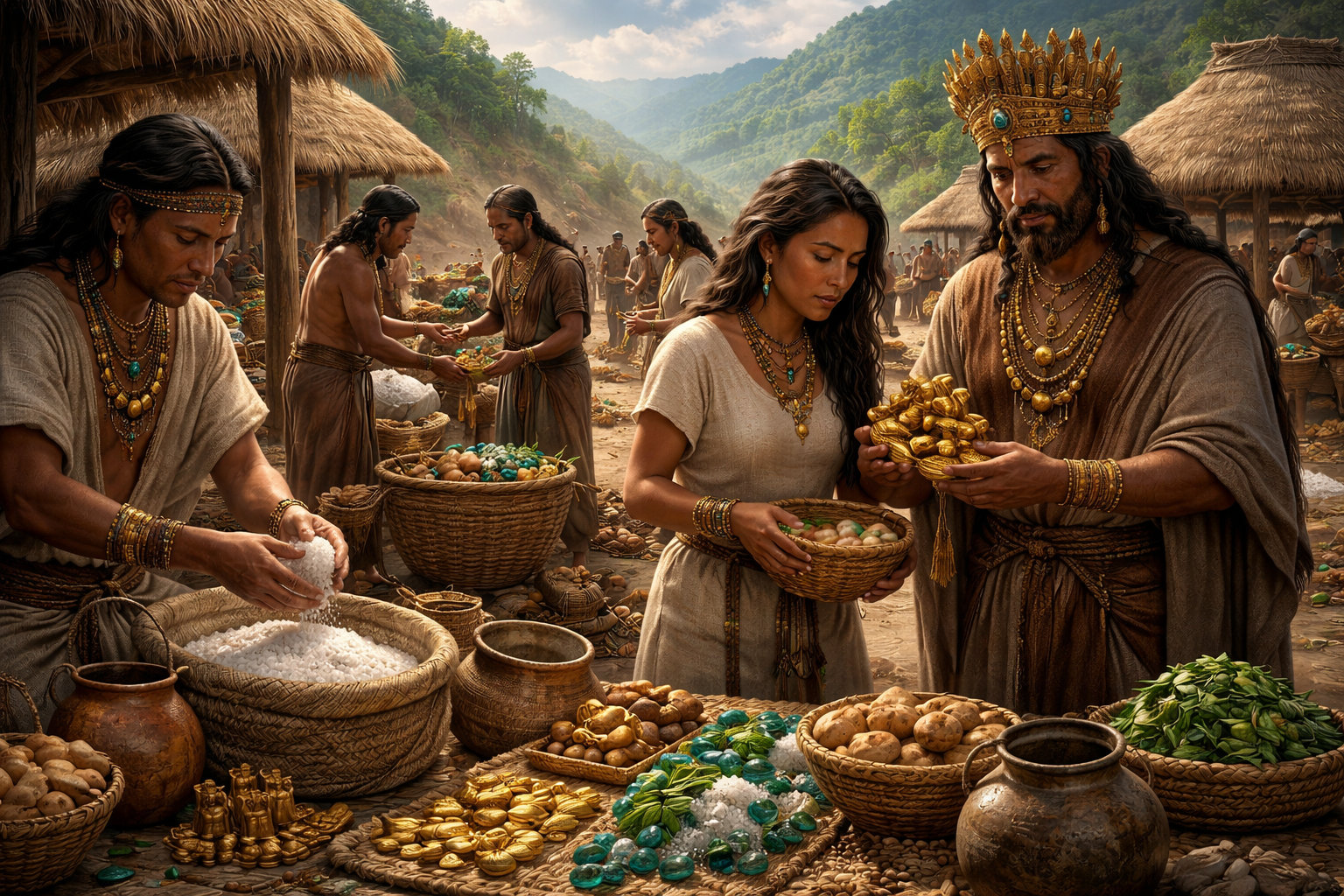
Markets played a crucial role in the Muisca economy. They were not only places for trade but also centers of social life, where people gathered to share information and strengthen community ties.
Key Resources
Certain resources held particular importance in the Muisca trade. Salt, often referred to as “white gold,” was one of their most valuable commodities. It was produced in large quantities and traded extensively with neighboring regions.
Gold was another significant resource, used primarily for ceremonial and decorative purposes rather than as currency. Emeralds, found in the region, were also highly prized and contributed to the Muisca’s reputation as skilled traders.
Exchange Methods
Trade within the Muisca Confederation relied heavily on barter rather than a formal currency system. Goods were exchanged based on perceived value, which could vary depending on الحاجة and availability. This flexible system allowed for diverse transactions.
Standardized measures and mutual trust were essential for maintaining fairness in exchanges. Social norms and relationships played a key role in ensuring that trade was conducted ethically and efficiently.
Regional Links
- Connections with Amazonian lowland communities
- Trade with Caribbean coastal groups
- Exchange with neighboring Andean societies
- Movement of goods across ecological zones
- Cultural interactions through trade روابط
Regional links expanded the economic reach of the Muisca. These interactions facilitated not only the exchange of goods but also the sharing of knowledge, technologies, and cultural practices.
Social Impact
Trade had a significant impact on Muisca society, influencing social structure and hierarchy. Wealth generated through trade allowed certain أفراد and groups to gain status and power. Leaders often controlled key resources and trade routes, reinforcing their authority.
At the same time, trade promoted interdependence among communities. By relying on each other for resources, different groups maintained cooperative relationships that contributed to overall stability.
Economic Strength
The strength of the Muisca economy lay in its diversity and adaptability. By combining agriculture, craftsmanship, and trade, they created a balanced system capable of sustaining large populations. Their ability to connect with multiple regions further enhanced their resilience.
This economic model allowed the Muisca to thrive without relying on large-scale conquest. Instead, they built prosperity through cooperation, resource management, and strategic exchange networks.
Future Implications
Understanding the trade and economy of the Muisca Confederation provides valuable insights into pre-Columbian economic systems. Their emphasis on sustainability, regional integration, and social cooperation offers lessons that remain relevant today.
By studying their networks and practices, historians can better appreciate the complexity and sophistication of indigenous economies. The Muisca example highlights the importance of adaptability and collaboration in achieving long-term economic success.