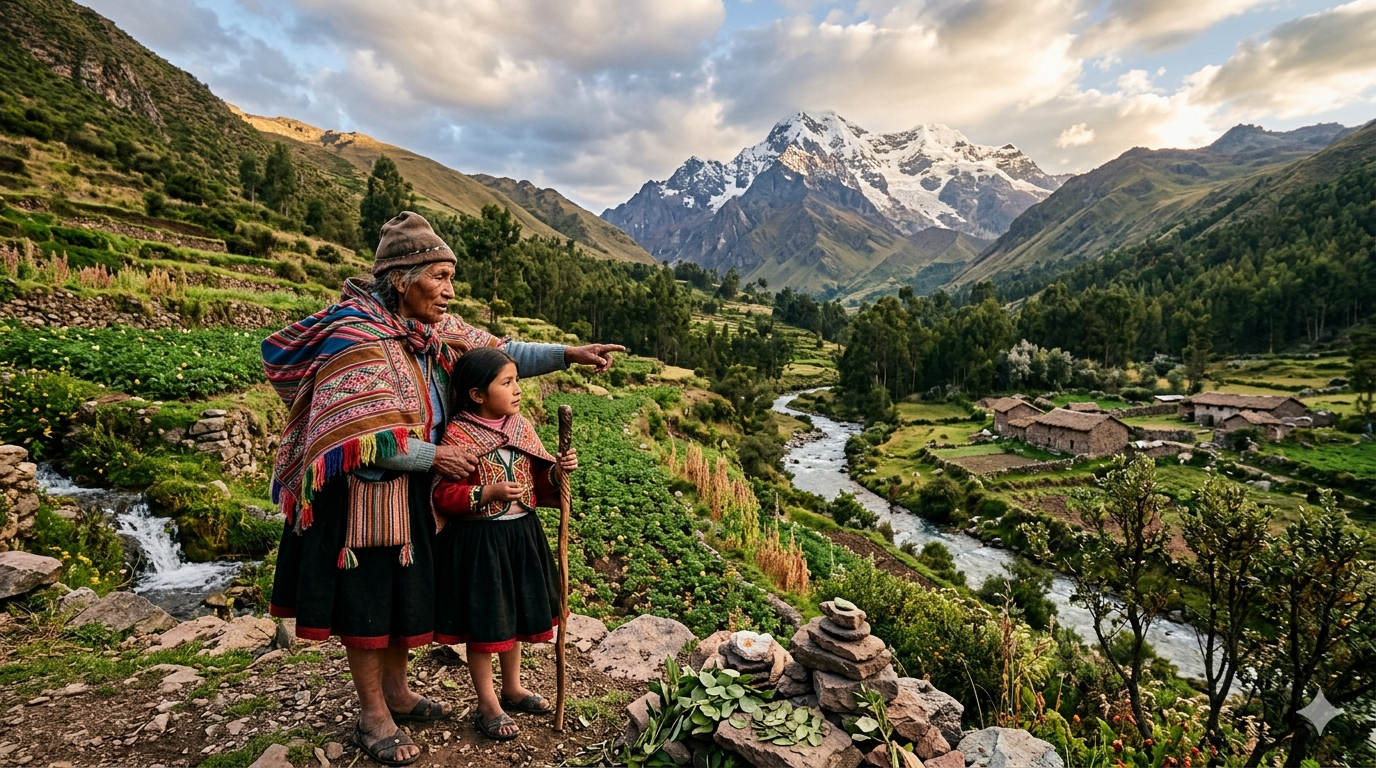
Traditional Ecological Knowledge (TEK) in Andean indigenous societies represents a deep, time-tested understanding of nature developed over centuries. Rooted in close interaction with diverse ecosystems, this knowledge integrates agriculture, climate awareness, and spiritual beliefs. Communities across the Andes have relied on TEK to sustainably manage resources and adapt to environmental challenges.
In today’s context of climate change and environmental degradation, TEK offers valuable insights for sustainable development. Its holistic approach emphasizes balance between humans and nature, making it highly relevant for modern ecological practices. This article explores the key aspects of TEK in Andean societies and its enduring significance.
Table of Contents
Knowledge Overview
TEK Framework Summary
| Component | Description |
|---|---|
| Environmental Insight | Deep understanding of ecosystems and biodiversity |
| Agricultural Practices | Sustainable farming adapted to altitude and climate |
| Climate Adaptation | Strategies to manage weather variability |
| Cultural Integration | Connection between ecology and spiritual beliefs |
| Resource Management | Community-based conservation methods |
Environmental Wisdom
Andean indigenous communities possess detailed knowledge of their natural surroundings, including soil types, water cycles, and plant species. This environmental wisdom allows them to make informed decisions about land use and resource management. Their observations are based on generations of experience and continuous interaction with nature.
Such knowledge is often transmitted orally through stories, rituals, and daily practices. This ensures that ecological understanding is preserved and adapted over time. The depth of this wisdom highlights the importance of cultural continuity in sustaining environmental knowledge.
Farming Systems
Agriculture in the Andes is characterized by innovative and sustainable practices. Techniques such as terrace farming and crop diversification allow communities to cultivate land efficiently in mountainous terrain. These methods reduce soil erosion and maximize productivity.
Crop selection is carefully adapted to different altitudes and microclimates. By growing a variety of crops, communities ensure food security and resilience against environmental changes. This diversity is a key strength of Andean farming systems.
Climate Adaptation
- Observing natural indicators like animal behavior and plant cycles
- Adjusting planting schedules based on seasonal patterns
- Using traditional forecasting methods
- Diversifying crops to reduce risk
Climate adaptation is a central aspect of TEK. Andean communities have developed strategies to cope with unpredictable weather and extreme conditions. Their ability to interpret environmental signals enables proactive decision-making.
These adaptive practices are particularly valuable in the face of modern climate challenges. Integrating traditional knowledge with scientific approaches can enhance resilience and sustainability.
Spiritual Ecology
Andean TEK is deeply intertwined with spiritual beliefs. Nature is often viewed as a living entity, and elements such as mountains, rivers, and the earth are considered sacred. This perspective fosters respect and responsibility toward the environment.
Rituals and ceremonies play a significant role in maintaining ecological balance. By honoring natural forces, communities reinforce their connection to the environment. This spiritual dimension adds depth to their ecological practices.
Resource Management
- Community-based decision-making systems
- Sustainable use of water and land resources
- Conservation of biodiversity
- Collective responsibility for environmental stewardship
Resource management in Andean societies emphasizes cooperation and sustainability. Decisions are often made collectively, ensuring that resources are used responsibly and equitably.
This approach reduces overexploitation and promotes long-term ecological health. Community involvement strengthens accountability and fosters a shared commitment to environmental preservation.
Knowledge Transfer
The transmission of TEK is essential for its survival. Elders play a key role in passing knowledge to younger generations through storytelling, observation, and participation in daily activities. This process ensures continuity and adaptation.
Modern influences, however, pose challenges to traditional knowledge systems. Education systems and urbanization can disrupt knowledge transfer. Efforts to integrate TEK into formal education can help preserve this valuable heritage.
Modern Relevance
Traditional ecological knowledge offers practical solutions for contemporary environmental issues. Its emphasis on sustainability, resilience, and balance aligns with modern conservation goals. Researchers and policymakers increasingly recognize its value.
Collaboration between indigenous communities and scientific institutions can lead to innovative approaches. By respecting and integrating TEK, societies can develop more effective strategies for environmental management.
Wrapping Up
Traditional Ecological Knowledge in Andean indigenous societies represents a rich and dynamic system of environmental understanding. Its integration of ecological, cultural, and spiritual elements provides a holistic approach to sustainability. From farming practices to climate adaptation, TEK offers valuable lessons for addressing modern challenges.
Preserving and respecting this knowledge is essential for both cultural heritage and environmental sustainability. By learning from Andean communities, we can move toward more balanced and resilient approaches to living in harmony with nature.