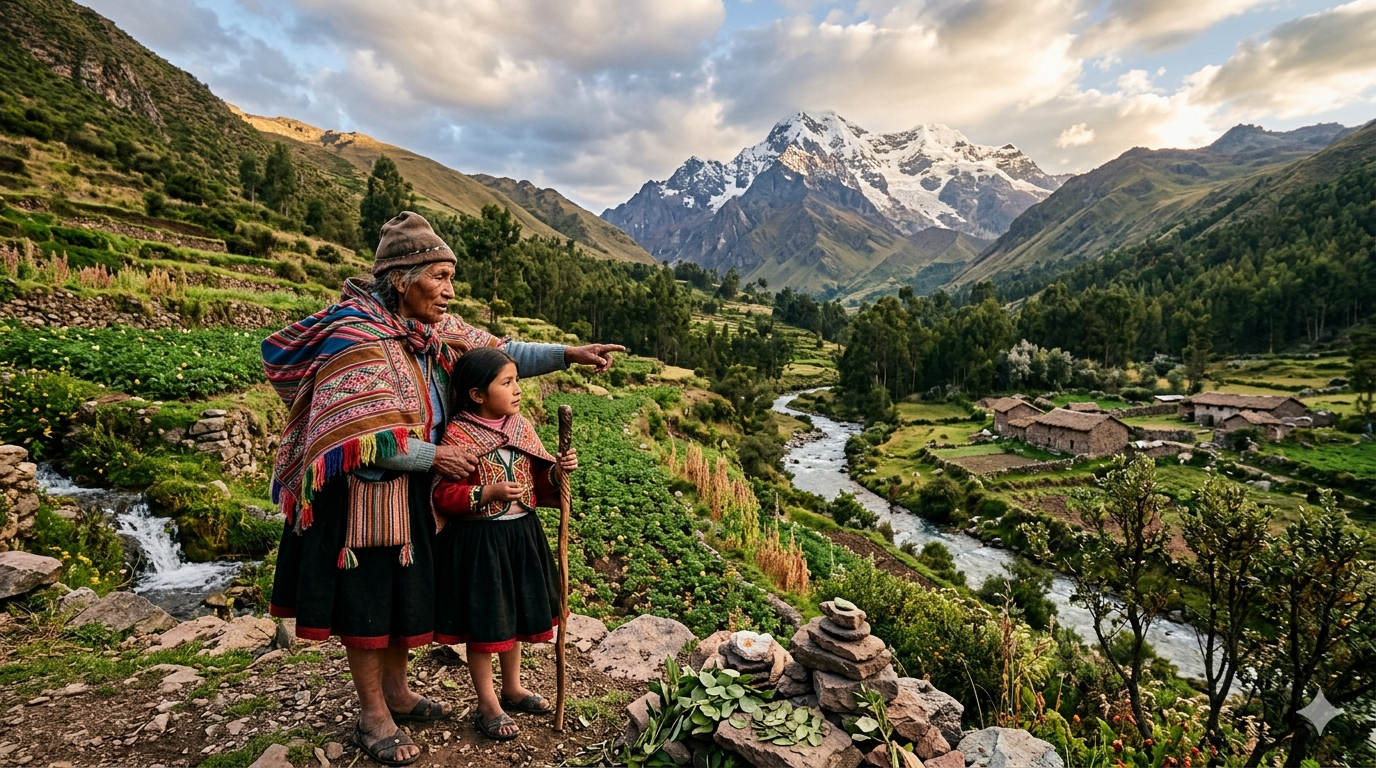
Crops were central to the sustenance, economy, and spiritual life of the Muisca people. The highlands of present-day Colombia offered a diverse climate and fertile soil, which the Muisca skillfully adapted to grow a variety of staple and ritual crops. Maize, potatoes, quinoa, and other plants were not merely sources of food; they embodied cultural identity, religious symbolism, and ecological knowledge. Studying these crops reveals the sophistication of Muisca agriculture and its sustainable practices.
Table of Contents
Maize (Zea mays)
Maize was the primary staple crop, forming the basis of daily nutrition and ritual offerings.
Cultivation included terraced fields, irrigation, and lunar-timed planting, optimizing yield in mountainous terrain.
Maize held spiritual significance, often used in rituals to honor deities such as Sué, the Sun God.
Various varieties were cultivated for bread, chicha (fermented drink), and ceremonial use, highlighting versatility.
Crop
Purpose
Cultural Significance
Agricultural Practice
Maize
Food, chicha, rituals
Staple and sacred offering
Terracing, irrigation, lunar planting
Potatoes (Solanum tuberosum) and Tubers
Potatoes and other tubers thrived in cool highland climates, complementing maize in diet and nutrition.
They were cultivated on terraces and raised fields, demonstrating adaptation to uneven terrain.
Tubers symbolized resilience and life, and were often included in fertility and harvest ceremonies.
Crop rotation with maize and legumes preserved soil fertility and ecological balance.
Crop
Purpose
Cultural Significance
Agricultural Practice
Potatoes
Nutrition, staple food
Life, resilience
Terrace cultivation, crop rotation
Other tubers
Dietary diversity
Ritual inclusion
Raised fields, intercropping
Quinoa (Chenopodium quinoa) and Amaranth
Quinoa and amaranth were high-protein grains suited to high-altitude cultivation.
They provided essential nutrients, supporting health and physical endurance.
Grains were often used in rituals, offerings, and ceremonial meals, emphasizing sacred connection to agriculture.
Polyculture planting alongside maize and legumes maintained soil health and reduced pest risk.
Crop
Purpose
Cultural Significance
Agricultural Practice
Quinoa
Nutrition, ritual
Sacred grain, sustenance
Polyculture, terrace cultivation
Amaranth
Food, ceremonial use
Symbol of fertility
Mixed planting with maize and tubers
Legumes and Vegetables
Beans, peas, and other legumes were essential for protein and soil enrichment through nitrogen fixation.
Vegetables provided dietary diversity, supporting communal health and nutrition.
Legumes were intercropped with maize and tubers to maximize land use and fertility.
Offerings of legumes and vegetables were made in planting and harvest ceremonies to maintain spiritual favor.
Crop
Purpose
Cultural Significance
Agricultural Practice
Beans
Protein, soil enrichment
Sustenance and fertility
Intercropping, rotation
Peas & vegetables
Nutrition, dietary variety
Ritual inclusion
Mixed planting, terrace cultivation
Medicinal and Ritual Plants
Coca, tobacco, and aromatic herbs were cultivated near sacred sites for ritual and medicinal purposes.
Coca leaves were chewed or offered in ceremonies to communicate with deities and maintain spiritual balance.
These plants reinforced the interconnectedness of agriculture, health, and spirituality.
Ritual gardens symbolized the Muisca understanding of reciprocity and stewardship of the land.
Irrigation systems conserved water while maximizing crop yield in mountainous regions.
Rituals reinforced ethical land use, ensuring sustainability across generations.
Crop diversity mitigated the risk of famine and preserved soil fertility, demonstrating long-term planning.
These agricultural strategies reveal that the Muisca integrated practical, ecological, and spiritual dimensions in farming.
The Bottom Line
Traditional Muisca crops, from maize to quinoa, were more than food—they were symbols of life, fertility, and spiritual connection. Through terrace farming, polyculture, and ritual observance, the Muisca achieved sustainable agriculture adapted to highland environments. Their crops supported nutrition, economy, and religious practice, reflecting a worldview where human survival and spiritual harmony were inseparable from ecological stewardship. The legacy of Muisca agriculture continues to inspire modern sustainable farming and ecological awareness, highlighting the enduring value of ancient knowledge.
She is a creative and dedicated content writer who loves turning ideas into clear and engaging stories. She writes blog posts and articles that connect with readers. She ensures every piece of content is well-structured and easy to understand. Her writing helps our brand share useful information and build strong relationships with our audience.