The concept of “Jischana” was central to Muisca cosmology and social organization, reflecting a profound understanding of land as a living, spiritual entity. For the Muisca, inhabitants of the Andean highlands in present-day Colombia, territory was not merely a physical space for settlement or agriculture but a dynamic, sacred organism intertwined with spiritual forces, deities, and ancestral presence. Jischana represented the unity of nature, community, and divine order, emphasizing that human interaction with the land required respect, reciprocity, and ritual care.
Table of Contents
Defining Jischana
- Jischana can be translated as “living territory”, highlighting the Muisca perception of land as animated and sacred.
- It encompassed mountains, rivers, lakes, forests, and fields, all imbued with spiritual significance.
- The land was understood as inhabited by spirits, ancestors, and deities, which guided human activity and ensured fertility and prosperity.
- Ownership was collective and spiritual, emphasizing custodianship rather than possession.
- Jischana shaped Muisca political, social, and economic structures, reinforcing ethical relationships with the environment.
| Aspect of Jischana | Meaning | Function in Muisca Life |
|---|---|---|
| Mountains | Guardians and sacred intermediaries | Spiritual guidance, pilgrimage, and cosmic observation |
| Lakes | Cosmic mirrors and divine wombs | Ritual offerings, fertility, and water supply |
| Rivers | Circulatory veins of the territory | Irrigation, purification, and travel |
| Forests and groves | Habitats of spirits and resources | Hunting, medicinal plants, and ritual ceremonies |
| Agricultural fields | Sustenance and reciprocity | Planting, harvest, and community cooperation |
Spiritual and Cosmological Significance
- Jischana reflected a cosmology in which nature and divinity were inseparable, with every element of the landscape considered sacred.
- Deities such as Chiminigagua (Supreme Being), Sué (Sun), Chía (Moon), and Bachué (Mother Goddess) were believed to inhabit or influence the territory.
- Natural features like lakes and mountains acted as portals for communication between humans and divine forces.
- Rituals ensured that human activities, particularly agriculture, maintained harmony with cosmic and environmental cycles.
- Jischana symbolized a holistic worldview, integrating ethics, spirituality, and ecological stewardship.
Social Organization and Territorial Roles
- The Muisca structured society around territorial divisions, each guided by Jischana principles.
- Local leaders, including the Zipa and Zaque, were responsible for protecting and managing sacred lands.
- Priests (chyquy) acted as spiritual custodians, performing ceremonies to honor the land and its resident spirits.
- Collective farming, water management, and resource sharing were guided by the ethical framework of Jischana.
- Community cohesion was reinforced through shared rituals and responsibilities, reflecting the interdependence of human, spiritual, and ecological life.
| Role | Responsibilities in Jischana | Ritual or Practice |
|---|---|---|
| Zipa/Zaque | Political and territorial governance | Oversight of sacred sites and festivals |
| Priests (Chyquy) | Spiritual mediation | Ceremonial offerings and divination |
| Farmers and Laborers | Sustenance production | Ritual planting and harvest |
| Communal Elders | Ethical guidance | Enforcing respect for sacred landscapes |
| Artisans | Material offerings | Creation of tunjos and sacred objects |
Ritual Practices in Jischana
- Rituals in Jischana focused on reciprocity between humans and the land, expressing gratitude and seeking protection.
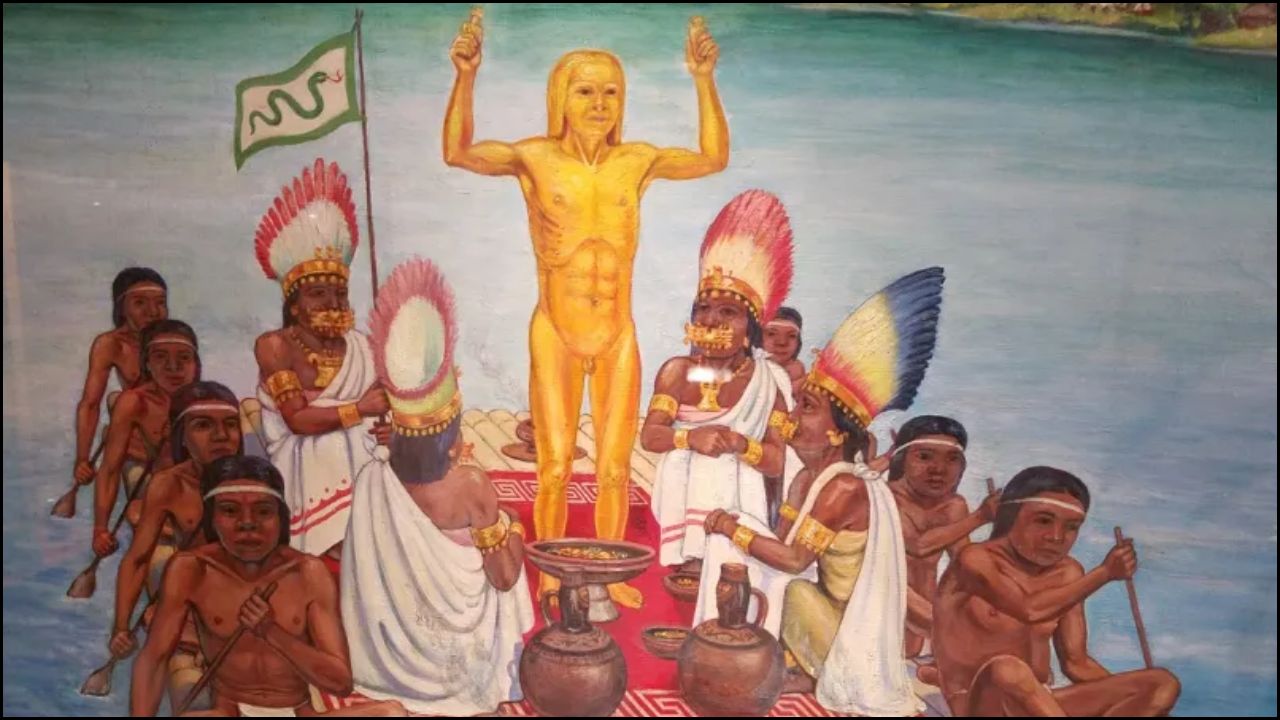
- Planting rituals invoked fertility through prayers, offerings of seeds, gold, and chicha.
- Harvest festivals celebrated abundance and ensured future prosperity.
- Pilgrimages to sacred mountains, lakes, and groves allowed the community to renew spiritual bonds with the land.
- Caves and forested groves were used for initiation ceremonies and communication with ancestral spirits, emphasizing the sacredness of territory.
Ecological Knowledge Embedded in Jischana
- Understanding Jischana required knowledge of soil, water, climate, and biodiversity, demonstrating early ecological wisdom.
- Seasonal cycles, lunar phases, and celestial observations guided agriculture, hunting, and resource management.
- Respect for rivers, forests, and mountains ensured the sustainability and protection of ecosystems.
- Ritualized practices prevented overexploitation, reflecting a worldview where spiritual and ecological balance were inseparable.
- Jischana illustrates that environmental stewardship was embedded in Muisca cosmology and social ethics.
| Ecological Element | Spiritual Significance | Practical Role |
|---|---|---|
| Rivers | Spirits of water and life | Irrigation and travel |
| Mountains | Guardians of territory | Climatic influence and sacred observances |
| Lakes | Fertility and renewal | Water storage and ritual cleansing |
| Forests | Habitat of spirits and resources | Hunting, medicine, and ritual use |
| Agricultural fields | Gift of the gods | Crop production and food security |
Jischana and Cultural Identity
- The concept of Jischana reinforced Muisca identity, linking people to their land spiritually, socially, and morally.
- Place names, sacred sites, and oral histories reflected the living memory of the territory.
- Rituals and myths associated with Jischana maintained cultural continuity and ancestral knowledge.
- Respect for the land was a moral imperative, shaping social norms and ethical conduct.
- Jischana continues to inspire modern indigenous movements advocating for land rights and ecological preservation.
Legacy of the Jischana Concept
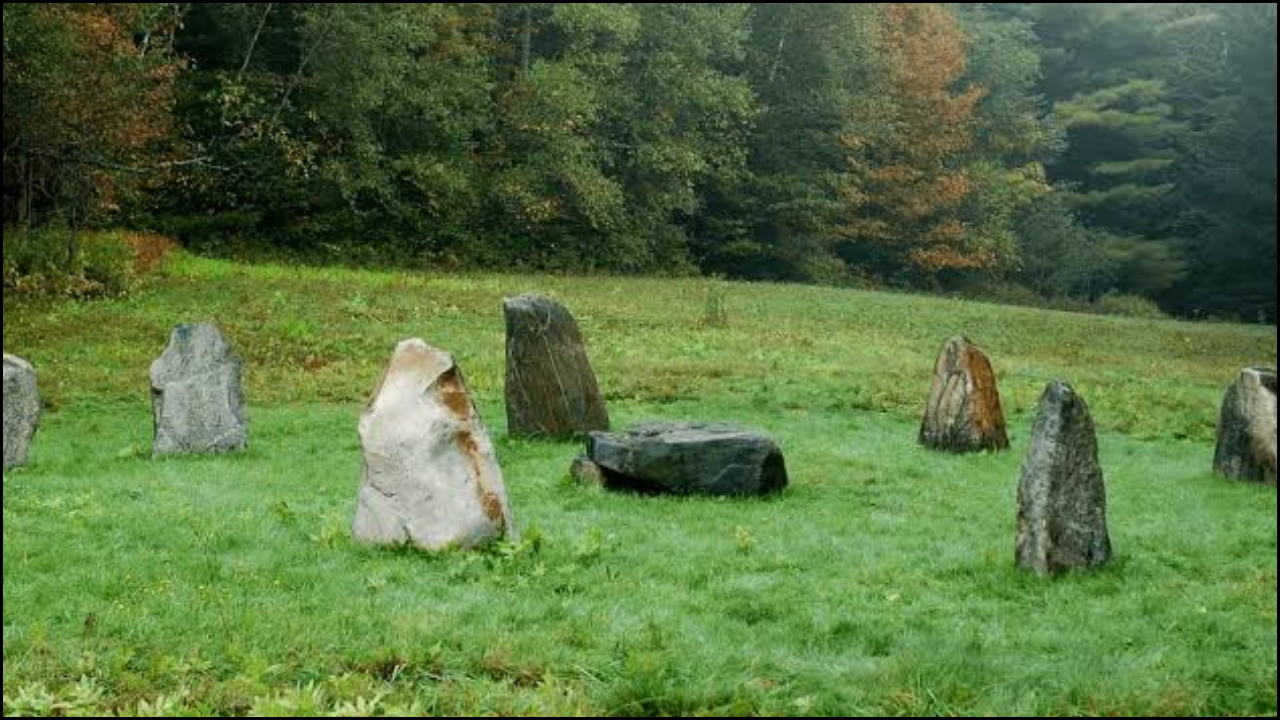
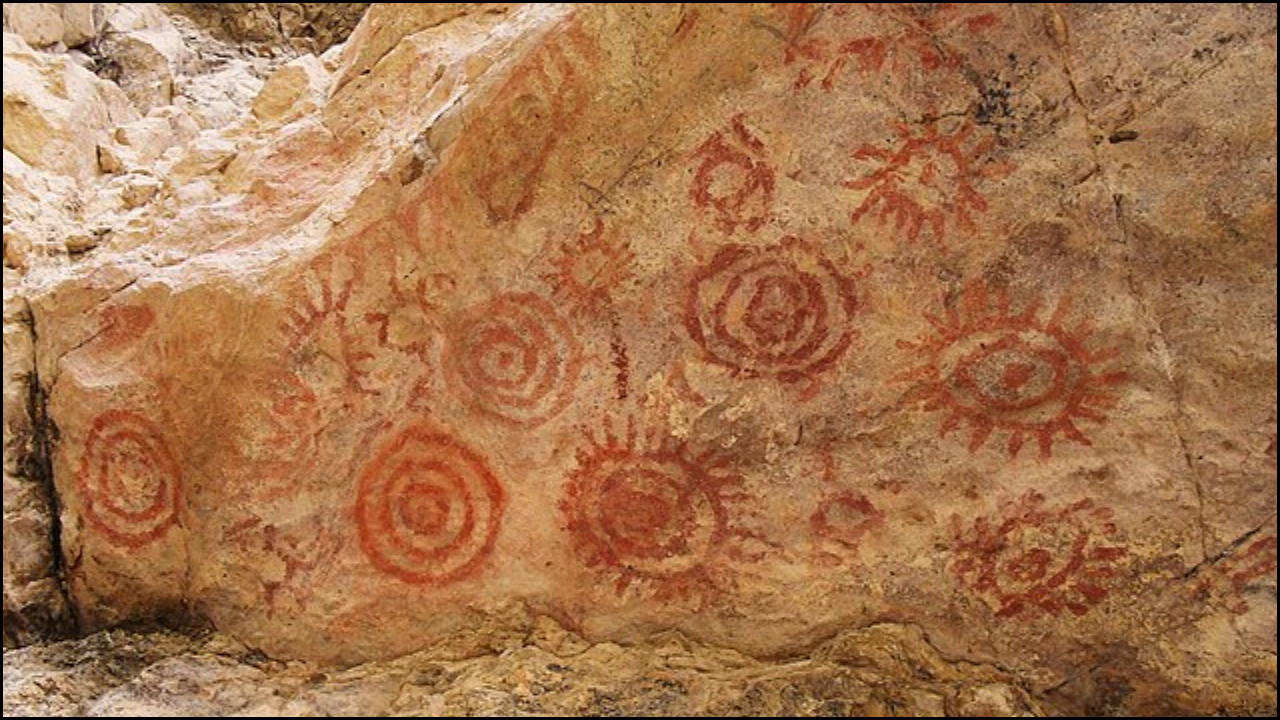
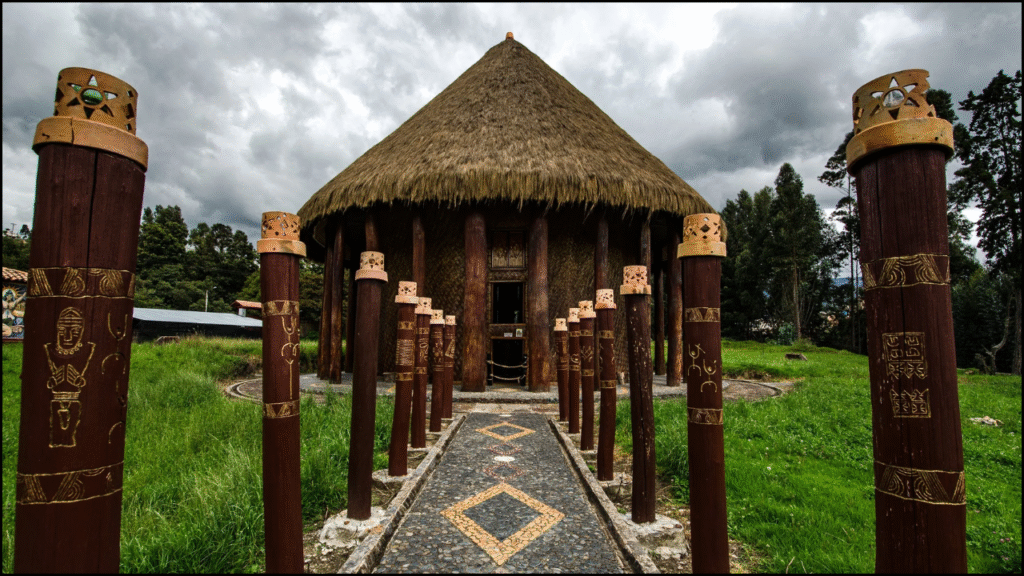
- Archaeological sites, sacred lakes, and ceremonial plazas reveal the integration of spirituality and territorial management.
- Scholars recognize Jischana as an example of indigenous ecological and ethical knowledge.
- Modern interpretations highlight the importance of sacred landscapes, community stewardship, and sustainable resource use.
- Jischana remains relevant as a model of how human societies can harmonize with nature while preserving spiritual and cultural integrity.
- This concept challenges contemporary perspectives on land, emphasizing responsibility, reverence, and interconnectedness.
The Bottom Line
Jischana, the Muisca concept of living territory, illustrates a worldview in which land, spirits, and humans are deeply interconnected. Mountains, lakes, rivers, and forests were more than resources—they were sacred entities requiring respect, ritual care, and ethical stewardship. Through ceremonial practices, communal governance, and ecological knowledge, the Muisca maintained harmony between people, nature, and the divine. Jischana offers a timeless lesson on the sacredness of territory and the responsibility of humans to protect and honor the living landscape, demonstrating a holistic approach to ecology, spirituality, and social cohesion.