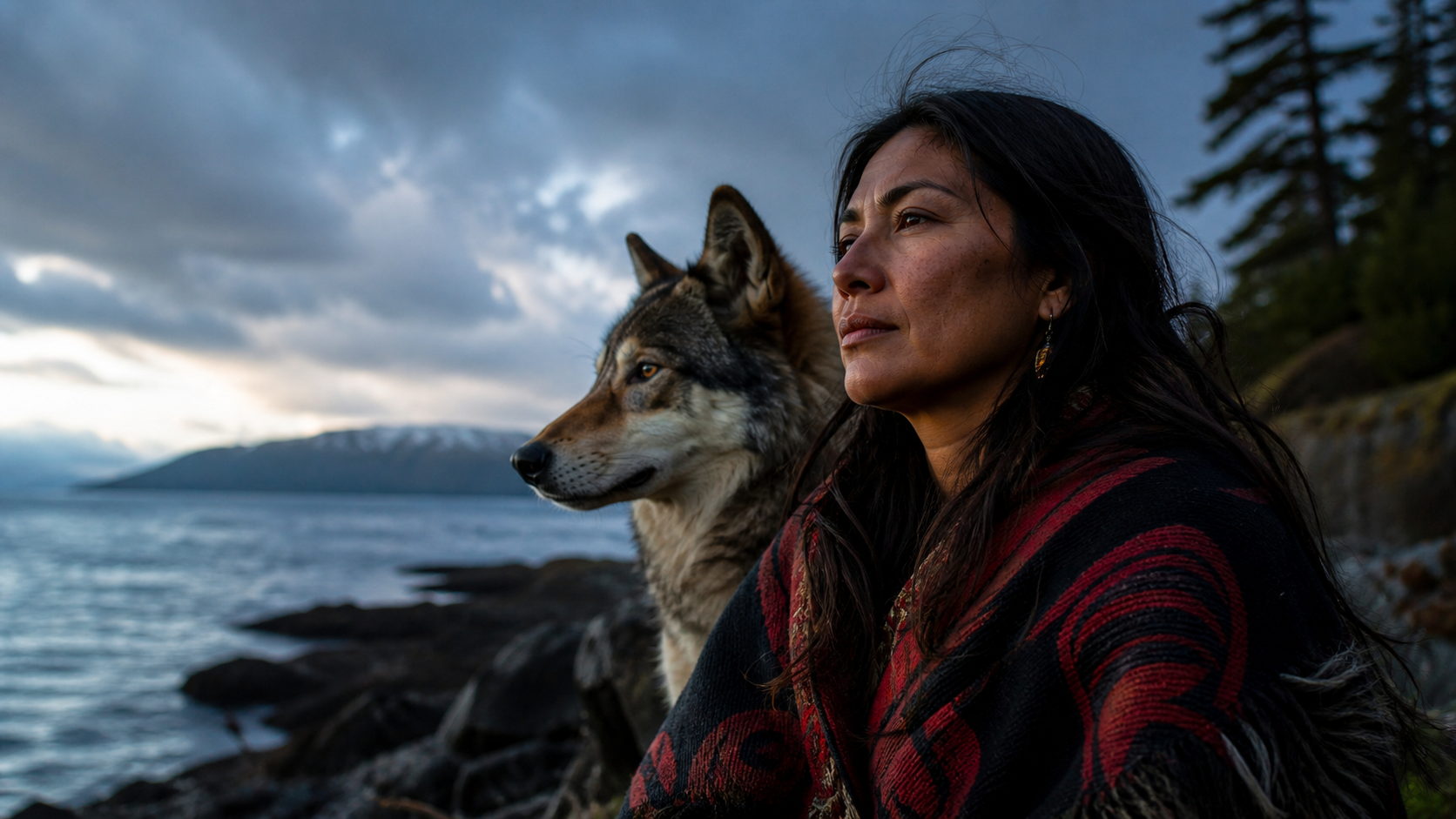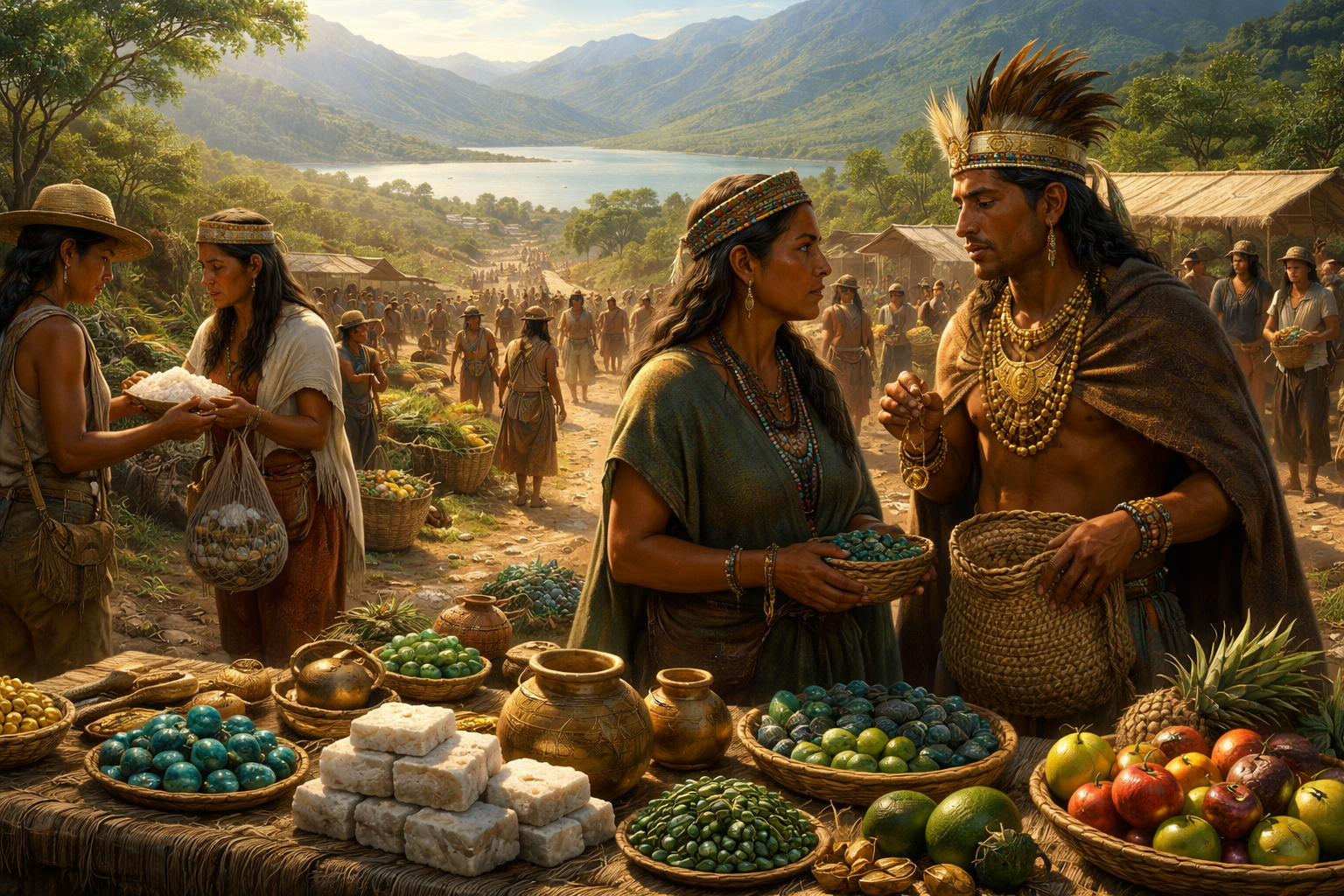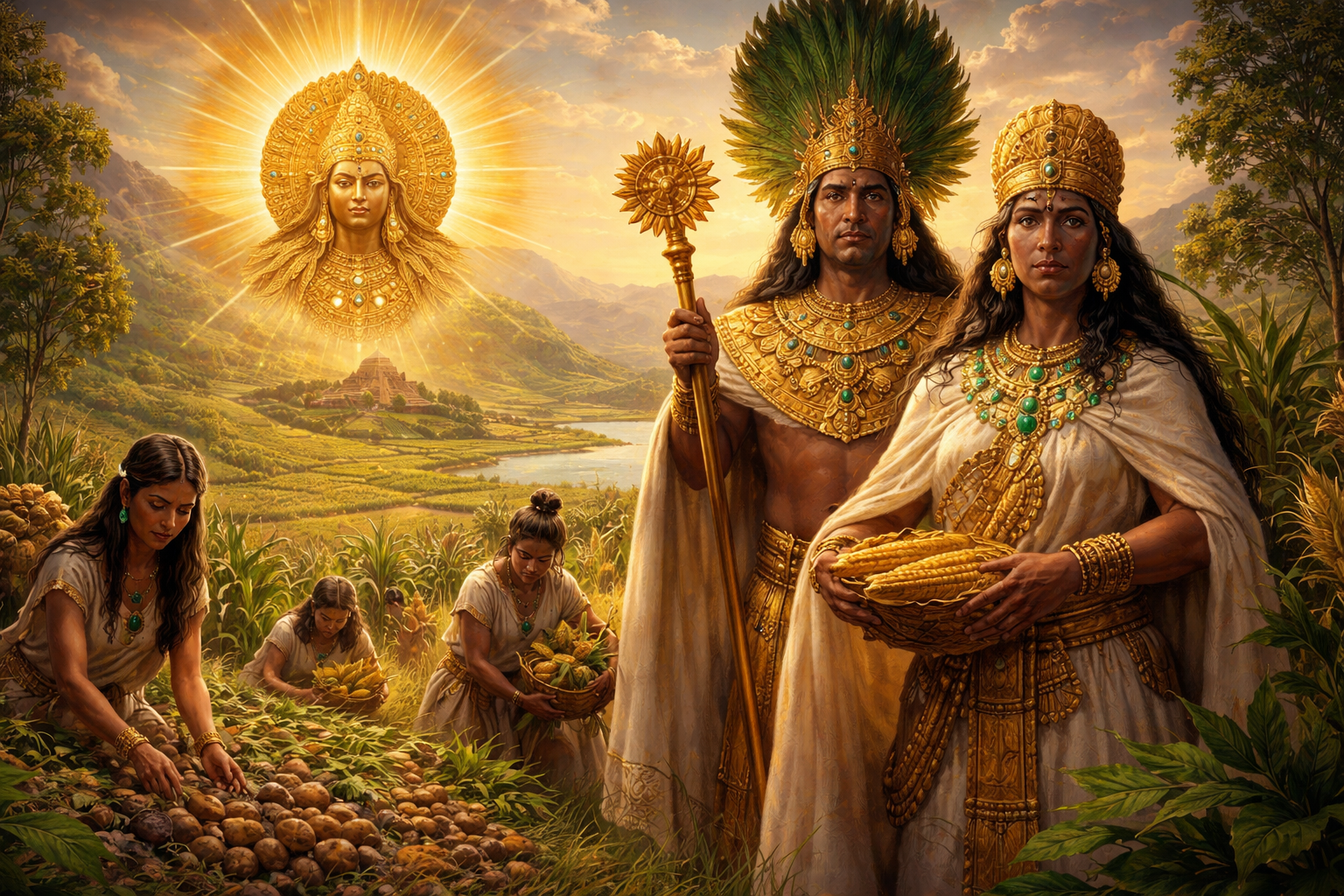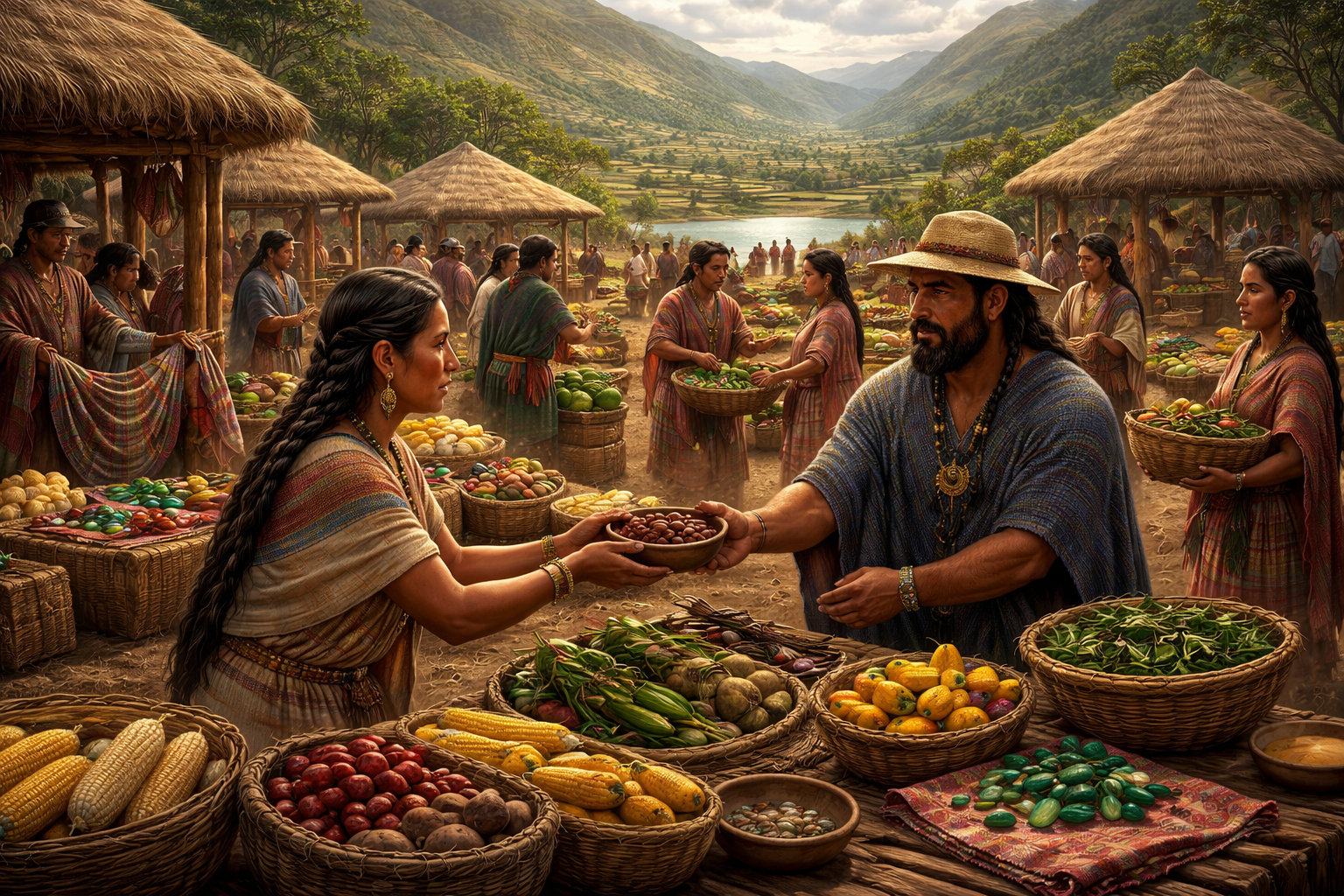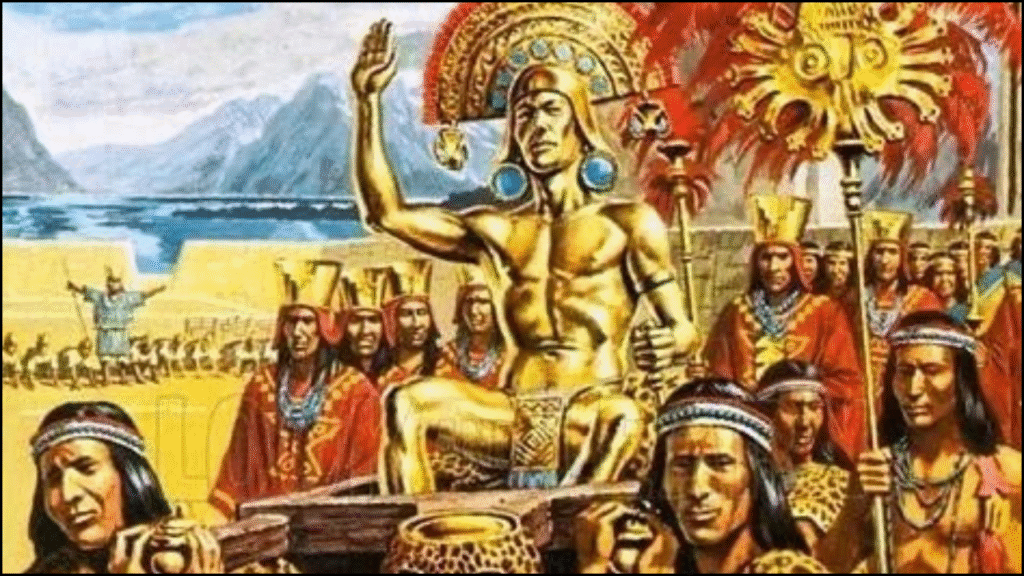
Nature spirits played a central role in the spiritual life of the Muisca, reflecting the civilization’s deep connection with their environment. The Muisca, a Chibcha-speaking people of the Andean highlands in present-day Colombia, believed that every river, mountain, lake, and forest was inhabited by divine entities. These spirits were not abstract concepts but active forces that influenced daily life, agriculture, health, and social harmony. Understanding the role of nature spirits provides insight into the Muisca worldview, where humans, deities, and the natural world existed in a delicate and sacred balance.
Table of Contents
Cosmology and Spiritual Hierarchy
- The Muisca believed in a hierarchical cosmos, where Chiminigagua stood as the supreme creator, followed by deities like Sué (Sun), Chía (Moon), Bochica, and Huitaca.
- Beneath these major gods were nature spirits inhabiting lakes, rivers, mountains, and caves.
- Spirits were classified according to their domain and influence, guiding human activity and maintaining cosmic balance.
- They served as intermediaries between humans and the higher gods, ensuring rituals aligned with the natural and cosmic order.
- This hierarchy reflected the Muisca belief that divinity pervaded all aspects of life, not just the celestial realm.
| Category of Nature Spirit | Domain | Role in Daily Life |
|---|---|---|
| Lake Spirits | Sacred lakes and wetlands | Fertility, abundance, and ritual offerings |
| Mountain Spirits | Peaks and hills | Protection, guidance, and pilgrimage sites |
| Forest Spirits | Woods and sacred groves | Hunting success, health, and medicinal plants |
| River Spirits | Flowing waters and streams | Irrigation, fishing, and purification |
| Cave Spirits | Underground chambers | Ancestral worship and spiritual initiation |
Lakes and Water Spirits
- Sacred lakes were considered living entities inhabited by spirits who controlled fertility, rain, and agricultural prosperity.
- Lake Guatavita was the site of the famed El Dorado ritual, where offerings of gold and other valuables were made to honor the lake spirits and ensure divine favor.
- Lake spirits were believed to communicate warnings or blessings, influencing the outcomes of harvests and community well-being.
- Rituals often involved ceremonial offerings, music, and dance performed by priests or leaders to maintain harmony with these spirits.
- Lakes also served as cosmic mirrors, reflecting the divine order in both water and sky.
Mountain Spirits and Pilgrimage
- Mountains were revered as homes of powerful protective spirits that oversaw the land and its people.
- Peaks like Monserrate, Suma Paz, and Tunja Hills were considered sacred guardians, visited for prayer, ritual, and divine guidance.
- Pilgrimages to mountain shrines represented both physical endurance and spiritual devotion, aligning human action with cosmic forces.
- Mountain spirits were called upon to intercede for rainfall, fertility, or protection against natural disasters.
- Many mountains were linked to mythical narratives, often associated with heroes like Bochica or goddesses like Chía and Huitaca.
Forest and Plant Spirits
- Forests and sacred groves were seen as sanctuaries for the spirits of plants and animals.
- Hunters and gatherers performed rituals to seek permission and blessings from these spirits before harvesting or hunting.
- Certain plants, such as coca and medicinal herbs, were believed to have guardian spirits that ensured their potency and sacred use.
- Forest spirits reinforced the Muisca understanding of sustainability, teaching respect for natural resources.
- Ritual offerings included seeds, flowers, and small animal figurines, symbolizing reciprocity and gratitude.
River and Waterway Spirits
- Rivers and streams were thought to contain spirits that controlled flow, purity, and aquatic life.
- Farmers depended on river spirits to guide irrigation and support crops, especially in the fertile Cundiboyacense plateau.
- Fishermen offered gifts to river spirits to ensure abundant catches and protection against drowning or floods.
- Rivers were also places for spiritual purification rituals, connecting physical cleanliness with moral and cosmic order.
- Seasonal changes in river levels were interpreted as messages from these spirits, guiding agricultural and ritual planning.
Cave Spirits and Ancestral Connections
- Caves were sacred spaces where nature spirits and ancestral souls coexisted, serving as gateways to the spiritual realm.
- Rituals performed in caves often involved initiation, meditation, and communication with ancestors.
- Offerings of gold, pottery, and food were made to honor both spirits and forebears, ensuring protection and guidance.
- Caves symbolized hidden knowledge and the mystery of life, with spirits acting as custodians of cosmic secrets.
- Certain caves were associated with mythical events, linking human history to divine narrative.
| Sacred Feature | Associated Spirit | Human Function |
|---|---|---|
| Lake Guatavita | Water spirit | Fertility and ceremonial offerings |
| Monserrate Mountain | Guardian spirit | Protection and pilgrimage |
| Iguaque Cave | Ancestral and nature spirits | Birth myth and ritual initiation |
| El Infiernito | Astronomical spirits | Calendar and agricultural guidance |
| Tunja Hills | Protective spirits | Community well-being and moral order |
Ritual Practices Involving Nature Spirits
- Rituals often began with prayers, music, and dance, invoking the presence of nature spirits.
- Offerings of gold, pottery, food, and chicha were presented as acts of respect and reciprocity.
- Priests acted as mediators, interpreting the will of spirits through signs, dreams, and celestial observations.
- Festivals synchronized with lunar and solar cycles reflected the spirits’ influence on seasonal changes and agriculture.
- These practices emphasized the Muisca belief that human survival depended on maintaining spiritual balance with nature.
Moral and Ethical Lessons
- Nature spirits reinforced ethical behavior, teaching humans to respect animals, plants, and water.
- Disobedience or disrespect could bring misfortune, such as crop failure, illness, or natural disasters.
- The symbiotic relationship between humans and spirits reflected a holistic worldview where morality, ecology, and spirituality were intertwined.
- The worship of nature spirits encouraged community cohesion, as collective rituals strengthened social bonds and cultural identity.
- These beliefs promoted sustainability, reverence, and harmonious coexistence with the environment.
Legacy of Muisca Nature Spirits
- Contemporary indigenous communities still honor elements of Muisca cosmology in local rituals and folklore.
- Sacred lakes, mountains, and caves remain sites of pilgrimage and cultural memory.
- Academic studies recognize nature spirits as an expression of ecological wisdom and spiritual insight.
- The symbolic understanding of nature continues to inspire art, literature, and environmental ethics in modern Colombia.
- The Muisca worldview reminds humanity of the inseparable connection between nature, spirit, and moral life.
Key Takeaways
Nature spirits were central to Muisca religion, embodying the living forces of lakes, mountains, forests, rivers, and caves. These spirits influenced agriculture, morality, health, and ritual practice, reflecting a civilization attuned to the rhythms of the natural world. By honoring these spirits, the Muisca cultivated harmony between humans, the environment, and the divine. Their beliefs demonstrate a sophisticated spiritual ecology, where sacred landscapes and mystical forces shaped the everyday life and ethical principles of the people. The legacy of nature spirits endures, highlighting the timeless connection between humanity and the spiritual essence of the natural world.