Water holds profound significance in Indigenous traditions across the world, extending far beyond its physical necessity for survival. Rivers, lakes, and other water bodies are often viewed as living entities, spiritual pathways, and sources of cultural identity. These sacred water systems shape belief systems, rituals, and ecological practices within Indigenous communities.
Understanding water through Indigenous perspectives reveals a holistic relationship between humans and nature. Water is not treated as a resource to be exploited but as a resource to be respected and protected. This worldview fosters deep environmental responsibility and reinforces cultural continuity across generations.
Sacred Water Overview
| Aspect | Explanation |
|---|---|
| Sacred Waters | Rivers, lakes, and springs considered spiritually significant |
| Spiritual Role | Medium for purification, connection, and life flow |
| Cultural Value | Central to rituals, identity, and traditions |
| Ecological Link | Guides sustainable environmental practices |
| Outcome | Balance between human life and natural systems |
Table of Contents
Spiritual Meaning
Water in Indigenous cosmologies is often associated with life, renewal, and transformation. It is seen as a sacred force that connects the physical and spiritual realms. Rituals involving water are used for purification, healing, and spiritual guidance.
This spiritual meaning is deeply embedded in daily life. From birth ceremonies to rites of passage, water plays a central role in marking significant life events. These practices reinforce the belief that water carries both physical and spiritual energy.
Water Forms
- Rivers as pathways of life and movement
- Lakes as sources of reflection and stability
- Springs as origins of purity and renewal
- Rain as a blessing connecting the sky and the earth
Different forms of water hold distinct symbolic meanings within Indigenous traditions. Rivers often represent journeys and the flow of time, while lakes symbolize calmness and introspection. Each form contributes to a broader understanding of water’s role in life.
These meanings are influenced by local environments and cultural contexts. Communities develop unique relationships with nearby water bodies, shaping their traditions and beliefs accordingly.
Cultural Practices
- Ceremonies honoring water spirits and natural cycles
- Offerings made to maintain balance and harmony
- Seasonal rituals aligned with water availability
- Storytelling preserves knowledge about water systems
Cultural practices centered around water strengthen community bonds and reinforce shared values. These rituals often involve collective participation, emphasizing unity and respect for nature.
Through these practices, knowledge about water systems is preserved and transmitted. Oral traditions and ceremonies ensure that younger generations understand the اهمیت of water in both practical and spiritual terms.
Ecological Balance
Indigenous perspectives on water emphasize balance and sustainability. Water is seen as part of a larger ecological system, where every element is interconnected. Protecting water sources is therefore a responsibility shared by the entire community.
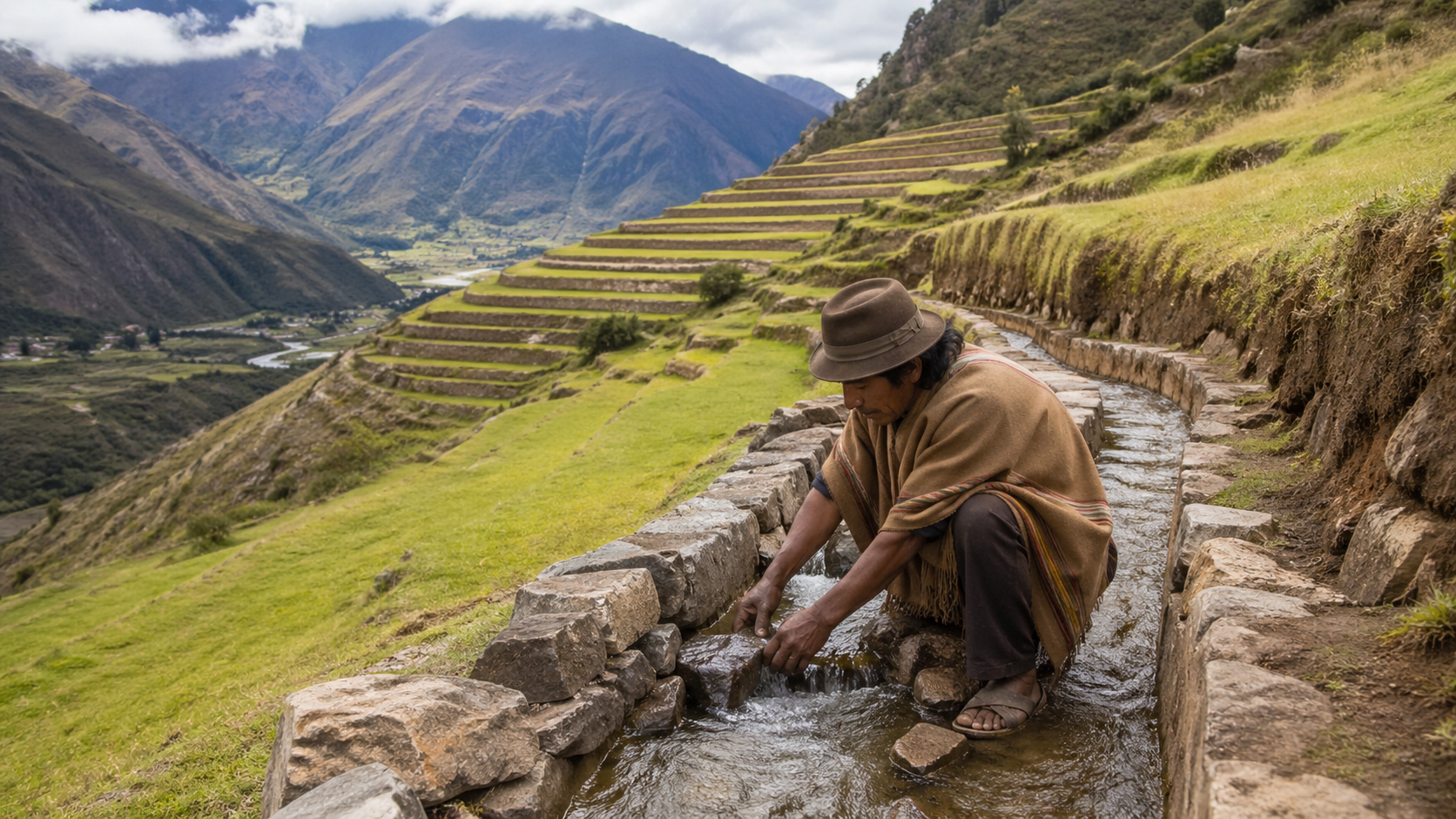
Traditional practices often include conservation methods that maintain water quality and availability. These approaches are based on observation and respect for natural cycles, ensuring long-term ecological stability.
Kinship Bonds
- Water is regarded as a relative within the natural family
- Relationships based on respect and reciprocity
- Ethical guidelines governing water use
- Shared responsibility for preservation
Kinship with water reflects a broader Indigenous worldview of interconnectedness. Viewing water as a relative fosters a sense of care and accountability. This relationship influences how communities interact with their environment.
Such bonds challenge modern notions of ownership. Instead of controlling water, communities seek to live in harmony with it. This perspective promotes sustainable and ethical practices.
Knowledge Systems
Indigenous knowledge systems integrate spiritual, ecological, and social dimensions of water. Knowledge is often passed down through stories, ceremonies, and lived experiences. This holistic approach ensures that understanding is both practical and meaningful.
Observation plays a key role in these systems. By studying water patterns and environmental changes, communities develop adaptive strategies. This knowledge is continually refined and shared across generations.
Modern Challenges
- Pollution and industrial activities are affecting water quality
- Climate change is altering water availability and patterns
- Loss of traditional knowledge due to cultural disruption
- Legal and political conflicts over water rights
Sacred water systems face significant challenges in the modern world. Environmental degradation and resource exploitation threaten both ecological balance and cultural practices. These issues highlight the need for sustainable management.
Addressing these challenges requires collaboration between Indigenous communities and broader society. Recognizing the value of traditional knowledge can contribute to more effective solutions.
Global Insights
Indigenous perspectives on water offer valuable lessons for global sustainability efforts. Their emphasis on respect, balance, and interconnectedness aligns with modern environmental goals. Integrating these principles can enhance water management practices worldwide.
However, it is essential to approach these traditions with respect and authenticity. Understanding their cultural context ensures that their knowledge is not misinterpreted or exploited.
Final Thoughts
Sacred water systems in Indigenous traditions represent a profound connection between life, spirituality, and the environment. Rivers, lakes, and other water bodies are not just physical entities but integral parts of cultural identity and ecological balance.
Preserving these perspectives is crucial in addressing contemporary environmental challenges. By embracing the values of respect and interconnectedness, societies can develop more sustainable relationships with water and the natural world.