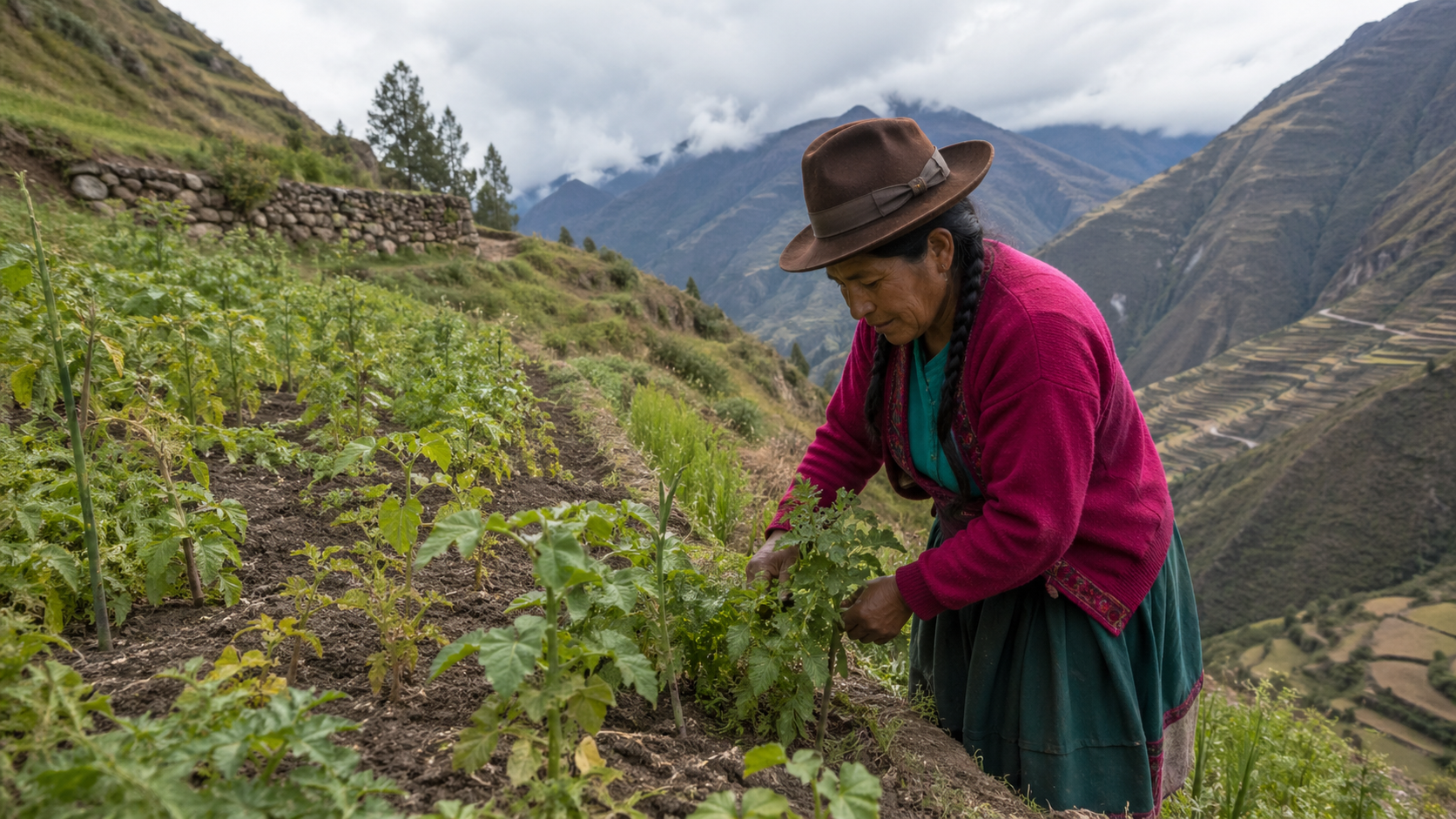
The cosmology of the Chibcha (Muisca) civilization reveals a deeply structured and symbolic understanding of the universe. Rooted in spiritual beliefs and environmental awareness, their worldview was organized into multiple layers, each representing distinct cosmic realms. These layers were not only physical spaces but also embodied spiritual, moral, and cultural meanings.
Understanding Chibcha cosmic hierarchies provides valuable insight into how this society interpreted existence, nature, and divine forces. Through myths, rituals, and sacred geography, the Chibcha people mapped a universe that connected the heavens, the earth, and the underworld into a unified system of balance and harmony.
Table of Contents
Cosmic Overview
Overview Table: Structure of Chibcha Cosmic Hierarchies
| The human world is connected to nature and daily life | Description |
|---|---|
| Upper Realm | Domain of celestial deities and cosmic forces |
| Middle Realm | Human world connected to nature and daily life |
| Lower Realm | Underworld is associated with origins and transformation |
| Key Deities | Solar, lunar, and creator gods |
| Symbolism | Balance, cycles, and duality |
| Cultural Role | Guides rituals, governance, and social order |
The Chibcha cosmos was divided into interconnected layers that reflected both the physical environment and spiritual beliefs. Each layer had specific roles and was inhabited by different beings, including gods, ancestors, and humans. This hierarchical structure ensured balance and continuity within the universe.
Rather than viewing these layers as separate, the Chibcha understood them as interdependent. Events in one realm could influence others, creating a dynamic system where harmony was essential for stability and prosperity.
Upper Realms
- The upper realm represented the sky and celestial domain where powerful deities resided.
- Solar and lunar gods governed time, seasons, and agricultural cycles.
- Stars and constellations were seen as spiritual entities guiding human life.
- The heavens symbolized order, light, and divine authority.
- Rituals were often directed toward celestial beings to ensure favorable conditions.
- Priests acted as intermediaries between humans and the upper realm.
- Astronomical observations influenced religious practices and calendars.
- Sacred sites were aligned with celestial events to strengthen cosmic connections.
The upper realm held a position of authority within the cosmic hierarchy. It was associated with creation, guidance, and the regulation of natural cycles that sustained life.
This realm also reflected the Chibcha’s deep understanding of astronomy. Their observations of the sky were integrated into spiritual practices, demonstrating a close relationship between science and belief.
Middle World
- The middle world represented the human realm, where daily life and social organization took place.
- Nature, including rivers, mountains, and forests, was considered sacred and interconnected.
- Humans were seen as caretakers responsible for maintaining balance within the cosmos.
- Agricultural practices were closely tied to cosmic cycles.
- Community rituals reinforced the connection between humans and other realms.
- Social structures were influenced by cosmological beliefs.
- Leaders derived authority from their connection to divine forces.
- Harmony within the community reflected cosmic balance.
The middle world served as the bridge between the upper and lower realms. It was the space where cosmic forces manifested in tangible forms, influencing human existence.
This realm emphasized responsibility and stewardship. The Chibcha believed that maintaining harmony in the human world was essential for the stability of the entire cosmos.
Lower Realms
The lower realm was associated with the underworld, origins, and transformation. It was not viewed negatively but rather as a necessary part of the cosmic cycle. This realm represented renewal, fertility, and the continuation of life.
Spirits of ancestors were believed to reside in the lower realm, maintaining a connection with the living. This connection reinforced cultural traditions and ensured the continuity of knowledge across generations.
The underworld also symbolized hidden forces that influenced growth and change. It played a vital role in agricultural cycles, as the earth itself was seen as a source of life.
Understanding the lower realm highlights the Chibcha’s holistic view of existence. Life, death, and rebirth were interconnected processes within a balanced system.
Spiritual Symbols
Symbols played a crucial role in expressing the Chibcha cosmic hierarchy. Objects such as gold artifacts, ceremonial items, and sacred landscapes represented connections between different realms. These symbols were used in rituals to communicate with divine forces.
Gold, in particular, held deep spiritual significance. It was associated with the sun and used in offerings to honor celestial deities. This connection between material and spiritual realms reinforced the importance of symbolism.
Myths and oral traditions further conveyed cosmological ideas. Stories of creation and divine interactions provided a framework for understanding the universe.
Symbolism allowed the Chibcha to visualize and maintain their cosmic order. It served as a bridge between abstract beliefs and everyday practices.
Cultural Impact
The cosmic hierarchy influenced every aspect of Chibcha society, from governance to agriculture. Leaders were often seen as representatives of divine authority, linking the human realm with the celestial order.
Rituals and ceremonies were designed to maintain balance across all cosmic layers. These practices ensured harmony and prosperity within the community.
Economic activities, particularly agriculture and trade, were aligned with cosmic cycles. This integration of belief and practice created a sustainable and balanced way of life.
The cultural impact of these beliefs extended beyond religion, shaping social structures and daily interactions. The cosmic hierarchy provided a framework for understanding the world and one’s place within it.
Closing Perspectives
The multi-layered universe of Chibcha belief reflects a sophisticated and interconnected worldview. By organizing existence into upper, middle, and lower realms, the Chibcha created a system that emphasized balance, responsibility, and harmony.
This cosmological framework continues to offer valuable insights into indigenous knowledge systems and their relationship with nature. Understanding these hierarchies not only enriches historical perspectives but also highlights the enduring relevance of holistic worldviews in interpreting the universe.