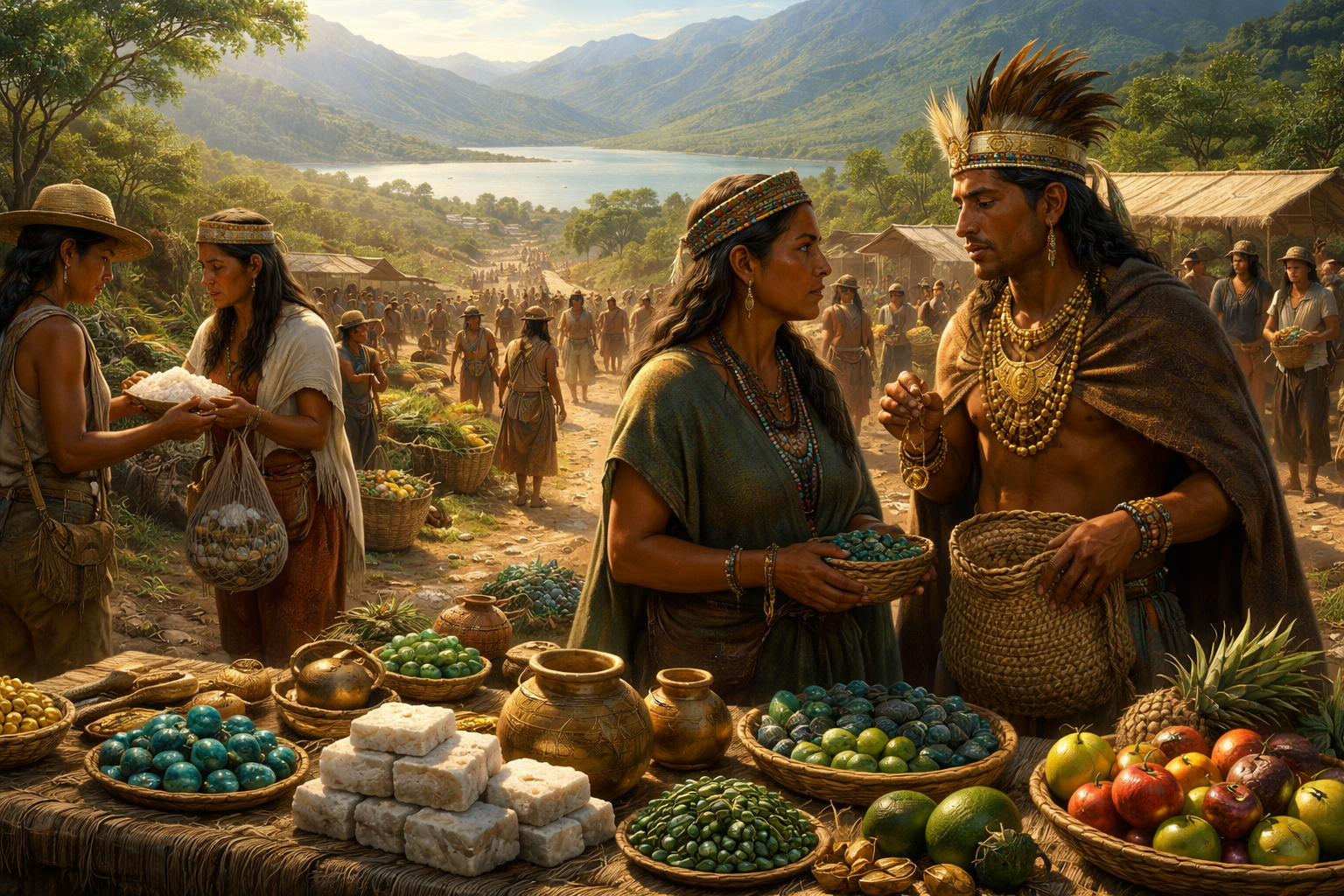
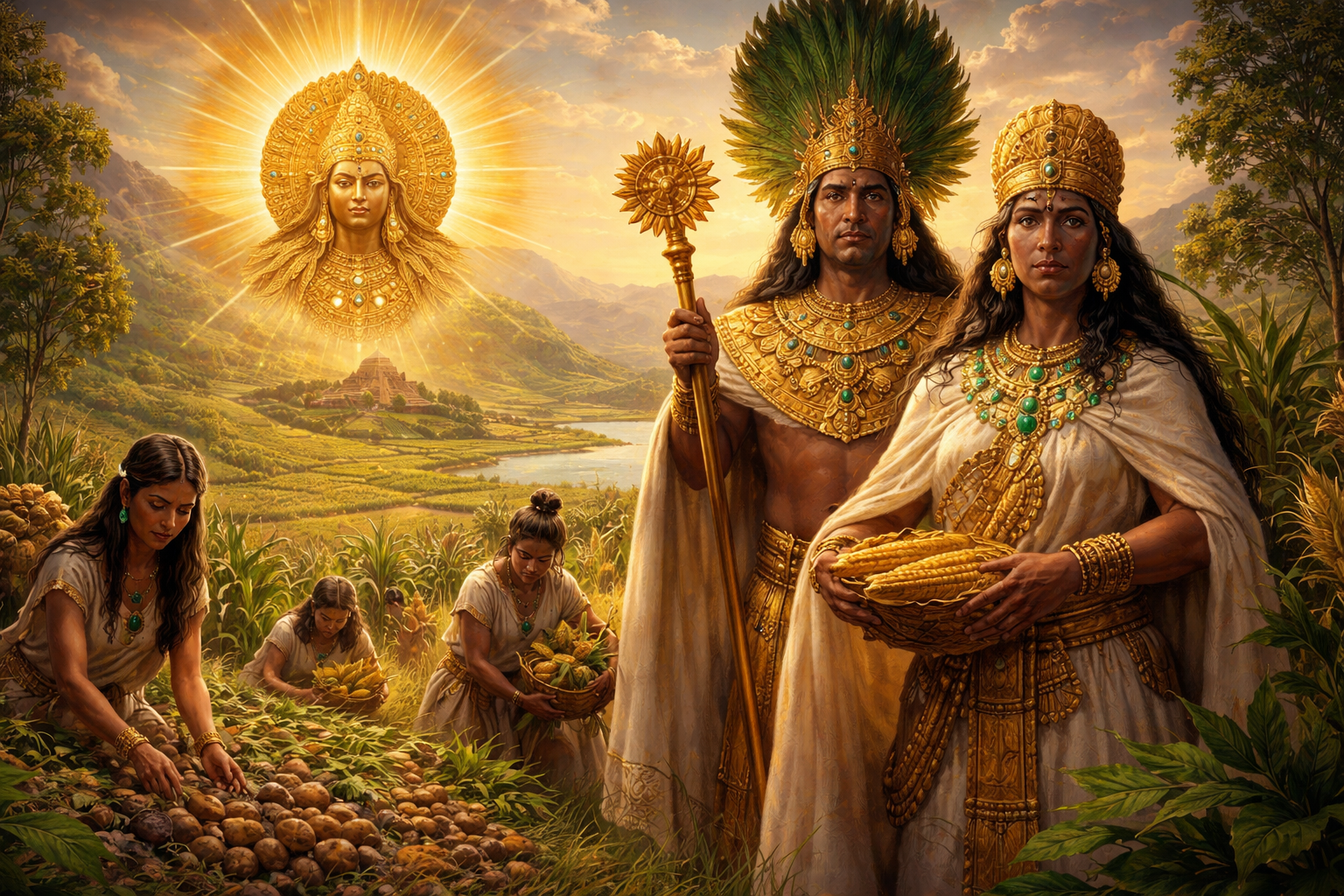
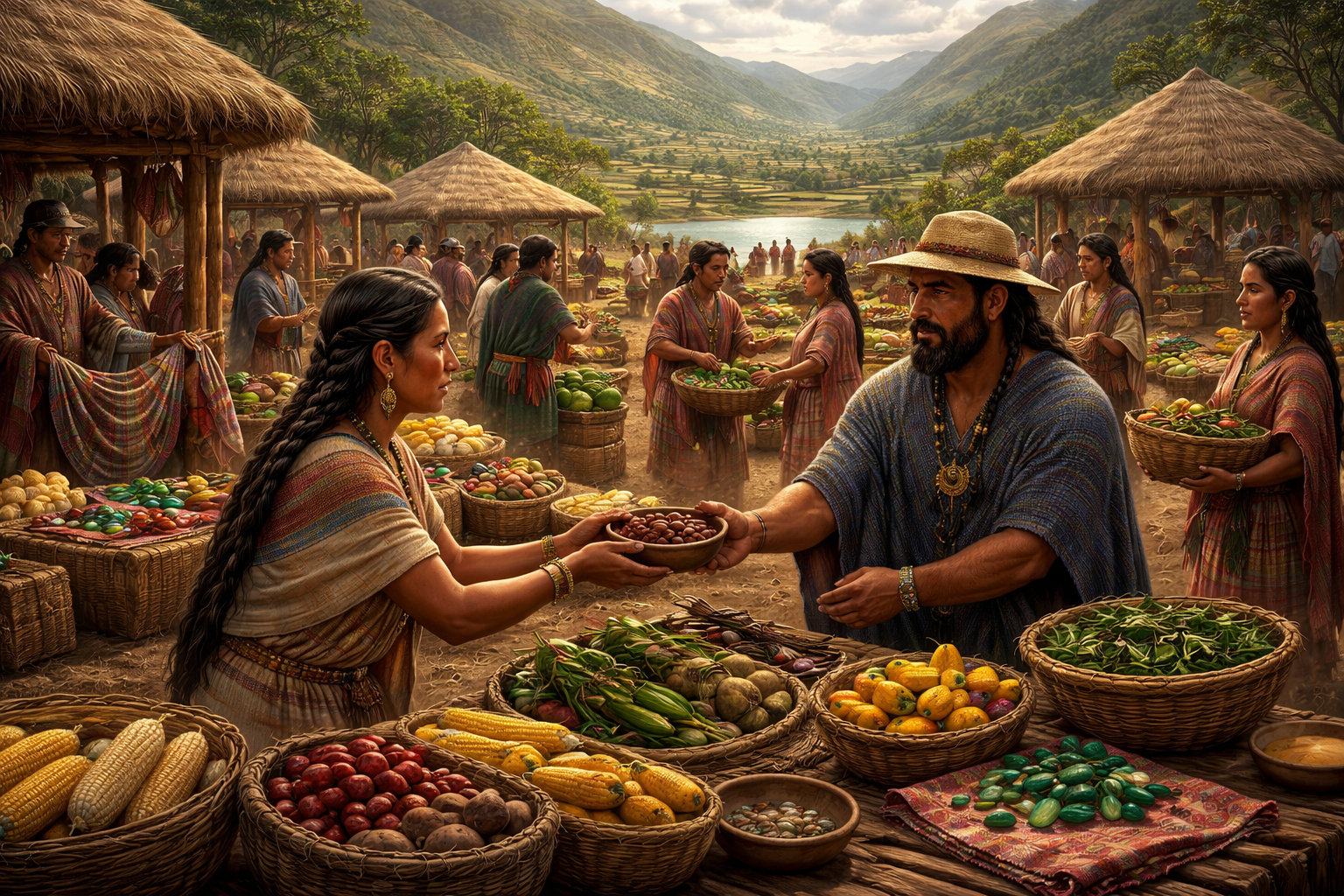
Indigenous cultures across the world have long emphasized a deep spiritual connection between humans, nature, and the cosmos. These perspectives are rooted in traditions that view the Earth not as a resource to exploit but as a living entity to respect and protect. Such worldviews highlight balance, harmony, and interconnectedness as essential principles for sustaining life.
In modern times, these teachings are gaining renewed attention as societies seek sustainable ways to coexist with nature. Indigenous wisdom offers valuable insights into ecological responsibility, spiritual awareness, and the importance of maintaining harmony within the natural world.
Table of Contents
Wisdom Overview
Indigenous perspectives are built on the belief that all elements of the universe are interconnected. Humans, animals, plants, and natural forces are seen as part of a unified system where every action has consequences.
Indigenous Wisdom Snapshot
| Aspect | Details |
|---|---|
| Core Belief | Interconnection of all life |
| Nature View | Earth as a living entity |
| Spiritual Role | Guides human behavior |
| Key Principle | Balance and harmony |
| Outcome | Sustainable coexistence |
These teachings are often passed down through oral traditions, ceremonies, and cultural practices. They provide a framework for living in alignment with nature and respecting the balance of the ecosystem.
Spiritual Connection
- Nature is seen as sacred and alive
- Rituals honoring land, water, and sky
- Ancestral guidance in daily life
- Deep respect for natural cycles
- Spiritual responsibility toward Earth
Spiritual connection is central to Indigenous worldviews. It shapes how individuals interact with their environment and influences decisions that affect the community and ecosystem.
This connection fosters a sense of responsibility and care. By recognizing the sacredness of nature, communities are more likely to protect and preserve it for future generations.
Ecological Balance
- Sustainable use of natural resources
- Respect for biodiversity
- Avoidance of overexploitation
- Seasonal and cyclical practices
- Harmony between human activity and nature
Ecological balance is achieved through mindful interaction with the environment. Indigenous practices often prioritize long-term sustainability over short-term gain.
These approaches align closely with modern environmental science. They demonstrate how traditional knowledge can contribute to addressing current ecological challenges.
Cultural Practices
Indigenous cultures express their connection to nature through rituals, storytelling, and daily practices. These traditions reinforce the values of respect, gratitude, and balance.
Cultural practices also serve as educational tools, teaching younger generations about their role in maintaining harmony. This continuity ensures that knowledge and values are preserved over time.
Knowledge Systems
- Oral traditions and storytelling
- Observation of natural patterns
- Community-based learning
- Integration of spiritual and practical knowledge
- Holistic understanding of ecosystems
Indigenous knowledge systems are deeply rooted in experience and observation. They offer a holistic approach that integrates science, spirituality, and community values.
These systems provide valuable insights for modern society. By combining traditional and scientific knowledge, more effective and sustainable solutions can be developed.
Modern Relevance
In today’s world, Indigenous wisdom is increasingly recognized for its relevance to environmental sustainability. Concepts such as balance and interconnectedness are essential for addressing global challenges like climate change.
Governments and organizations are beginning to incorporate Indigenous knowledge into policy and conservation efforts. This collaboration highlights the importance of diverse perspectives in solving complex problems.
Future Harmony
- Integration of Indigenous knowledge in education
- Collaboration between communities and scientists
- Promotion of sustainable lifestyles
- Protection of Indigenous rights and lands
- Global awareness of ecological responsibility
The future of sustainability depends on embracing diverse knowledge systems. Indigenous perspectives offer a pathway toward a more balanced and harmonious relationship with the Earth.
By learning from these traditions, societies can move toward a more sustainable and respectful way of living. This shift is essential for ensuring the well-being of both humanity and the planet.
Closing Perspectives
Indigenous views on nature and spiritual interconnection provide profound insights into achieving cosmic balance and ecological harmony. These perspectives emphasize respect, responsibility, and the interconnectedness of all life.
As the world faces environmental and social challenges, Indigenous wisdom offers guidance for building a sustainable future. Embracing these teachings can lead to a deeper understanding of our place in the universe and our responsibility to protect it.