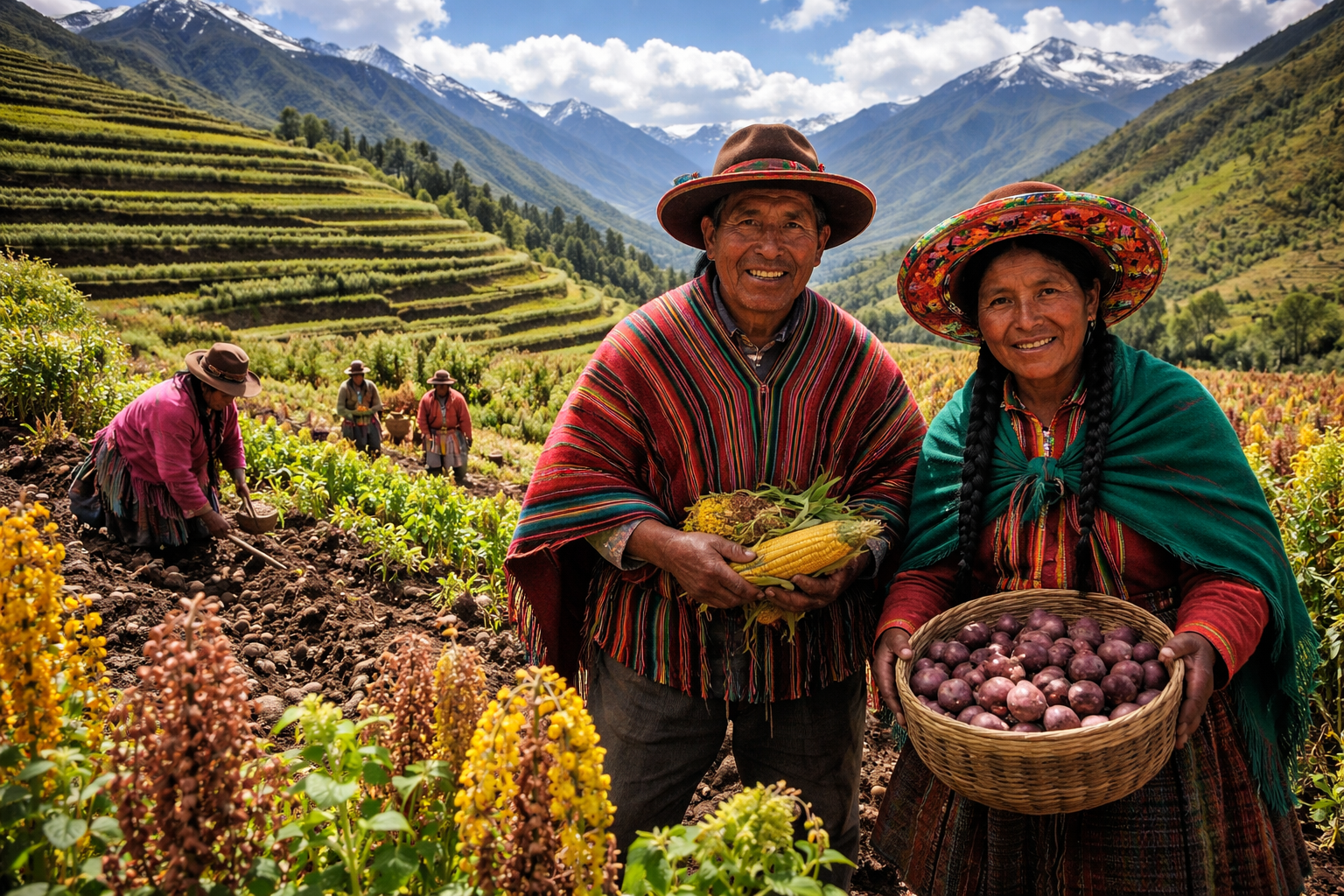
Indigenous philosophies across the world emphasize a profound connection between humans and the natural environment. These perspectives, often described as relational cosmologies, view the Earth not as a resource to exploit but as a living system with which humans share reciprocal relationships. This worldview contrasts sharply with dominant industrial models that prioritize extraction and control.
At the heart of these traditions lies the principle of interdependence. Humans, animals, plants, and ecosystems are understood as interconnected, with each element playing a vital role in maintaining balance. These philosophies offer valuable insights for addressing modern environmental challenges and fostering sustainable practices.
Table of Contents
Concept Foundations
Relational Cosmology Overview
| Element | Explanation |
|---|---|
| Core Idea | Interconnectedness of all living beings |
| Worldview Type | Earth as a living entity |
| Ethical Basis | Reciprocity and respect |
| Environmental Role | Sustainable stewardship practices |
| Cultural Scope | Indigenous communities worldwide |
Relational cosmologies are rooted in the belief that all forms of life are interconnected. This perspective emphasizes mutual responsibility, where humans are caretakers rather than dominators of nature.
These foundations guide cultural practices, rituals, and decision-making processes. By prioritizing harmony and balance, Indigenous philosophies promote long-term ecological sustainability.
Interdependence Principles
- Reciprocal Relationships
- Holistic Thinking
- Community Responsibility
- Balance With Nature
- Spiritual Connection
Interdependence is a central theme in Indigenous worldviews. Relationships extend beyond human society to include animals, plants, and natural elements, all of which are considered part of a shared community.
This holistic approach encourages sustainable living practices. By recognizing the impact of human actions on the environment, communities adopt behaviors that preserve ecological balance and prevent harm.
Stewardship Practices
- Sustainable Resource Use
- Seasonal Harvesting
- Sacred Land Protection
- Biodiversity Preservation
- Traditional Ecological Knowledge
Environmental stewardship in Indigenous cultures is guided by centuries of observation and experience. Practices such as seasonal harvesting ensure that resources are used responsibly without depleting ecosystems.
Traditional ecological knowledge plays a crucial role in maintaining biodiversity. These practices are often adapted to local environments, making them highly effective in preserving natural systems over time.
Cultural Values
Cultural values in Indigenous societies reinforce the importance of environmental respect. Stories, rituals, and teachings often highlight the interconnectedness of life and the responsibility to protect the Earth.
These values are passed down through generations, ensuring continuity of knowledge and practices. They shape how communities interact with their environment and guide ethical decision-making.
Ecological Balance
Maintaining ecological balance is a key objective of relational cosmologies. Indigenous practices are designed to support the health of ecosystems, recognizing that imbalance can have far-reaching consequences.
This approach contrasts with exploitative models that prioritize short-term gains. By focusing on sustainability, Indigenous philosophies contribute to long-term environmental resilience.
Knowledge Systems
Indigenous knowledge systems are deeply rooted in observation, experience, and cultural transmission. These systems integrate scientific understanding with spiritual beliefs, creating a comprehensive approach to environmental management.
Such knowledge is increasingly recognized for its value in addressing global environmental issues. It offers alternative perspectives that complement modern scientific approaches.
Modern Relevance
In today’s context of climate change and environmental degradation, Indigenous philosophies provide important guidance. Their emphasis on interdependence and stewardship aligns with the need for sustainable solutions.
Governments, organizations, and researchers are beginning to incorporate these perspectives into environmental policies. This integration highlights the growing recognition of Indigenous knowledge as a vital resource.
Future Outlook
The future of environmental sustainability may depend on integrating Indigenous philosophies with modern practices. By combining traditional knowledge with scientific innovation, societies can develop more effective solutions.
This approach requires respect for Indigenous communities and their knowledge systems. Collaborative efforts can lead to more inclusive and sustainable environmental strategies.
Key Takeaways
Relational cosmologies and Indigenous philosophies offer a powerful framework for understanding the interconnectedness of life and the importance of environmental stewardship. Their emphasis on balance, reciprocity, and sustainability provides valuable lessons for addressing modern ecological challenges.
By embracing these principles, societies can move toward a more harmonious relationship with the Earth. Indigenous knowledge systems not only preserve cultural heritage but also contribute to a more sustainable and resilient future.