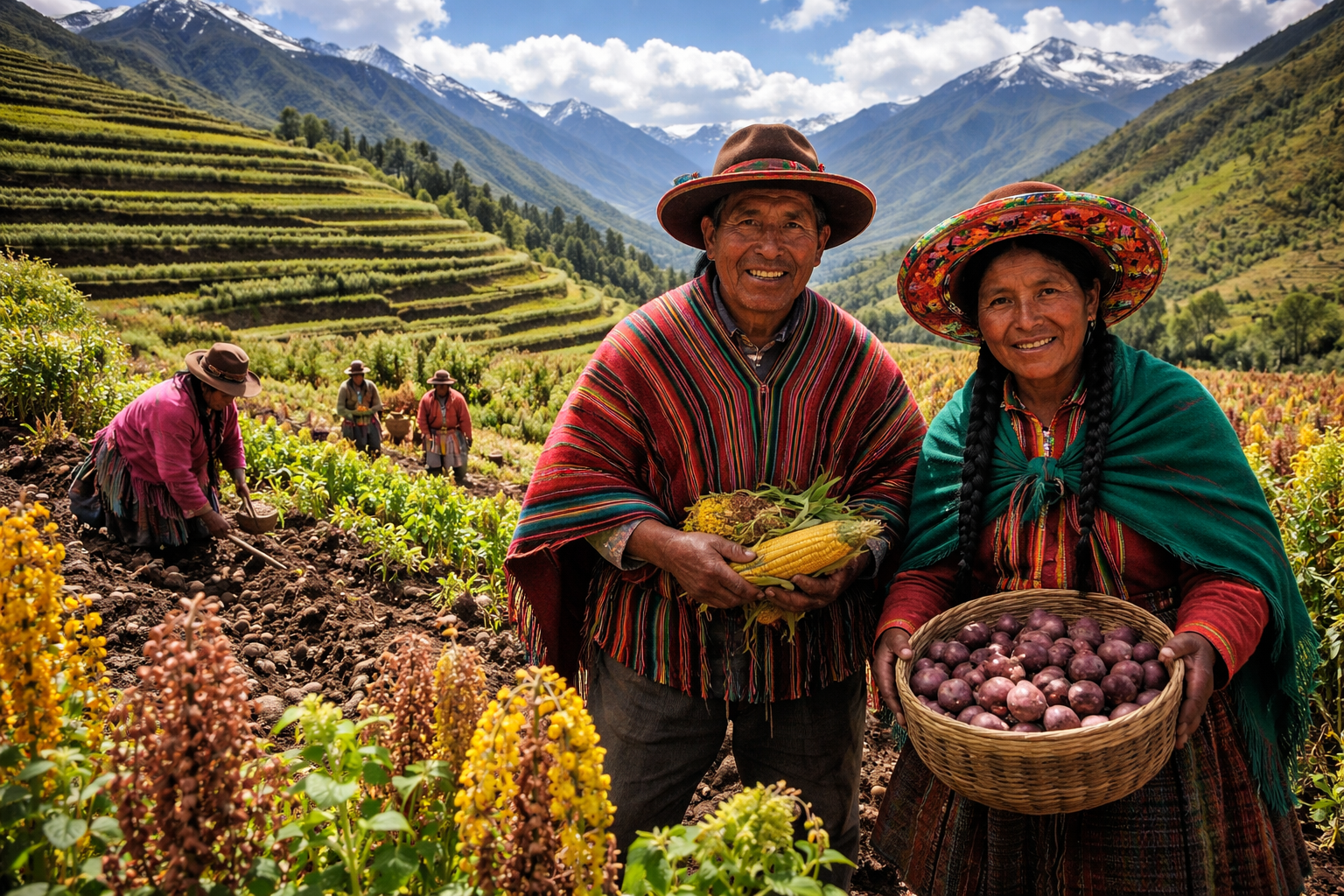
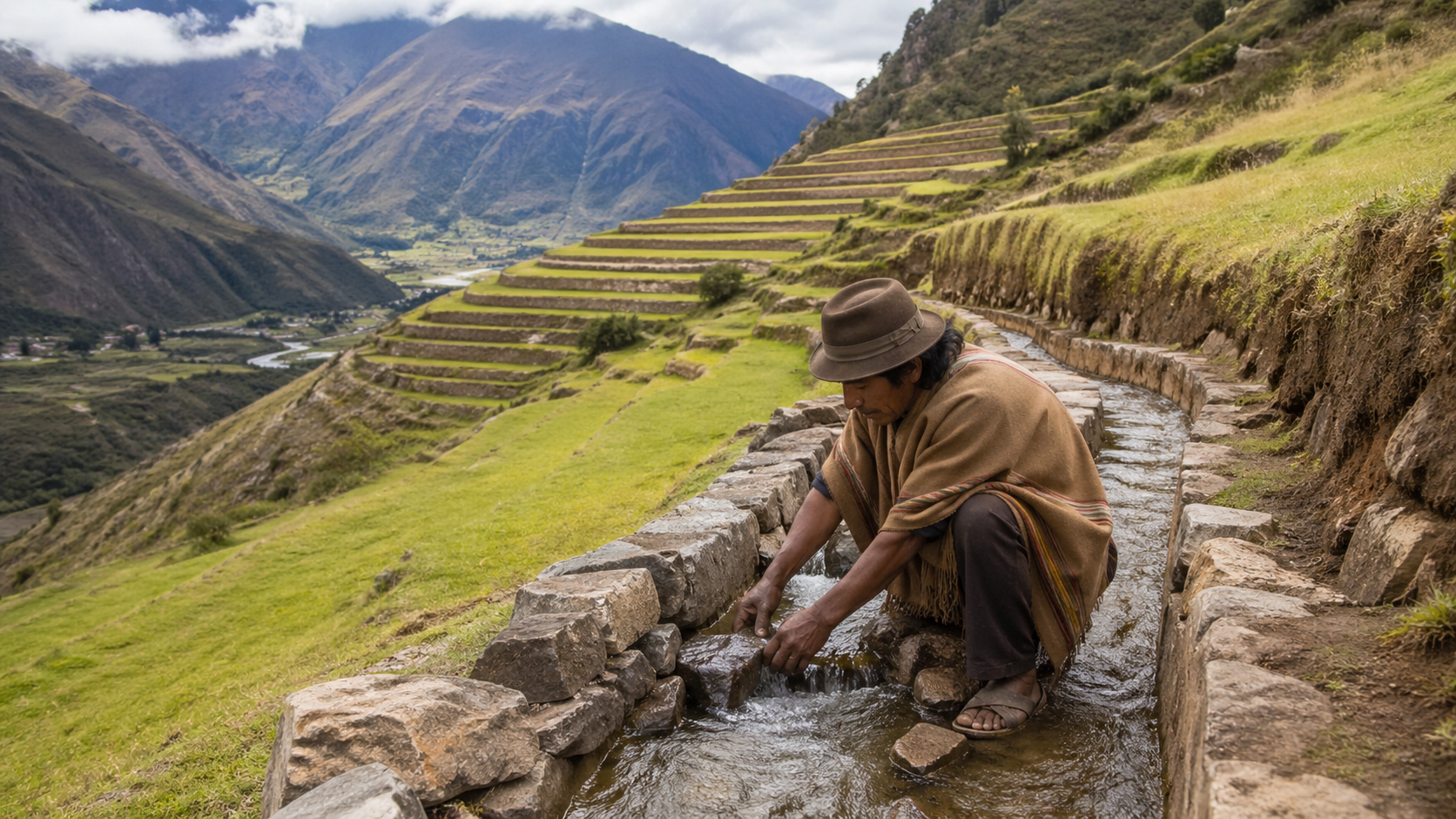
Ancestral ecology reflects a deep-rooted understanding of the natural world developed over generations within Indigenous communities. These knowledge systems are grounded in lived experience, observation, and spiritual connection to the land. Rather than separating humans from nature, they emphasize a unified existence where ecological balance is essential for survival and well-being.
Spiritual landscapes further reinforce this relationship by embedding meaning, identity, and responsibility into specific places. Mountains, rivers, forests, and other natural elements are often viewed as sacred, shaping ethical practices that support environmental sustainability. Together, ancestral ecology and spiritual landscapes provide a holistic framework for maintaining planetary balance.
Table of Contents
Ecology Overview
Ancestral Ecology Summary Table
| Element | Explanation |
|---|---|
| Core Concept | Intergenerational environmental knowledge |
| Spiritual Link | Sacred connection to landscapes |
| Knowledge Source | Oral traditions and lived experience |
| Sustainability Focus | Long-term ecological balance |
| Global Relevance | Applicable to modern environmental challenges |
Ancestral ecology integrates ecological knowledge with cultural and spiritual values. This integration ensures that environmental practices are not only practical but also ethically grounded, promoting responsible stewardship.
These systems are highly adaptive, evolving in response to environmental changes while maintaining core principles. Their resilience makes them valuable models for sustainable living in a rapidly changing world.
Knowledge Transmission
- Oral Traditions
- Storytelling Practices
- Ritual Teachings
- Community Learning
- Elder Guidance
Knowledge in Indigenous systems is passed down through generations using oral and experiential methods. Storytelling plays a crucial role in conveying ecological wisdom, embedding lessons within cultural narratives that are easy to remember and apply.
Elders serve as custodians of this knowledge, guiding younger generations in understanding environmental relationships. This continuous transmission ensures that ecological practices remain relevant and effective over time.
Sacred Landscapes
- Spiritual Significance
- Cultural Identity
- Ritual Practices
- Land Stewardship
- Ecological Protection
Sacred landscapes are central to Indigenous worldviews, representing more than physical spaces. These areas hold spiritual significance and are often associated with ancestral presence and cultural identity.
The sacred nature of these landscapes encourages protection and respect. By treating land as a living entity, communities adopt practices that preserve ecosystems and maintain environmental harmony.
Sustainable Practices
Indigenous knowledge systems emphasize sustainable practices that align with natural cycles. Techniques such as rotational harvesting, seasonal migration, and biodiversity conservation are designed to prevent resource depletion.
These practices are informed by long-term observation and adaptation. They demonstrate a deep understanding of ecological processes, allowing communities to maintain balance without overexploiting resources.
Spiritual Ethics
Spiritual ethics guide interactions with the environment in Indigenous cultures. These ethical frameworks emphasize respect, reciprocity, and responsibility toward all forms of life.
Such values influence daily practices, from resource use to community decision-making. By embedding ethics into environmental management, Indigenous systems promote sustainability at both individual and collective levels.
Environmental Balance
Maintaining environmental balance is a fundamental goal of ancestral ecology. Indigenous practices are designed to support ecosystem health, recognizing the interconnectedness of all living systems.
This approach helps prevent ecological degradation and supports resilience. By prioritizing balance, communities can adapt to environmental changes while preserving essential resources.
Global Insights
Indigenous knowledge systems offer valuable insights for addressing global environmental challenges. Their emphasis on sustainability and interdependence aligns with modern efforts to combat climate change and biodiversity loss.
Incorporating these perspectives into global policies can enhance environmental strategies. Collaboration between Indigenous communities and scientific institutions can lead to more effective and inclusive solutions.
Future Directions
The integration of ancestral ecology into contemporary environmental practices holds significant potential. By combining traditional knowledge with modern technology, societies can develop innovative approaches to sustainability.
Respecting Indigenous rights and knowledge is essential for this integration. Ethical collaboration ensures that these systems are preserved and applied in ways that benefit both local communities and the global environment.
The Way Forward
Ancestral ecology and spiritual landscapes provide a powerful framework for sustaining planetary balance. Their emphasis on intergenerational knowledge, ethical stewardship, and ecological harmony offers valuable lessons for the modern world.
As environmental challenges intensify, these Indigenous knowledge systems become increasingly relevant. Embracing their principles can guide humanity toward a more sustainable and balanced future.