The Muisca civilization, one of the most advanced indigenous cultures of pre-Columbian South America, developed a deep spiritual connection with its environment. Their landscapes were not merely physical spaces but sacred territories infused with symbolic meaning and cosmic significance. Rituals, ceremonies, and myths were closely tied to natural features such as lakes, mountains, and valleys.
Understanding Muisca ritual landscapes provides insight into how they perceived the universe and their place within it. Their beliefs shaped social structures, religious practices, and environmental interactions. This article explores how ritual landscapes and cosmic beliefs were interconnected in Muisca civilization.
Table of Contents
Cultural Overview
Muisca Cosmology Snapshot
| Aspect | Description |
|---|---|
| Sacred Geography | Natural sites considered spiritually significant |
| Deities System | Gods representing cosmic forces |
| Ritual Practices | Ceremonies tied to environmental elements |
| Astronomical Knowledge | Understanding of celestial cycles |
| Symbolic Meaning | Integration of nature with spiritual beliefs |
Sacred Geography
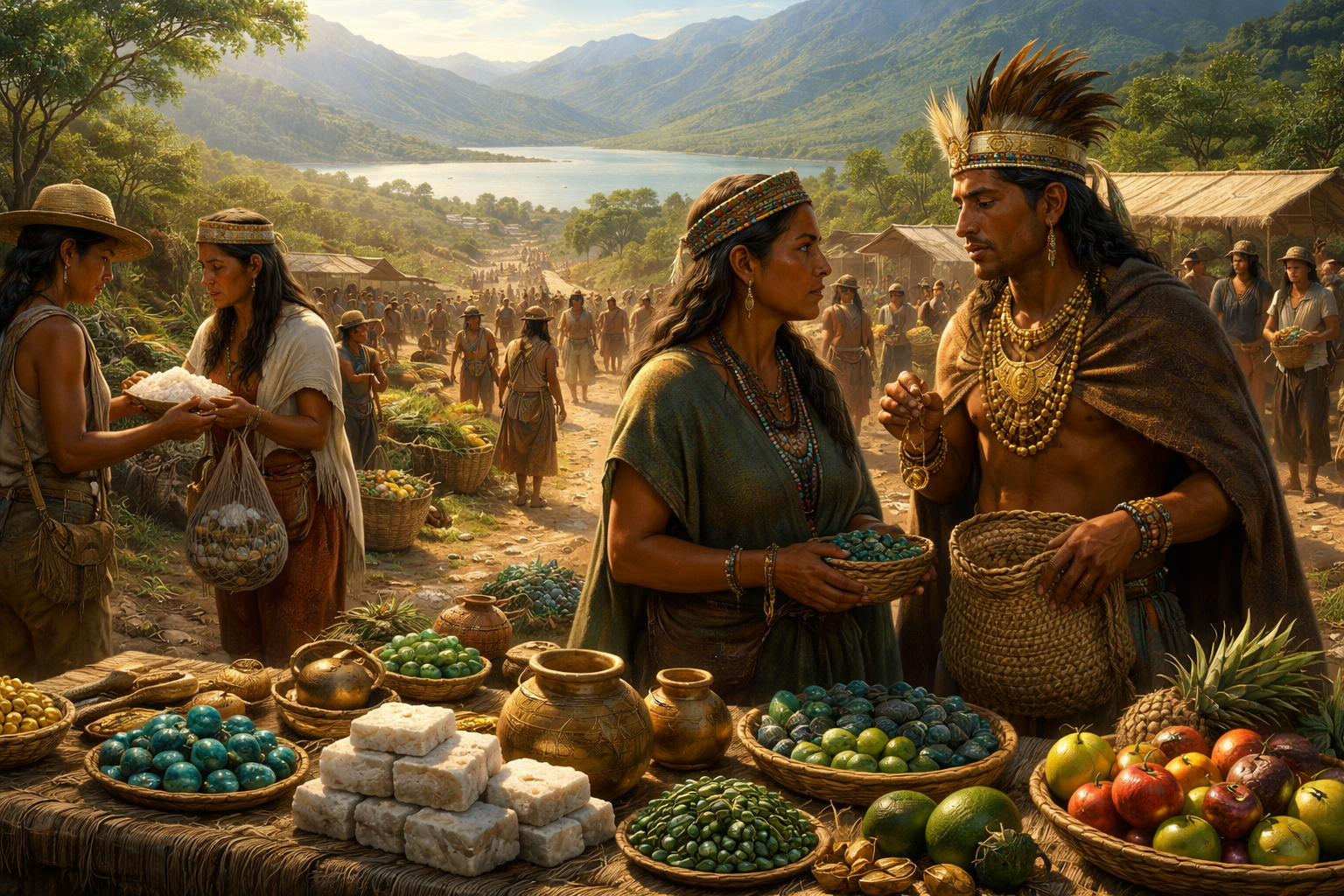
The Muisca viewed their environment as a sacred landscape where every natural feature held spiritual importance. Lakes, especially, were considered portals to the divine, serving as sites for offerings and ceremonies. Mountains and caves also held ritual significance, often associated with origin myths and ancestral spirits.
This sacred geography shaped settlement patterns and social organization. Communities were often located near important ritual sites, reinforcing the connection between daily life and spiritual practice. The landscape itself functioned as a living expression of their cosmological beliefs.
Cosmic Structure
The Muisca believed in a universe structured around interconnected realms, including the sky, earth, and underworld. These realms were inhabited by deities and spirits that influenced natural and human events. Their cosmology emphasized balance and harmony between these forces.
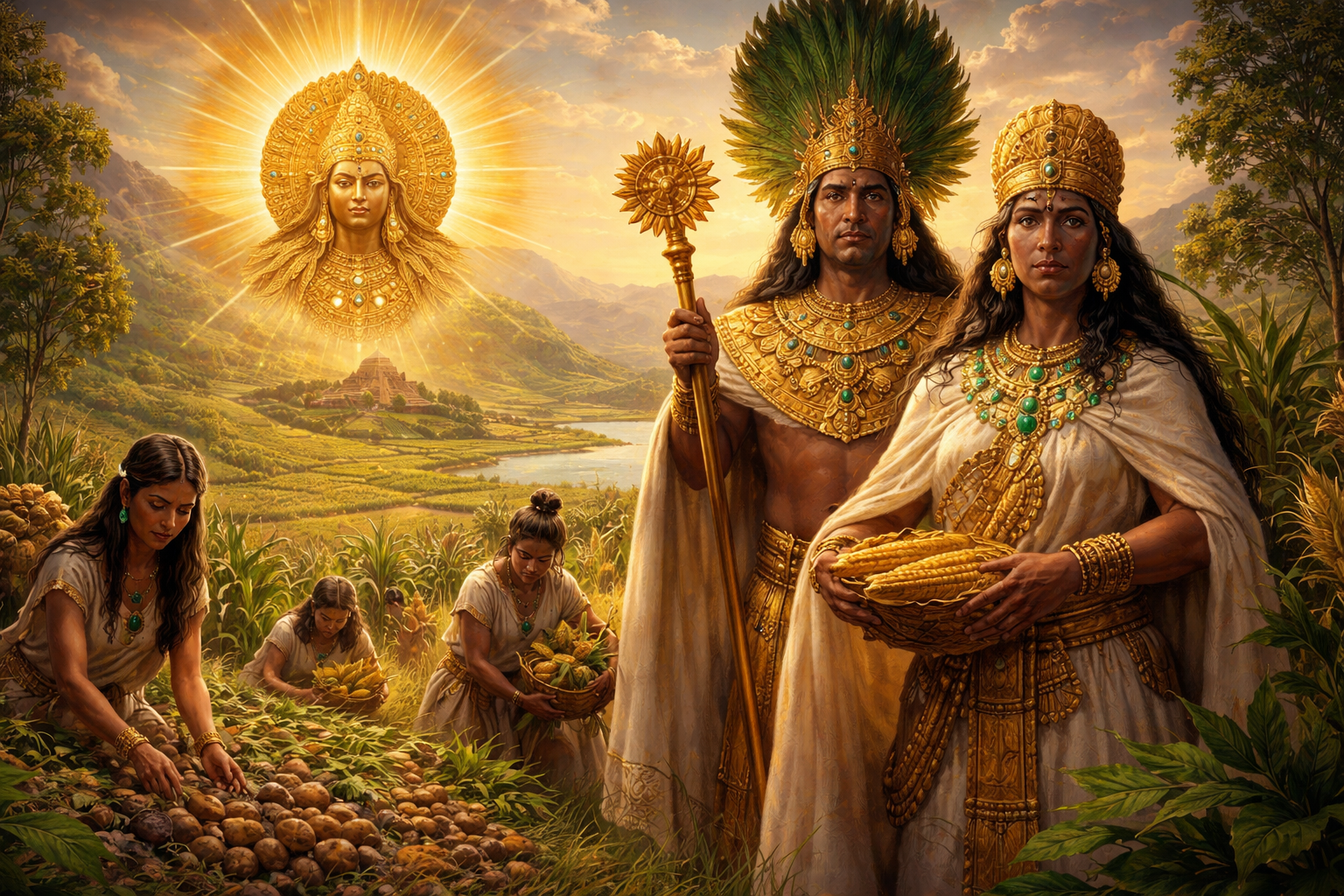
Celestial bodies such as the sun and moon played central roles in their belief system. Observations of astronomical cycles guided agricultural practices and ritual timing. This integration of cosmic understanding with daily life reflects the sophistication of Muisca knowledge.
Ritual Practices
- Offerings of gold and precious items in sacred lakes
- Ceremonial gatherings led by religious leaders
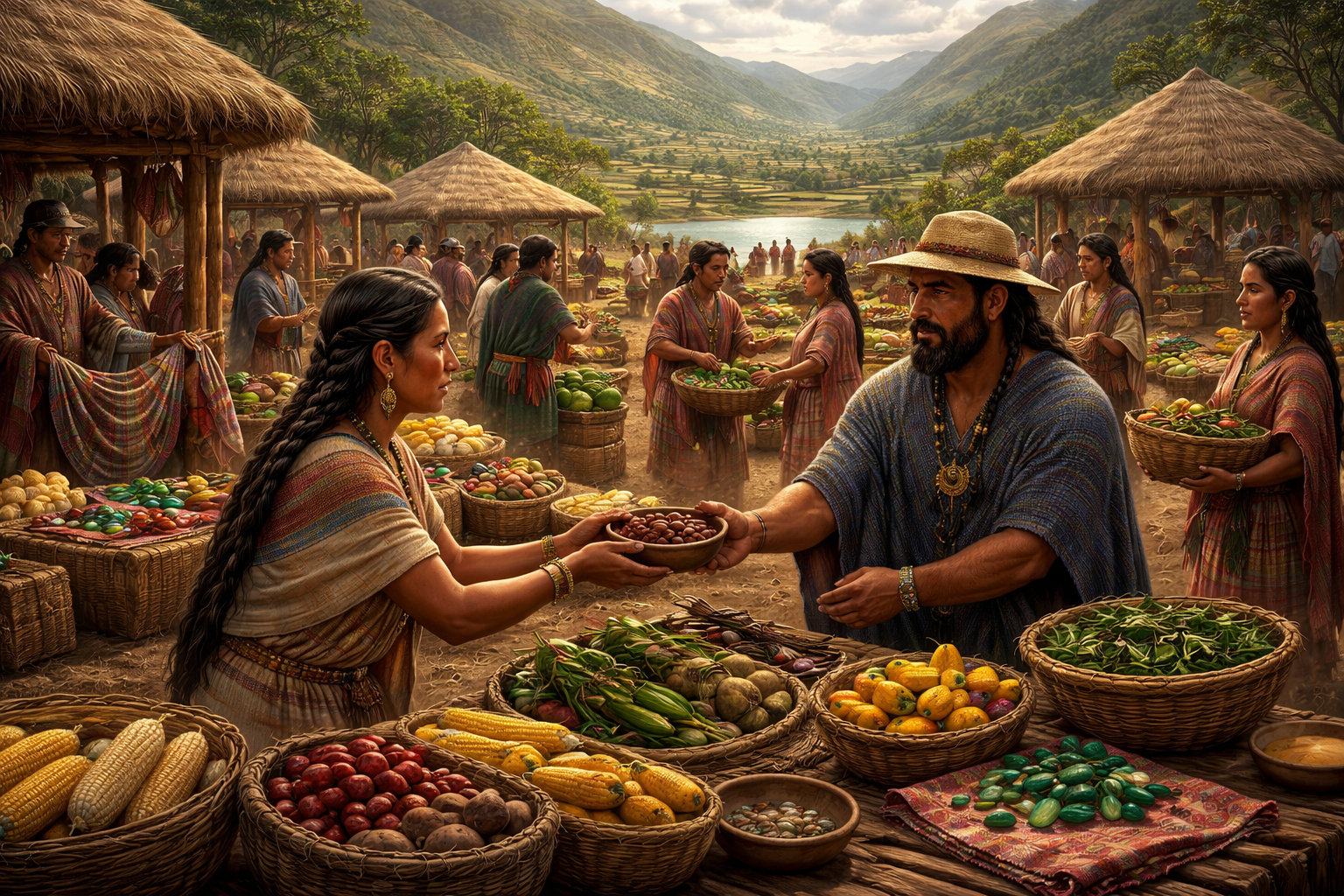
- Seasonal rituals aligned with agricultural cycles
- Use of music, dance, and symbolic objects
Ritual practices were essential for maintaining harmony between humans and the cosmos. These ceremonies reinforced social cohesion and spiritual connection. By participating in rituals, individuals affirmed their place within the cosmic order.
Rituals also served as a means of communication with deities. Offerings and ceremonies were believed to ensure fertility, prosperity, and protection. This reciprocal relationship between humans and the divine was central to Muisca spirituality.
Deity System
The Muisca pantheon included deities associated with natural and cosmic forces. The sun god and moon goddess were among the most important, representing life, fertility, and balance. Other deities governed water, earth, and human activities.
These deities were not distant figures but active participants in daily life. Rituals and offerings were performed to honor them and seek their favor. The interconnectedness of deities and natural elements highlights the holistic nature of Muisca beliefs.
Astronomical Insights
- Tracking solar and lunar cycles for agriculture
- Aligning rituals with celestial events
- Observing stars for navigation and symbolism
- Integrating astronomy into religious practices
Astronomy played a crucial role in Muisca cosmology. Their observations allowed them to predict seasonal changes and plan agricultural activities. This knowledge was deeply intertwined with their spiritual beliefs.
Celestial events were often seen as manifestations of divine will. By aligning rituals with these events, the Muisca reinforced their connection to the cosmos. This integration of science and spirituality reflects their advanced understanding of the natural world.
Symbolic Landscapes
The Muisca landscape was rich with symbolic meaning, where physical features represented spiritual concepts. Lakes symbolized origins and transformation, while mountains represented stability and connection to the heavens. These symbols were embedded in myths and rituals.
Symbolic landscapes also served as educational tools, passing down cultural knowledge through generations. Stories and rituals associated with specific locations helped preserve traditions and reinforce collective identity.
Societal Influence
Ritual landscapes and cosmic beliefs influenced every aspect of Muisca society. Leadership, social hierarchy, and community organization were closely tied to religious practices. Priests and leaders played key roles in maintaining spiritual and social order.
This integration of belief and governance ensured cohesion and stability. Shared rituals and cosmological understanding created a strong sense of identity and purpose within the community.
Future Implications
The study of Muisca ritual landscapes offers valuable insights into sustainable living and environmental respect. Their holistic approach to nature highlights the importance of balance and harmony, lessons that remain relevant today.
Preserving and understanding these cultural practices can enrich modern perspectives on history and spirituality. By exploring Muisca cosmology, we gain a deeper appreciation for the diversity and complexity of human belief systems.