The agricultural systems of the pre-Columbian Andes represent one of the most advanced examples of sustainable farming in human history. Indigenous communities developed highly adaptive techniques that worked in harmony with diverse and often harsh environments. These systems were not only productive but also resilient, ensuring food security across generations.
Agroecology in the Andes was deeply rooted in ecological understanding and cultural traditions. By integrating biodiversity, climate awareness, and community practices, Andean farmers created systems that balanced productivity with environmental preservation, offering valuable lessons for modern agriculture.
Table of Contents
System Overview
Core Elements of Andean Agroecology
| Element | Description |
|---|---|
| Terrace Farming | Step-like fields to prevent erosion and manage water |
| Crop Diversity | Multiple crops grown together for resilience |
| Water Systems | Irrigation channels adapted to terrain |
| Soil Management | Natural fertilization and crop rotation |
| Community Labor | Collective farming and shared responsibilities |
Understanding these elements highlights the sophistication of Andean farming systems. Each component contributed to a sustainable and efficient agricultural framework.
Ecological Balance
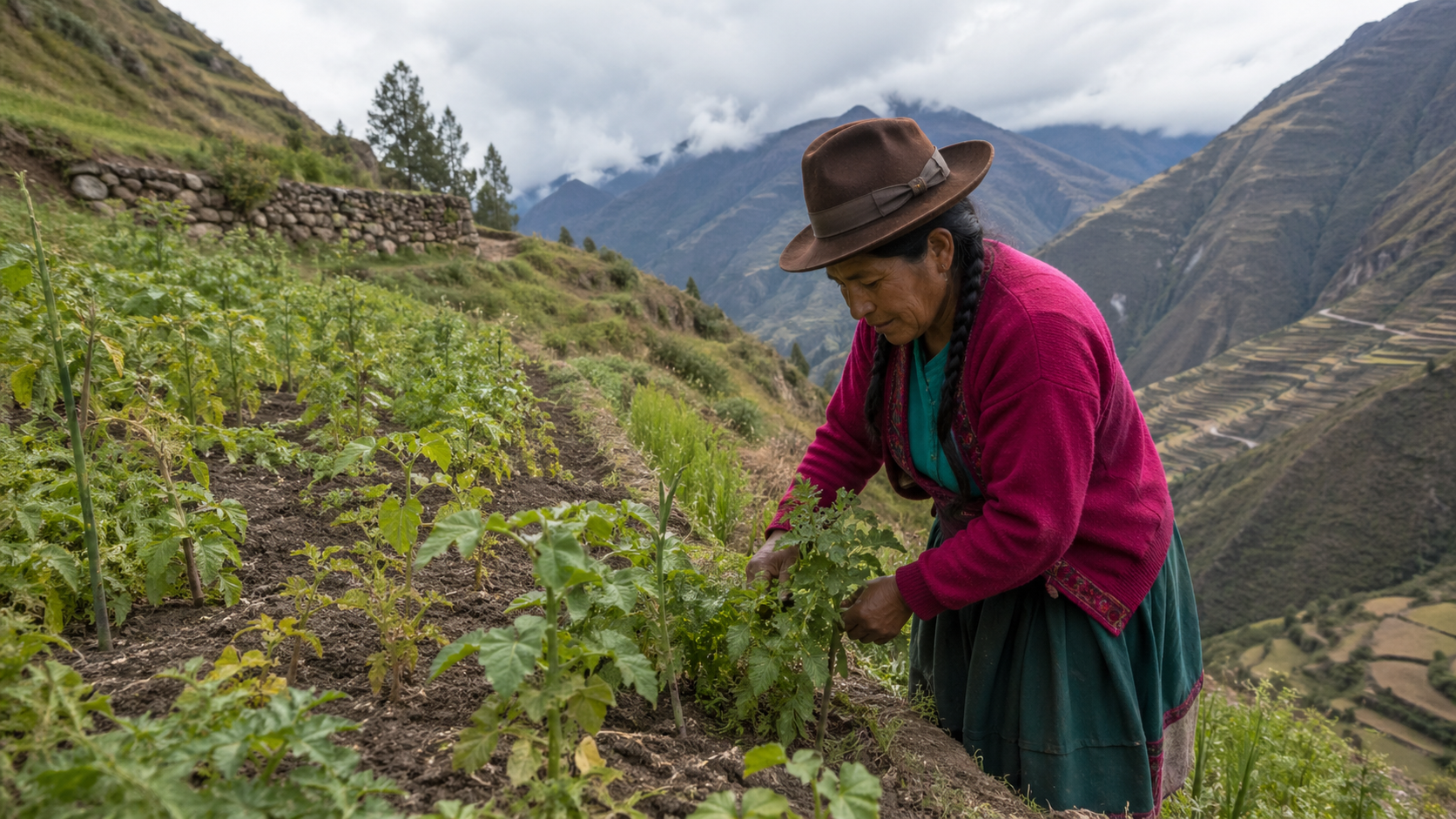
Andean agroecology emphasized maintaining balance within natural ecosystems. Farmers understood the importance of biodiversity and avoided monoculture practices. By cultivating a variety of crops, they reduced the risk of crop failure and improved soil health.
This ecological balance extended to the use of natural resources. Farmers carefully managed land and water to prevent degradation, ensuring that agricultural practices remained sustainable over time. Their approach demonstrated a deep respect for environmental limits.
Terrace Farming
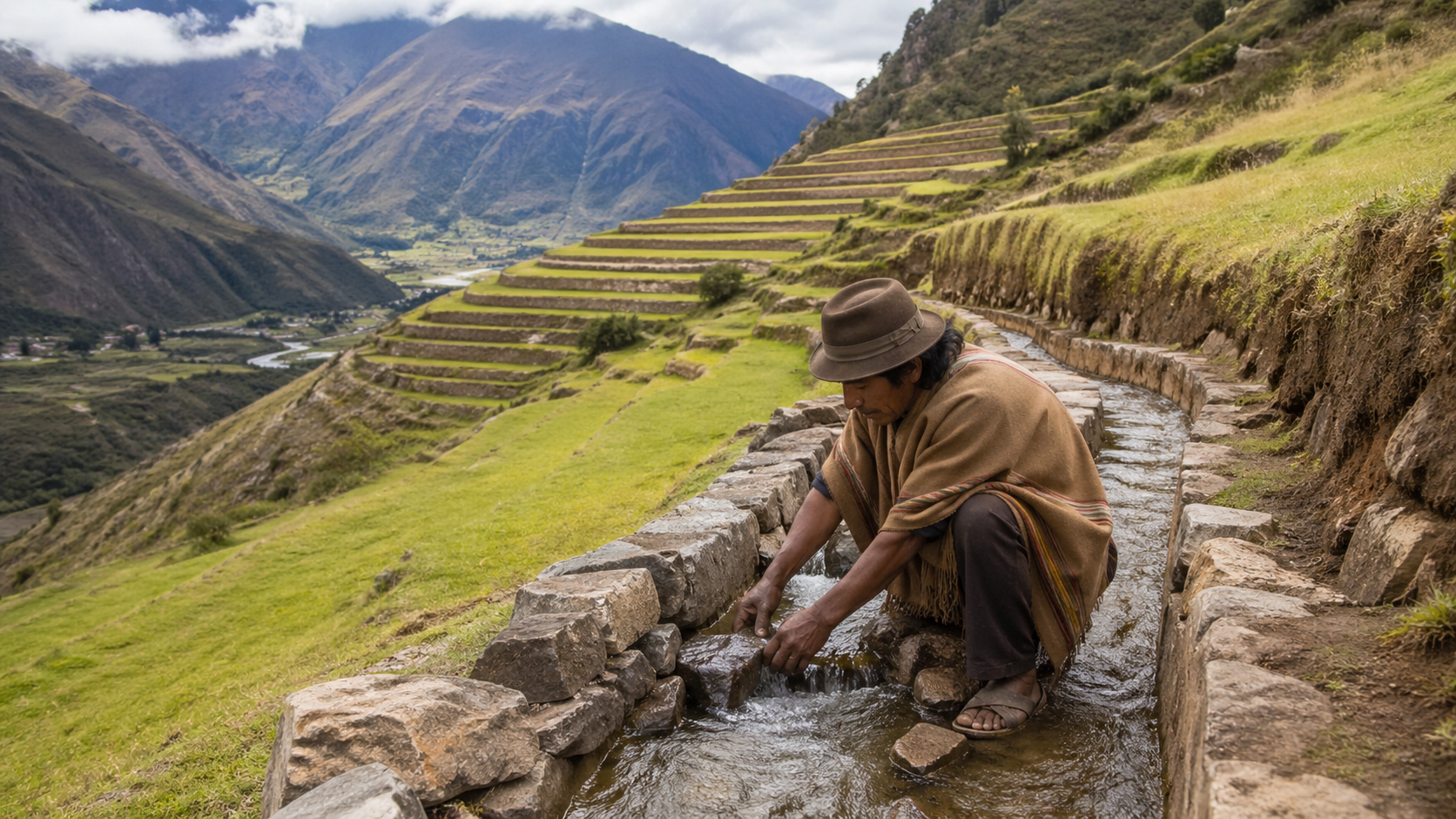
Terrace farming was a defining feature of Andean agriculture. By carving steps into mountainous terrain, farmers created flat surfaces suitable for cultivation. These terraces reduced soil erosion and allowed for efficient water retention, transforming otherwise unusable land into productive fields.
The design of terraces also helped regulate temperature and moisture levels. This microclimate management enabled the cultivation of a wide range of crops, even in high-altitude regions with challenging conditions.
Crop Diversity
- Multiple crops were grown simultaneously to enhance resilience against pests and climate variations.
- Native crops such as potatoes and maize were adapted to specific environmental conditions.
- Intercropping practices improved soil fertility and reduced the need for external inputs.
- Genetic diversity within crops ensured adaptability to changing environments.
Crop diversity was a cornerstone of Andean agroecology. It provided stability and reduced dependence on any single crop, contributing to long-term food security.
Water Management
- Irrigation systems were designed to distribute water efficiently across terraces.
- Natural water sources such as rivers and streams were carefully managed.
- Drainage systems prevented waterlogging and maintained soil quality.
- Seasonal water cycles were incorporated into farming practices.
Effective water management allowed Andean farmers to thrive in regions with variable rainfall. Their systems maximized water use while minimizing waste.
Soil Practices
Soil fertility was maintained through natural methods rather than chemical inputs. Farmers used organic materials such as compost and manure to enrich the soil. Crop rotation further helped maintain nutrient balance and prevent depletion.
These practices ensured that soil remained productive over long periods. By prioritizing soil health, Andean farmers created a sustainable foundation for their agricultural systems.
Community Systems
Community involvement was integral to Andean farming. Collective labor systems enabled large-scale agricultural projects, such as terrace construction and irrigation maintenance. This cooperation ensured that resources were used efficiently.
Knowledge sharing within communities also played a key role. Farming techniques and environmental insights were passed down through generations, preserving and enhancing agricultural practices.
Climate Adaptation
Andean farmers demonstrated remarkable adaptability to diverse climates. They cultivated crops at different altitudes to take advantage of varying environmental conditions. This vertical farming approach maximized productivity across regions.
By observing weather patterns and adjusting practices accordingly, farmers minimized risks associated with climate variability. Their adaptability was crucial for maintaining stable food supplies.
Final Analysis
Agroecology and indigenous farming systems in the pre-Columbian Andes offer a powerful example of sustainable agriculture. Through biodiversity, efficient resource management, and community collaboration, these systems achieved long-term resilience and productivity.
Modern agricultural practices can learn significantly from these approaches. By integrating ecological principles and respecting natural systems, societies can develop more sustainable and resilient food production methods for the future.