Vertical ecology and crop diversity were fundamental to the survival and success of ancient Andean civilizations. Living in a region defined by extreme altitude variations, these societies developed sophisticated agricultural systems that utilized multiple ecological zones. By cultivating crops at different elevations, they maximized productivity and minimized environmental risks.
This strategy allowed Andean communities to adapt to harsh climatic conditions while maintaining a stable food supply. Their approach reflects deep ecological knowledge and sustainable practices that continue to inspire modern agricultural systems.
Table of Contents
Agro Overview
Understanding Andean vertical ecology requires examining how geography, climate, and crop selection interact to create resilient farming systems.
Overview Table: Vertical Ecology Components
| Component | Description |
|---|---|
| Altitude Zones | Different ecological layers based on elevation |
| Crop Diversity | Variety of crops suited to specific climates |
| Terrace Farming | Modified landscapes for cultivation |
| Water Systems | Irrigation adapted to mountainous terrain |
| Risk Distribution | Spreading crops across zones to reduce loss |
These components worked together to create a balanced and efficient agricultural system. By leveraging environmental diversity, Andean societies ensured food security and ecological sustainability.
Altitude Zones
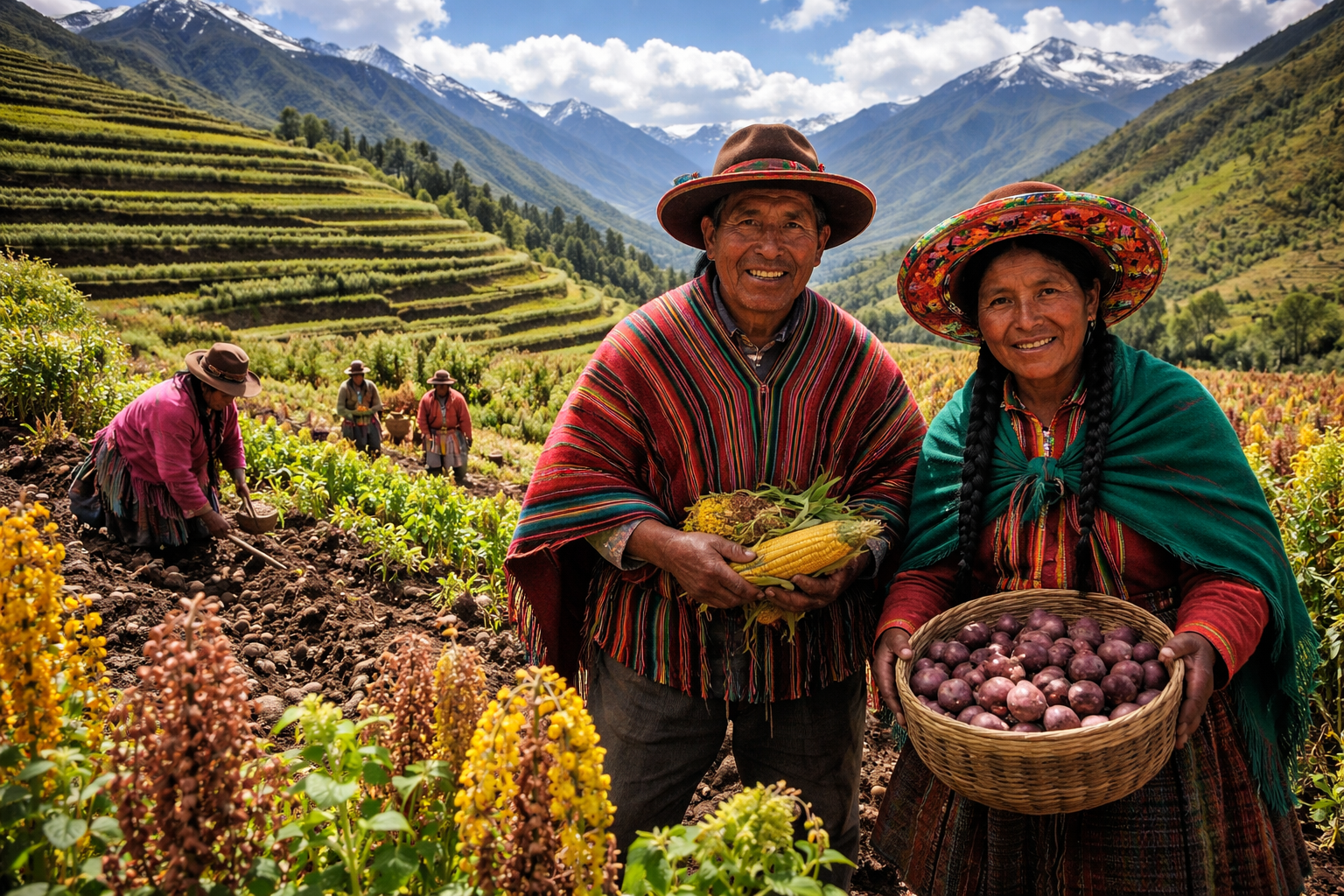
The Andes Mountains feature distinct ecological zones, each with unique climatic conditions. Lower valleys provided warmer environments suitable for crops like maize, while higher elevations supported hardy crops such as potatoes and quinoa. This vertical arrangement allowed farmers to utilize a wide range of agricultural possibilities.
Communities often maintained access to multiple zones, either through direct settlement or trade networks. This ensured that they could cultivate diverse crops and reduce dependence on a single environment, enhancing resilience against climate variability.
Crop Selection
- Maize is cultivated in lower, warmer regions
- Potatoes grown in high-altitude environments
- Quinoa is adapted to cold and dry conditions
- Beans and legumes support soil fertility
- Tubers provide essential nutrition
Crop diversity was central to Andean agriculture. By selecting crops suited to specific altitudes, farmers optimized yields and ensured nutritional balance. This diversity also protected against crop failure, as different plants responded differently to environmental changes.
The strategic selection of crops reflects a deep understanding of ecological relationships. Farmers carefully matched plant characteristics with environmental conditions, creating a highly efficient and sustainable system.
Terrace Farming
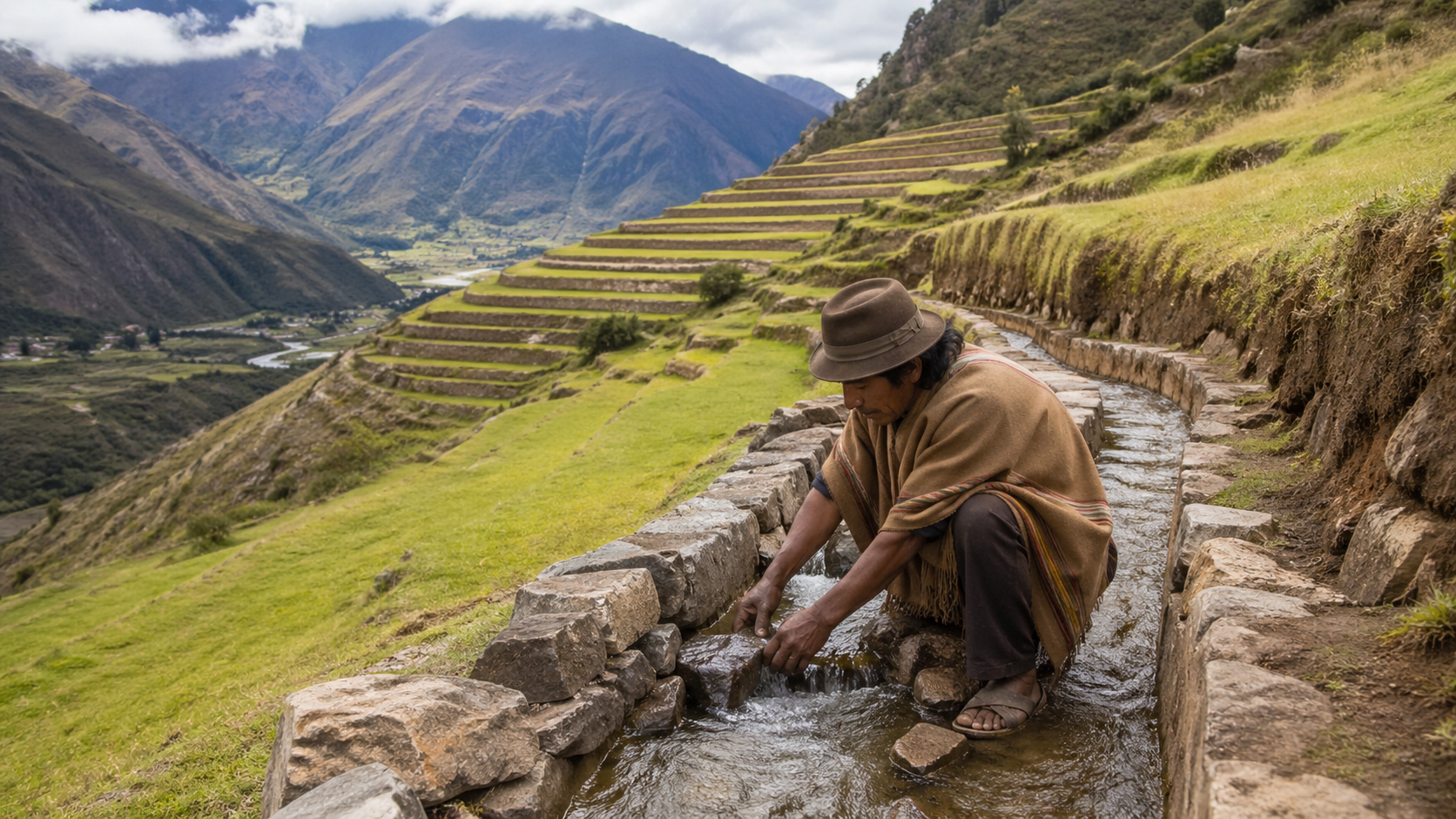
Terrace farming transformed steep mountain slopes into productive agricultural land. These terraces reduced soil erosion, improved water retention, and created microclimates suitable for cultivation. This innovation allowed Andean societies to expand agricultural production in challenging terrain.
Terraces also played a role in temperature regulation. By capturing heat during the day and releasing it at night, they protected crops from frost. This adaptation further enhanced the viability of farming at high altitudes.
Water Management
- Irrigation channels directing water across terraces
- Use of natural springs and glacial meltwater
- Storage systems for dry periods
- Drainage systems prevent waterlogging
- Community management of water resources
Efficient water management was essential in the Andes, where water availability varied significantly. Farmers developed intricate systems to distribute and conserve water, ensuring consistent crop growth.
These systems required collective effort and coordination. Community-based management ensured equitable access and sustainable use of water resources, reinforcing social cohesion and cooperation.
Risk Strategy
Vertical ecology inherently reduces agricultural risk. By spreading crops across different altitudes, communities minimized the impact of localized weather events. If one zone experienced poor conditions, others could still produce sufficient yields.
This diversification strategy provided a buffer against environmental uncertainty. It ensured food security and stability, even in the face of unpredictable climatic changes, making it a key factor in the longevity of Andean civilizations.
Cultural Practices
Agriculture in the Andes was deeply intertwined with cultural and social practices. Rituals, traditions, and communal labor systems supported farming activities. These practices reinforced the importance of agriculture within society and ensured the transmission of knowledge across generations.
Cultural values also influenced crop selection and farming techniques. Respect for nature and ecological balance guided agricultural practices, contributing to the sustainability of the system.
Modern Relevance
The principles of vertical ecology remain relevant today. Modern agriculture can learn from Andean practices to improve sustainability, resilience, and efficiency. Techniques such as crop diversification and terrace farming offer solutions to contemporary challenges like climate change and land degradation.
By studying these ancient systems, researchers and farmers can develop innovative approaches that combine traditional knowledge with modern technology. This integration has the potential to enhance global food security and environmental sustainability.
Final Thoughts
Vertical ecology and crop diversity were key to the success of ancient Andean civilizations. By leveraging the unique characteristics of mountainous environments, these societies created resilient and sustainable agricultural systems.
Their innovative approaches continue to provide valuable lessons for modern agriculture. Emphasizing diversity, resource management, and ecological balance, Andean practices highlight the importance of adapting to environmental conditions to achieve long-term sustainability.