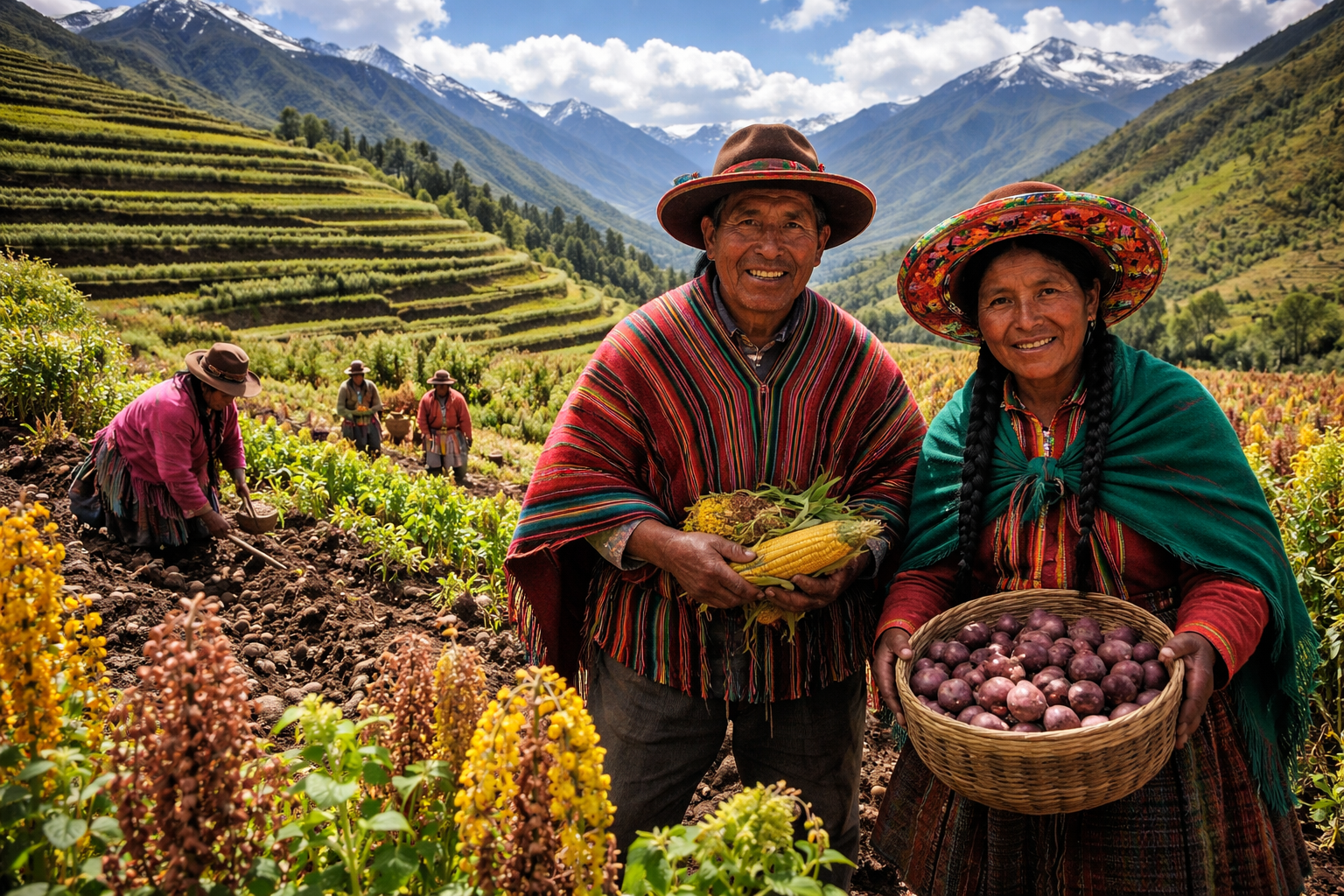
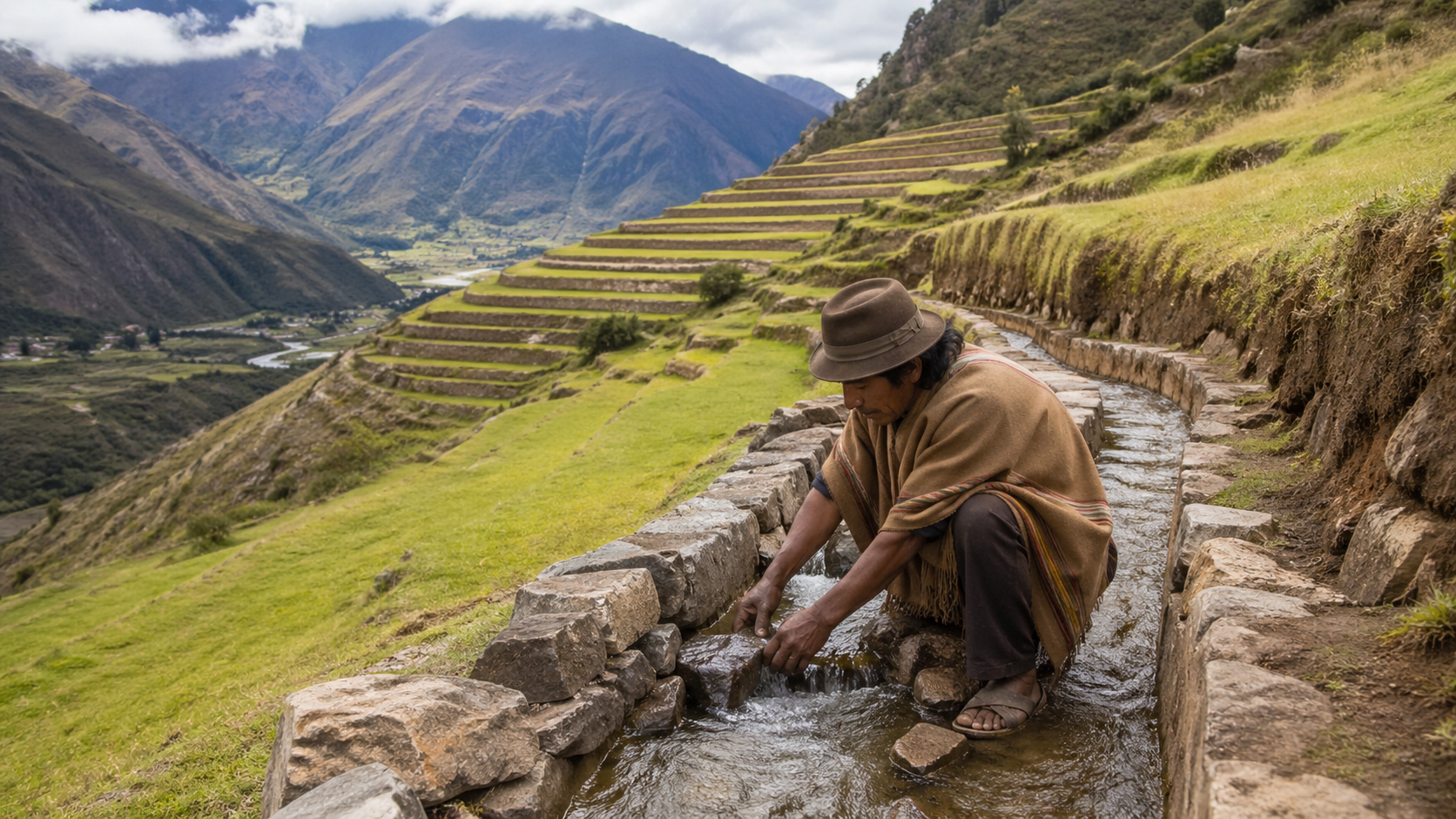
Sacred landscapes have long played a vital role in shaping how communities interact with nature. Across cultures, forests, rivers, mountains, and other natural sites are often imbued with spiritual meaning, guiding how they are protected and preserved. These belief systems create informal yet powerful conservation mechanisms that have existed long before modern environmental policies.
The intersection of culture and ecology highlights how traditional values can support sustainable practices. By recognizing nature as sacred, communities develop ethical responsibilities toward environmental stewardship. This relationship between belief and conservation offers valuable insights for addressing contemporary environmental challenges.
Table of Contents
Concept Foundation
Sacred landscapes are natural spaces that hold religious, spiritual, or cultural significance for a community. These areas are often protected through customs, taboos, and rituals that limit exploitation. Unlike formal conservation laws, these practices are deeply embedded in cultural identity and social norms.
Such landscapes function as early conservation systems by restricting activities like deforestation, hunting, or resource extraction. The integration of spiritual beliefs with environmental management creates a holistic approach that balances human needs with ecological preservation.
Sacred Sites Table
| Aspect | Description |
|---|---|
| Definition | Natural areas with spiritual or cultural significance |
| Protection Method | Traditions, taboos, and rituals |
| Ecological Role | Biodiversity conservation and ecosystem stability |
| Community Impact | Strengthens cultural identity and responsibility |
| Modern Relevance | Supports sustainable environmental practices |
Cultural Values
- Spiritual Connection
- Nature is seen as a living entity with intrinsic value
- Sacred beliefs discourage exploitation
- Ethical Responsibility
- Communities act as custodians of nature
- Moral obligations guide conservation
- Collective Identity
- Shared beliefs strengthen community bonds
- Traditions passed through generations
Cultural values play a central role in shaping conservation behaviors. When nature is viewed as sacred, communities are more likely to adopt sustainable practices that protect ecosystems. This perspective fosters a sense of respect and responsibility toward the environment.
These values are often reinforced through rituals, storytelling, and education, ensuring that conservation practices are maintained over time. The integration of cultural beliefs with environmental stewardship creates a resilient framework for protecting natural resources.
Ecological Benefits
- Biodiversity Protection
- Sacred areas serve as refuges for wildlife
- Reduced human interference preserves habitats
- Resource Sustainability
- Controlled use prevents overexploitation
- Maintains ecological balance
- Climate Regulation
- Forest conservation supports carbon storage
- Healthy ecosystems enhance resilience
Sacred landscapes contribute significantly to ecological sustainability. By limiting human activity, these areas often become hotspots for biodiversity, supporting a wide range of species. This natural protection helps maintain ecosystem functions and resilience.
In addition, sacred sites often preserve critical resources such as water sources and forests. These contributions extend beyond local communities, benefiting broader environmental systems and supporting global sustainability efforts.
Traditional Practices
Traditional conservation practices include rituals, seasonal restrictions, and community-led management systems. These practices are tailored to local ecosystems and cultural contexts, making them highly effective in maintaining ecological balance.
For example, certain communities may prohibit resource extraction during specific periods, allowing ecosystems to regenerate. Others may designate particular areas as off-limits, ensuring long-term preservation. These practices demonstrate how cultural knowledge can inform sustainable resource management.
Modern Integration
- Policy Recognition
- Governments acknowledge cultural conservation methods
- Integration into environmental policies
- Collaborative Management
- Partnerships between communities and institutions
- Shared responsibility for conservation
- Sustainable Development
- Balancing economic growth with preservation
- Leveraging traditional knowledge
Modern conservation efforts increasingly recognize the value of sacred landscapes. Integrating traditional practices into formal policies can enhance the effectiveness of environmental protection strategies. Collaboration between local communities and authorities ensures that conservation efforts are both culturally sensitive and scientifically informed.
This integration also supports sustainable development by aligning economic activities with environmental preservation. By respecting cultural beliefs, policymakers can create more inclusive and effective conservation frameworks.
Challenges Faced
- Urbanization Pressure
- Expansion threatens sacred sites
- Loss of cultural and ecological value
- Cultural Erosion
- Declining traditions weaken conservation practices
- Generational shifts impact beliefs
- Policy Conflicts
- Differences between traditional and legal systems
- Challenges in enforcement
Despite their benefits, sacred landscapes face numerous challenges. Urban development and infrastructure expansion can encroach on protected areas, undermining their ecological and cultural significance. Preserving these sites requires careful planning and strong community involvement.
Cultural changes also pose a threat, as younger generations may not adhere to traditional practices. Ensuring the continuity of these beliefs is essential for maintaining the conservation benefits associated with sacred landscapes.
Global Examples
Sacred landscapes can be found across the world, each reflecting unique cultural and ecological contexts. Sites like the Maasai Mara and Amazon Rainforest illustrate how indigenous beliefs contribute to conservation. In many cases, these areas are protected not only for their ecological value but also for their cultural significance.
These examples highlight the universal relevance of sacred landscapes in environmental protection. By learning from diverse cultural practices, global conservation efforts can adopt more holistic and inclusive approaches.
Final Thoughts
Sacred landscapes demonstrate the powerful connection between cultural beliefs and environmental conservation. By integrating spiritual values with ecological practices, communities have developed sustainable systems that protect nature for generations.
Recognizing and supporting these traditional approaches can enhance modern conservation strategies. As environmental challenges continue to grow, the lessons offered by sacred landscapes provide valuable insights into achieving a balance between human development and ecological preservation.