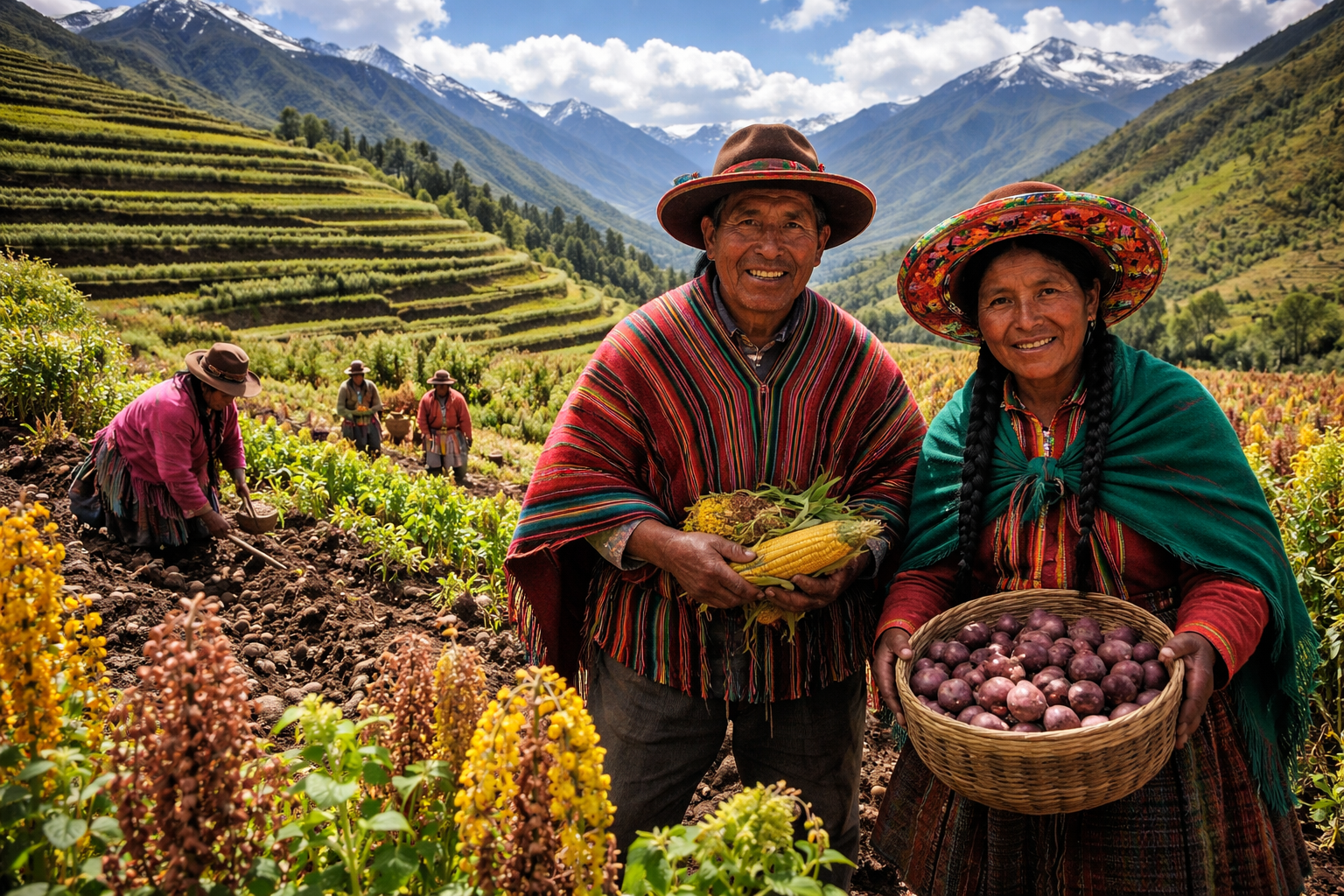
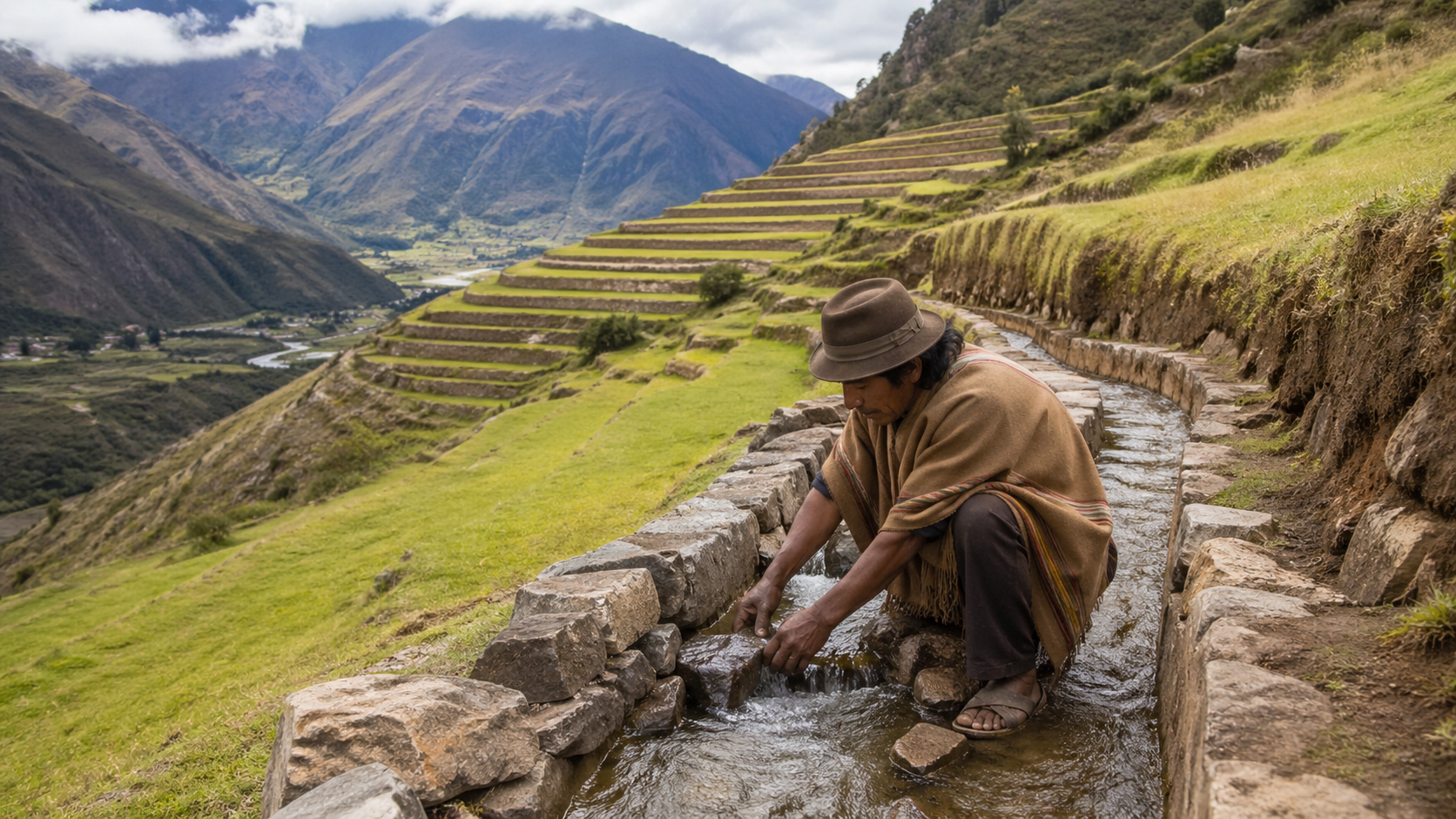
Indigenous knowledge systems represent centuries of observation, adaptation, and interaction with local ecosystems. Rooted in cultural traditions and lived experiences, these systems provide a deep understanding of biodiversity and sustainable resource management. As global environmental challenges intensify, integrating traditional knowledge with modern ecological science has become increasingly important.
The convergence of indigenous wisdom and scientific approaches offers a holistic pathway for biodiversity preservation. While modern ecology provides analytical tools and technological advancements, indigenous practices contribute context-specific insights and long-term sustainability principles. Together, they form a powerful framework for protecting ecosystems and supporting resilient communities.
Table of Contents
Knowledge Foundations
Indigenous knowledge systems are built on close relationships between communities and their natural environments. These systems include practices, beliefs, and observations that guide how resources are used and conserved. Knowledge is often passed down orally through generations, ensuring continuity and adaptation to changing conditions.
Unlike formal scientific methods, indigenous knowledge emphasizes interconnectedness and balance within ecosystems. This perspective encourages sustainable practices that maintain biodiversity while supporting human needs. The integration of these principles with modern ecology enhances the effectiveness of conservation strategies.
Knowledge Systems Table
| Element | Description |
|---|---|
| Definition | Traditional ecological knowledge developed over generations |
| Transmission | Oral traditions, rituals, and community practices |
| Core Principle | Balance between humans and nature |
| Application | Resource management and biodiversity conservation |
| Modern Relevance | Supports sustainable environmental policies |
Cultural Practices
- Sustainable Harvesting
- Controlled use of resources prevents depletion
- Seasonal cycles guide extraction activities
- Sacred Traditions
- Certain areas are protected due to spiritual beliefs
- Cultural taboos limit exploitation
- Community Governance
- Collective decision-making ensures accountability
- Local rules regulate resource use
Cultural practices play a critical role in maintaining biodiversity. Indigenous communities often implement sustainable harvesting techniques that allow ecosystems to regenerate naturally. These practices are informed by detailed knowledge of species behavior and environmental patterns.
The integration of spiritual beliefs with resource management further strengthens conservation efforts. By embedding ecological responsibility within cultural traditions, communities create a strong incentive to protect their natural surroundings.
Ecological Insights
- Species Knowledge
- Detailed understanding of plant and animal behavior
- Identification of medicinal and edible species
- Ecosystem Monitoring
- Continuous observation detects environmental changes
- Early warning systems for ecological disruptions
- Adaptive Strategies
- Flexible practices respond to environmental shifts
- Resilience built through experience
Indigenous ecological insights provide valuable contributions to biodiversity preservation. Communities often possess detailed knowledge of local species and ecosystems, enabling them to manage resources effectively. This knowledge complements scientific research by offering practical, location-specific information.
Continuous monitoring and adaptation are key features of indigenous systems. By observing environmental changes over time, communities can adjust their practices to maintain ecological balance and resilience.
Modern Integration
Integrating indigenous knowledge with modern ecology requires collaboration and mutual respect. Scientists and policymakers must recognize the value of traditional practices and incorporate them into conservation strategies. This approach enhances the relevance and effectiveness of environmental policies.
Collaborative projects that involve indigenous communities in research and decision-making processes have shown promising results. By combining traditional knowledge with scientific methods, these initiatives create more comprehensive and sustainable solutions for biodiversity preservation.
Policy Frameworks
- Legal Recognition
- Protect indigenous rights and knowledge systems
- Support community-led conservation efforts
- Collaborative Governance
- Partnerships between governments and communities
- Shared responsibility for resource management
- Sustainable Development
- Align economic goals with environmental protection
- Promote inclusive conservation strategies
Policy frameworks play a crucial role in supporting the integration of indigenous knowledge and modern ecology. Legal recognition of indigenous rights ensures that communities can continue their traditional practices without external interference. This protection is essential for maintaining biodiversity and cultural heritage.
Collaborative governance models enable effective resource management by combining local knowledge with institutional support. These frameworks promote inclusive decision-making and ensure that conservation efforts are both equitable and sustainable.
Challenges Faced
- Knowledge Loss
- Generational gaps threaten traditional practices
- Urbanization reduces community engagement
- Intellectual Property
- Risk of exploitation without proper recognition
- Need for ethical knowledge sharing
- Cultural Barriers
- Differences in perspectives between communities and scientists
- Challenges in communication and collaboration
Despite their benefits, indigenous knowledge systems face significant challenges. The loss of traditional knowledge due to modernization and cultural changes can weaken conservation efforts. Preserving and documenting this knowledge is essential for future sustainability.
Addressing issues related to intellectual property and cultural differences is also critical. Ensuring that indigenous communities are respected and fairly compensated for their contributions fosters trust and encourages collaboration.
Global Impact
Indigenous knowledge systems have a global impact on biodiversity preservation. From forest management to water conservation, these practices contribute to environmental sustainability across diverse regions. Their relevance extends beyond local contexts, offering valuable lessons for global conservation efforts.
By embracing indigenous knowledge, the global community can develop more inclusive and effective strategies for protecting biodiversity. This approach not only enhances ecological outcomes but also supports cultural diversity and social equity.
Final Thoughts
Bridging indigenous knowledge systems with modern ecology provides a comprehensive approach to biodiversity preservation. The integration of traditional wisdom and scientific innovation creates a balanced framework that addresses both environmental and social challenges.
Sustainable conservation depends on recognizing the value of diverse knowledge systems and fostering collaboration between communities and institutions. By working together, it is possible to protect biodiversity while respecting cultural heritage and promoting long-term ecological resilience.