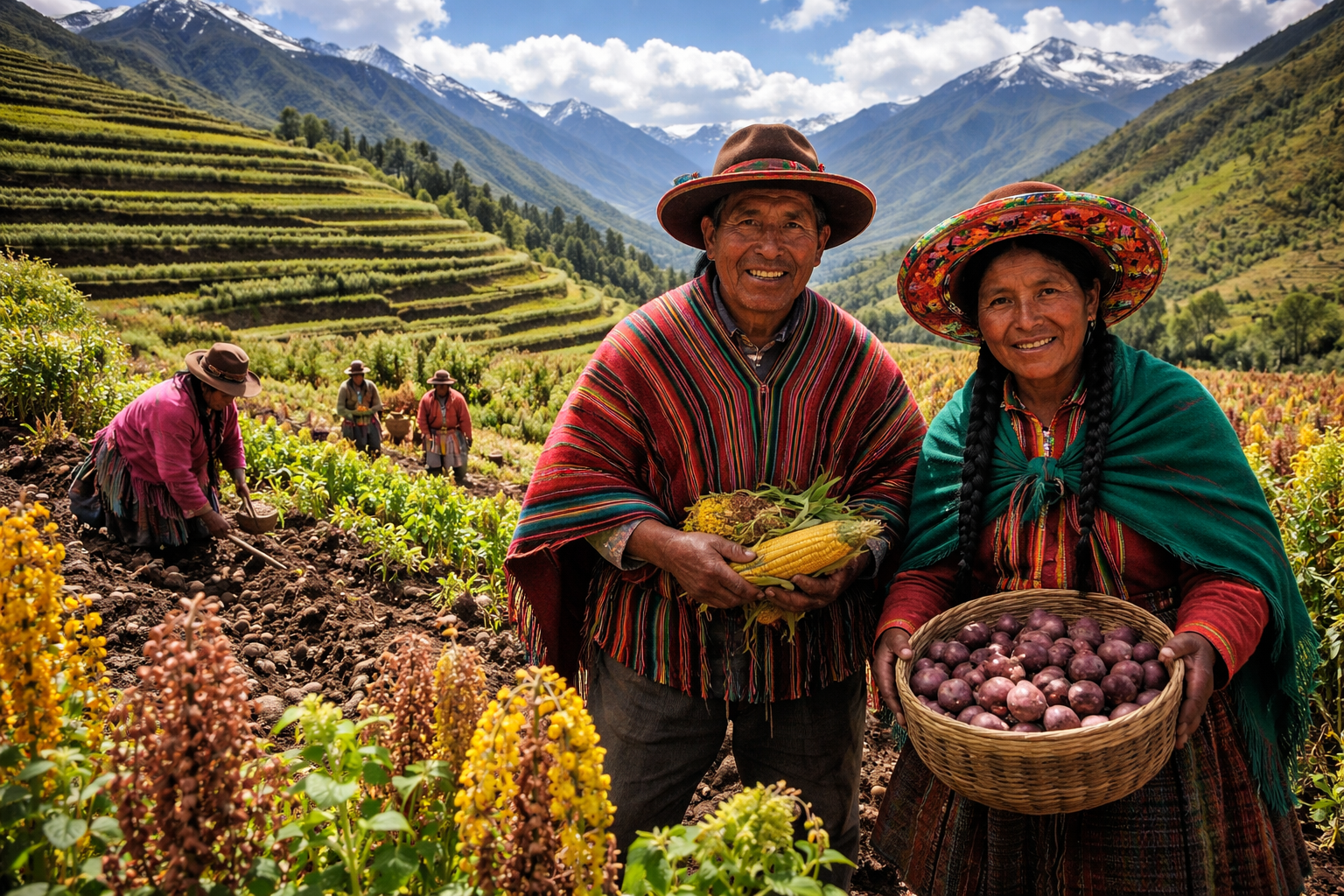
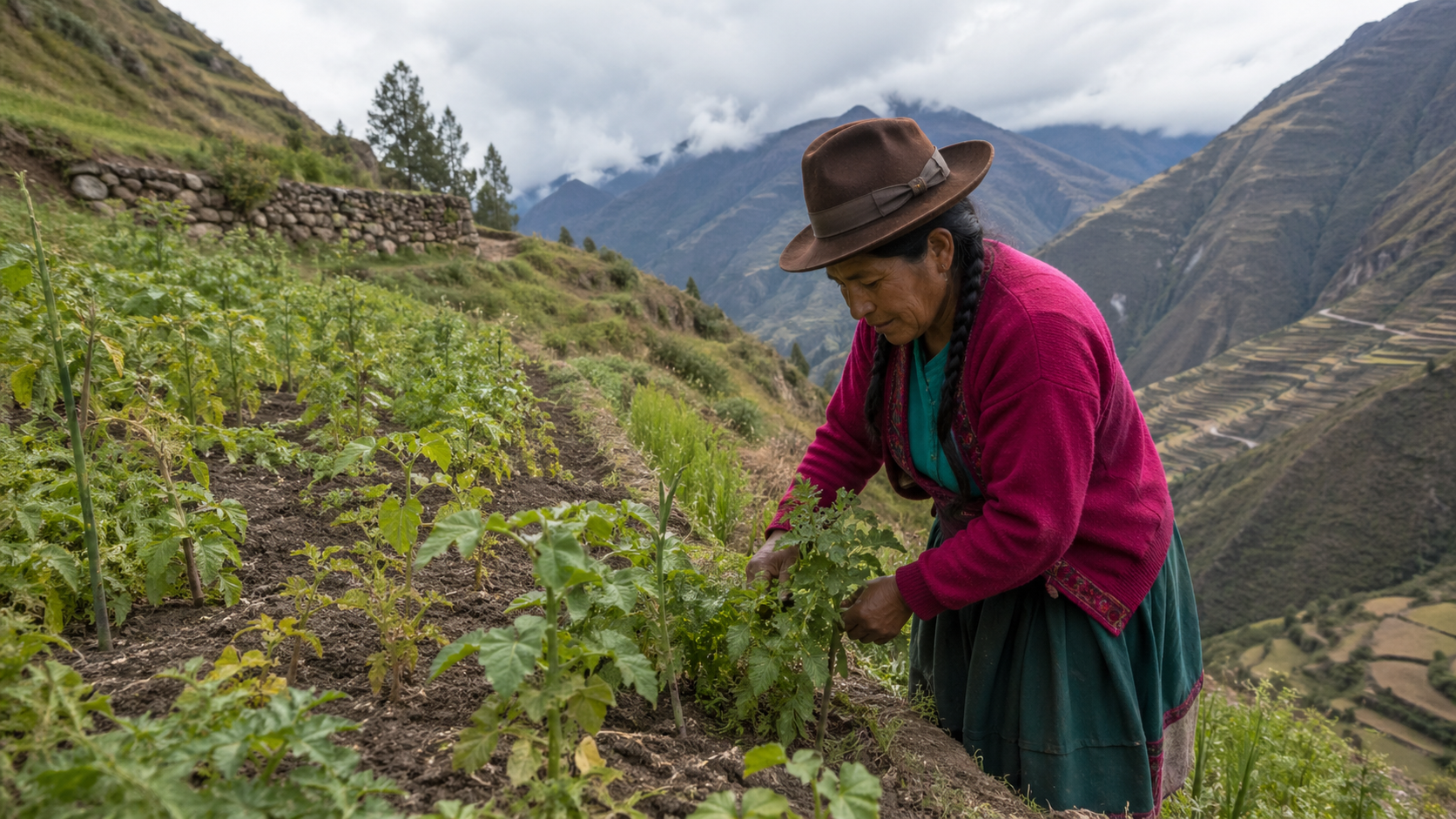
Water engineering and terraced landscapes were central to the agricultural success of pre-Columbian Andean societies. Living in steep, high-altitude environments with unpredictable rainfall, these civilizations developed advanced systems to control, store, and distribute water efficiently. Their innovations allowed them to transform rugged terrain into productive farmland.
These systems were not only functional but also sustainable, reflecting a deep understanding of environmental dynamics. By integrating engineering with ecological knowledge, Andean communities ensured long-term agricultural stability and resilience.
Table of Contents
System Snapshot
The effectiveness of Andean water engineering depended on a combination of structural innovation and environmental adaptation.
Overview Table: Key Engineering Elements
| Element | Description |
|---|---|
| Terrace Structures | Stepped landforms for cultivation |
| Irrigation Channels | Networks for water distribution |
| Drainage Systems | Mechanisms to prevent waterlogging |
| Water Storage | Reservoirs and natural collection methods |
| Soil Stabilization | Techniques to prevent erosion |
These elements worked together to create a highly efficient agricultural system. Each component addressed specific environmental challenges, ensuring optimal use of available resources.
Terrace Design
Terraced landscapes transformed steep mountain slopes into usable agricultural land. By creating flat platforms, farmers reduced soil erosion and improved water retention. These terraces also allowed for controlled irrigation, ensuring that water reached crops evenly.
The construction of terraces required significant labor and engineering skill. Layers of stone, soil, and gravel were carefully arranged to provide stability and proper drainage. This design not only supported crop growth but also preserved the integrity of the landscape over time.
Irrigation Networks
- Channels directed water from rivers and springs to fields
- Gravity-based systems ensured efficient flow
- Stone-lined canals minimized water loss
- Distribution points controlled water allocation
- Maintenance ensured long-term functionality
Irrigation networks were essential for managing water in a region with variable rainfall. These systems allowed communities to extend agriculture beyond naturally fertile areas, increasing productivity.
The use of gravity in irrigation demonstrated an advanced understanding of topography. By designing channels that followed natural slopes, Andean engineers minimized the need for complex mechanical systems.
Drainage Methods
Effective drainage was crucial for preventing water accumulation and soil degradation. Terraces were designed with built-in drainage layers that allowed excess water to flow away safely. This prevented waterlogging and protected crops from damage.
Drainage systems also contributed to soil health. By maintaining proper moisture levels, they ensured that nutrients remained available to plants. This balance was key to sustaining agricultural productivity.
Water Storage
- Use of natural depressions for water collection
- Construction of reservoirs for dry periods
- Storage of glacial meltwater
- Community-managed water distribution
- Seasonal planning for resource allocation
Water storage systems provided a buffer against drought and seasonal variability. By capturing and storing water, communities ensured a reliable supply for agriculture and daily use.
These systems required careful planning and coordination. Community involvement in managing water resources reinforced social organization and collective responsibility.
Soil Management
Soil management was an integral part of Andean water engineering. Terraces helped retain fertile soil and prevent erosion caused by wind and rain. Organic matter was often added to improve soil quality and support crop growth.
Maintaining soil health ensured long-term productivity. Farmers understood the importance of balancing nutrient levels and preventing degradation, demonstrating a holistic approach to agriculture.
Climate Adaptation
Andean water engineering systems were designed to adapt to diverse climatic conditions. By combining terraces, irrigation, and storage, communities could respond to changes in weather patterns. This adaptability was essential for survival in a challenging environment.
Microclimates created by terraces further enhanced resilience. Variations in temperature and moisture within these systems allowed for the cultivation of different crops, increasing overall diversity and stability.
Cultural Systems
Water management in the Andes was deeply connected to social and cultural practices. Community cooperation was essential for building and maintaining infrastructure. Shared responsibilities ensured that systems remained functional and equitable.
Cultural values also influenced how water was used and preserved. Respect for natural resources guided sustainable practices, reinforcing the importance of balance between human needs and environmental conservation.
Final Thoughts
Water engineering and terraced landscapes in the pre-Columbian Andes represent a remarkable achievement in sustainable agriculture. By integrating engineering innovation with ecological understanding, these societies created systems that supported long-term productivity and resilience.
Their legacy continues to inspire modern approaches to water management and land use. As global challenges such as climate change and resource scarcity grow, the principles of Andean engineering offer valuable lessons for building sustainable and adaptive systems.