The spiritual traditions of the Chibcha people reveal a deep connection between nature, divinity, and daily life. Among their most significant deities is Chía, a powerful symbol of femininity, fertility, and cosmic balance. Her presence in mythology reflects the importance of lunar cycles in shaping agricultural practices and cultural beliefs.
Chía’s influence extended beyond spiritual symbolism into practical aspects of survival. As communities depended on farming and seasonal rhythms, the moon became a guiding force in decision-making. Exploring her role provides insight into how ancient societies integrated spirituality with environmental understanding.
Table of Contents
Cultural Roots
The Muisca, a prominent group within the Chibcha cultural sphere, developed a rich belief system centered on natural forces. Their worldview emphasized harmony between humans and the environment, with celestial bodies playing a key role in maintaining balance. Within this system, Chía represented the moon’s nurturing and regulating power.
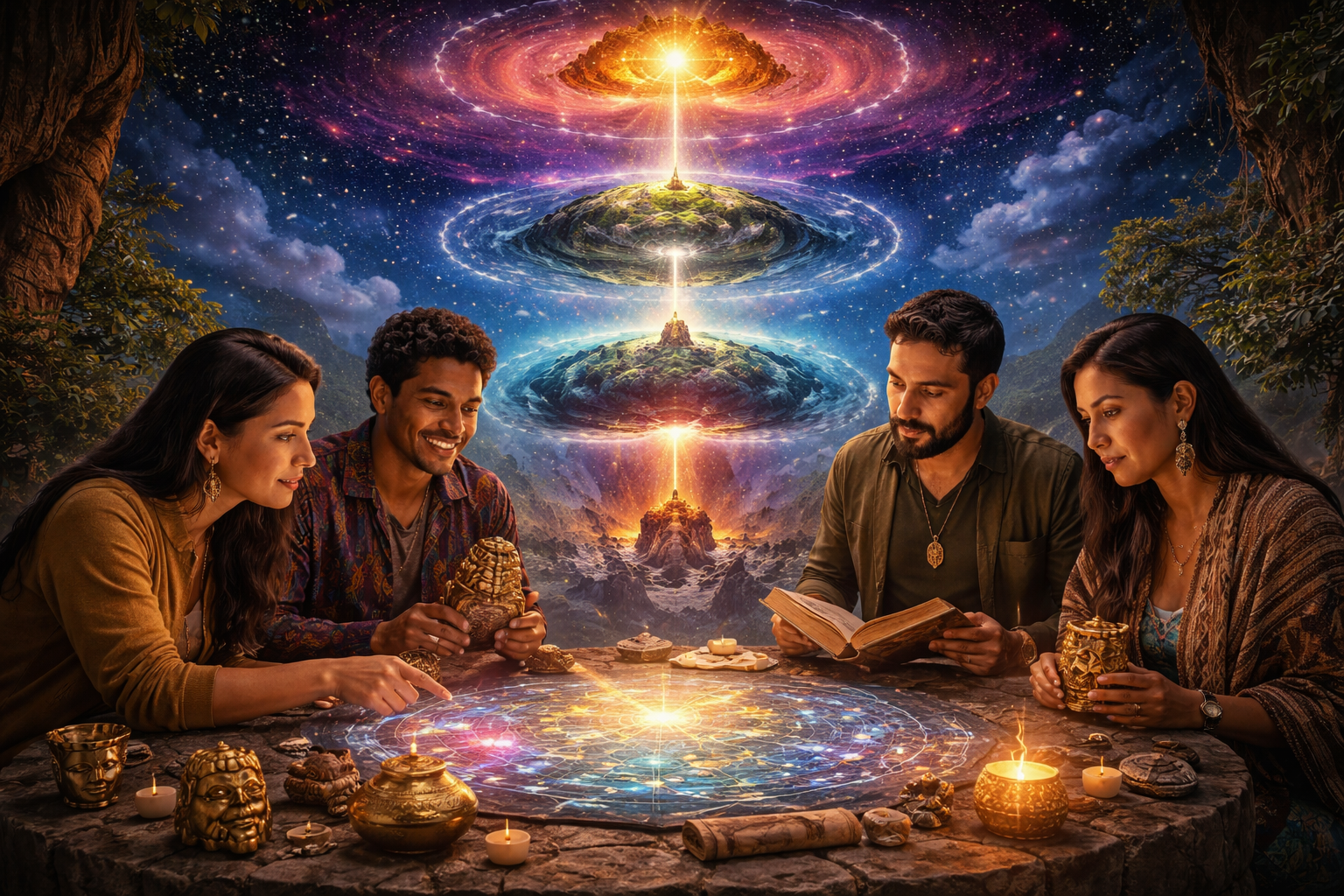
Her worship was deeply embedded in community life. Rituals, ceremonies, and daily practices often revolved around lunar phases. This integration of belief and routine highlights the central role of spirituality in guiding social and agricultural activities.
Chía Symbolism Overview
| Aspect | Description |
|---|---|
| Deity Role | Moon goddess and symbol of feminine power |
| Cultural Significance | Central figure in Chibcha spiritual life |
| Natural Connection | Linked to lunar cycles and fertility |
| Agricultural Influence | Guided planting and harvesting practices |
| Social Impact | Shaped rituals and community traditions |
Feminine Power
- Symbol of Fertility
- Chía embodied life-giving energy and reproductive cycles.
- Her influence extended to both human and agricultural fertility.
- Balance and Harmony
- She represented equilibrium between opposing forces.
- Her presence ensured stability in natural and social systems.
- Spiritual Authority
- Chía held a central role in religious practices.
- Her worship reflected respect for feminine शक्ति in society.
- Cultural Identity
- She became a defining symbol of Chibcha heritage.
- Her legacy continues in cultural narratives.
The concept of feminine power in Chibcha beliefs was not limited to gender roles but encompassed broader ideas of creation, balance, and continuity.
Lunar Cycles
The moon’s phases were closely observed and interpreted by Chibcha communities. Each phase carried specific meanings and influenced decisions related to agriculture and daily life. Chía, as the embodiment of the moon, served as a guide for understanding these cycles.
Lunar rhythms provided a natural calendar that helped communities organize their activities. This reliance on celestial patterns demonstrates the sophisticated environmental awareness of the Chibcha people.
Agricultural Role
- Planting Guidance
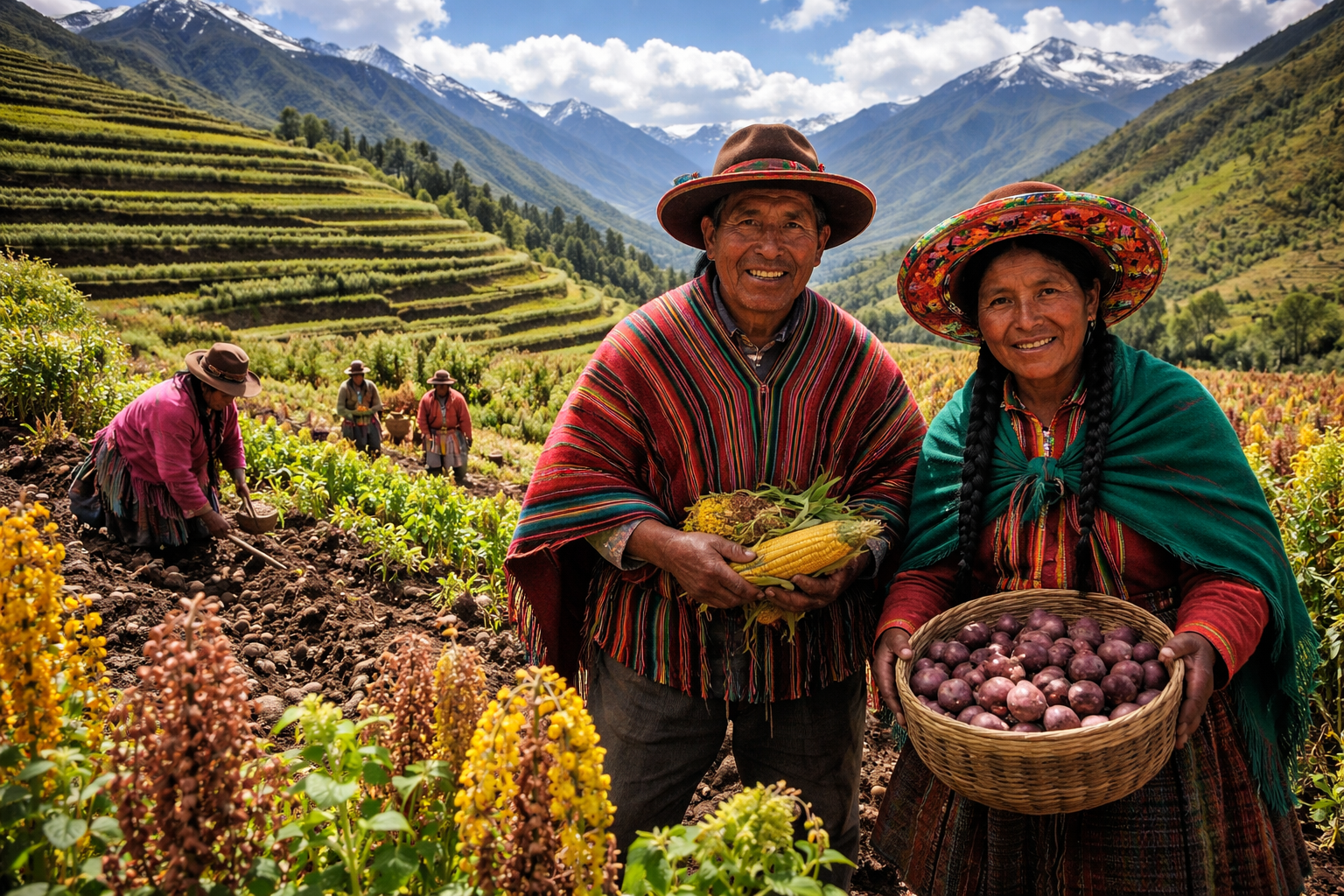
- Farmers used lunar phases to determine optimal planting times.
- Certain crops were associated with specific moon cycles.
- Harvest Timing
- Harvesting decisions were aligned with lunar ऊर्जा patterns.
- This practice aimed to maximize yield and quality.
- Soil Fertility
- Beliefs linked lunar influence to soil health and productivity.
- Rituals were performed to enhance agricultural success.
- Seasonal Planning
- The moon helped predict seasonal changes.
- Agricultural schedules were adjusted accordingly.
Agriculture was deeply intertwined with spirituality, making Chía an essential figure in ensuring community survival and prosperity.
Ritual Practices
Rituals dedicated to Chía were an integral part of Chibcha life. Ceremonies often included offerings, dances, and prayers aimed at honoring the goddess and seeking her blessings. These practices reinforced the connection between the community and the natural world.
Sacred spaces were established for worship, reflecting the importance of maintaining spiritual balance. Rituals also served as communal events that strengthened social bonds and cultural identity.
Social Influence
Chía’s role extended into social structures and cultural norms. Her association with femininity elevated the status of women within certain aspects of society. While not necessarily creating equality in all areas, it highlighted the importance of feminine contributions.
Her influence also shaped community values such as cooperation, respect for nature, and collective responsibility. These principles were essential for maintaining harmony within the society.
Mythical Connections
- Cosmic Relationships
- Chía was often linked with other deities in Chibcha mythology.
- These relationships explained natural phenomena and cosmic order.
- Creation Narratives
- Myths involving Chía described the origins of life and cycles.
- Stories emphasized interconnectedness between elements.
- Symbolic Interpretations
- The moon represented change and renewal.
- Chía embodied these transformative qualities.
- Cultural Transmission
- Oral traditions preserved her stories across generations.
- Myths served as educational tools for communities.
Mythological narratives ensured that Chía’s significance remained central to cultural identity and knowledge systems.
Modern Legacy
Today, the legacy of Chía continues to influence cultural and historical understanding of the Chibcha people. Scholars and communities alike recognize her role in shaping ancient agricultural practices and spiritual beliefs. Her story offers valuable insights into the relationship between humans and nature.
Preservation of these traditions helps maintain cultural heritage and provides inspiration for sustainable practices. Chía’s symbolism remains relevant in discussions about environmental balance and cultural identity.
Wrapping Up
Chía, the moon goddess of the Chibcha, represents a powerful intersection of spirituality, femininity, and environmental awareness. Her influence on agricultural cycles and social values highlights the sophisticated understanding of nature within ancient societies. Through her, the Chibcha people expressed a deep respect for the rhythms that sustain life.
The enduring legacy of Chía reminds us of the importance of harmony between humans and the natural world. Her story continues to inspire reflection on balance, sustainability, and the role of cultural traditions in shaping our understanding of life.