Rituals and pilgrimages were central to the spiritual and social life of the Chibcha (Muisca) civilization, shaping how individuals interacted with the natural and divine worlds. These practices were not isolated religious acts but deeply integrated systems that connected communities to sacred landscapes, deities, and ancestral traditions. Through ceremonies and journeys, the Chibcha expressed reverence, sought guidance, and maintained cosmic balance.
Pilgrimages to sacred sites and participation in rituals reinforced a collective identity rooted in spirituality and environmental harmony. These practices created pathways between the human realm and higher cosmic forces, ensuring continuity between belief systems and daily life. Understanding these traditions reveals the profound relationship between people, place, and the sacred in Chibcha culture.
Table of Contents
Cultural Overview
Overview Table: Core Elements of Rituals and Pilgrimages
| Aspect | Description |
|---|---|
| Ritual Purpose | Honor deities and maintain cosmic balance |
| Pilgrimage Sites | Lakes, mountains, caves, sacred landscapes |
| Participants | Priests, leaders, community members |
| Key Offerings | Gold objects, food, symbolic items |
| Spiritual Goal | Connect humans with divine and natural forces |
| Cultural Impact | Strengthened identity and social unity |
Rituals in Chibcha culture were structured ceremonies that followed specific traditions and symbolic meanings. They were conducted to mark important events such as agricultural cycles, leadership transitions, and seasonal changes. These rituals ensured harmony between humans and the cosmos.
Pilgrimages complemented rituals by involving physical journeys to sacred sites. These journeys were acts of devotion and reflection, allowing participants to engage directly with spiritually significant locations. Together, rituals and pilgrimages formed a holistic spiritual system.
Sacred Spaces
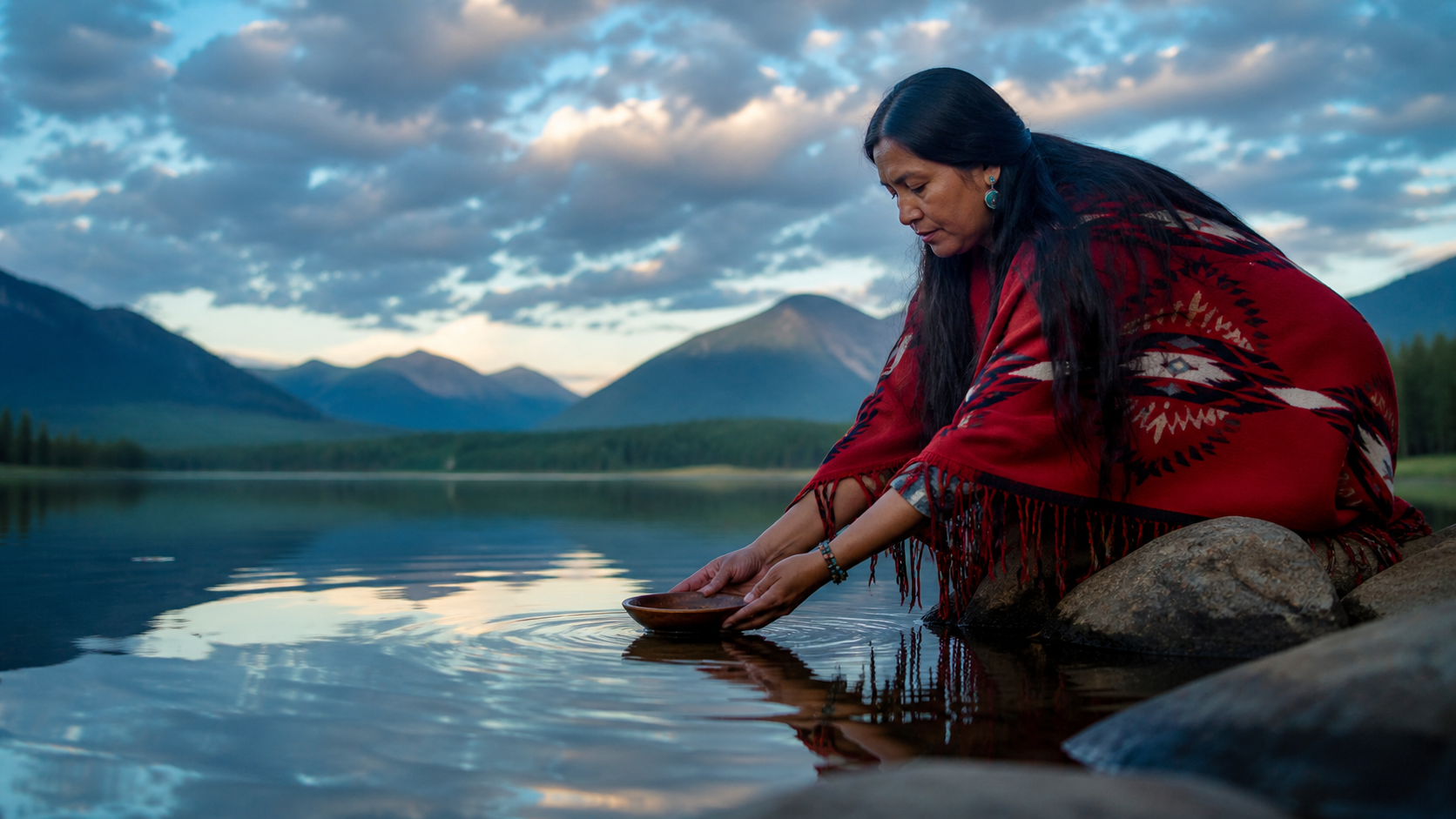
- Lakes were considered portals to divine realms and were often used for offerings and ceremonies.
- Mountains symbolized proximity to celestial forces and were important pilgrimage destinations.
- Caves represented connections to the underworld and ancestral origins.
- Forests and rivers were seen as living entities with spiritual significance.
- Sacred geography guided the placement of temples and ceremonial sites.
- Natural landmarks were integrated into religious practices.
- Spiritual energy was believed to reside within these spaces.
- Protection of sacred sites was a communal responsibility.
Sacred spaces were not merely physical locations but embodied spiritual meaning and power. The Chibcha viewed nature as an active participant in their belief system, where each element held symbolic and functional importance.
These spaces served as focal points for rituals and pilgrimages, reinforcing the connection between the environment and spirituality. Respect for these sites ensured the preservation of both cultural and ecological balance.
Ritual Practices
- Ceremonial offerings included gold artifacts symbolizing the sun and divine energy.
- Music and dance played a role in invoking spiritual presence.
- Ritual purification prepared participants for sacred activities.
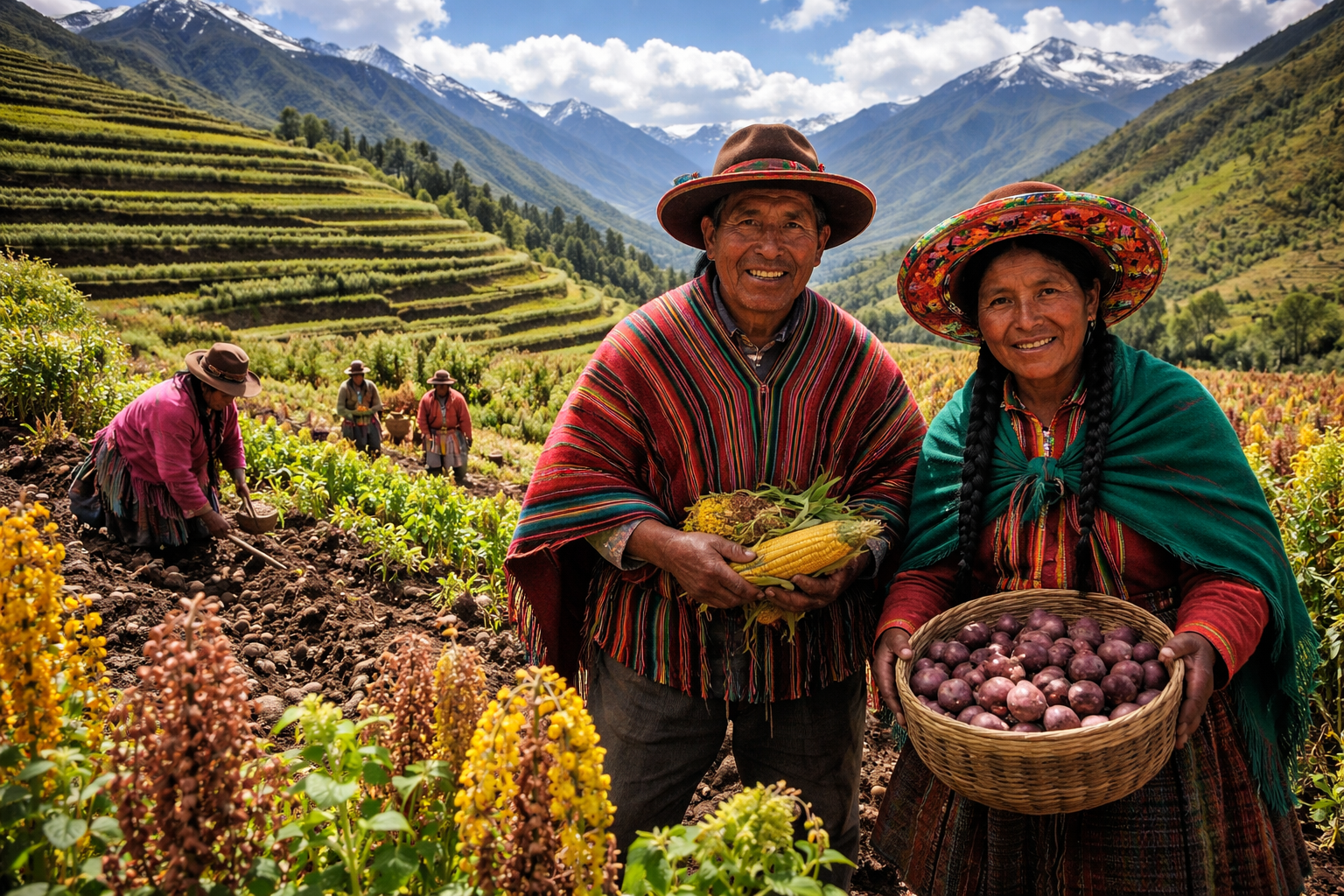
- Seasonal ceremonies aligned with agricultural cycles.
- Priests led rituals and interpreted spiritual messages.
- Symbolic gestures conveyed respect and devotion.
- Community participation strengthened social bonds.
- Ritual timing was often based on astronomical observations.
Ritual practices were carefully structured to maintain harmony between different cosmic realms. Each element of the ceremony had a specific purpose, contributing to the overall spiritual experience.
Participation in rituals fostered a sense of unity and shared identity. These practices were not only religious but also social events that reinforced cultural values and traditions.
Pilgrimage Routes
Pilgrimages involved traveling along established routes to reach sacred destinations. These journeys were often long and required physical endurance, reflecting the dedication of participants.
Routes were chosen based on their spiritual significance and connection to natural features. Traveling through these landscapes allowed pilgrims to experience the sacred environment firsthand.
Pilgrimages were not solitary acts but communal experiences that strengthened relationships among participants. Shared challenges and spiritual goals created a sense of collective purpose.
The journey itself was considered as important as the destination. Each step represented a movement toward spiritual understanding and connection.
Spiritual Meaning
The spiritual significance of rituals and pilgrimages lies in their ability to connect humans with divine forces. These practices allowed individuals to seek guidance, express gratitude, and maintain balance within the cosmos.
Symbolism played a key role in conveying spiritual messages. Objects, movements, and locations all contributed to a deeper understanding of the universe.
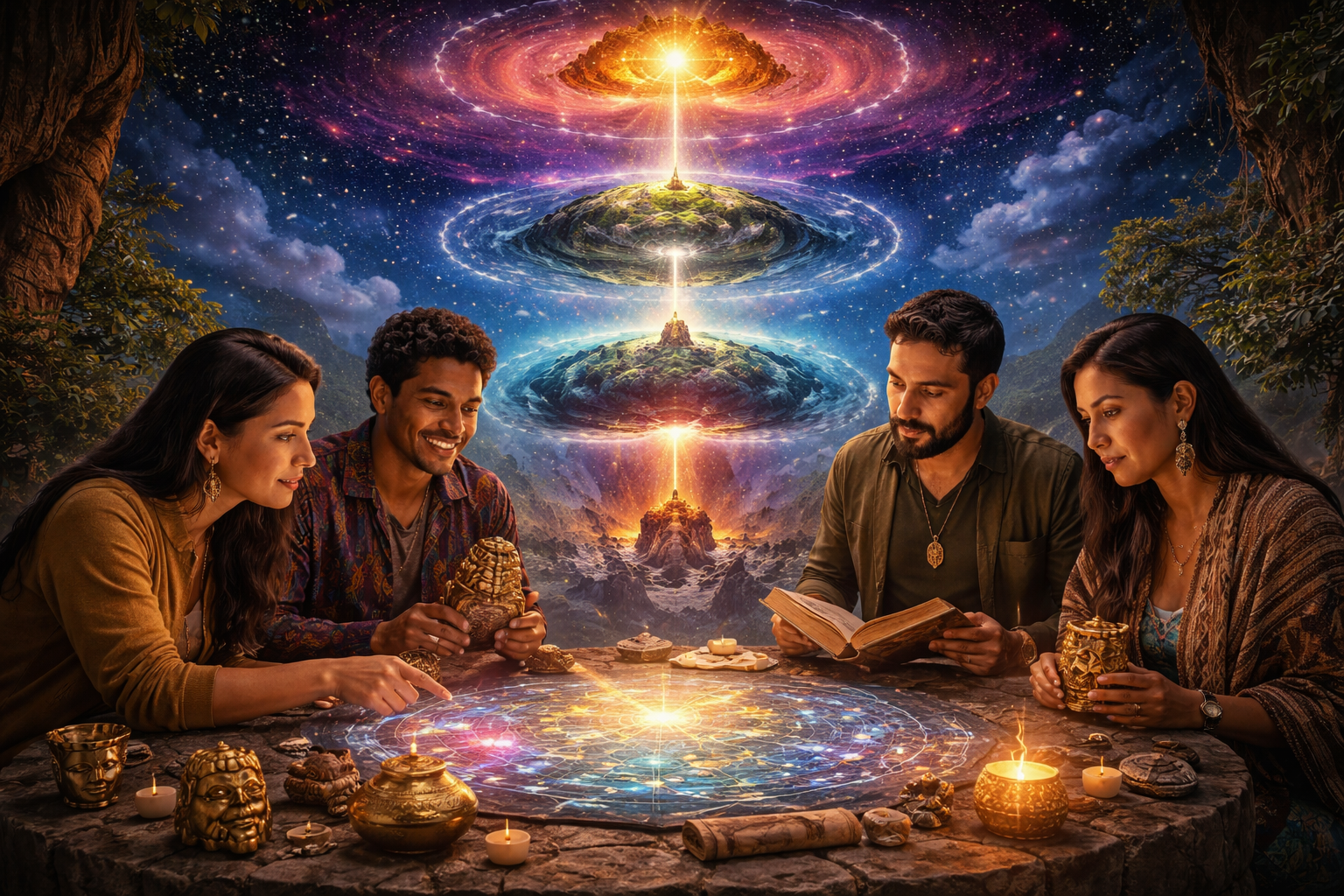
Rituals and pilgrimages also served as a means of communication between different cosmic realms. They created pathways through which humans could interact with deities and ancestors.
This connection reinforced the belief that humans were part of a larger, interconnected system. Maintaining this connection was essential for both personal and communal well-being.
Social Influence
Rituals and pilgrimages had a significant impact on the social structure of Chibcha society. They provided opportunities for community gatherings, reinforcing social cohesion and shared identity.
Leadership roles were often defined through participation in these practices. Priests and leaders gained authority through their ability to guide rituals and interpret spiritual messages.
Economic activities were also influenced by these traditions. The creation of offerings and preparation for pilgrimages involved various forms of labor and craftsmanship.
These practices contributed to a stable and organized society. By aligning social structures with spiritual beliefs, the Chibcha created a cohesive and resilient community.
The Way Forward
Rituals and pilgrimages in Chibcha culture represent a profound connection between humans and sacred spaces. Through these practices, the Chibcha maintained harmony with nature, the cosmos, and their community.
Understanding these traditions highlights the importance of integrating spirituality with environmental awareness and social responsibility. The legacy of Chibcha rituals and pilgrimages continues to offer valuable insights into holistic ways of living and connecting with the world.