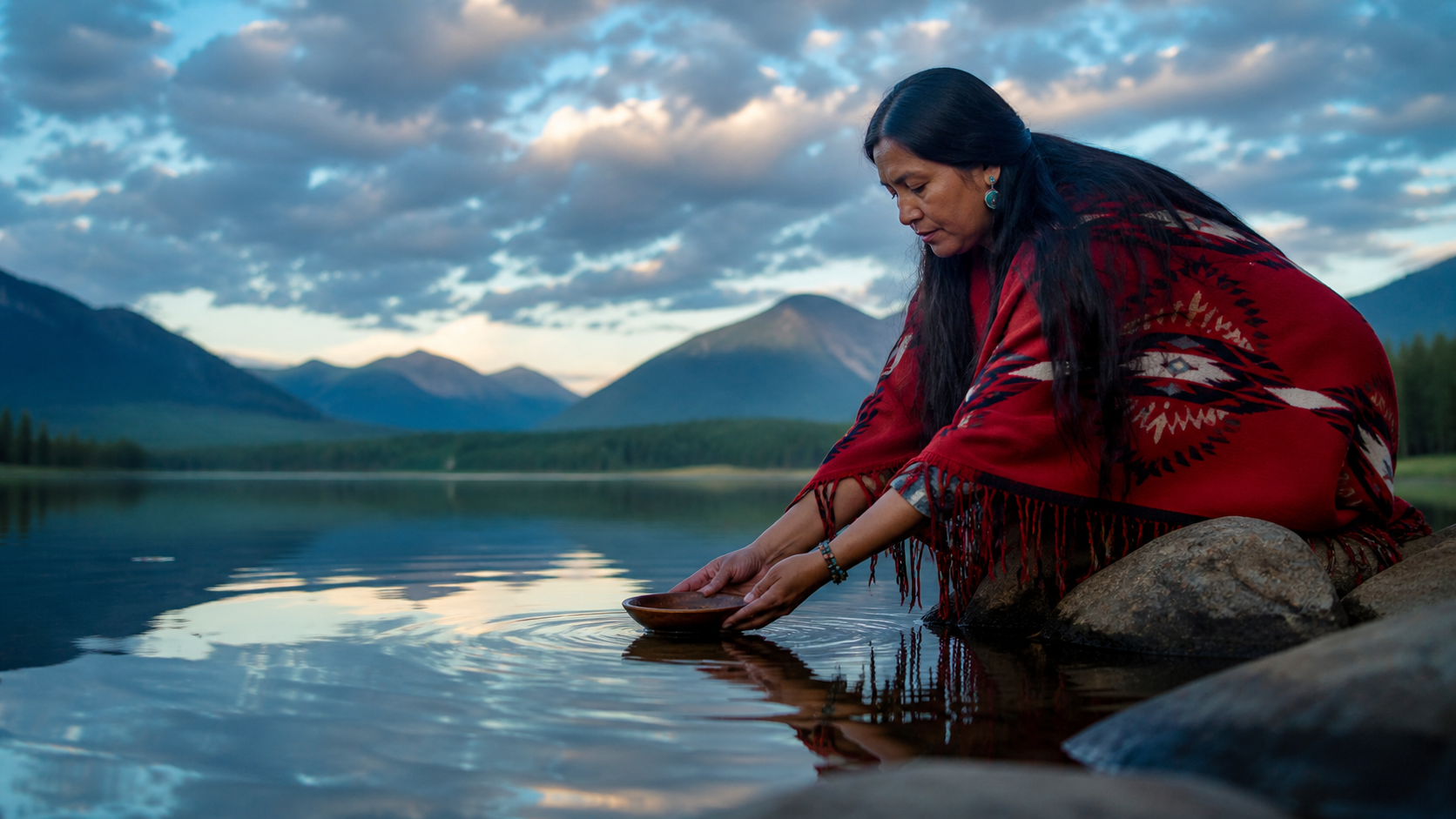
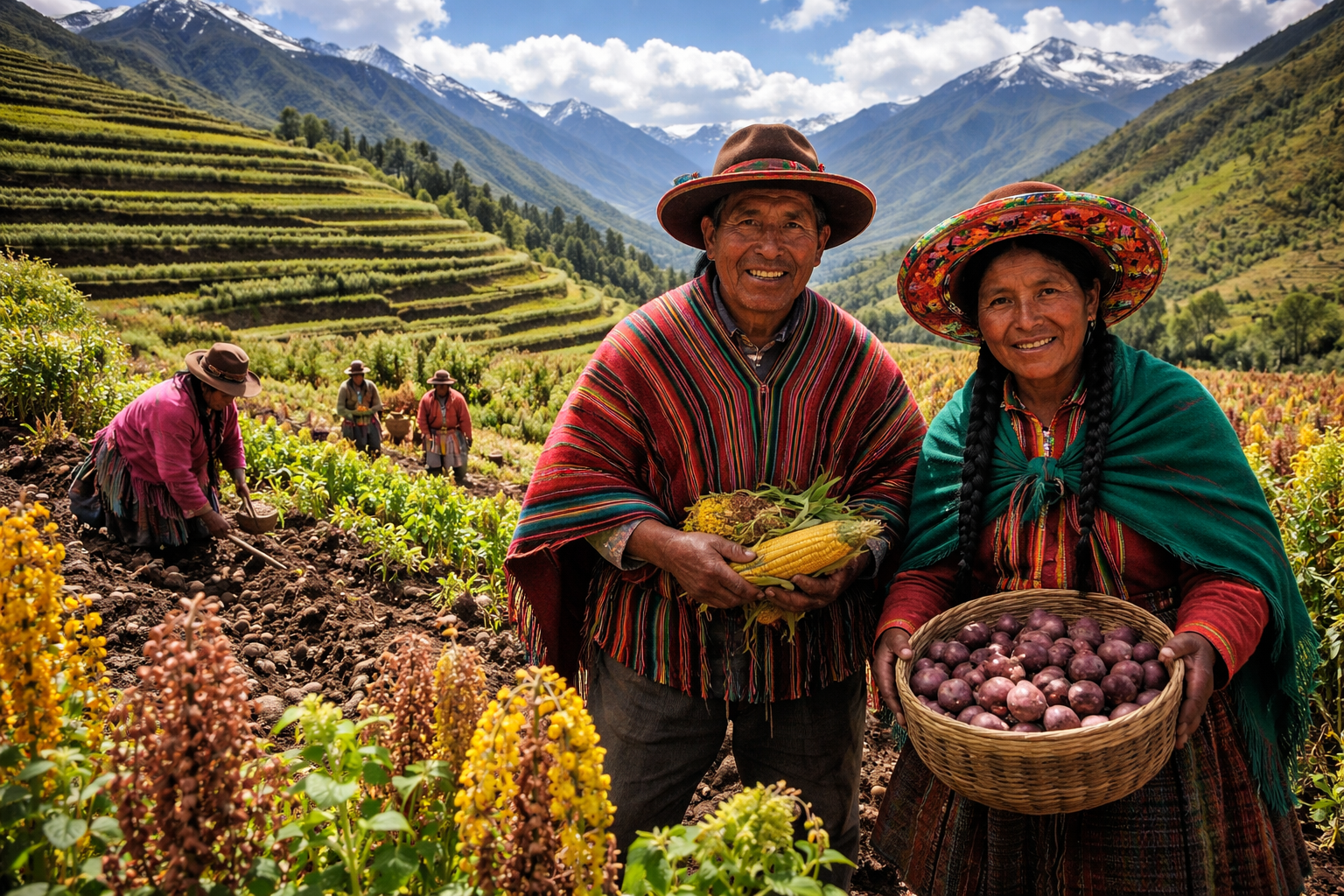
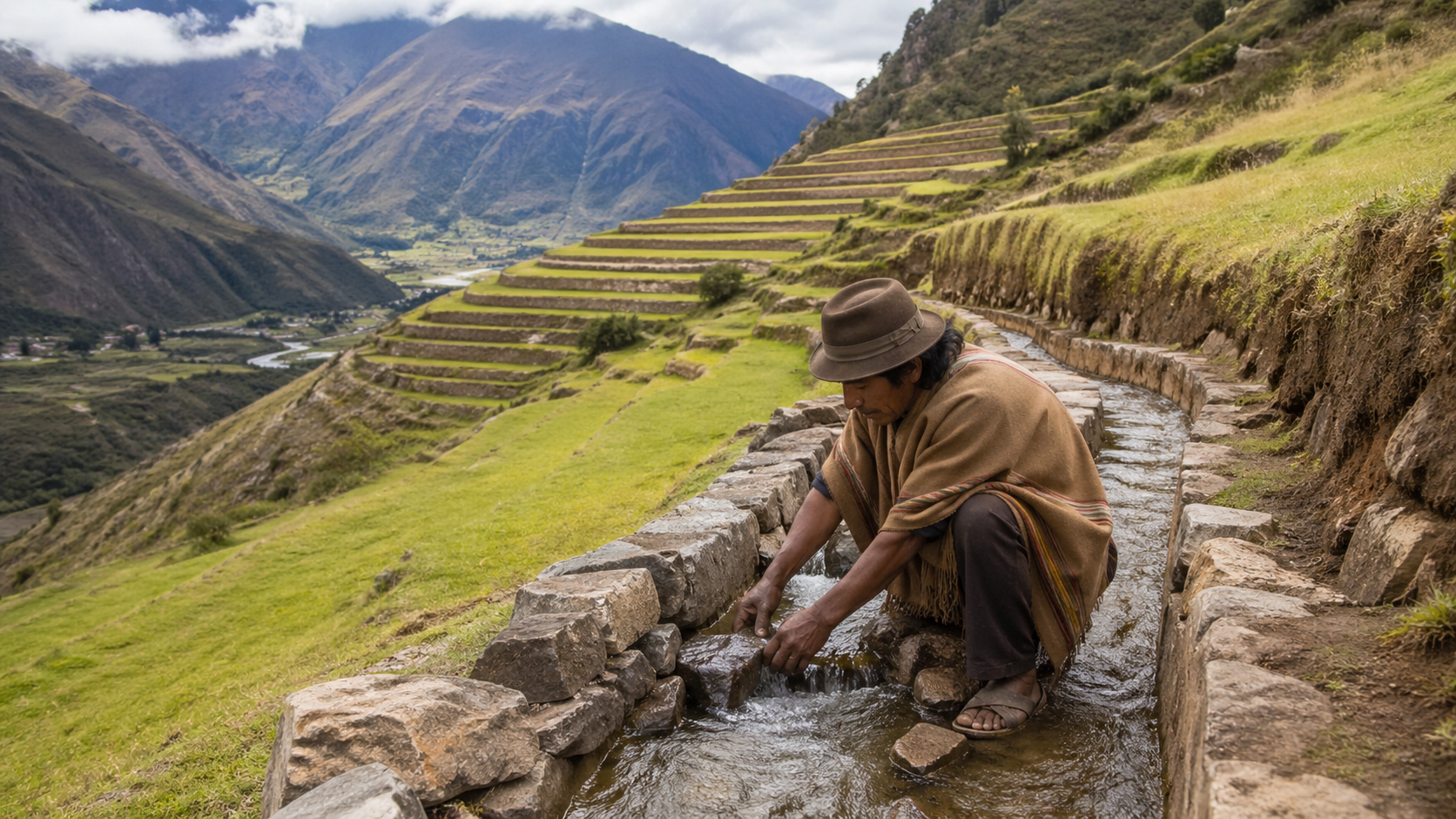
Indigenous communities around the world maintain deep, enduring relationships with the land, viewing it not merely as physical territory but as a living, spiritual entity. These landscapes are embedded with stories, rituals, and ancestral connections that define identity and cultural continuity. Sacred geography reflects how communities map meaning onto land through memory, tradition, and belief systems.
Understanding these connections reveals a worldview where geography and spirituality are inseparable. Land becomes a repository of history, identity, and sacred knowledge. This article explores how Indigenous communities interpret and preserve ancestral landscapes through spiritual mapping.
Table of Contents
Quick Overview
Sacred geography refers to the spiritual significance assigned to natural landscapes. Indigenous communities use cultural narratives, rituals, and traditions to map meaning onto land, creating a deep connection between people and place.
Overview Table: Sacred Geography Insights
| Aspect | Description |
|---|---|
| Core Concept | Spiritual mapping of landscapes |
| Key Elements | Rituals, stories, ancestral ties |
| Primary Purpose | Cultural identity and continuity |
| Symbolic Value | Land as sacred and living entity |
| Knowledge Source | Oral traditions and practices |
| Long-Term Impact | Preservation of heritage and belief systems |
Spiritual Mapping
- Story-Based Geography:
Indigenous communities use stories to define landscapes. Each location may be tied to myths, historical events, or ancestral journeys, creating a narrative map. - Ritual Significance:
Specific sites are designated for ceremonies and spiritual practices. These rituals reinforce the sacred nature of the land. - Symbolic Landmarks:
Natural features such as mountains, rivers, and forests hold symbolic meanings. These landmarks often represent spiritual forces or ancestral presence. - Cultural Memory:
Knowledge of sacred geography is passed down through generations. This ensures continuity and preservation of traditions.
Spiritual mapping transforms physical spaces into meaningful cultural landscapes.
Ancestral Connections
Indigenous relationships with land are deeply rooted in ancestry. Landscapes are often viewed as the dwelling places of ancestors, creating a sense of continuity between past and present. This connection reinforces identity and belonging.
Ancestral ties also influence how land is used and protected. Respect for ancestral presence encourages sustainable practices and stewardship. The land becomes a shared inheritance that must be preserved for future generations.
Cultural Practices
- Ceremonial Gatherings:
Communities gather at sacred sites for rituals and celebrations. These events strengthen cultural bonds and reaffirm spiritual connections. - Seasonal Observances:
Rituals aligned with natural cycles reflect the relationship between people and the environment. These practices highlight the importance of timing and balance. - Sacred Pathways:
Routes connecting important sites are often considered spiritually significant. These pathways represent journeys of ancestors or spiritual beings. - Artistic Expression:
Symbols, carvings, and other forms of art depict sacred landscapes. Artistic representations help preserve and communicate cultural knowledge.
These practices embed spiritual meaning into everyday interactions with the land.
Knowledge Systems
Indigenous knowledge systems play a crucial role in maintaining sacred geography. Oral traditions, storytelling, and communal learning ensure that knowledge is preserved and shared. These systems emphasize experiential learning and direct engagement with the environment.
Knowledge is often context-specific, reflecting the unique characteristics of each landscape. This localized understanding allows communities to adapt to environmental changes while maintaining cultural integrity. The integration of knowledge and practice strengthens the connection between people and land.
Environmental Stewardship
- Sustainable Practices:
Respect for sacred landscapes promotes responsible resource use. Communities prioritize balance and conservation. - Biodiversity Protection:
Sacred sites often serve as protected areas, preserving ecosystems and wildlife. Spiritual significance reinforces environmental care. - Land Management:
Cultural values guide Traditional methods of land management. These practices support ecological health. - Interconnected Systems:
Recognition of the interconnectedness of all living things informs environmental decisions. This holistic approach ensures long-term sustainability.
Stewardship practices highlight the alignment of spiritual beliefs with environmental responsibility.
Modern Challenges
The preservation of sacred geography faces several challenges in the modern world. Urbanization, industrial development, and land disputes can threaten sacred sites and disrupt cultural practices. These pressures often lead to the loss of traditional knowledge and connections.
Efforts to document and protect sacred landscapes are ongoing. Collaboration between Indigenous communities, governments, and organizations is essential to address these challenges. Balancing development with cultural preservation remains a critical issue.
Cultural Impact
- Identity Formation:
Sacred geography shapes how communities define themselves. It provides a sense of belonging and continuity. - Educational Value:
Teaching younger generations about sacred landscapes ensures the transmission of knowledge. Education strengthens cultural resilience. - Community Unity:
Shared practices and beliefs foster social cohesion. Sacred sites serve as gathering points for collective experiences. - Global Awareness:
Increased recognition of Indigenous perspectives promotes respect and understanding. This awareness supports cultural preservation efforts.
The cultural impact of sacred geography extends beyond local communities to global discourse.
Final Thoughts
Ancestral landscapes and sacred geography represent a profound connection between people, land, and spirituality. Indigenous communities map meaning onto landscapes through stories, rituals, and traditions, creating a rich tapestry of cultural and spiritual significance.
Preserving these connections is essential for maintaining cultural identity and environmental balance. As modern challenges continue to emerge, recognizing and respecting sacred geography will play a vital role in supporting Indigenous communities and their enduring relationship with the land.