The Muisca Confederation was one of the most advanced indigenous societies in pre-Columbian South America, located in the Andean highlands of present-day Colombia. Known for their organized governance, thriving trade networks, and complex social systems, the Muisca developed a sophisticated civilization long before European contact. Their society reflected a balance between political authority, economic cooperation, and cultural traditions.
Understanding the Muisca Confederation provides valuable insights into how decentralized yet coordinated systems can function effectively. Their legacy highlights the importance of regional leadership, resource management, and social cohesion in building a sustainable and influential society.
Table of Contents
Overview Snapshot
| Aspect | Details |
|---|---|
| Civilization | Muisca Confederation |
| Region | Andean highlands of Colombia |
| Governance | Decentralized chiefdom system |
| Economy | Trade-based with agriculture and crafts |
| Social Structure | Hierarchical yet community-oriented |
Political Structure
The Muisca Confederation operated under a decentralized political system composed of multiple chiefdoms. Two primary rulers, the Zipa and the Zaque, governed the southern and northern regions, respectively. These leaders exercised authority over local chiefs while maintaining coordination across the confederation.
This system allowed flexibility and local autonomy while ensuring broader unity. Rather than a centralized empire, the Muisca relied on alliances and cooperation. This structure enabled efficient governance across diverse regions without rigid control, fostering stability and adaptability.
Leadership Roles
Leadership within the Muisca society extended beyond the primary rulers. Local chiefs, known as caciques, managed individual communities and ensured the implementation of policies. Religious leaders also played a significant role, guiding spiritual practices and influencing decision-making.
- Regional rulers (Zipa and Zaque) overseeing large territories
- Local caciques managing community affairs
- Religious leaders maintain spiritual traditions
- Advisors assisting in governance and conflict resolution
These roles created a balanced leadership system where authority was distributed. Collaboration among leaders ensured effective governance and reinforced social cohesion across the confederation.
Economic Networks
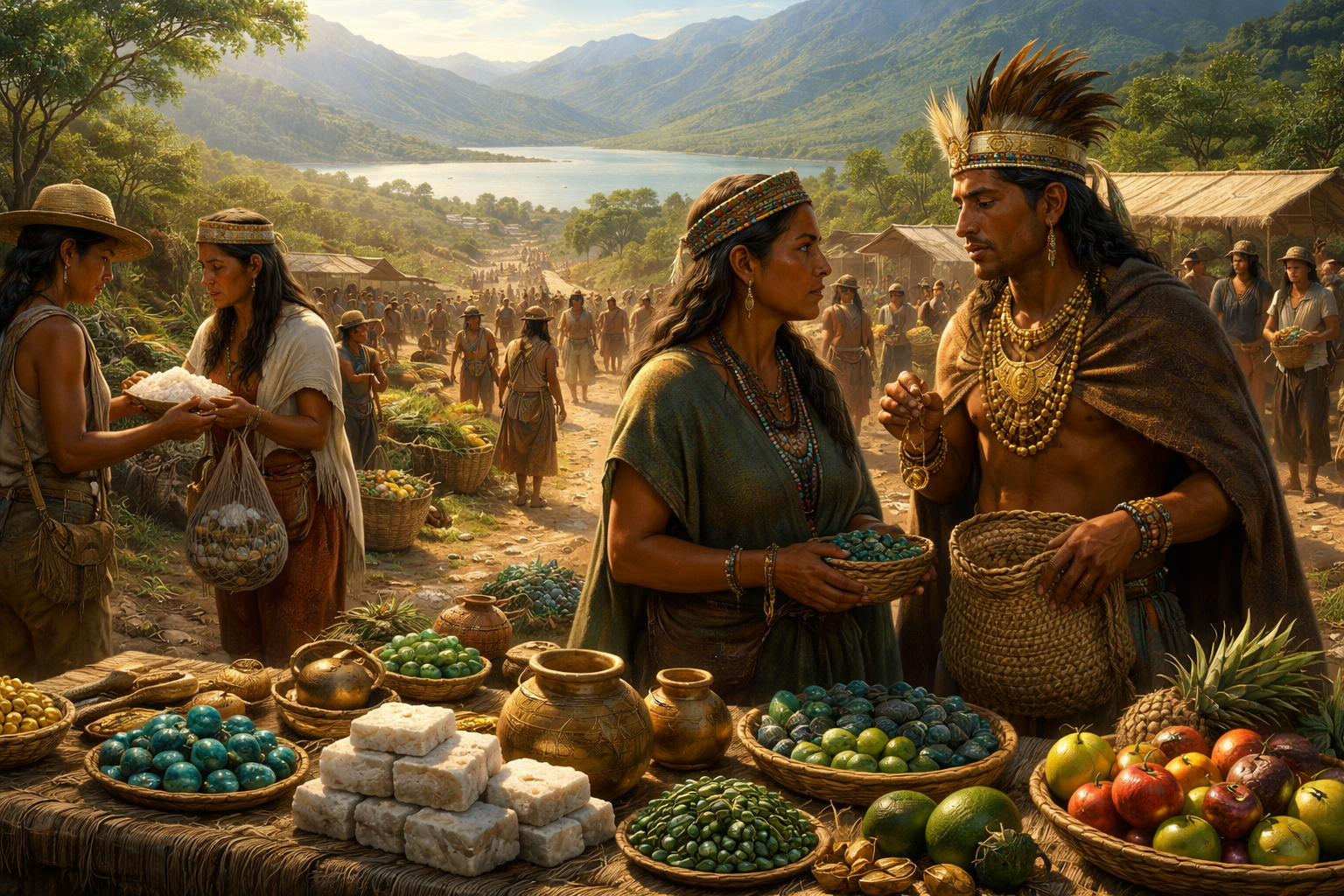
The Muisca economy was built on extensive trade networks that connected different regions. They exchanged goods such as salt, gold, emeralds, textiles, and agricultural products. Salt, in particular, was a highly valued resource and played a central role in their economy.
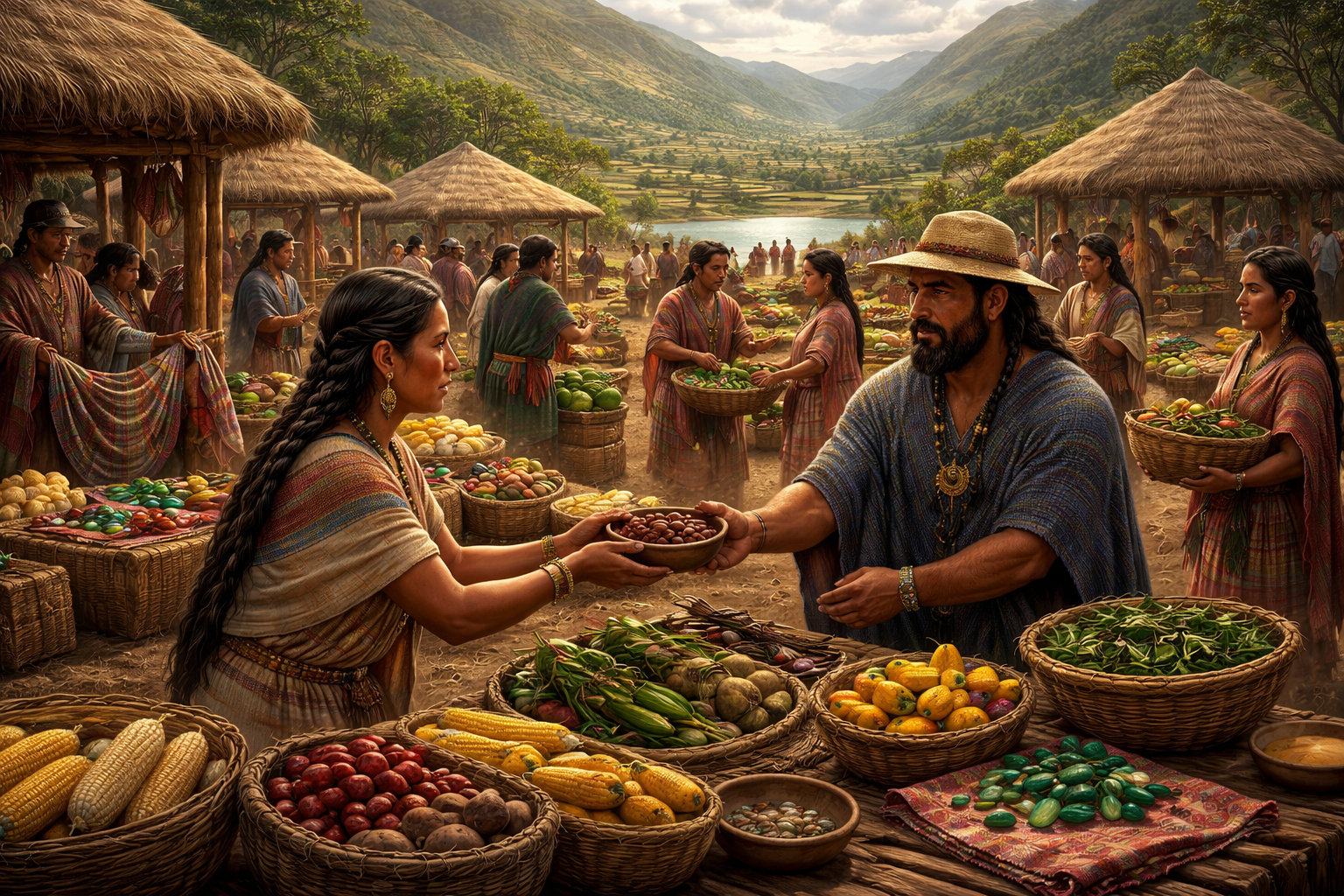
Trade routes facilitated interaction with neighboring groups, strengthening economic and cultural ties. Markets were organized and regulated, ensuring fair exchange and resource distribution. This economic system supported prosperity and contributed to the confederation’s stability.
Agricultural Systems
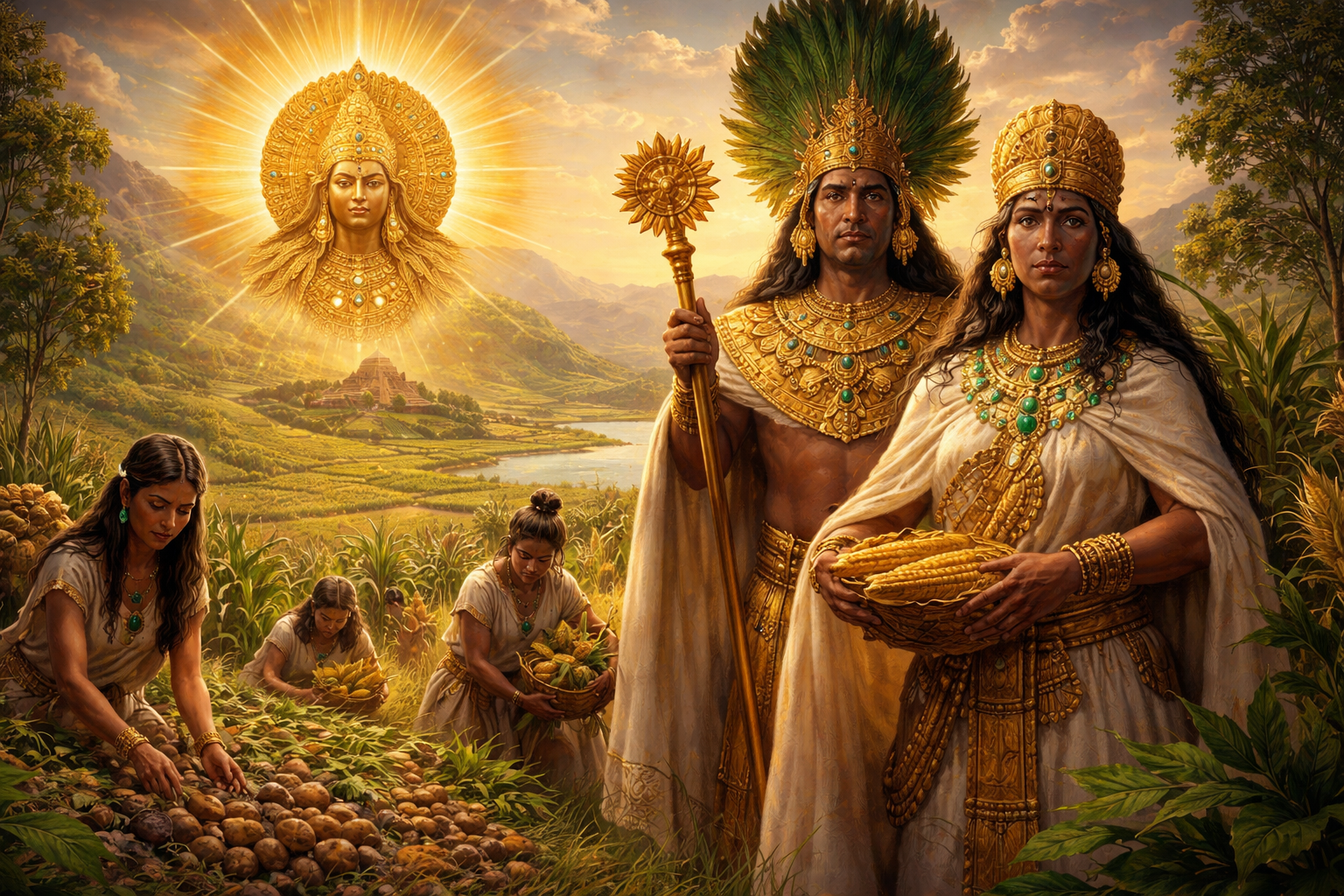
Agriculture formed the foundation of the Muisca economy. The fertile highlands allowed for the cultivation of crops such as maize, potatoes, and quinoa. Advanced farming techniques, including terracing and irrigation, helped maximize productivity.
Agricultural surplus supported trade and population growth. Communities worked collectively to manage land and resources, ensuring sustainability. This cooperative approach to agriculture strengthened economic resilience and social unity.
Social Hierarchy
Muisca society was structured hierarchically, with clear distinctions between social classes. At the top were the rulers and nobles, followed by priests and warriors. Artisans, farmers, and laborers formed the majority of the population.
Social Structure Table
| Class | Role |
|---|---|
| Rulers | Governed regions and made key decisions |
| Priests | Led religious practices and rituals |
| Warriors | Protected communities and maintained order |
| Artisans | Produced goods and crafts |
| Farmers | Cultivated crops and supported the economy |
Despite this hierarchy, the society emphasized community cooperation. Each group contributed to the overall functioning of the confederation, ensuring balance and stability.
Cultural Practices
Cultural and religious practices were central to Muisca life. They believed in a complex system of deities associated with nature and the cosmos. Rituals and ceremonies were conducted to maintain harmony and seek divine guidance.
Gold held significant cultural value, not as currency but as a symbol of spiritual and social importance. This reverence for gold contributed to legends such as El Dorado, which later attracted European explorers. Cultural traditions reinforced identity and unity within the confederation.
Trade Influence
The influence of the Muisca trade extended beyond economic benefits. It facilitated cultural exchange and strengthened relationships with neighboring societies. Their organized markets and trade practices demonstrated a high level of economic sophistication.
- Exchange of goods across regions
- Development of standardized trade practices
- Strengthening of inter-community relationships
- Promotion of cultural interaction
Trade played a crucial role in maintaining the confederation’s prosperity. It supported not only economic growth but also social and cultural integration.
Final Thoughts
The Muisca Confederation stands as a remarkable example of a well-organized and cooperative society. Its decentralized governance, strong trade networks, and structured social system highlight the complexity and sophistication of pre-Columbian civilizations. The balance between autonomy and unity allowed the Muisca to thrive in a challenging environment.
Studying the Muisca provides valuable lessons on sustainable governance, economic collaboration, and social harmony. Their legacy continues to offer insights into how societies can function effectively through cooperation, resource management, and cultural cohesion.