The origin stories of the Muisca people offer a rich and symbolic understanding of the universe, humanity, and the relationship between nature and the divine. These myths were not just stories but foundational beliefs that shaped social structure, rituals, and daily life. Through oral traditions passed across generations, the Muisca explained how the world began and how humans came to exist within it.
Muisca creation myths emphasize balance, duality, and transformation. They reflect a worldview where humans, gods, and nature are interconnected, each playing a role in maintaining cosmic harmony. By exploring these narratives, we gain insight into how the Muisca interpreted existence and their place within the universe.
Table of Contents
Cosmic Origins
Muisca cosmology begins with a world shaped by divine forces rather than chaos. The universe was believed to emerge through the actions of powerful deities who brought order and meaning to existence. These forces governed natural elements such as light, water, and fertility.
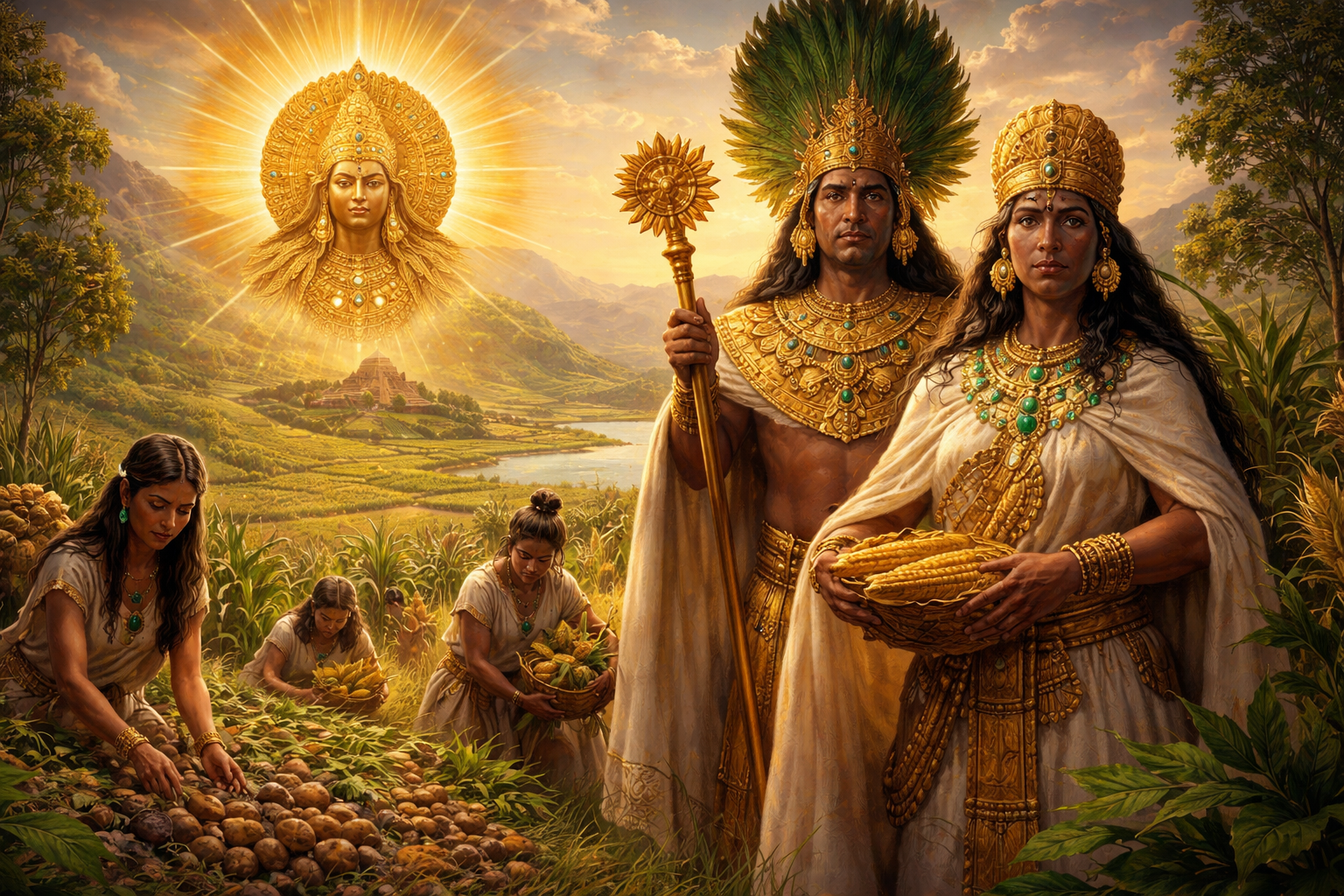
Central figures in these myths include Sué and Chía, representing complementary energies. Their interaction symbolized the balance between day and night, masculinity and femininity, and creation and renewal. This duality formed the foundation of Muisca spiritual thought.
Myth Overview
Muisca Creation Themes Table
| Theme | Meaning |
|---|---|
| Divine Creation | Gods shape the world and humanity |
| Duality | Balance between opposing forces |
| Transformation | Change as a constant element of life |
| Nature Connection | Humans linked to the environment |
| Ancestral Origins | Humans connected to sacred beings |
These themes illustrate how Muisca myths go beyond simple origin stories. They provide a framework for understanding life, relationships, and the environment.
The symbolic nature of these myths allows for multiple interpretations. This flexibility ensures their relevance across generations and cultural contexts.
Human Creation
- Sacred Emergence
Humans were believed to originate from sacred events guided by divine forces. Their creation was not accidental but purposeful, reflecting a connection to the spiritual world. - Role of Deities
Gods played an active role in shaping human existence, providing knowledge, culture, and guidance. This connection reinforced the idea that humans must honor divine principles. - Symbolic Origins
Human origins were often linked to natural elements such as water or earth, emphasizing the deep bond between people and the environment. - Spiritual Responsibility
Being created by divine forces placed responsibility on humans to maintain balance and harmony within the world.
These beliefs highlight the importance of purpose and responsibility in Muisca society. Human existence was seen as part of a larger cosmic plan.
Bochica Legend
- Civilizing Hero
Bochica is one of the most important figures in Muisca mythology. He is often described as a teacher who brought knowledge, laws, and moral guidance to humanity. - Creation Influence
Bochica is associated with shaping the environment and improving human life. His actions helped establish order and structure within society. - Flood Myth
One of the most well-known stories involves Bochica ending a great flood by creating a passage for water to escape, restoring balance to the land. - Moral Symbolism
His stories emphasize wisdom, justice, and the importance of living in harmony with nature and community.
The legend of Bochica serves as both a creation narrative and a moral guide. It reflects the values that defined Muisca culture and governance.
Nature Symbolism
Nature plays a central role in Muisca creation myths. Elements such as rivers, mountains, and lakes are not just physical features but symbolic representations of life and transformation. These elements often appear in origin stories, reinforcing their spiritual significance.
Water, in particular, is associated with life and renewal. Many myths describe human origins or divine actions occurring near bodies of water, highlighting their importance in both physical and spiritual contexts.
This symbolism extends to everyday life. Respect for nature was embedded in cultural practices, ensuring that the environment was treated as a sacred entity rather than a resource to exploit.
Oral Traditions
Muisca myths were preserved through oral storytelling rather than written records. Elders and spiritual leaders played a key role in passing down these narratives, ensuring continuity across generations. This method allowed stories to adapt while maintaining their core meanings.
Oral traditions also encouraged community participation. Storytelling was often a shared experience, reinforcing social bonds and cultural identity. These narratives were not static but evolved with each retelling.
The preservation of these myths highlights the importance of memory and communication in Muisca culture. It also underscores the role of storytelling in shaping collective understanding.
Cultural Impact
Creation myths influenced every aspect of Muisca life, from governance to agriculture. Beliefs about divine origins shaped social structures and rituals, ensuring alignment with spiritual principles. These myths provided a sense of purpose and direction for the community.
They also reinforced ethical values such as respect, balance, and responsibility. By linking human actions to cosmic order, the myths encouraged behaviors that supported harmony within society and the environment.
The cultural impact of these stories extends beyond the past. They continue to inspire modern interpretations and contribute to the preservation of indigenous heritage.
The Way Forward
The myths of creation and human origins in Muisca tradition offer profound insights into a worldview centered on balance, interconnectedness, and respect for nature. These narratives go beyond explaining existence; they provide guidance for living in harmony with the world.
By studying these myths, we not only understand the Muisca perspective but also gain valuable lessons about sustainability, community, and spiritual awareness. Their enduring relevance reminds us of the importance of preserving cultural knowledge and embracing diverse ways of understanding the universe.