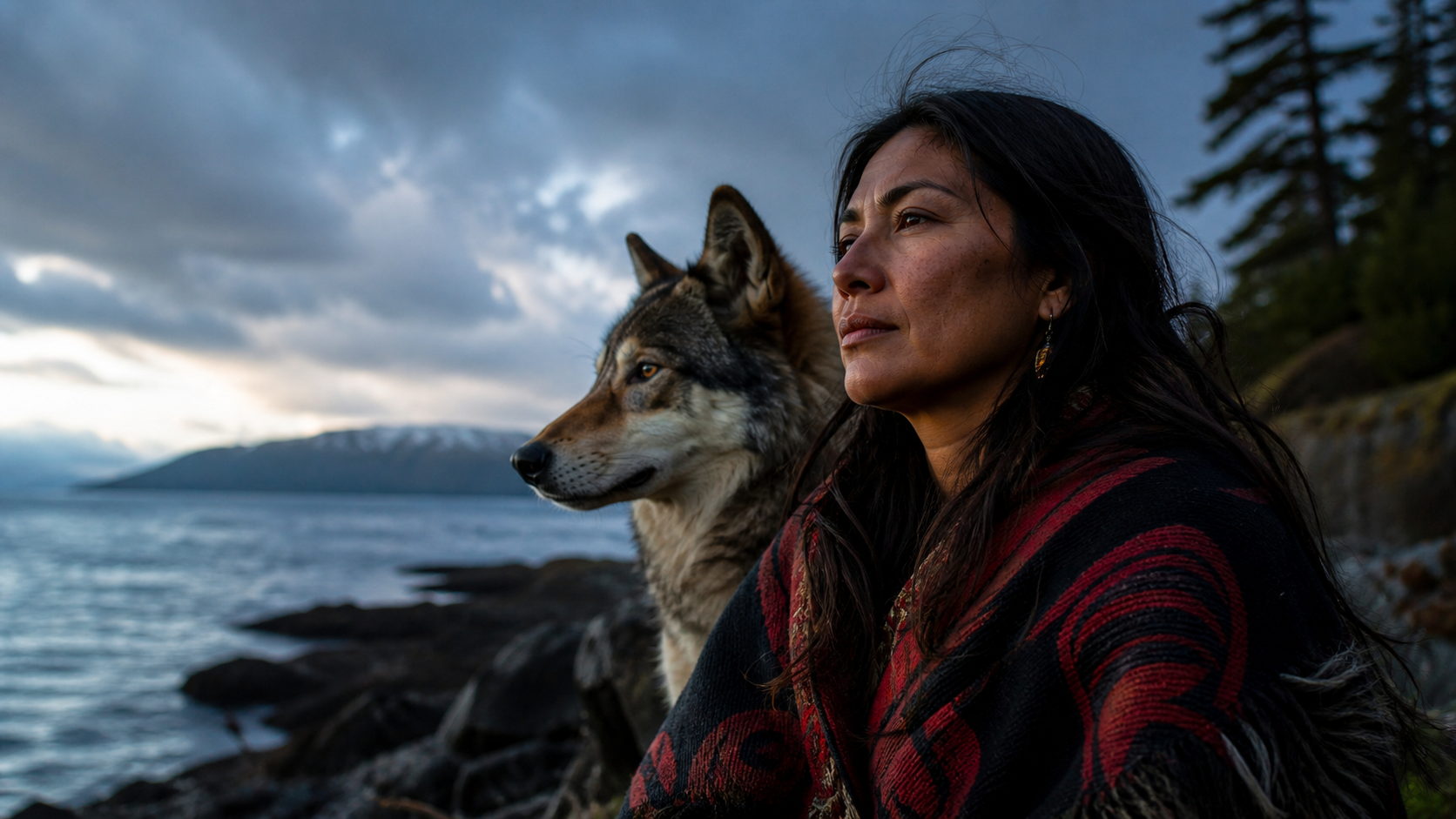
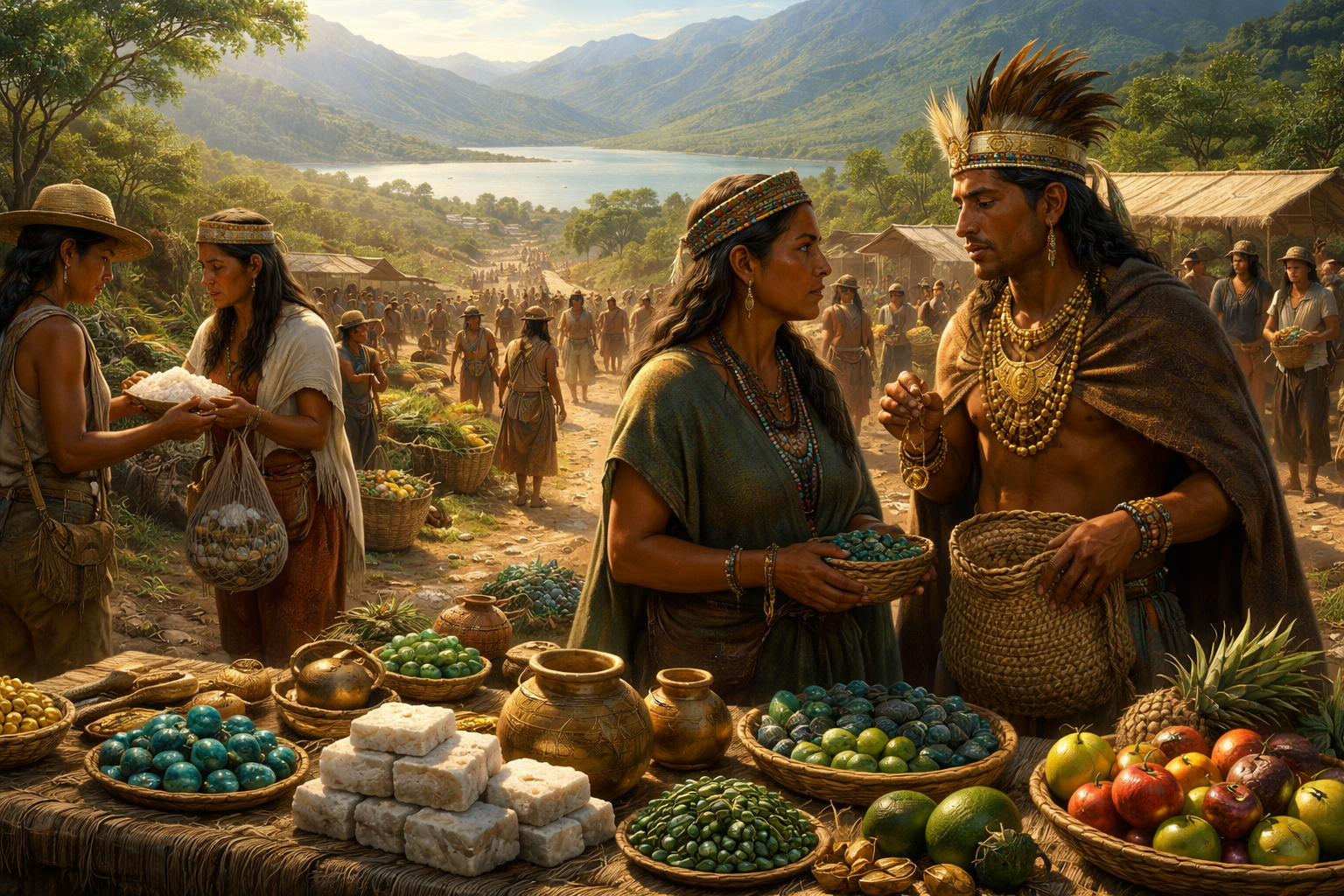
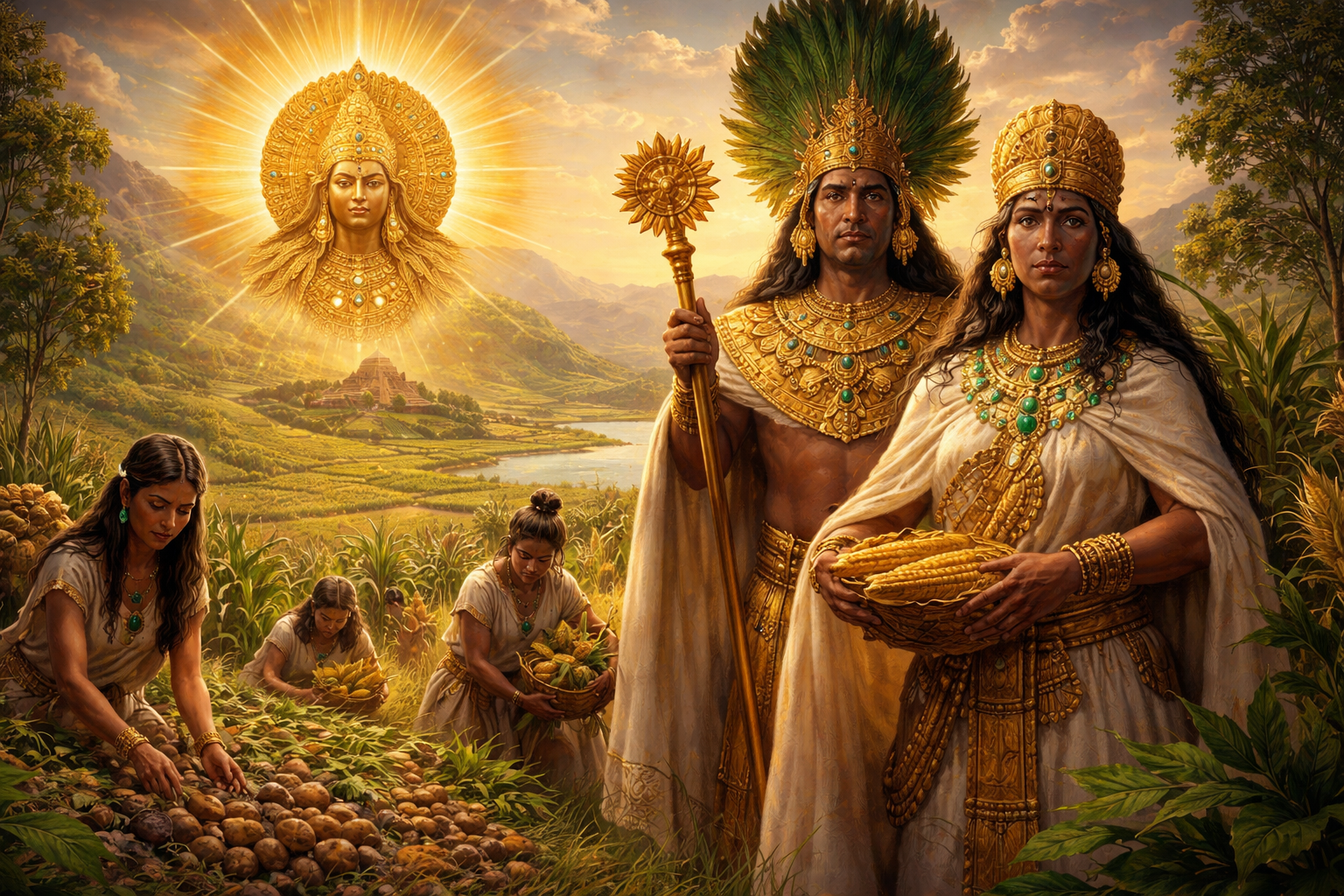
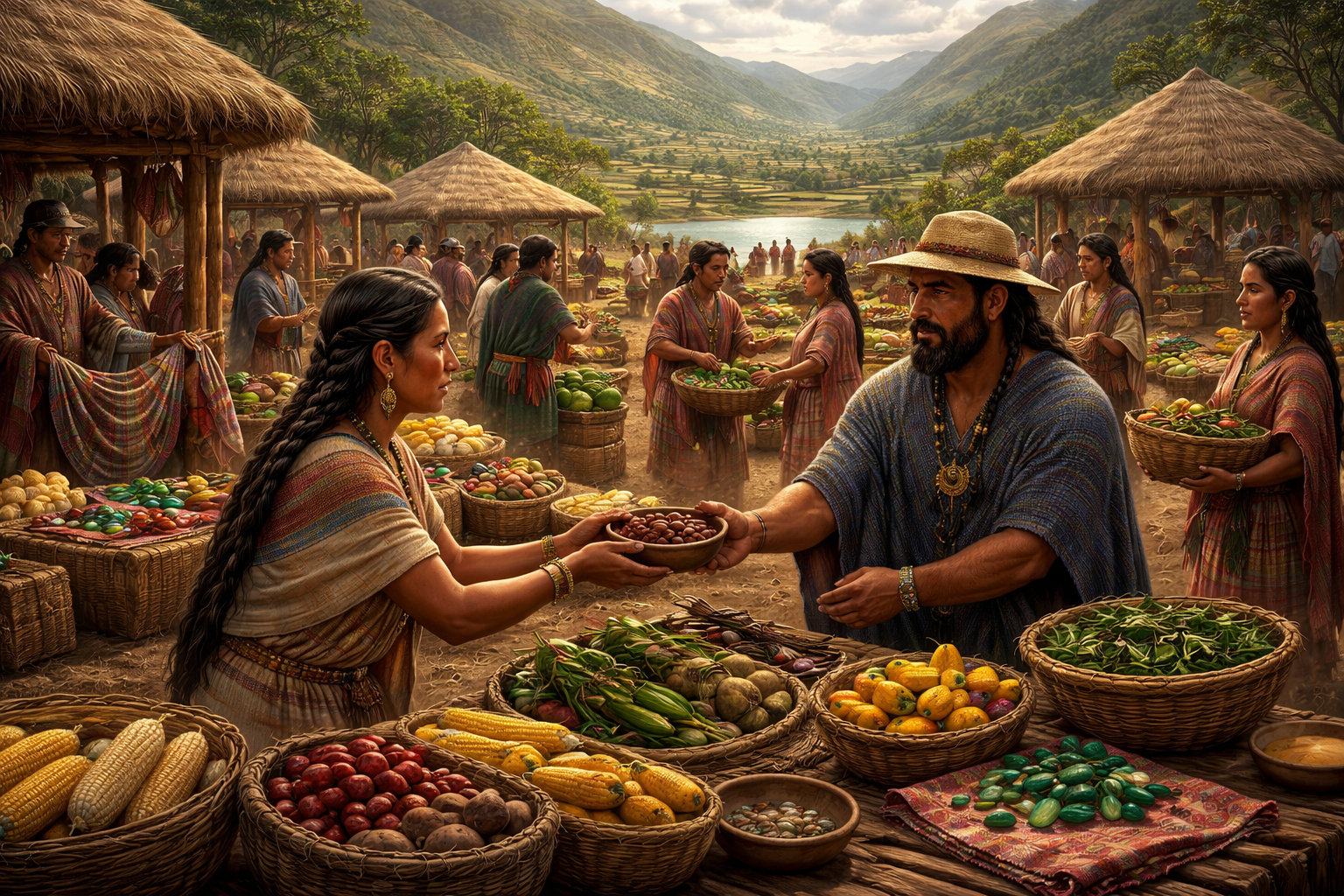
The spiritual worldview of the Muisca civilization was deeply rooted in nature, where landscapes were not merely physical spaces but sacred realms filled with divine presence. Mountains, lakes, caves, and valleys were seen as living entities connected to cosmic forces, guiding both daily life and ritual practices. This close relationship between environment and spirituality shaped a unique cultural identity centered on harmony and reverence.
Sacred landscapes served as focal points for ceremonies, offerings, and communication with deities. These sites were carefully chosen for their symbolic meaning and natural features, reinforcing the Muisca belief that spiritual energy resided in the land itself. Understanding these landscapes provides insight into how the Muisca integrated ecology, religion, and community life.
Table of Contents
Spiritual Context
Muisca spirituality was based on a cosmological system that connected the physical and spiritual worlds. Natural elements such as water, sunlight, and earth were considered manifestations of divine power. Ritual practices often involved aligning human actions with these cosmic forces to maintain balance and prosperity.
Central to this belief system were deities associated with nature, such as Sué and Chía. These figures represented the duality of existence and influenced agricultural cycles, social organization, and ceremonial life. Sacred landscapes were seen as points where these divine forces could be accessed and honored.
Sacred Overview
Muisca Sacred Sites Table
| Site Type | Spiritual Role |
|---|---|
| Lakes | Centers for offerings and purification rituals |
| Mountains | Elevated spaces connecting earth and sky |
| Caves | Entrances to spiritual or ancestral realms |
| Rivers | Channels of life and energy flow |
| Plains | Gathering spaces for communal ceremonies |
These sites formed a network of sacred geography that structured religious practices. Each location carried specific meanings and functions, contributing to a holistic spiritual system.
The interconnected nature of these landscapes highlights the Muisca understanding of balance. Rather than isolated sites, they were part of a larger sacred environment that guided both ritual and everyday life.
Lake Rituals
- Offerings to Deities
Lakes were among the most sacred spaces, where offerings of gold, emeralds, and other valuable items were made. These offerings symbolized gratitude and devotion to the gods. - Purification Ceremonies
Water was believed to cleanse both physical and spiritual impurities. Ritual bathing and ceremonies were performed to restore balance. - Mythological Significance
Certain lakes were associated with creation myths and origin stories, reinforcing their importance in spiritual narratives. - Leadership Rituals
Ceremonies marking leadership transitions often took place at lakes, emphasizing their role in social and political life.
Lakes such as Lake Guatavita became iconic symbols of Muisca spirituality. These sites were not only religious centers but also cultural landmarks that connected people to their history and beliefs.
Mountain Worship
- Spiritual Elevation
Mountains were viewed as sacred because of their height and proximity to the sky. They symbolized a bridge between the earthly and divine realms. - Observation Points
Rituals performed on mountains often involved observing celestial events. This practice aligned spiritual activities with cosmic cycles. - Pilgrimage Traditions
Community members traveled to mountain sites as part of spiritual journeys, reinforcing collective identity and devotion. - Sacred Boundaries
Mountains often marked the boundaries of sacred territories, defining spaces of spiritual significance.
Mountain worship emphasized the importance of elevation and perspective in Muisca spirituality. These sites provided a physical and symbolic connection to higher powers.
Cave Significance
Caves held a unique place in Muisca spiritual practice as gateways to the underworld or ancestral realms. They were associated with origins, transformation, and communication with spiritual entities. Rituals conducted in caves often involved offerings and symbolic acts representing rebirth or renewal.
The enclosed nature of caves created an atmosphere conducive to introspection and spiritual connection. This made them ideal for ceremonies that required focus and reverence. Their role in mythology further reinforced their importance as sacred spaces.
Caves also served as repositories of cultural memory. Artifacts and symbolic markings found within them provide insight into the beliefs and practices of the Muisca people.
Ritual Practices
Ritual practices in Muisca spirituality were deeply connected to the natural environment. Ceremonies often involved music, dance, and offerings, all performed in sacred landscapes. These practices reinforced the connection between the community and the divine.
Seasonal cycles played a significant role in determining ritual timing. Agricultural activities, celestial events, and environmental changes influenced when and how rituals were conducted. This alignment ensured harmony between human activity and natural rhythms.
Rituals also served social functions, bringing communities together and reinforcing shared values. They were not only spiritual acts but also expressions of cultural identity and continuity.
Cultural Meaning
Sacred landscapes were central to Muisca cultural identity. They represented a worldview that emphasized respect for nature and the interconnectedness of all life. This perspective influenced not only religious practices but also social organization and environmental stewardship.
The preservation of these sites remains important for understanding Muisca heritage. Modern efforts to protect sacred landscapes highlight their enduring significance and the need to respect indigenous traditions.
Cultural meaning extends beyond historical context. These landscapes continue to inspire contemporary discussions about sustainability, spirituality, and the relationship between humans and nature.
Closing Perspectives
The sacred landscapes and ritual sites of Muisca spiritual practice reveal a deeply interconnected worldview where nature and spirituality are inseparable. From lakes and mountains to caves and plains, each site played a vital role in maintaining balance and harmony within the community.
By exploring these sacred spaces, we gain a greater appreciation for the Muisca’s spiritual philosophy and its relevance today. Their approach to the natural world offers valuable insights into sustainable living, cultural preservation, and the enduring power of spiritual connection.