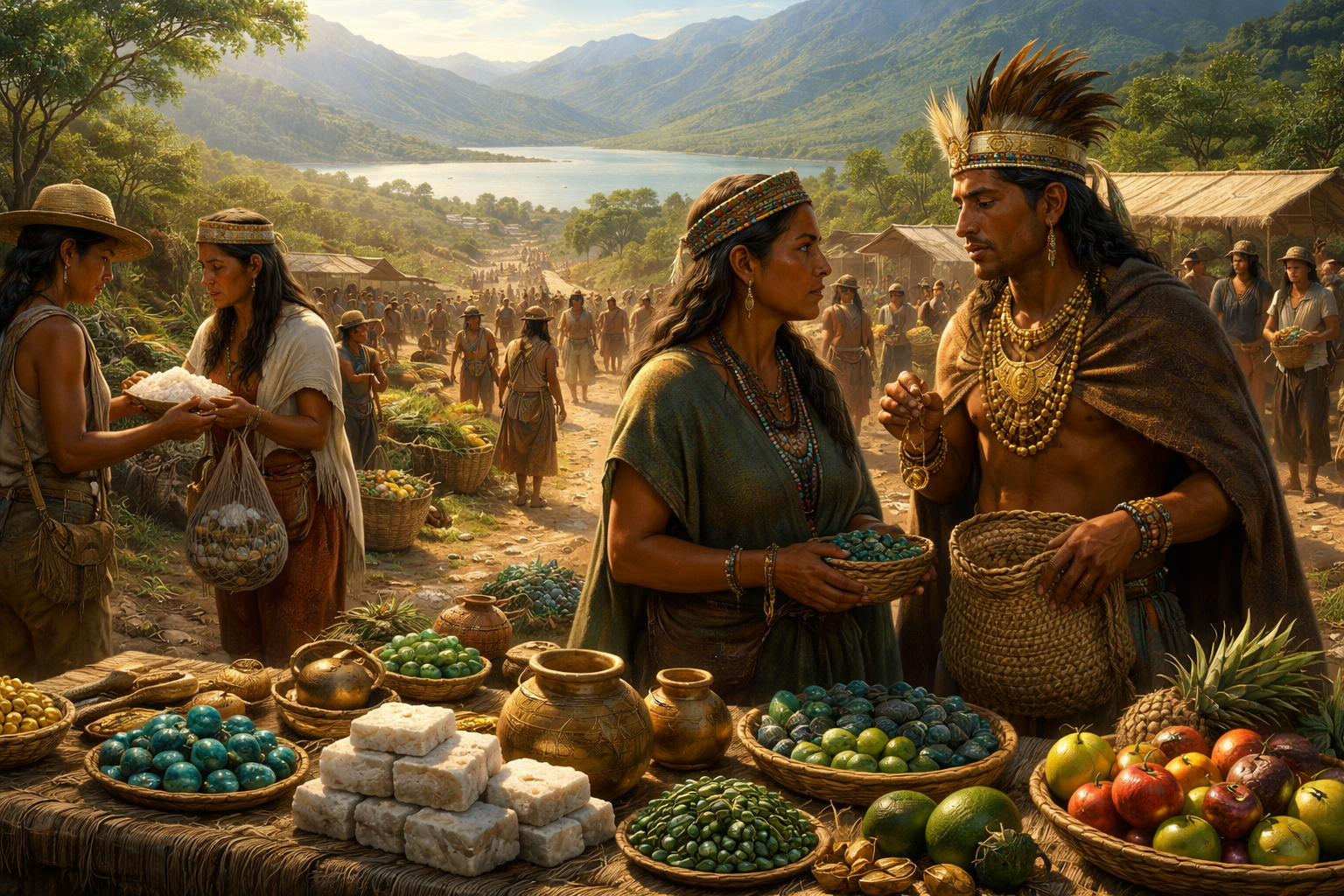
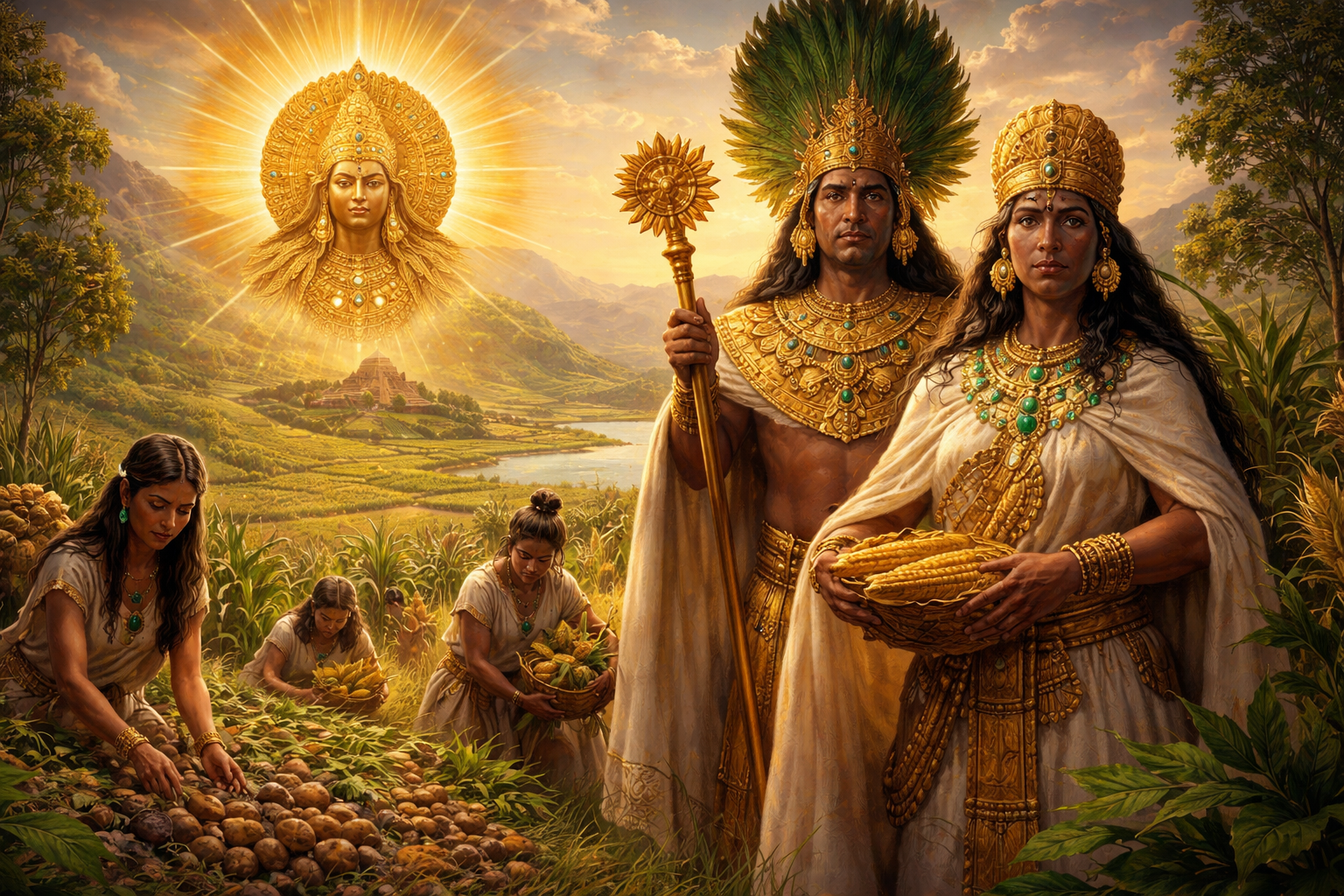
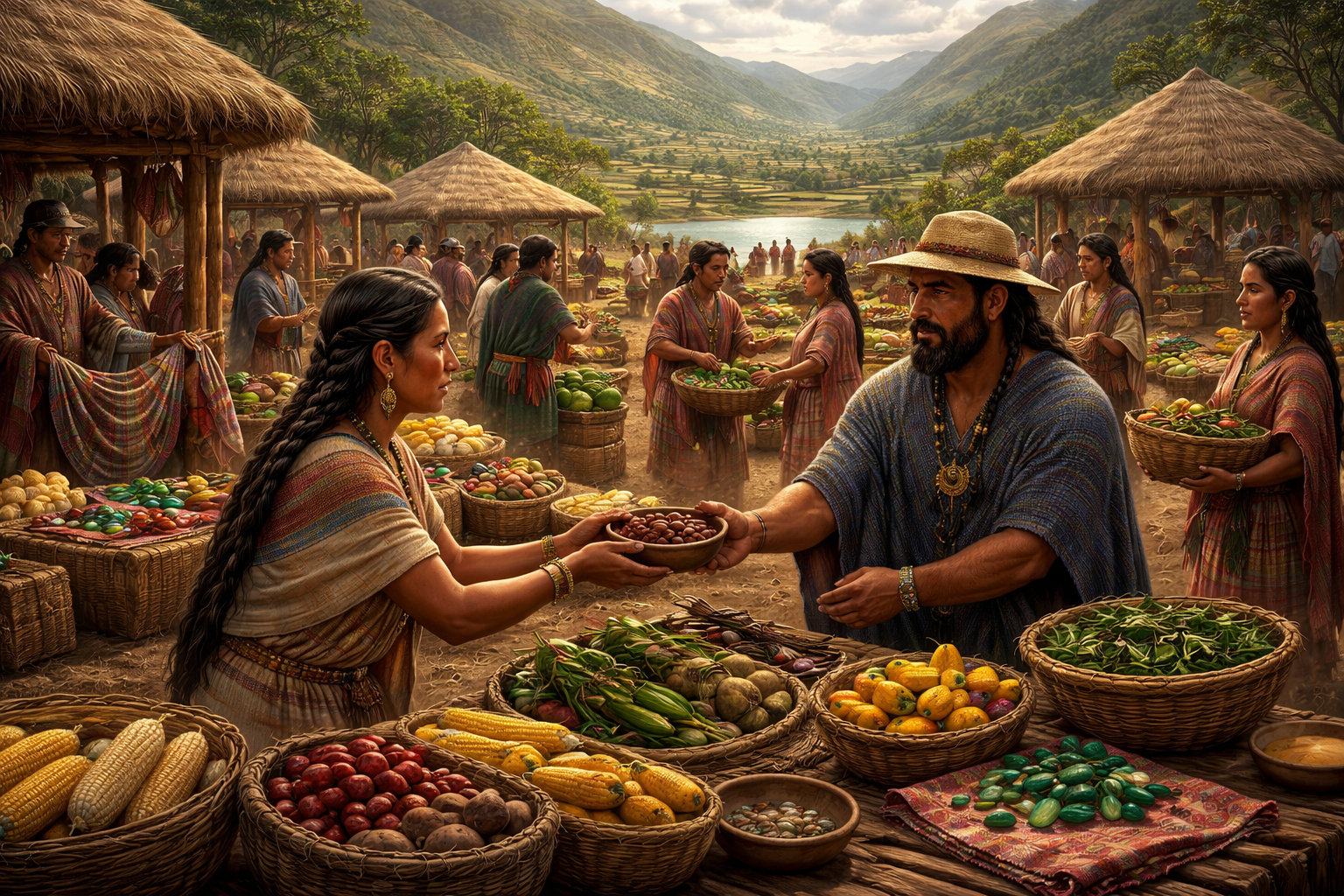
The legend of El Dorado has fascinated explorers, historians, and storytellers for centuries. Often imagined as a lost city of immense gold, the myth actually originates from the cultural and ritual practices of the Muisca people of present-day Colombia. What began as a symbolic ceremony was later transformed into a powerful narrative that drove exploration and conquest.
Understanding the origins of El Dorado requires separating myth from historical reality. The story is deeply rooted in Muisca traditions, spirituality, and social structure, reflecting values that go far beyond material wealth. Examining these origins reveals how cultural symbolism can evolve into a global legend.
Table of Contents
Overview Snapshot
| Aspect | Details |
|---|---|
| Myth | El Dorado |
| Origin | Muisca rituals and traditions |
| Region | Andean highlands of Colombia |
| Symbolism | Spiritual and political authority |
| Outcome | Inspired exploration and conquest |
Ritual Origins
The myth of El Dorado originates from a ceremonial ritual performed by the Muisca. During the coronation of a new ruler, the leader was covered in gold dust and sailed across a sacred lake. Offerings of gold and precious items were then cast into the water as part of a spiritual ceremony.
This ritual symbolized the connection between leadership and the divine. Gold was not viewed as currency but as a sacred material representing purity and power. The ceremony reflected the spiritual beliefs of the Muisca and reinforced the authority of their rulers.
Sacred Symbolism
Gold held deep symbolic meaning in Muisca culture. It represented the sun, divine energy, and the connection between the physical and spiritual worlds. The use of gold in rituals emphasized its importance beyond material value.
The ceremony associated with El Dorado was not about wealth accumulation but about honoring deities and maintaining cosmic balance. This perspective contrasts sharply with later interpretations that focused solely on the idea of hidden riches.
Geographic Context
The ritual is often linked to Lake Guatavita, a site considered sacred by the Muisca. The lake served as a ceremonial center where offerings were made to spiritual forces. Its circular shape and remote location added to its mystical significance.
Over time, stories of this ritual spread beyond the region. Spanish explorers interpreted these accounts through their own cultural lens, transforming a localized tradition into a broader legend of a golden kingdom.
Cultural Meaning
El Dorado, meaning “the gilded one,” originally referred to the ruler rather than a place. The title highlighted the spiritual role of leadership within Muisca society. The ritual reinforced the idea that rulers were intermediaries between the people and the divine.
- Representation of divine authority
- The connection between leadership and spirituality
- Emphasis on ritual over material wealth
- Symbol of cultural identity and tradition
These elements demonstrate that the myth was deeply embedded in cultural values. It served as a reflection of the Muisca worldview rather than a literal description of wealth.
European Influence
The arrival of Spanish explorers transformed the meaning of El Dorado. Driven by the pursuit of wealth, they reinterpreted the story as evidence of a hidden city or kingdom filled with gold. This shift led to numerous expeditions across South America.
Explorers such as Gonzalo Jiménez de Quesada sought to uncover this imagined treasure. Their efforts often resulted in conflict, exploitation, and the disruption of indigenous societies. The myth became a driving force behind colonial expansion.
Legend Evolution
As the story spread, El Dorado evolved from a single ritual into a complex legend involving cities, kingdoms, and vast riches. Each retelling added new elements, further distancing the myth from its original context.
Evolution Stages Table
| Stage | Description |
|---|---|
| Ritual Phase | Based on Muisca coronation ceremony |
| Early Interpretation | Described as a golden ruler |
| Colonial Expansion | Transformed into a golden city |
| Global Myth | Became a symbol of hidden wealth |
This evolution illustrates how cultural narratives can change when interpreted through different perspectives. The original meaning was gradually overshadowed by external influences.
Modern Perspective
Today, El Dorado is recognized as a powerful example of how myths can shape history. Scholars focus on understanding its cultural origins and correcting misconceptions. The story is now appreciated as part of the rich heritage of the Muisca people.
- Recognition of indigenous cultural significance
- Preservation of historical sites and traditions
- Educational reinterpretation of the myth
- Shift from treasure narrative to cultural understanding
Modern perspectives emphasize respect for the original context of the myth. This approach helps restore the cultural meaning that was lost over time.
Wrapping Up
The myth of El Dorado is not a tale of a lost city but a reflection of Muisca rituals and cultural symbolism. What began as a sacred ceremony evolved into a global legend that influenced exploration and history. Understanding its origins reveals the depth and complexity of indigenous traditions.
Revisiting the true story of El Dorado allows for a more accurate and respectful appreciation of the Muisca civilization. It highlights the importance of interpreting cultural narratives within their original context, ensuring that their meaning is preserved for future generations.